
Duterte Is Arrested on ICC Warrant. What Happens Next?
The former president's arrest may just be the beginning of a long arduous trial.
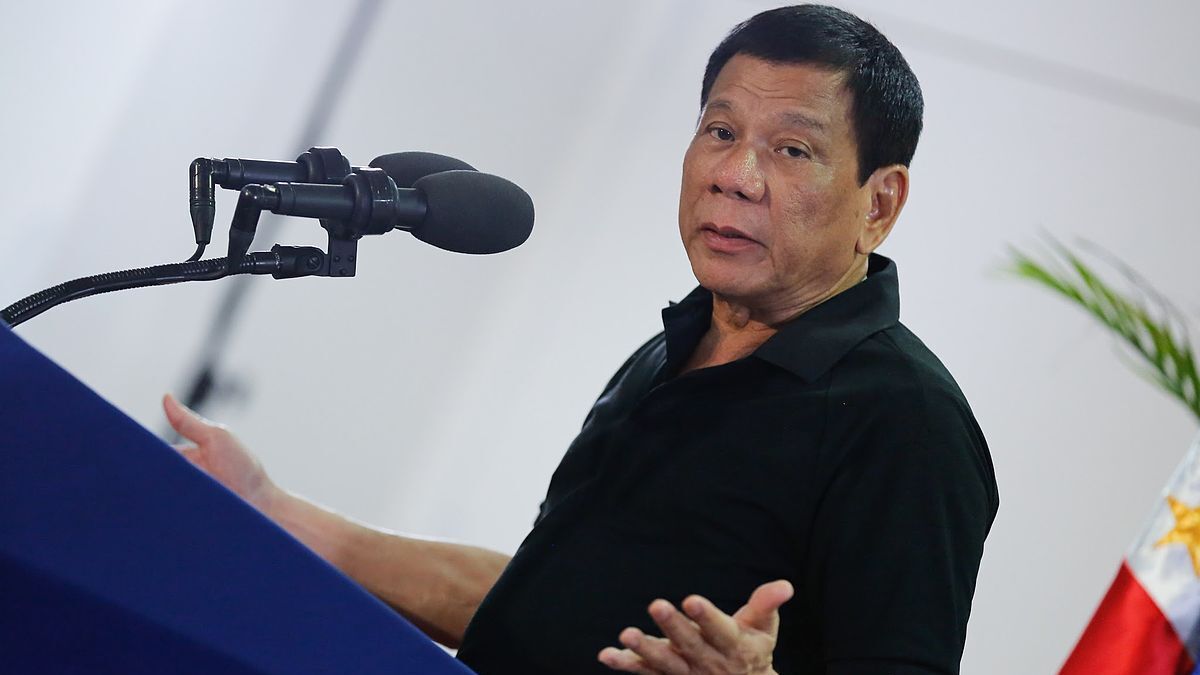
(SPOT.ph) It's the biggest news of the day. Rodrigo Duterte was arrested on March 11 at Ninoy Aquino International Airport upon his return from Hong Kong. The arrest was carried out with the assistance of the Philippine National Police under a warrant issued by the International Criminal Court (ICC), which has been investigating the former president for his involvement in the bloody war on drugs.
According to the Philippine Drug Enforcement Agency, Duterte’s campaign resulted in over 6,200 extrajudicial killings, but the Commission on Human Rights estimates the death toll to be over 20,000.
The Philippines might have withdrawn from the ICC in 2018, but the ICC Pre-Trial Chamber said it still has the authority to hold investigations over the Duterte administration’s war on drugs since it took place from 2016 to 2019—back when the country was still tied to the ICC as a member-state.
Now that Duterte is under the custody of authorities at the Villamor Air Base in Pasay City, what happens next?
Also read: The International Criminal Court: What Is It and What Does It Do?
What happens to Duterte?
According to ICC Assistant to Counsel Atty. Kristina Conti, Duterte will be transferred to The Hague, Netherlands, where the ICC tribunal is based. She emphasized Duterte’s prosecution will be handled entirely under international law.
"Didiretso dapat 'yan sa The Hague... hindi na magtatagal sa Pilipinas,” Conti told GMA News, explaining that the process starts with a first hearing and confirmation of charges. Upon arrival in The Hague, Duterte will be detained at the ICC detention center.
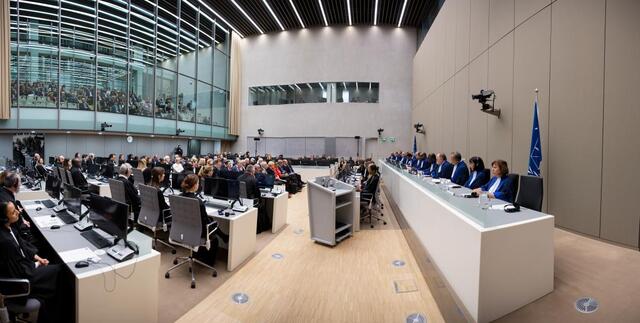
Upon arrival in The Hague, Duterte will receive a “packet of materials” explaining his rights, the charges against him, and a list of ICC-authorized lawyers who may represent him. He will have around a week to review these documents before being summoned for his first formal hearing.
The hearing will be held to determine whether there is enough evidence for the case to proceed to trial. The ICC's official document states it “focuses its investigations and prosecutions on those who, having regard to the evidence gathered, bear the greatest responsibility” for what they're being accused of. Since it was established in 2002, the ICC has handled 32 cases, with some having more than one suspect.
How long could the trial at ICC take?
During the trial stage, three ICC judges will hear the case to confirm whether the prosecution has proven guilt beyond reasonable doubt. If convicted, the accused can face up to 30 years in prison or even life imprisonment in exceptional cases. However, if the evidence is insufficient, the case is dismissed and the accused is released.
Conti explained that while cases can be resolved in as little as two years, more complex cases like Duterte’s often take up to 10 years. The average ICC trial lasts eight years, depending on how aggressively the defense contests the charges.
"Depende kung gaano ka-litigious o kung gaano ico-contest ng Duterte camp ang mga charges sa kaniya," Conti said.
Duterte's declining health has raised questions about his ability to stand trial. In recent public appearances, he is visibly weaker, with a slower manner of speaking.
However, Conti assured that the ICC has medical professionals who will monitor his condition before and during his imprisonment. His health may impact the trial but it will not stop the process from moving forward.
“He can ask for assistance anytime,” Conti said.
Whatever the verdict, both the prosecution and the defense have the right to appeal on specific legal grounds. This process will then be handled by a panel of five ICC judges who are separate from those involved in the original trial. These judges will review the case and decide whether to uphold, overturn, or modify the verdict and sentence.
Also read: The Philippines Refuses to Cooperate With the ICC. What Now?