
What Counts as a Damaged Passport?
The DFA clarifies when it's time to apply for a new one.
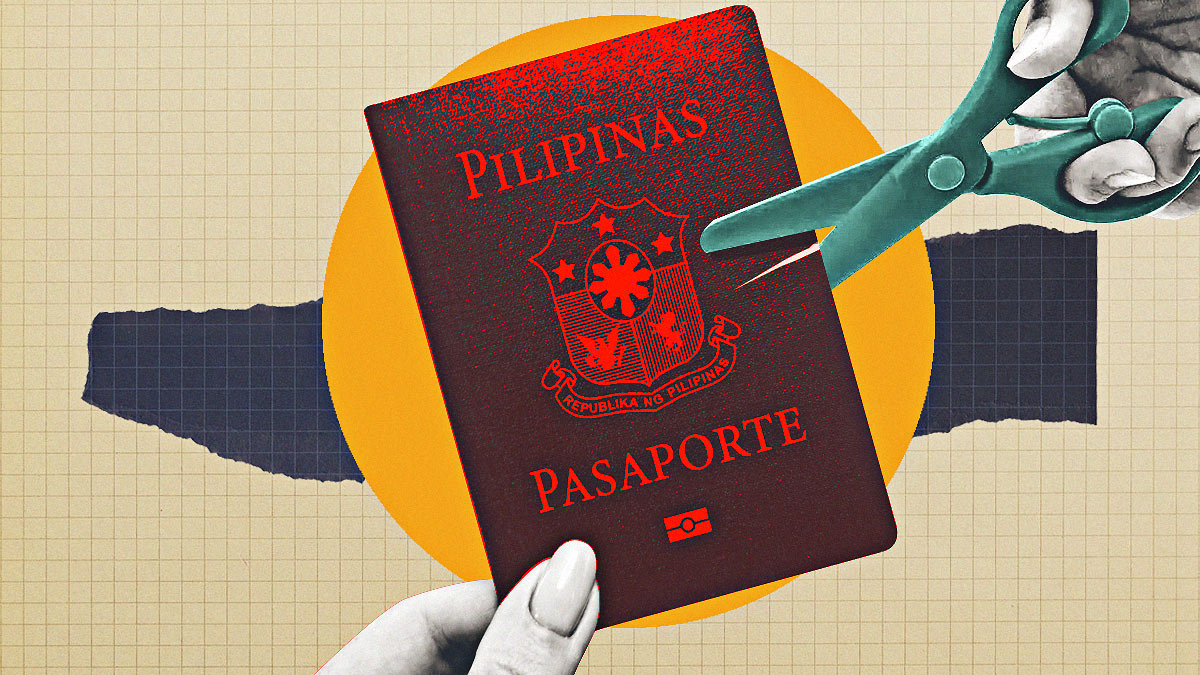
(SPOT.ph) You’ve booked the flight, packed your bags, and triple-checked your itinerary—only to be told at the airport that your passport has been flagged. It’s the kind of horror story no different from the one making rounds on social media lately. Here’s the thing: A bit of wear and tear on your passport doesn’t automatically make it invalid, but there are specific conditions that can get it rejected at the check-in counter or boarding gate.
In the eyes of the Department of Foreign Affairs (DFA), a passport is considered “mutilated”—or no longer acceptable— if it has any of the following issues:
- Unreadable data page – Personal information is smudged, scraped off, or missing
- Broken or unreadable chip – E-passport chip cannot be scanned at immigration
- Compromised photo – Passport photo is unclear, tampered with, or suspicious in quality
- Missing pages – Even a single page missing from the booklet
- Detached cover – Hard cover is removed or hanging by a thread
- Unstitched booklet – Loose or removed stitching in the booklet
- Water damage – Passport has been soaked or shows water stains
- Ink smears – Ink has spread across personal information or visa pages
Even if your passport still looks okay at a glance, these issues might be enough to prevent you from flying.
According to Cebu Pacific Spokesperson Carmina Romero, if a passport is found to be damaged, the standard protocol is to take photographs and forward them to the immigration authorities of the destination country for evaluation. The passenger is only allowed to board if the foreign immigration confirms that the passport will be accepted. If not, the airline has no choice but to deny boarding.
Also read: Online Passport Application Is Coming Soon on DFA's Website
How to replace a damaged passport
Much like replacing a lost passport, a damaged one is treated as a new application—and comes with an additional penalty fee of P350 on top of standard passport fees. Fortunately, this process is fairly straightforward if you've already done it in the past.
Start by booking an appointment with the DFA, then prepare the usual requirements:
- Printed and completed application form
- Original and photocopy of an authenticated birth certificate issued by the Philippine Statistics Authority (for married females using their spouse's last name, present the original and photocopy of the authenticated marriage contract or report of marriage)
- Government-issued IDs with one photocopy
In addition, you’ll need to submit a notarized Affidavit of Explanation detailing how the damage happened. The damaged or mutilated passport must also be surrendered during the appointment.
That's it! Better to deal with the hassle now than risk a full-on travel disaster at the airport. In the end, immigration won’t care if your passport “works most of the time.”
Also read: Walk-in Passport Applications Are Available, Who Qualifies?