
DSWD Expands Solo Parent Coverage to OFW Spouses
Get cash subsidies, tax exemptions, and more.
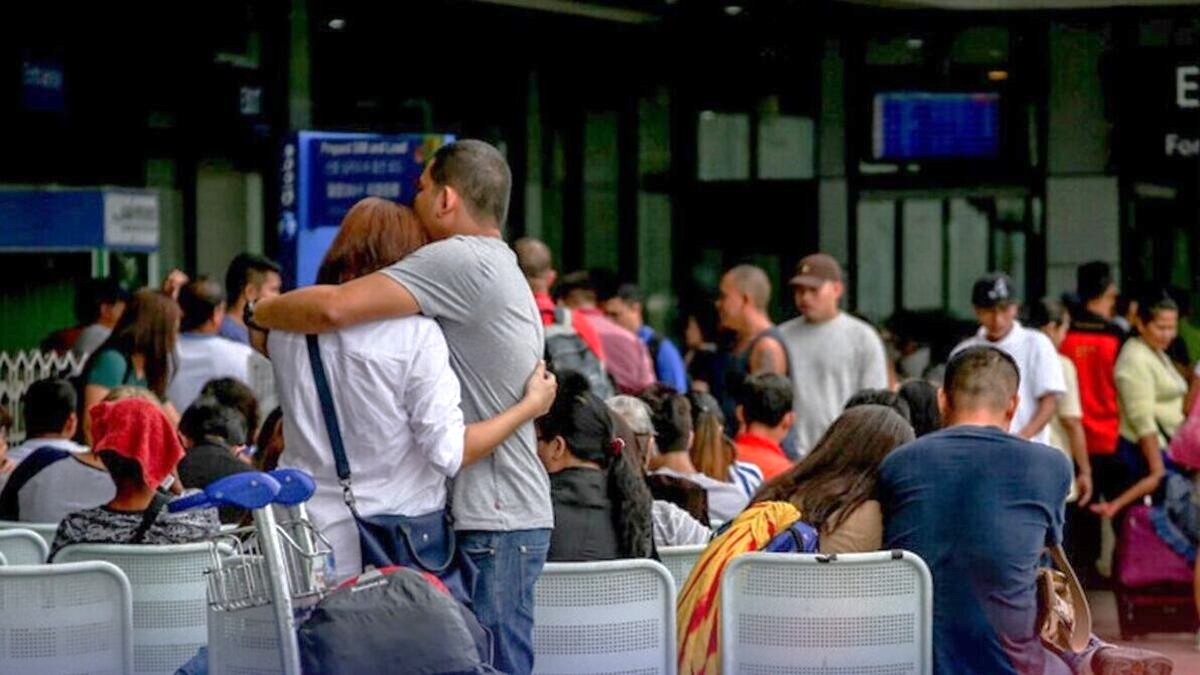
(SPOT.ph) In countless Filipino households, it's the same story: one parent works overseas while the other stays behind to handle everything at home—raising the kids, running the household. Despite doing the job of two, they haven’t always been recognized for what they effectively are: solo parents.
That’s now changing under Republic Act No. 11861 or the Expanded Solo Parents Welfare Act, which now extends solo parent status—and the government benefits that come with it—to spouses of Overseas Filipino Workers (OFWs).
According to the Department of Social Welfare and Development (DSWD), this expanded definition applies to any spouse of low- and semi-skilled OFWs who have been working abroad for at least 12 consecutive months. Even if the OFW sends financial support, the spouse left in the Philippines can still qualify as a solo parent if they are the sole caregiver of their child or children.
“Dapat po ang duration is continuous na one year and above. Kahit po ikaw ay may sustento pero ikaw ay solely na nag-aalaga sa iyong anak, pwede na pong ma-consider as solo parent ‘yun,” DSWD Assistant Secretary Ada Colico said.
Aside from OFW spouses, individuals who may now qualify as solo parents include legal guardians, adoptive or foster parents, and those raising a child born as a result of rape—even without a final conviction. The law also applies to those whose spouse has died, is detained for at least three months, is legally separated or whose marriage has been annulled, or has a physical or mental disability.
Also read: Solo Parents, Expect to Receive VAT Exemption + Cash Subsidy Soon
What are solo parents or OFW spouses entitled to?
Solo parents recognized by their local government units (LGUs) are entitled to a range of benefits under the Expanded Solo Parents Welfare Act. These include a monthly P1,000 cash subsidy for minimum wage earners or those earning below the threshold, automatic PhilHealth coverage, and priority in housing and employment services.
The law also grants tax exemptions and discounts on milk, food, diapers, medicine, and other essentials for children under six years old—provided the parent earns less than P250,000 annually. In addition, solo parents and their children may access scholarships and educational assistance through government agencies such as DepEd, CHED, and TESDA.
But don't get too excited just yet. To avail of the benefits, the solo parent must own a Solo Parent Identification Card (SPIC) to show as evidence of his or her status as one. In some cases, they might also be asked to present the card alongside the solo parent booklet, which is issued together with the SPIC.
Do note that unlike other government-issued IDs such as those for persons with disabilities or senior citizens, the SPIC should be renewed every year.
Also read: GUIDE: How to Get a Solo Parent ID