
Sawsawan Is Forever: Why Patis, Toyomansi Outlasted the Pandemic
From street food to home-cooked meals.
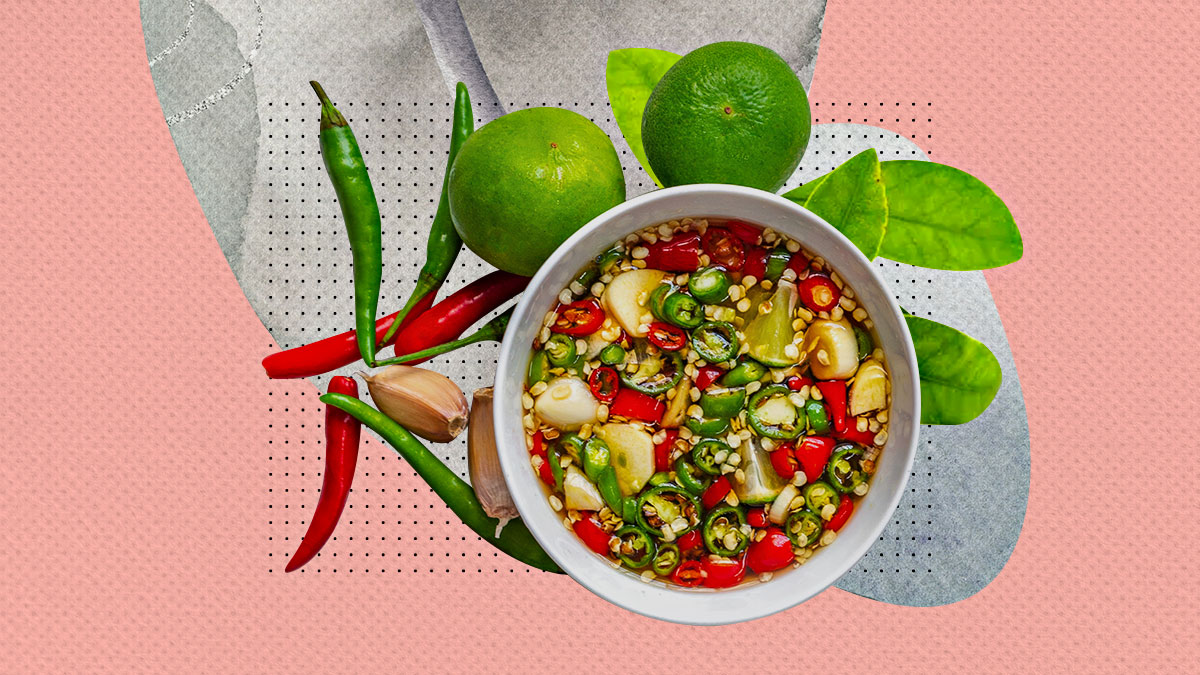
(SPOT.ph) Marvin Cruz prepares to dig into a plate of piping hot rice with pork sinigang that's dipped in toyo, calamansi and siling labuyo—a medley of simple pantry staples that come together to elevate everyday Filipino food that's meant to be shared and eaten by hand, even during pandemic times.
So deep is the integration of sawsawan into the Filipino cuisine that not even COVID-19 could stop Filipinos from sharing the same dipping sauce and with restrictions loosening further, it will only be a matter of time before street food lovers can dip their fish balls into sweet-spicy manong sauce.
ALSO READ:
Vegan is Delicious: Chef Jeeca Uy Challenges Your Taste Buds One TikTok at a Time
This Binondo Food Tour Will Feed Both Your Mind and Stomach
"Kapag may sawsawan kasi, mas masarap kumain tapos na-adjust mo pa sa taste mo yung pagkain," Cruz, a 26-year-old beverage company employee said.
From the dining table staple toyomansi to street food-favorite sukang maanghang (spiced vinegar), the sawsawan exemplifies Filipino values since it accommodates each diner's individual tastebuds.
Sawsawan is a Filipino food staple
That's Filipino culture speaking according to Enrico Baula, who teaches Sociology at De La Salle University Manila.
"You can’t remove that type of integration in Filipino culture, you can modify it but you can't remove it because it has become a big part of who we are, the way we eat," Baula said in an interview.
Such a modification was visible during the first two years of the pandemic with street food vendors offering individual dipping sauce cups, and fast food chains leaning towards serving more sauces in sachets to discourage sharing.
The sawsawan may be often served in a small saucer but it plays a big role in Filipino cuisine and culture. So much so that many of our dishes seem impossible to eat without a dipping sauce.
There's salty bagoong for Kare-Kare, sweet liver gravy for all types of Lechon (and fried meat too), toyomansi or patis for nilaga and all other broth-based viands such as bulalo, sinigang, and tinola. For fast food lovers, there's gravy for fried chicken and KFC gravy specifically for rice.
"We'll adapt, we'll modify but to say that we'll stop using sawsawan? Never. That's part of culture," Baula said.
Sawsawan 'democratizes' eating
The sawsawan transforms the Filipino dining experience from mere eating to a communal activity according to Filipino food writer Doreen Fernandez.
Fernandez, in her 'Food and the Filipino' essay published as part of the Philippine World-view book, explained that the sawsawan highlights the communal nature of Filipinos by inviting "consumer participation."
"That the chef and the eater—the creator and the consumer—are on equal footing; that eating is an act of creation in which both participate, an experience in which both are creators and critics," Fernandez wrote.
Unlike other cultures, Fernandez said the Filipino cook prepares and serves food expecting fully that the dish is to be adjusted to individual tastes with sawsawan.
And Filipinos do this with no intention of disrespecting the cook or the food. We see it in the variety of sauces served along with different Filipino foods--from the basic toyo, patis, and suka to the more complex ginisang bagoong, and kamatis at sibuyas.
"The sawsawan is another way of democratizing food. In Filipino food, there's no ego. The cook serves food knowing well that those who will eat it will adjust the flavors to their taste with sawsawan and it's not intended to offend anyone but actually to accommodate everyone," Baula said.
Sawsawan is meant to be shared
More than hospitality, Baula said the sawsawan culture represents the communal essence of Filipino values: inclusivity.
"It’s not just hospitality that the sawsawan represents, lahat ng value ng Filipino that is oriented towards the group—pakikisama, pakikikapwa, pakikiramdam," he said.
"Every single Filipino value could go to the concept of sawsawan because it’s inclusive," he added.
The sawsawan exemplifies how welcoming Filipinos are, Baula said, noting that on many occasions, it's even the cooks who prepare the sawsawan for their own prepared dishes.
"As a people, we are very welcoming and that is reflected in our food too with the sawsawan because it accommodates individual preferences," Baula added.
So the next time you're eating and find yourself looking for sawsawan, know that it simply highlights a Filipino value deep within you.
Go on and be a proud Filipino, squeeze calamansi on your saucer of toyo, mix bagoong with kamatis, or drown your porkchop in banana ketchup for that Filipino dining experience like no other.