

What Fog? Metro Manila's Gray Skies Caused by Haze, PAGASA Says
Plus how to protect yourself.

(SPOT.ph) Noticed gray skies covering Metro Manila these past few days? Don't confuse it with fog—It's haze, and can be dangerous to your health, state weather bureau PAGASA said Monday, September 11.
The haze—which was at its peak three days ago—has pollutants which can reduce visibility and cause respiratory problems, weather forecaster Benison Estareja told TeleRadyo Serbisyo. It's different from fog, which is generally white due to the water droplets or moisture in the atmosphere.
"'Yung kulimlim po na na-experience natin, siguro panghuling bugso na ng haze dahil nag-peak siya three days ago e," he said.
Also read: Here's One Explanation for the Haze in Metro Manila Lately
What is haze?
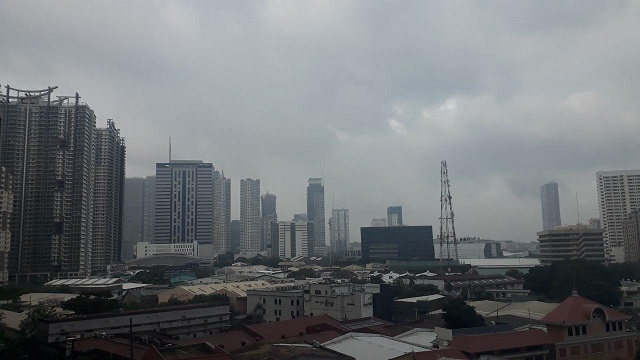
Haze happens when dust and/or other air pollutants which cannot be seen by the naked eye interacts with sunlight. It reduces visibility and gives the sky a grayish hue, which can also be orange when the sun is setting.
These pollutants can come from a variety of natural (dust or wildfire soot, for example) and manmade sources (motor vehicles, fuel burning, etc.)
"More pollutants mean more absorption and scattering of light, which reduce the clarity and color of what we see," the U.S. Environmental Protection Agency said.
Haze can trigger wheezing and difficulty of breathing, which can lead to respiratory problems or even respiratory failure, Department of Health's Special Adviser for Non-Communicable Diseases Tony Leachon told TV Patrol. It can also cause irritation to the eyes, nose, and throat.
Air pollution is the third highest risk factor driving death and disability due to non-communicable diseases (NCDs) in the Philippines, and is responsible for 66,230 premature deaths per year, according to the Centre for Research on Energy and Clean Air (CREA). It is also cited as the leading environmental risk to health.
"Such impacts could be greatly reduced with cleaner air quality in the Philippines, demonstrating that any reduction in air pollution is important," it said.
How to protect yourself from haze
While it's still safe to go outdoors with haze present, It's recommended to follow these pointers:
- Wear a N95 mask if you have to be outdoors for several hours to reduce exposure
- Drink plenty of water
- Vulnerable groups like those with chronic lung or heart disease, the elderly, and pregnant women should avoid or minimize outdoor activities