

NASA's Climate Alert and What to Do About It
We don't want to make the same mistakes this year.
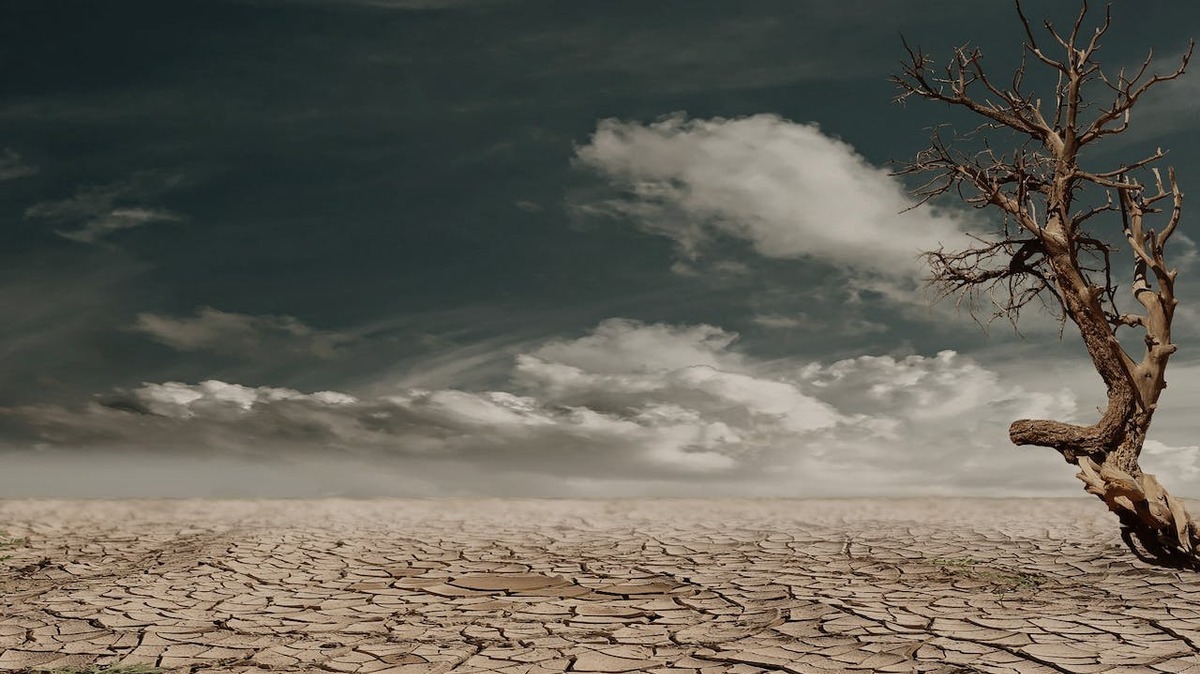
(SPOT.ph) Global warming continues to be a pressing issue, with recent data confirming 2023 as the warmest year on record. This article delves into NASA's findings, exploring the implications for our planet and the steps being taken to address this environmental challenge.

Understanding Global Temperature Records
The Earth's average surface temperature in 2023 has set a new record, according to NASA's Goddard Institute for Space Studies (GISS). With a 2.1°F increase above the mid-20th-century average, this year surpasses previous records, highlighting a concerning upward trend in global warming.
Human-induced emissions are the primary driver of this warming trend. The burning of fossil fuels releases greenhouse gases, which trap heat in the atmosphere, leading to increased global temperatures.
While human activity is the main culprit, natural factors like El Niño and La Niña also contribute to yearly temperature fluctuations. Understanding these patterns is crucial for accurate climate modeling.
Factors Contributing to Climate's Rising Temperatures
The primary factors contributing to rising temperatures, commonly referred to as global warming, include both natural processes and human activities. Here's a list:
- Greenhouse Gas Emissions. The most significant driver of recent climate change is the increase in greenhouse gases in the Earth's atmosphere due to human activities, especially the burning of fossil fuels (coal, oil, and natural gas), deforestation, and industrial processes. This leads to the greenhouse effect, where these gases trap heat from the sun, causing the Earth's temperature to rise.
- Deforestation. The removal of forests for agriculture, urban development, or other purposes reduces the planet's capacity to absorb carbon dioxide (CO2), a major greenhouse gas, contributing to higher atmospheric CO2 levels.
- Industrial Processes. Many industrial activities emit a variety of greenhouse gases, such as methane, nitrous oxide, and fluorinated gases, which have a strong warming effect.
- Agriculture. Farming practices, particularly those involving livestock such as cattle, produce significant amounts of methane, a potent greenhouse gas.
- Waste Management. Decomposing waste in landfills produces methane. Inadequate treatment of waste can lead to the release of various greenhouse gases.
- Land Use Changes. Urbanization and changes in land use can alter the reflectivity of the Earth's surface, leading to local temperature changes that can have broader climatic effects.
- Natural Factors. While human activity is the main driver of recent global warming, natural factors such as volcanic eruptions, variations in the sun's energy output, and natural climate patterns like El Niño and La Niña also play a role in influencing the climate. However, these natural factors cannot account for the current warming trend observed over the past century.
To address these challenges and curb the rise in global temperatures, efforts are being made worldwide to reduce greenhouse gas emissions, transition to renewable energy, improve energy efficiency, and enhance carbon sinks through reforestation and other measures.
Climate Change's Impact to Us
Climate change has a profound impact on various aspects of human life, health, agriculture, and economies around the world.
- Health. Increased temperatures can lead to heat stress and worsen air quality, exacerbating respiratory and cardiovascular diseases. Extreme weather events, such as heatwaves, storms, and floods, can cause injuries, mental health issues, and disruptions to healthcare services. Moreover, climate change can alter the patterns of infectious diseases, including vector-borne diseases like malaria and dengue fever.
- Agriculture. The agricultural sector is highly sensitive to climate change. Changes in temperature, precipitation patterns, and extreme weather events can affect crop yields, reduce the nutritional quality of food, and increase the prevalence of crop diseases and pests. These changes can threaten food security and the livelihoods of farmers, especially in regions that are already vulnerable to food shortages.
- Economy. The economy is closely tied to climate, with sectors such as agriculture, fishing, forestry, and tourism being particularly vulnerable to climate change. Economic losses can occur due to direct impacts, such as damage to infrastructure from extreme weather events, or indirect impacts, such as decreased productivity in heat-affected industries. In addition, climate change can exacerbate existing social and economic inequalities, as disadvantaged communities are often the least able to adapt to and recover from climate-related damages.
- Social and Economic Conditions. Climate change can have broad social implications by displacing populations due to sea-level rise, extreme weather, and droughts, leading to climate refugees and increased conflict over scarce resources. It also affects economic conditions by impacting energy costs, insurance premiums, and the availability of water and other natural resources essential for economic activities.
Renewable Energy and Sustainable Practices
Renewable energy sources, including solar, wind, geothermal, hydro, and biomass, are key to reducing greenhouse gas emissions, which are a major driver of global warming. Here's how these sources contribute to a more sustainable future:
- Solar Power. Solar energy is harnessed using photovoltaic cells or concentrated solar power systems. It's a clean and abundant source of energy that can be deployed at various scales, from small residential setups to large utility-scale solar farms.
- Wind Energy. Wind turbines convert wind’s kinetic energy into electrical energy. Wind farms can be located onshore or offshore and are increasingly cost-competitive with traditional fossil fuels.
- Geothermal Energy. This energy is derived from the natural heat of the Earth. It can be used for electricity generation or direct heating applications and provides a stable and reliable source of energy.
- Hydropower. Hydroelectric power uses the flow of water to generate electricity. It's the most established renewable energy source and can adjust to demand fluctuations relatively quickly.
- Biomass. Organic materials like wood, agricultural residues, and animal waste can be converted into energy. Biomass can be used for heating, electricity generation, and as biofuels for transportation.
Sustainable practices complement the renewable energy sources by focusing on energy efficiency, conservation, and the development of smart grids that can integrate various sources of renewable energy and manage electricity demand more effectively.
Some sustainable practices include:
- Energy-efficient buildings and appliances.
- Electrification of transportation, such as electric vehicles.
- Improved public transport and infrastructure for non-motorized transport (cycling, walking).
- Reforestation and afforestation projects that act as carbon sinks.