

PHIVOLCS: ‘The Big One’ Could Kill Over 50,000 in Metro Manila
Just how prepared are we as a nation?
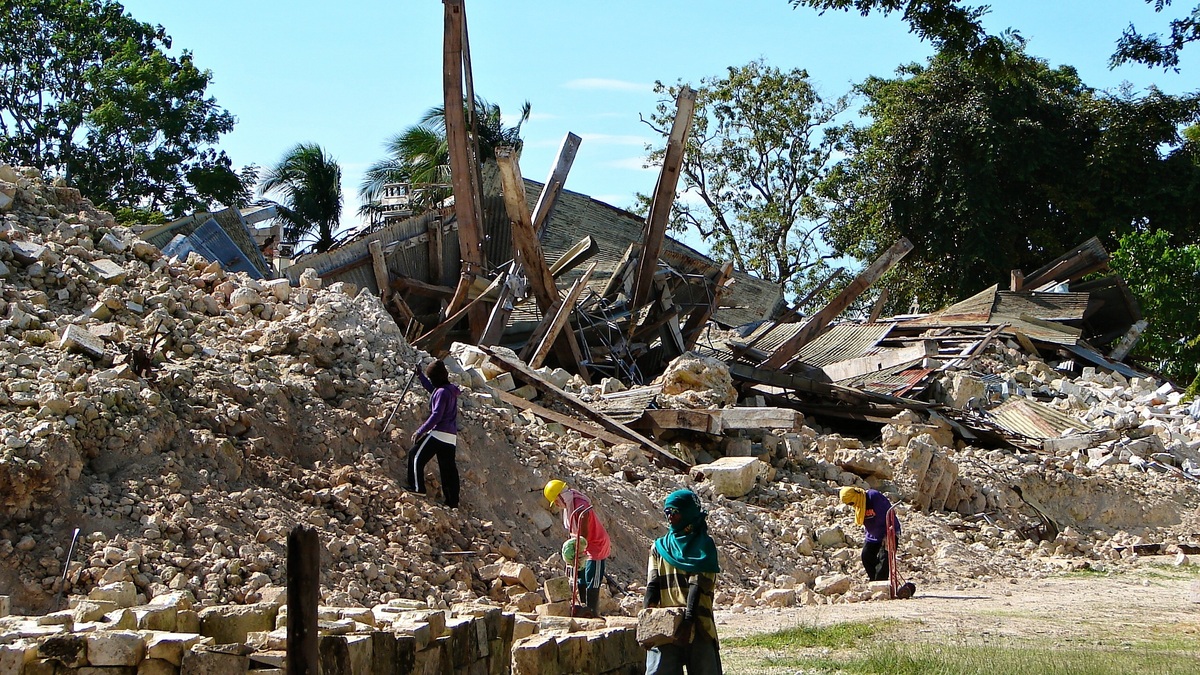
(SPOT.ph) Following powerful earthquakes across Southeast Asia, the Philippine Institute of Volcanology and Seismology (PHIVOLCS) is once again sounding the alarm: the Philippines could be next.
A catastrophic magnitude 7.2 earthquake known as “The Big One” could kill a total of 50,000 people, according to the latest projections from PHIVOLCS. The agency emphasized that these are not predictions but possible scenarios based on scientific studies—as no current technology can accurately predict when or where an earthquake will happen.
“Ang mga scenario na ito ay hindi prediksyon o pananakot. Ito ay dapat gamiting gabay para sa tama at sapat na paghahanda,” PHIVOLCS reminded the public in a post.
Also read: At the Cinema or in Transit? What to Do During an Earthquake, Wherever You Are
What to expect when The Big One hits
PHIVOLCS Director Dr. Teresito Bacolcol told GMA News that the West Valley Fault is ripe for movement. The fault has shifted four times over the last 1,400 years—once every 400 to 600 years—which is why experts believe “The Big One” could occur within our lifetime. Once it slips, Bacolcol said it could result in 33,500 deaths from the earthquake, with an additional 18,000 deaths from fires. Around 100,000 people could also be injured.
For Office of Civil Defense (OCD) Undersecretary Ariel Nepomuceno, the Philippines is not yet ready for this: “By 2050, papasok na tayo sa 400 years. Hindi natin pwedeng pagandahin 'yang sagot. Kailangang maghabol tayo talaga.”
PHIVOLCS estimates that in a worst-case scenario, around 168,000 buildings could partially or fully collapse. Around 12% to 13% of residential homes in Metro Manila are at risk of major damage. Among mid-rise structures (10 to 30 stories), 11% could be heavily affected, while among taller high-rises (30 to 60 stories) 2% could suffer damages.
“’Yung lindol naman ay hindi ‘yan nakakamatay, but human-built structures such as buildings, walls, bridges, may claim lives. So we really have to make sure we follow the building code,” Bacolcol said.
The West Valley Fault stretches about 100 kilometers and runs through highly populated locations, including Quezon City, Marikina, Pasig, Taguig, and Muntinlupa. This makes it one of the most dangerous faults in the country.
But it’s not the only one—and it’s not even the strongest.
“Mas mataas pa ‘yung mga earthquake generators. Tayo, may mga active faults that are capable of generating higher magnitude earthquakes,” Bacolcol said. He cited two major threats: a magnitude 8.1 earthquake along the Philippine Trench near Samar that could trigger tsunami waves up to 9 meters high and a magnitude 8.2 earthquake from the Manila Trench that could severely affect Western Luzon.
As recent earthquakes around the region have shown, it's not a matter of if the Big One will strike but when. Best be prepared when the time comes.
Also read: Is Your House Safe From Earthquakes? Phivolcs Has an App for That