
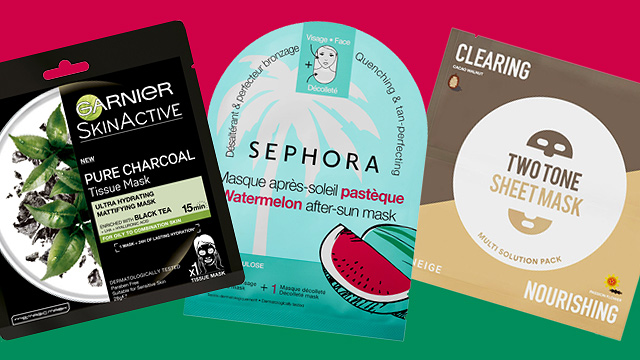
Shopping for a new sheet mask? It helps to not just read which serums or essences are there in a pack. They don't just do all the work; the mask's material matters, too!
To help you choose from microfiber, charcoal, hydrogel, and bio-cellulose masks, here's a guide you can turn to every time you're shopping for your stash!
Cotton or Microfiber Sheet Masks
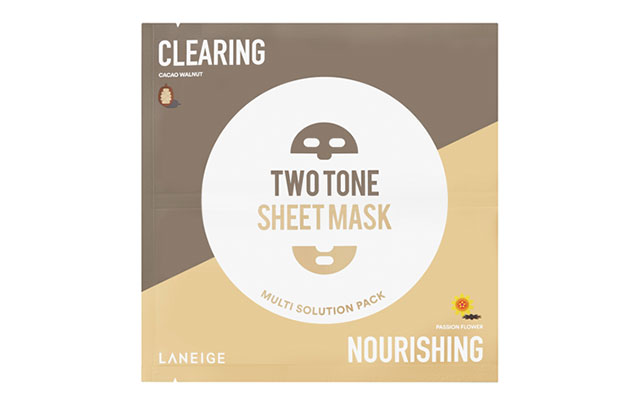
The most common and known type, microfiber or cotton sheet masks are widely available and affordable—making them easier to hoard. They're usually white and are drenched in transparent serums and essences.This microfiber sheet mask is separated into two: The top sheet works to control your pores' sebum production, while the bottom sheet provides the skin with radiance and nourishment.
Available on Lazada.
Hydrogel Sheet Masks
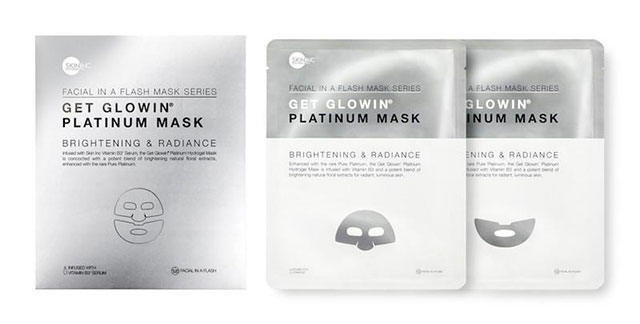
Hydrogel sheet masks are like stickers—they adhere to the skin better compared to microfiber masks. This is because they're more flexible, which means you won't have to worry about them slipping and sliding around your face!
Available on Sephora.
Bio-Cellulose Sheet Masks
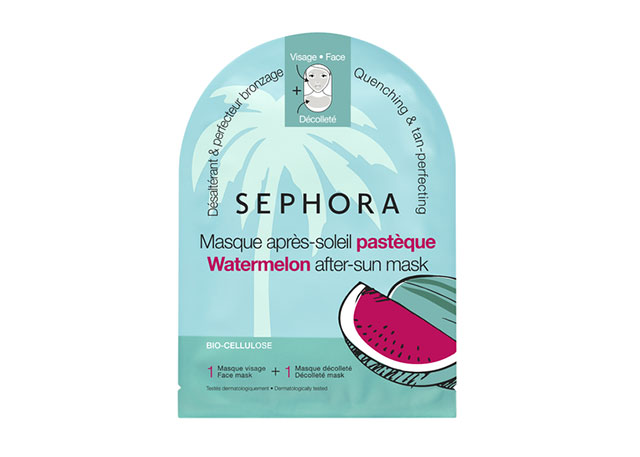
A bio-cellulose mask feels like second skin. The material is super thin and flexible, allowing it to fit all the unique contours of your face. Bio-cellulose can also hold and dispense more moisture, so your skin will be able to soak up all of the mask's amazing ingredients!
Available on Sephora.
Charcoal Sheet Masks
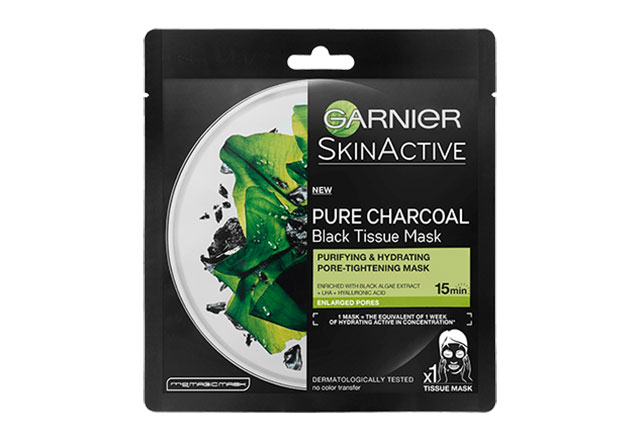
Charcoal sheet masks are made with microfiber that often come in black and are infused with—you guessed it—charcoal. A charcoal-infused sheet helps your skin absorb the masks' serums and essences, and draws out impurities and bacteria from your pores. It's like a clay mask and hydrating mask in one.
Available on Lazada.
Cosmo.ph. Minor edits have been made by the editors.