Follow us!
© 2026 Spot.PH

NPC Seal of Registration

Spot.ph has been granted the NPC Seal of Registration in recognition of the successful registration of its DPO and DPS

Bonnie's Tailoring: The Kamuning Market Shop Dressing Up VIPs


Published Dec 29, 2024

(SPOT.ph) It takes only a short stroll around the area and you’ll recognize the unmistakable hum of sewing machines. This particular corner of Quezon City is home to a wide range of products—from fresh produce to colorful dasters to all sorts of household items—but it is the fabric stores and tailor shops that are among its main draws. Welcome to Kamuning Market. Folks from all over Metro Manila flock to this chaotic palengke to buy custom-made formalwear for weddings and other special occasions. Textile-related shops are everywhere in and around the immediate vicinity.

But there’s one shop that’s been able to stand out from the rest over the years.
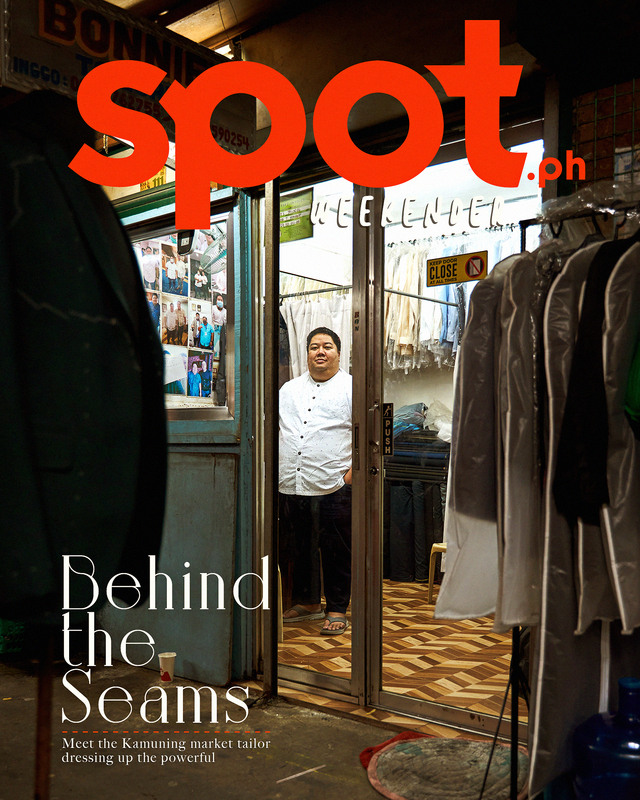
Spot Weekender Kamuning Tailor cover
PHOTO BY JL Javier cover desigN Warren Espejo

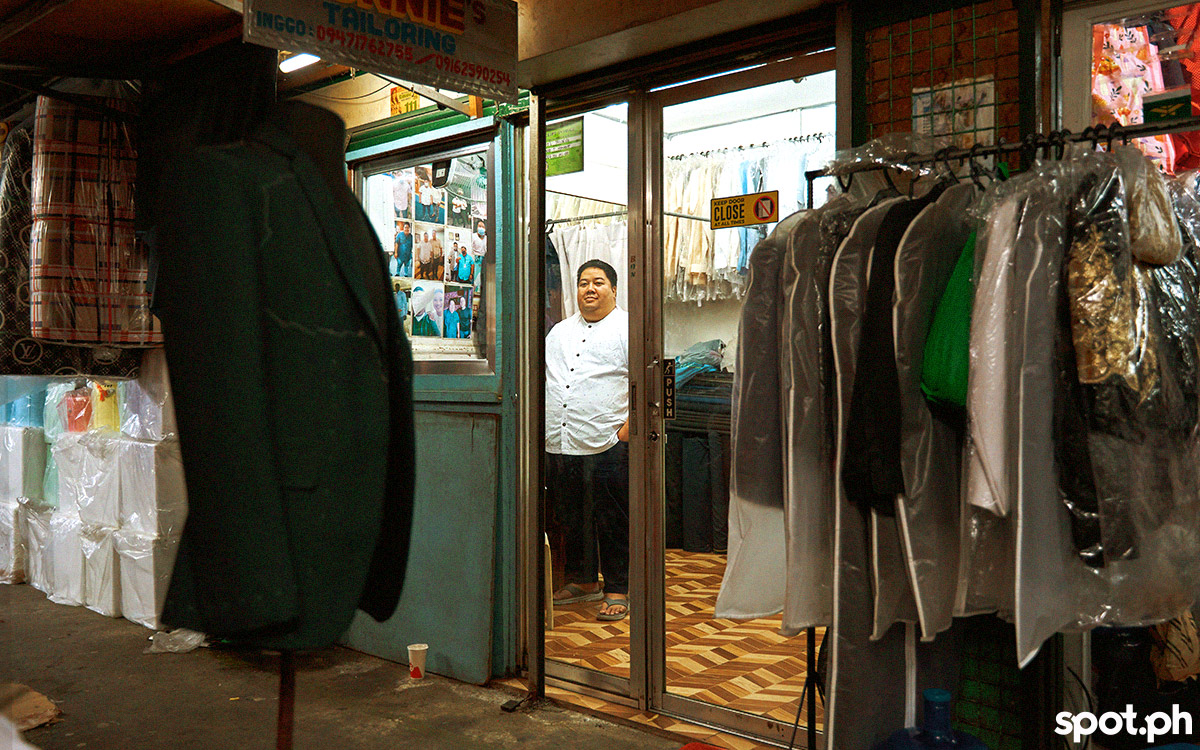
Tucked in a cluster of other tailoring shops in this ever-buzzing market is Bonnie’s Tailoring. At first glance, nothing really sets it apart; it’s the same tiny and unassuming space, with a flimsy curtain pulled close to create a makeshift dressing room. Barongs and suits hang from the ceiling (and piled on the makeshift wooden bench) as a soon-to-be-groomsman checks himself in the mirror during a fitting.

Goma, Atty. Chel, et al

Owner and manager Domingo “Inggo” Manabat nods in acknowledgement as I step in—but the 37-year-old doesn’t miss a beat in his exchange with his customer. The first time I met Inggo, he told me, “Mahiyain po ako.” It wasn’t an apology; more of an explanation for his reluctance to be featured in an article as the face of Bonnie’s. He was also visibly reluctant to allot time for something other than a potential client: from the beginning, it was clear that if a prospective customer wanders into the shop, Inggo will readily turn his attention to him or her.
Article continues after this ad.
ADVERTISEMENT - CONTINUE READING BELOW
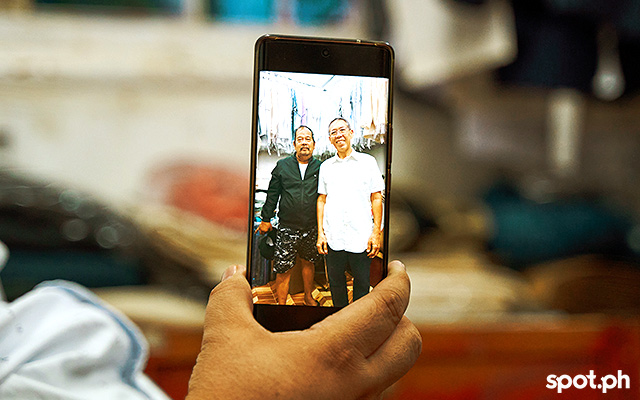
Mang Bonnie Manabat and Atty. Chel Diokno photo being shown via phone camera.
A photo of Mang Bonnie Manabat with human rights lawyer Atty. Chel Diokno.
PHOTO BY JL Javier

With over three decades in tailoring, the Manabat family knows only too well to put their clients first. It’s perhaps one of the reasons they’ve been in the business for a long time, and why they’re trusted by all kinds of suit- and barong-needing individuals, from the everyday office worker to the Very Important Politician.

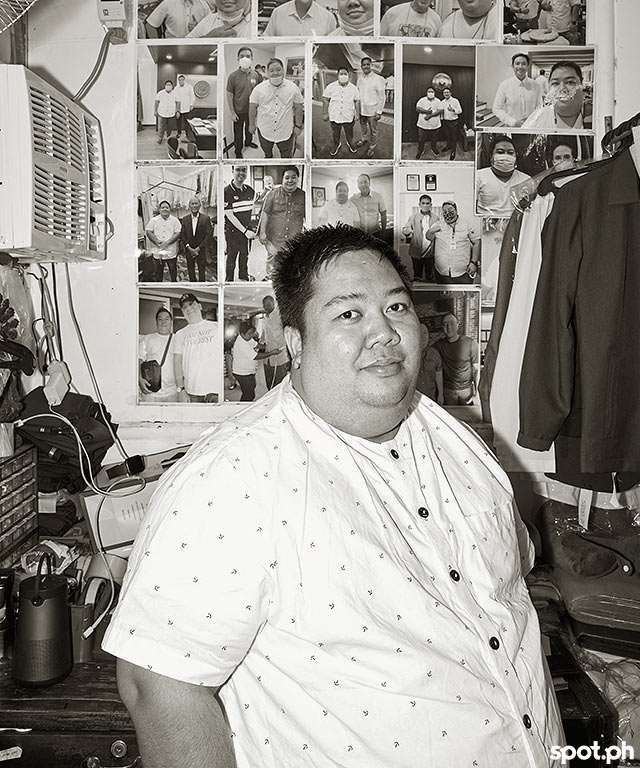
Behind Inggo’s desk, a wall displays photographs of the many famous faces Bonnie’s has dressed. Richard Gomez counts as one of their most well-known customers, but the Cayetano siblings are regulars, too. In fact, Senator Alan Peter was among the first high-profile individuals Inggo has made clothes for. Atty. Chel Diokno also drops by every now and then to update his formalwear. “Kanina nandito siya,” Inggo tells me.

This short sampling of Inggo’s clientele speaks volumes of the quality of the work at Bonnie’s Tailoring. And behind the high profile list of sukis is a humble origin story.
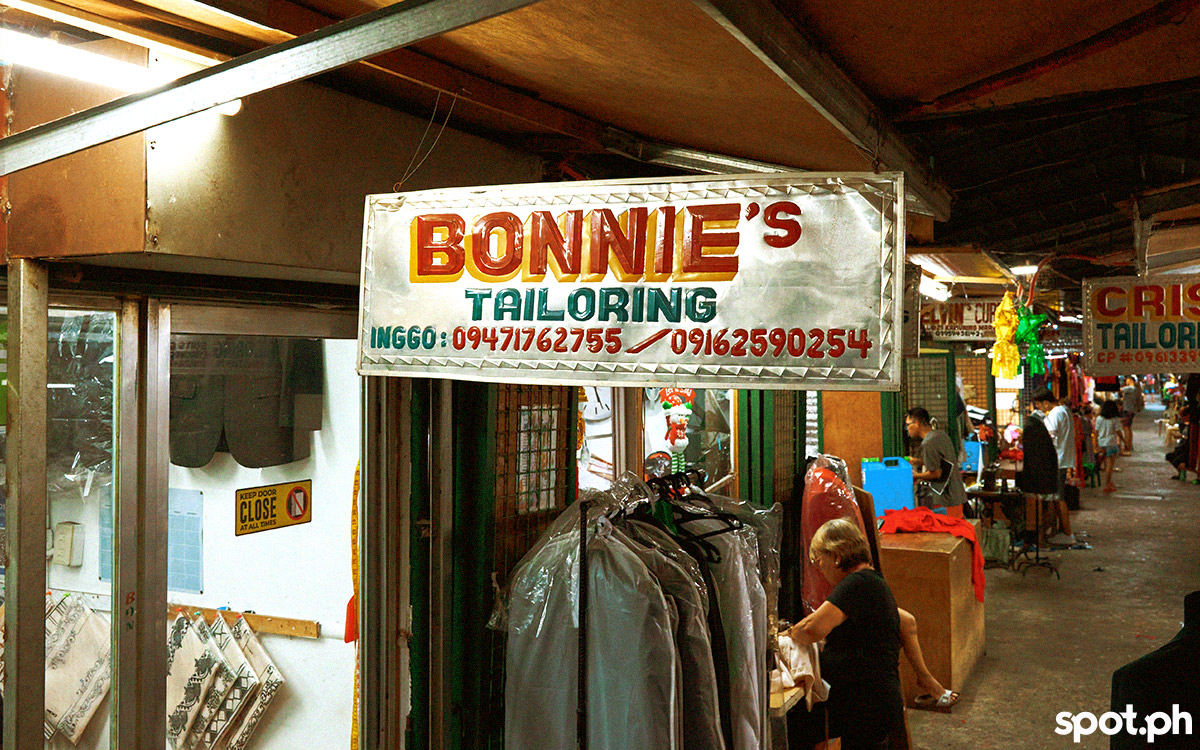
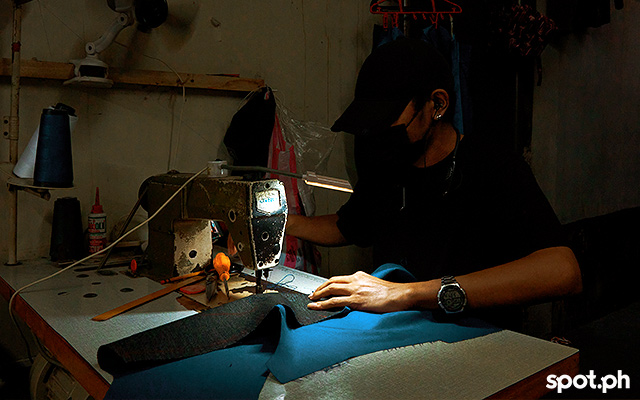
PHOTO: JL Javier

The Manabats of Pampanga

Although the Manabat family is now fully entrenched in Kamuning Market, they’re not really Quezon City natives. They are from Pampanga, and it was only the work that brought them to Metro Manila. Rather, it was their patriarch, the tailor Bonifacio “Bonnie” Manabat, who founded the shop.

Article continues after this video.
ADVERTISEMENT
watch now

“Ang trabaho niya sa Pampanga yung pahulugan, mga phone, divider,” says Inggo of how his father started. But at one point, Mang Bonnie’s brother, took him under his wing and taught him how to measure, cut, and sew. “Hanggang sa natuto siya. Naglakas loob magtayo ng shop.”

Also read: The Most Beautiful Retail Stores in Manila, From Atmos to Ikea

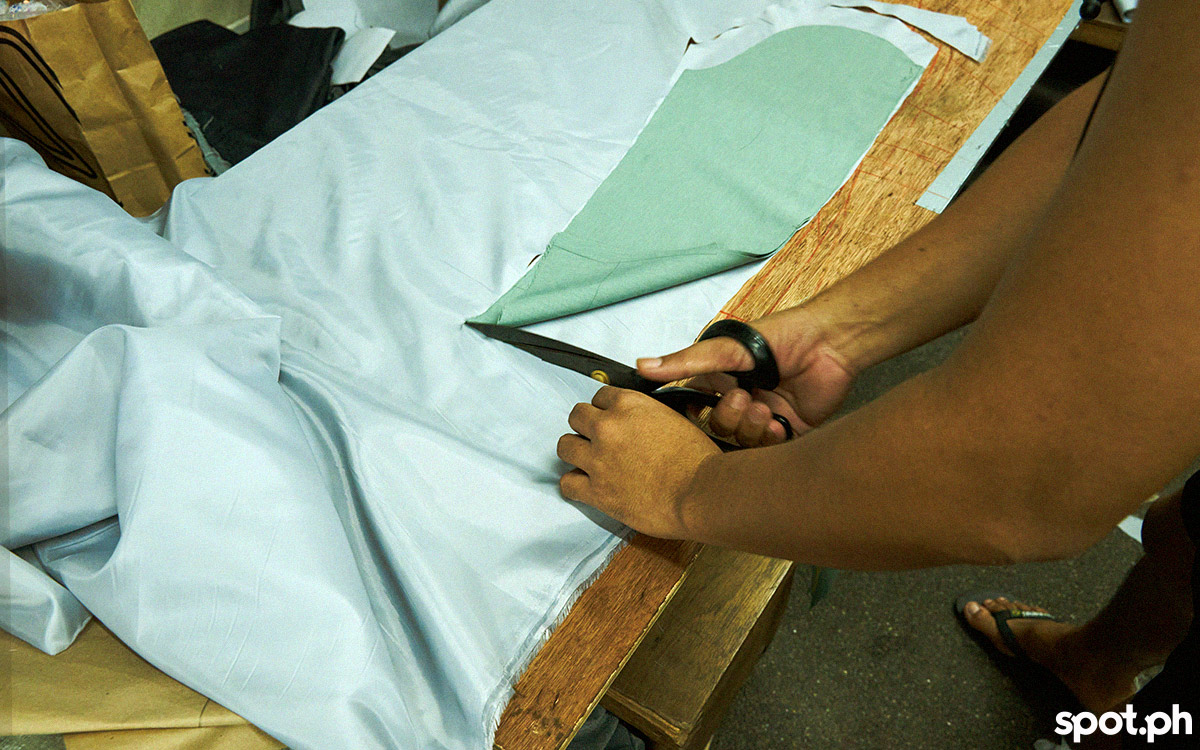
Mananahi inside Bonnie's Tailoring
One of the mananahis at Bonnie's Tailoring. While a well-made barong Tagalog can be completed in just two days, a suit requires more than a week to finish. 
PHOTO BY JL Javier

It was in the 1980s when Bonnie set up his tailoring business—none of the Manabat siblings remember the exact year, only that Bonnie’s Tailoring was already up and running by the time their youngest brother was born in 1990. At the time, Kamuning Market wasn't the ever-buzzing center it is today, but business chugged on steadily. It ran well enough that Bonnie eventually took then-10-year-old Inggo to Manila to help out at the shop. “Pag wala kasi tatay ko, patay na yung shop. Walang mag-entertain, walang magsusukat.”

A self-proclaimed “batang palengke,” Inggo didn’t take to the tailoring life as easily as his father did. Instead of helping out at the shop, he would roam the market and find other things to do. “Nag-aaral ako, namamasukan ako sa gulayan, nagkakatay ako ng manok.” As a young boy, he even got in the crossfires of a police raid. Inggo recalls gamblers fleeing from the police in the other end of Kamuning Market, and then finding himself caught in the frenzy. “Nagtatakbuhan sila, naghahabulan kami. Ayun, nahuli ako.”

Article continues after this ad.
ADVERTISEMENT - CONTINUE READING BELOW
Inggo Manabat
Inggo is a self-confessed "batang palengke." It took a while before he got seriously into the family business, choosing instead to dabble in the gulayan, or pagkatay ng manok when he was younger. Check out the wall filled with photos of their prominent customers. 
PHOTO BY JL Javier

Health issues also challenged Inggo; soon after he came to Metro Manila, he got a serious case of tuberculous meningitis. Two decades later, he was admitted in the ICU for COVID-19—doctors were alarmed enough to intubate him. Inggo calls himself and his family survivors. Before the pandemic, his mother underwent an operation from a brain aneurysm. And his father, Bonnie? Angioplasty.

“Sa totoo lang, lahat kami survivor ng sakit.”

But as always, the little shop kept on chugging. Despite the rocky beginning, Inggo eventually took up the mantle. Nowadays, managing the shop and handling the clients occupy most of his time. Although he previously learned how to cut and design patterns, he says he’s forgotten most of the processes in the wake of his multiple illnesses.

Which is fine; the OG is still on board, after all. Bonnie—who’s even shyer than his son—remains the main cutter at Bonnie’s Tailoring, although he prefers to spend time at their second shop across Kamuning Market, keeping a safe distance from the main shop’s steady stream of customers. Nearly all of the seven Manabat siblings are knowledgeable in tailoring, although some have broken away to start their own small businesses different from the clothesmaking practice.

Article continues after this ad.
ADVERTISEMENT - CONTINUE READING BELOW

PHOTO: JL Javier

Word of mouth, genuine connections

Success just seemed to trickle in for Bonnie’s Tailoring through the years. The family nurtured genuine relationships with the people they dress, fostering loyalty and generating a steady stream of referrals.

When asked how he amassed such a distinguished clientele, Inggo shrugs and replies, “Word of mouth.”

He recalls: “Mayroon kasi akong isang customer nung nag-aaral siya hanggang sa maging lawyer siya. Sabi ko sa kanya, Tony, bakit hindi mo ko i-refer kay Alan Peter Cayetano?” It took some time, but the enterprising Inggo eventually received the call to come to the politician’s office to do the fitting. The rest, as they say, is history.

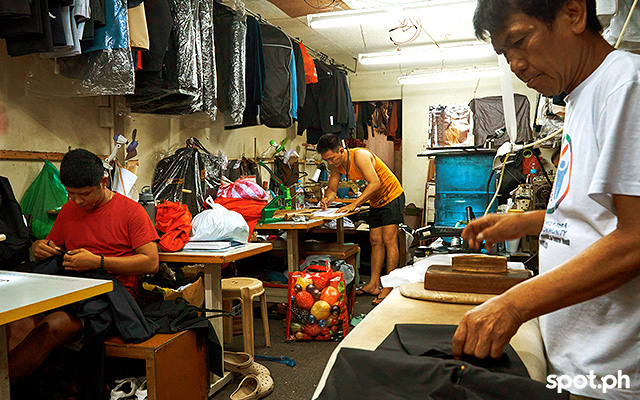
Mananahis at Bonnie's Tailoring
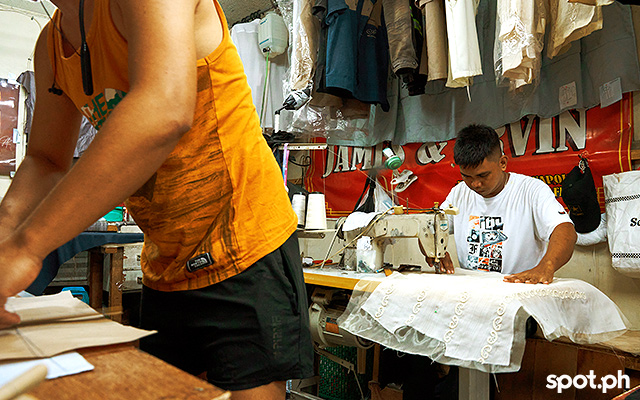
A normal day at Bonnie's Tailoring. Ten workers form the backbone of the business, counting among them suitmakers, barong-makers, trouser-makers, a finisher and a plantsadora. 
PHOTO BY JL Javier

From then on, the tailor’s client base expanded. Lawyers, fraternity members, and politicians end up at Bonnie’s Tailoring, simply based on recommendations. And amazingly, more high-profile clients poured in: Richard Gomez, former National Defense Secretary Delfin Lorenzana, MMDA chief Bong Nebrija, and Atty. Chel Diokno. A few of them, like Diokno, even make the trip to Kamuning Market for fittings instead of requesting a special house call.

It’s not surprising that the chill and affable Inggo has become the face of the family business. While media shy, he’s clearly developed the people skills needed for the family enterprise. The first time I dropped by Bonnie’s, a client told me he met Inggo during a group inuman among common friends. And when it came to scheduling the interview, Inggo himself mentioned that any evening would be fine, except Wednesdays, which he reserves for drinks with his buddies.

PHOTO: JL Javier

Still standing tall at Kamuning Market

The Manabats’ level of success is evident not only in their impressive clientele. These days, they operate two Bonnie’s Tailoring shops in Kamuning, the other conveniently located just outside the market where Mang Bonnie prefers to station himself. Meanwhile, the family matriarch runs another stall within the market, selling toys and other knick-knacks. A small workshop sits a block away from the market, too.

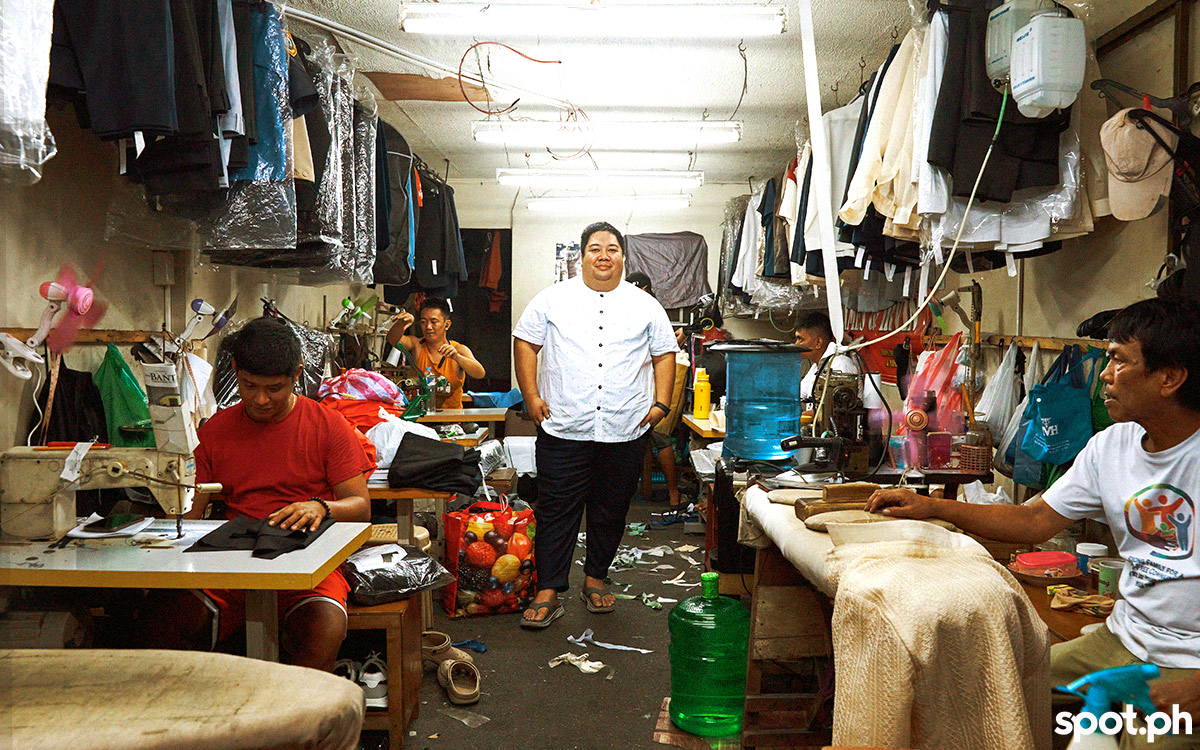
Ten skilled laborers form the backbone of the business, each with a specialized role: “Mayroong nagtatahi ng suit, mayroong gumagawa ng barong, mayroong gumagawa ng pantalon. Tapos may finisher, may plantsadora.” One of the staff members says they work until early evening, then go to bed right there in the workshop before doing it all again the next day.

Mananahis at Bonnie's Tailoring
There's always work to be done at the tailoring shop, what with its steady stream of customers needing all kinds of formal wear and dress-up occasions Filipinos never run out of. 
PHOTO BY JL Javier

It takes a village to make a barong, truly. With the constant stream of customers throughout the year, there’s always work to be done. The affordability of their service is a key factor, too, in the Bonnie’s Tailoring success, for sure; here, prices are attractive enough for regular folk as much as it is for politicians and military officials.

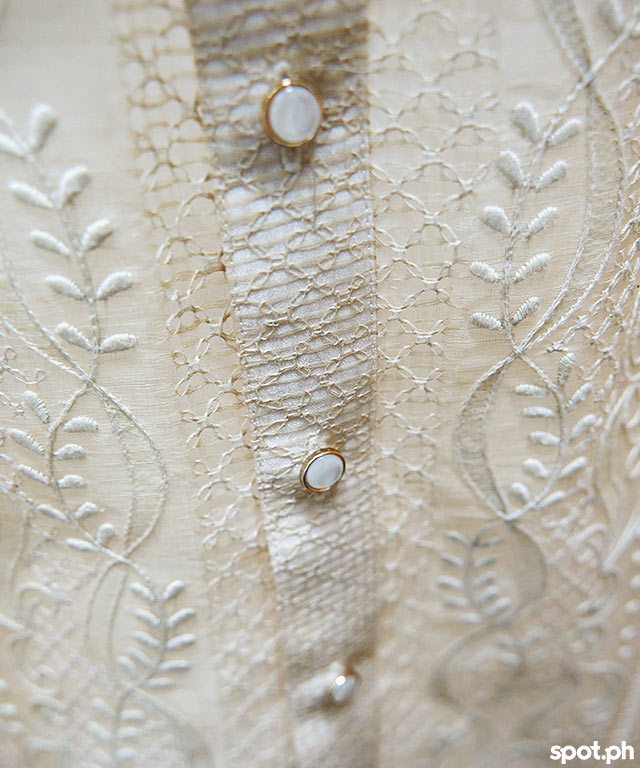
A jusi barong—which Inggo recommends for daily wear since jusi is more durable than delicate piña silk—starts at P6,000, including labor and materials. A piña barong is pricier, and ranges from P15,000 to P45,000, depending on the complexity of the design. Embroidered piña can be significantly more expensive, but that’s because the fabric alone can cost upwards of P35,000.

Barong at Bonnie's Tailoring
The quality of a barong relies ultimately on the fit, says Inggo, and not the expensive material. 
PHOTO BY JL Javier

Suits by Bonnie’s are priced a little higher—a set starts at P10,000—due to the increased labor involved in its creation. While a well-made barong Tagalog can be completed in just two days, a suit requires more than a week of meticulous craftsmanship. (That’s not an invitation for rush orders, BTW. Inggo’s been known to turn away clients with unreasonably tight deadlines. He recalls declining a panicked groom who came to him just three days before his wedding and needing a suit.)

PHOTO: JL Javier

Inggo says the quality of a barong or a suit relies ultimately on the fit than in expensive materials. “Minsan, kahit mumurahin ang tela mo, lalo na sa suit, pag maganda ang fitting niyan, hindi na mapagkakamalang mumurahin yung tela mo.”

Which is most likely the reason people keep coming to their shop in Kamuning. Despite the bustling and ever-changing face of the market, this unassuming shop continues to thrive. From their humble beginnings, the Manabats have cultivated a well-earned reputation for quality and service, one hardworking stitch at a time. So if you’re ever on the hunt for a barong fit for a VIP, we suggest you try Bonnie’s. Just keep this friendly note from Inggo in mind: Don't make an appointment for Wednesday evenings.

Photographs by JL Javier

Also read: Bacolod's Balay Daku: The Art Deco Jewel of Millionaires' Row

Comments

Latest Stories

Load More Stories
Close