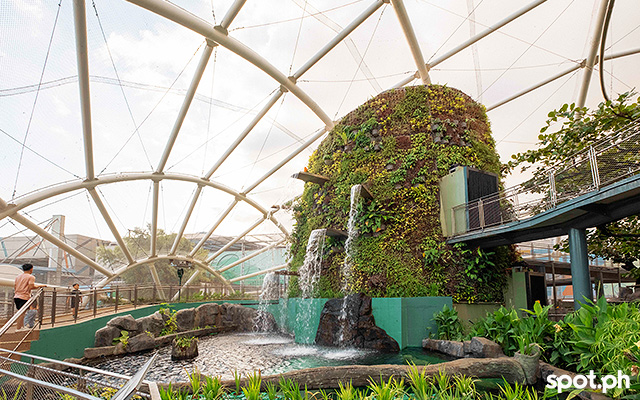
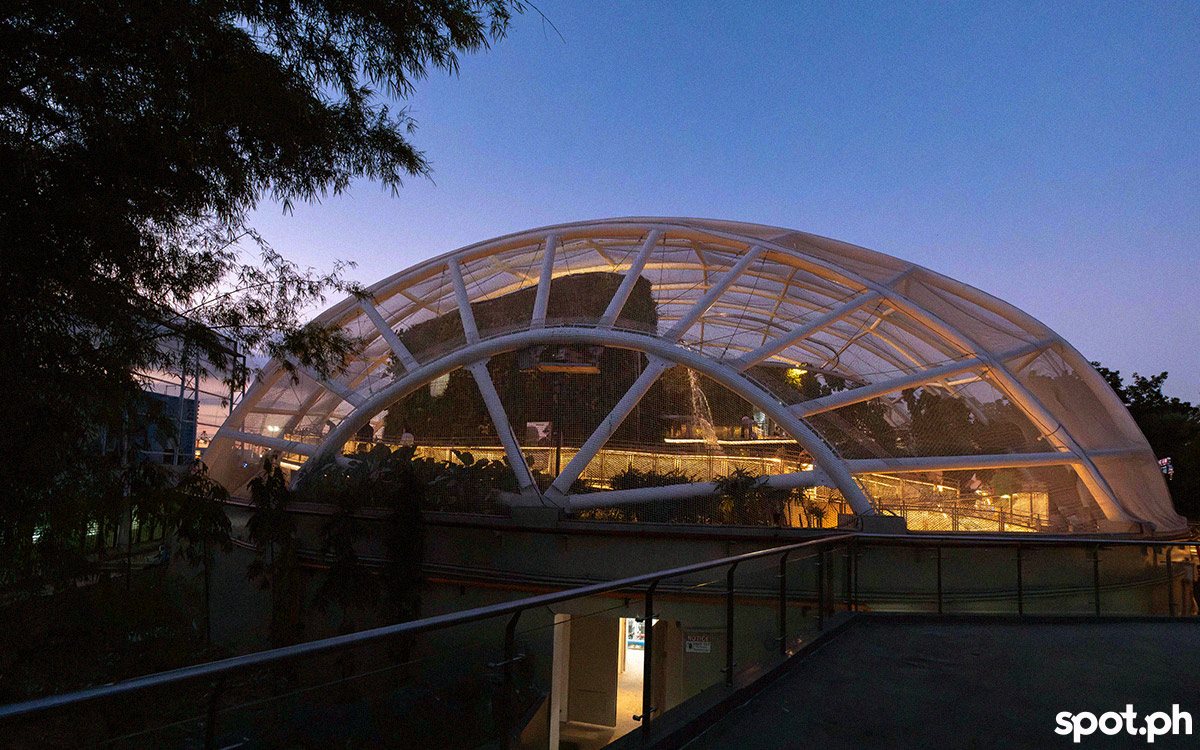
(SPOT.ph) You’ve probably spotted it all over your social media feed: vloggers posing in front of a vertical garden and cascading waterfall while kids gleefully interact with reptiles and exotic birds. Meanwhile, a cheerful voiceover entices you to check out Metro Manila's "latest must-visit destination": thePhilippine Biodome.
PHOTO BY Majoy Siason ILLUSTRATION Warren Espejo
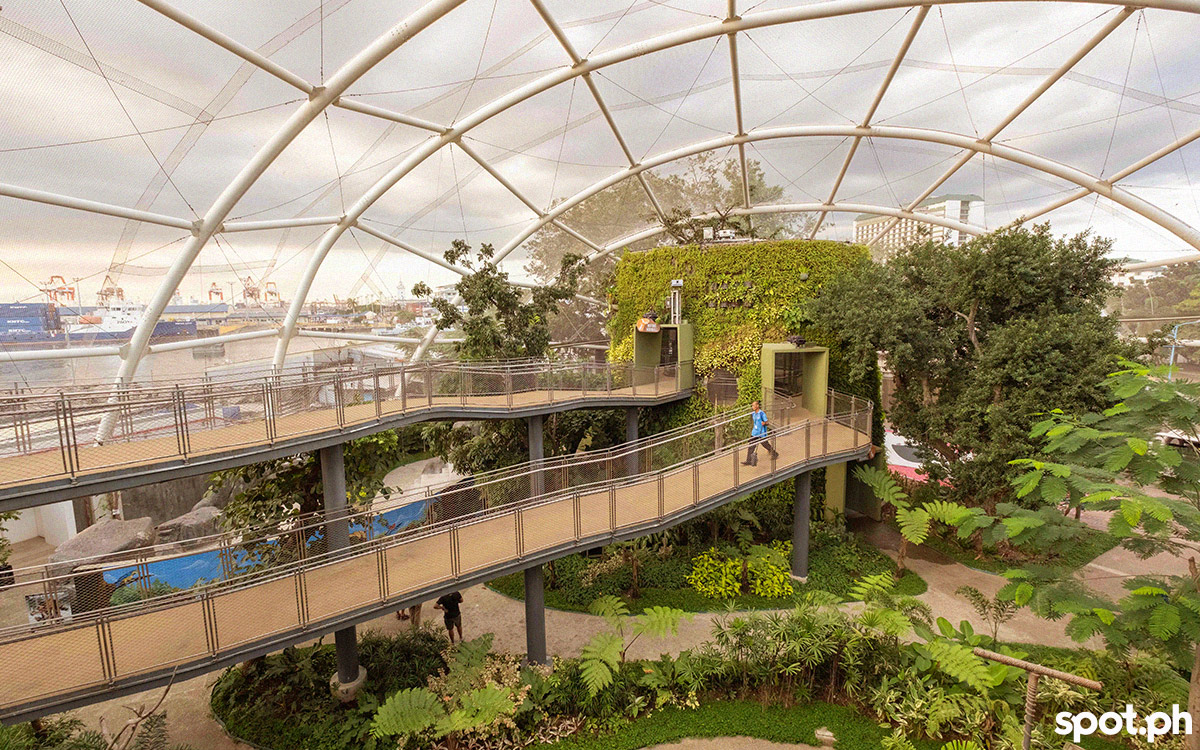
But more than just any "new date spot" or "kid-friendly attraction," the Philippine Biodome is also the city's newest man-made ecosystem, home to over 100 species of flora and fauna.
The Philippine Biodome is an urban sanctuary.
PHOTO: Majoy Siason
Post a Comment
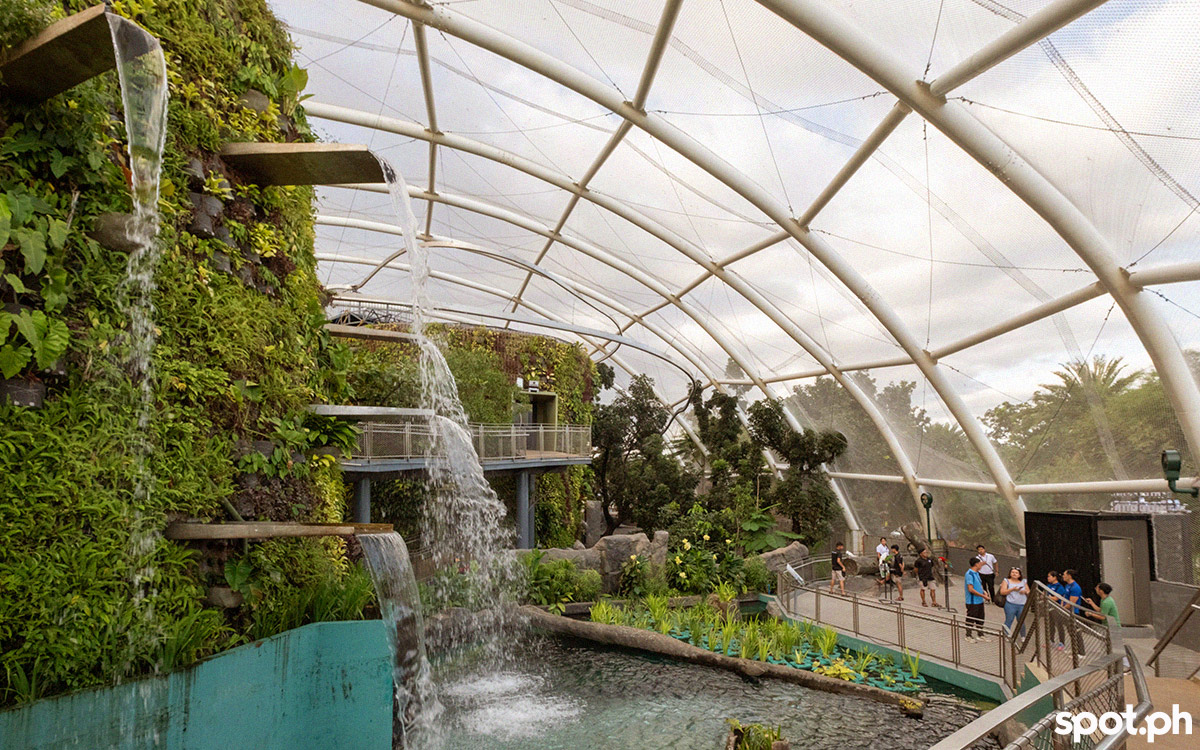
Stepping into the main dome, you already feel a cooler, fresher breeze, with the sound of water cascading from the man-made falls adding to the transportive experience. It's a very "you're not in Kansas anymore" moment, except in this case, Kansas is Ermita's chaotic, urban jungle. The contrast is stark, and that's a good thing.
PHOTO BY Majoy Siason
Article continues after this ad.
ADVERTISEMENT - CONTINUE READING BELOW
You can actually hear yourself think here. You can relax and bask in the comfort of nature without having to travel far. Right within your reach are animals you wouldn't even dream of spotting randomly in the random parks and gardens of Metro Manila, or even its adjacent provinces.
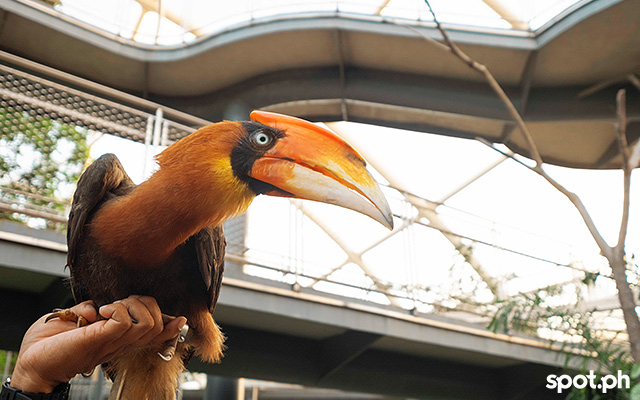
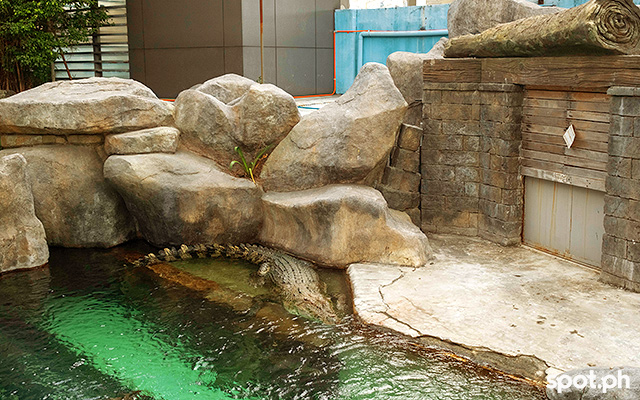
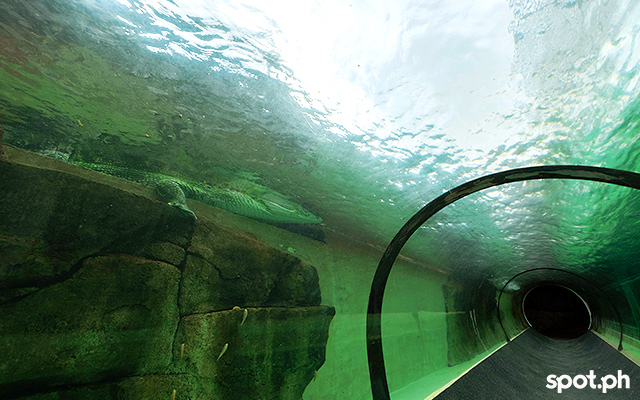
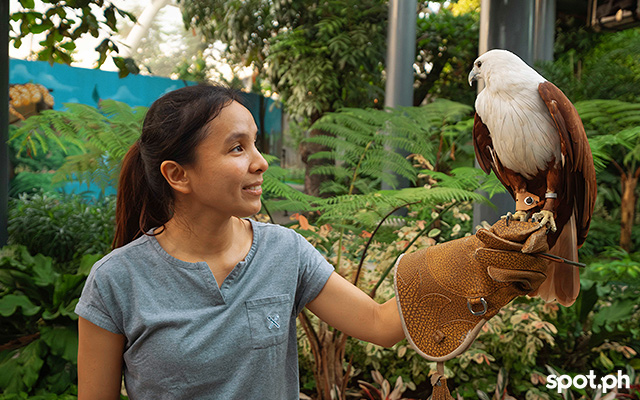
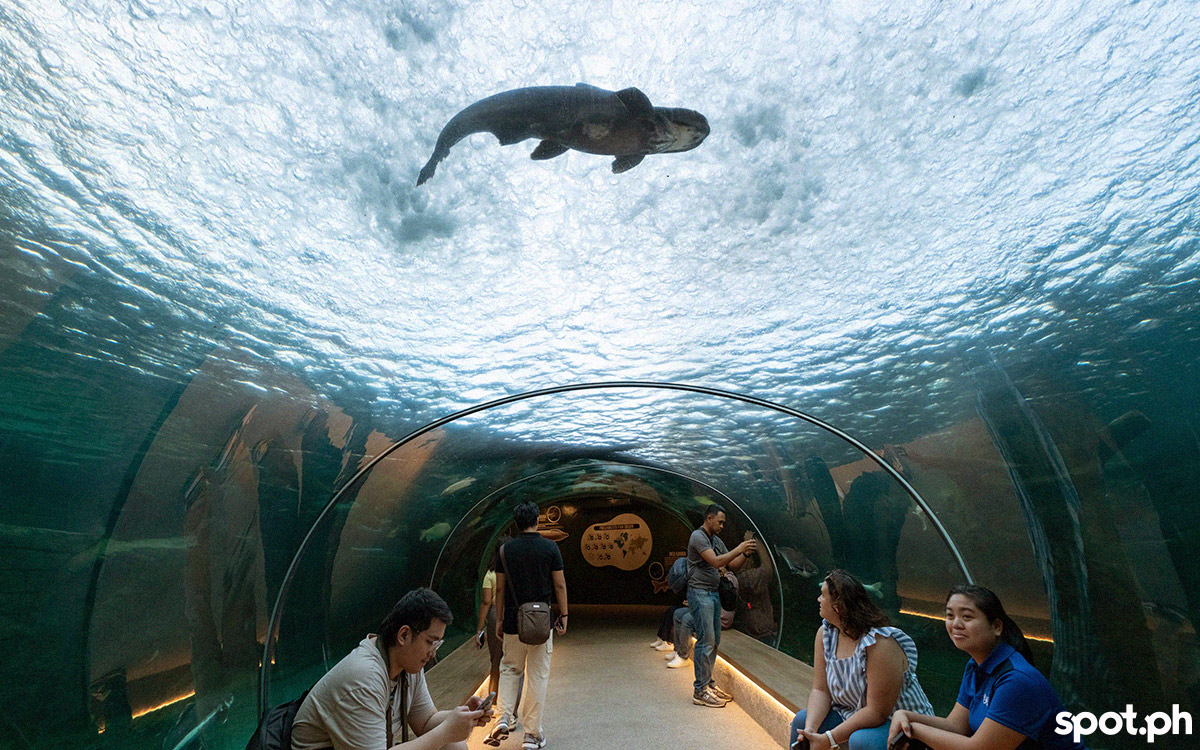
Endemic animals like the Rufous Hornbill and the Philippine Eagle Owl are often released from their cages and allowed to fly about freely around the dome. Giant reptiles and fish like the Saltwater Crocodile and Arapaima can be viewed through panoramic tunnels.
Get to hold and set a Rufous Hornbill to flight at the Philippine Biodome.
PHOTO BY Majoy Siason
A Saltwater Crocodile at the Philippine Biodome.
PHOTO BY Majoy Siason
Article continues after this video.
ADVERTISEMENT
watch now
PHOTO BY Majoy Siason
Don't be mistaken. Not all the animals are endemic or even native to the Philippines, but according to the biodome's management, only about 30 percent were flown in from abroad.
The biodome is proud to say none of these animals were taken from the wild. They come from breeding programs courtesy of conservation groups partnered with the biodome, like the folks at the Mandai Nature Reserve in Singapore. In addition to providing the animals, the folks at Mandai Zoo also helped the Philippine Biodome team by training the local handlers not only to deal with the animals but also to spot behavior and health issues.
PHOTO: Majoy Siason
Post a Comment
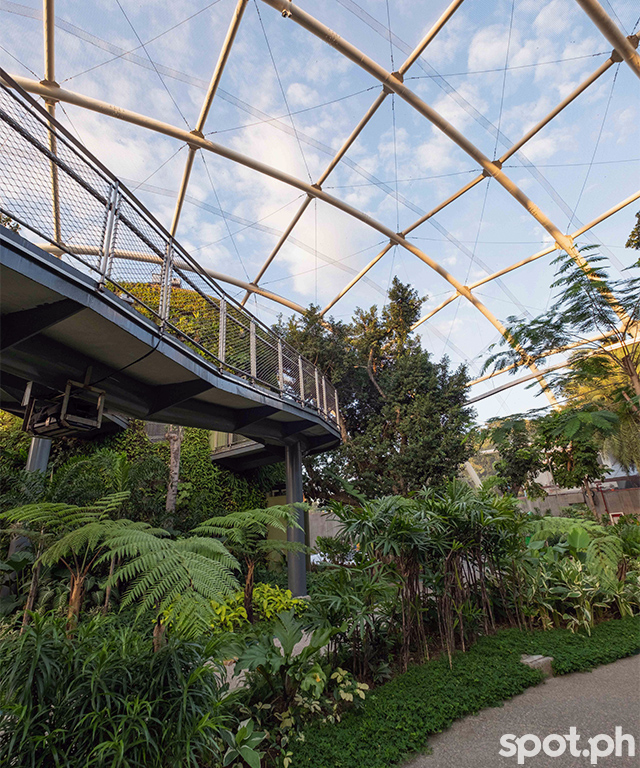
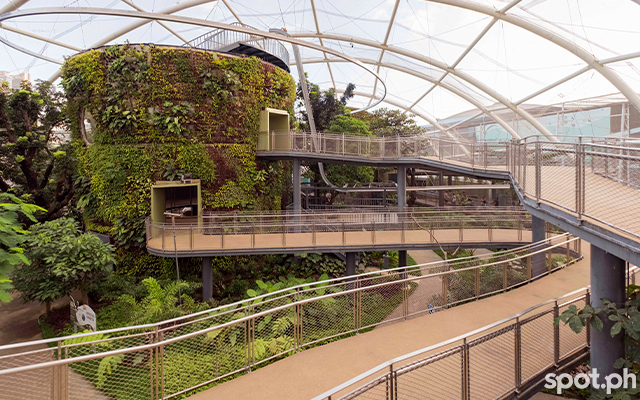
The flora, too, is worth a visit. At the park's center are three towering 13-meter vertical gardens that blend nature with modern design, creating a fusion of sustainability and functionality. Native and non-native plants and trees such as the Pakpak Lawin, Heliconia, Dao, and Balete trees, are mixed together to replicate our forests.
PHOTO BY Majoy Siason
Article continues after this ad.
ADVERTISEMENT - CONTINUE READING BELOW
"Madami pong trial and error na ginawa bago magawa itong dome," a guide tells us. "Minsan kasi, 'di kaya yung init o kaya mali yung kapit ng roots, pero ayan ngayon mukhang okay na siya ngayon. Sana."
PHOTO BY Majoy Siason
According to the biodome team, they had to consult several horticultural groups, including experts from the University of the Philippines, Far Eastern University, and other institutions, to help configure the right combination of plants that would thrive in the ecosystem. Moreover, their animal curatorial team had to work closely with these groups to ensure the plants were safe for the animals and vice versa.
The Philippine Biodome seamlessly blends entertainment with education.
PHOTO: Majoy Siason
Post a Comment
The curation of flora and fauna here is not just for purposes of beautification. The ecosystem embodies the Philippine Biodome's mandate to offer its guests a blend of entertainment and education.
PHOTO BY Majoy Siason
Article continues after this ad.
ADVERTISEMENT - CONTINUE READING BELOW
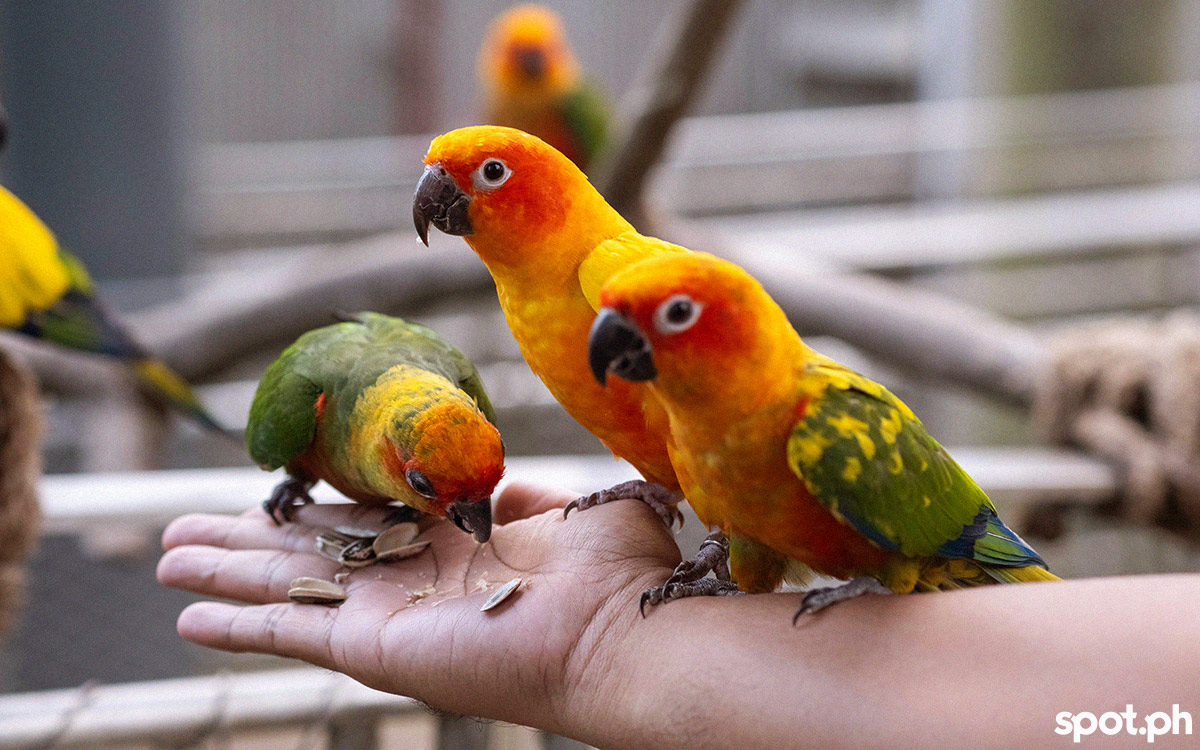
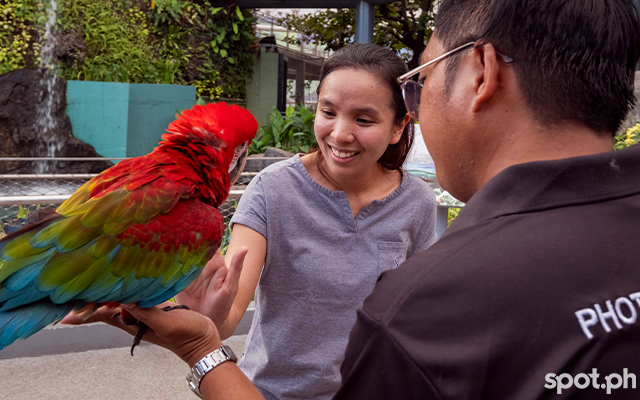
Inside this modern greenhouse ecosystem, guests can have quality interactive wildlife encounters. When in zoos of the past visitors can only watch the animals from afar, here they have the opportunity to touch, feed, and experience animal behaviors in a safe and contained environment, and under the watchful eyes of knowledgeable trainers and animal handlers.
PHOTO BY Majoy Siason
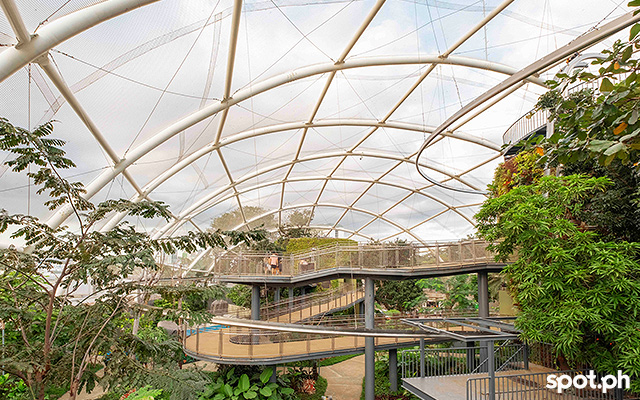
By situating animals with the plants found in their natural environment, you can see how the two interact and thrive symbiotically.
PHOTO BY Majoy Siason
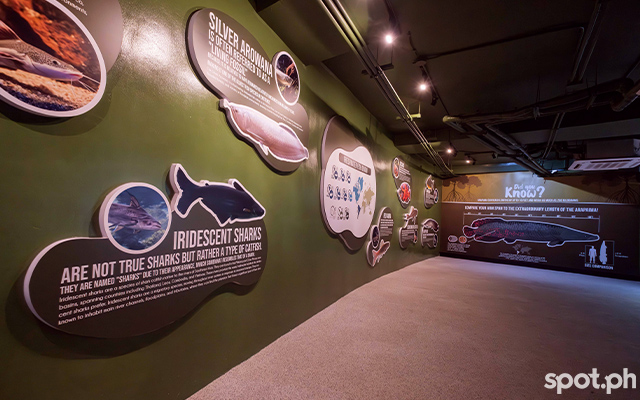
Curious minds will also enjoy the wide array of information available in the premises. Scattered throughout the biodome are fun, easy-to-read infographics about the plants and animals, including information about their origins, behaviors, feeding and care instructions.
PHOTO BY Majoy Siason
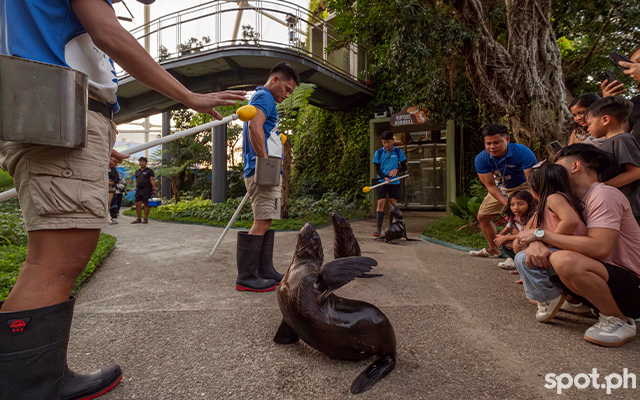
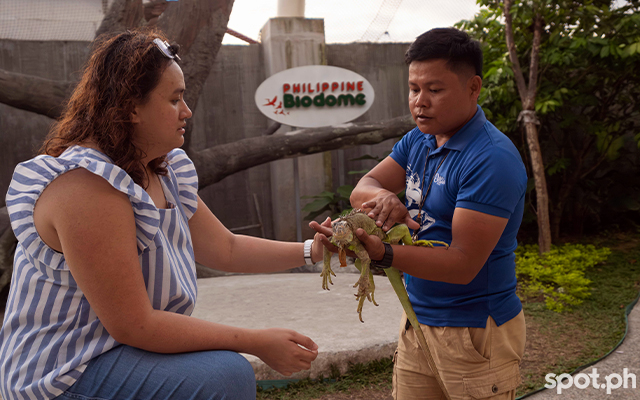
There are also hourly educational show-and-tell sessions during which handlers bring out animals like iguanas, bearded dragons, and pythons to dispel any misconceptions about them.
PHOTO BY Majoy Siason
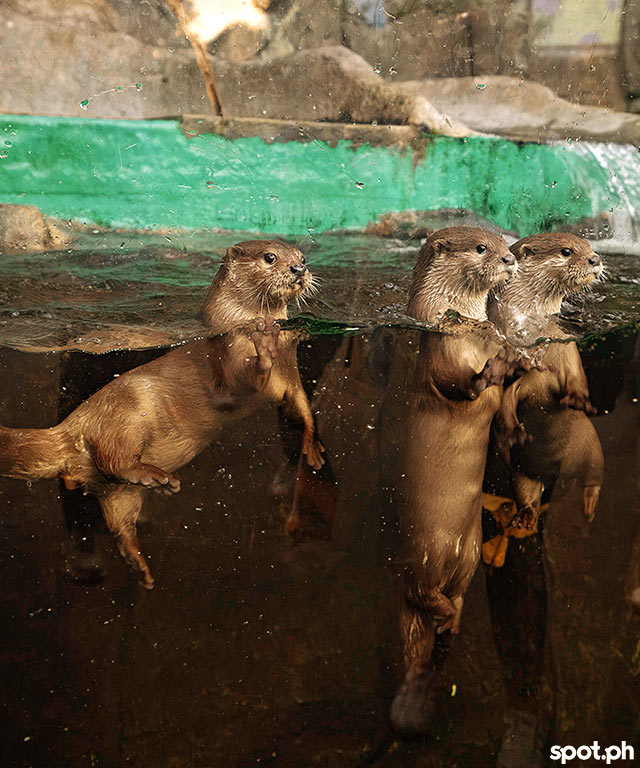
You can ask the guides and trainers questions and they will happily offer fun facts and share quirks about the animals they handle. During our visit, as we were fawning over the adorable Asian Small-Clawed Otters, their handler approached us and pointed out how she could tell each of them apart, letting us in on her personal trick for distinguishing the skinnier male from its energetic female companions. She shared how they were so small when they arrived, and how they got cheekier and smarter by the day.
PHOTO BY Majoy Siason
It was clear a bond has developed between the animals and their handlers, and catching a glimpse of this made our visit even more memorable. They were not just putting the creatures on display. They're members of each other's tribes and it's up to the handlers to actively educate the guests about the plants and animals under their care.
PHOTO BY Majoy Siason
The Philippine Biodome is where nature and innovation converge.
PHOTO: Majoy Siason
Post a Comment
The Philippine Biodome didn't just happen overnight; the project has long been in the works.
"We've been looking at the data, and we know Filipinos want something like Singapore's Gardens by the Bay, Singapore Zoo, and other attractions. But many are not able to travel, so why not have a similar experience here," says the management team at the Philippine Biodome.
The Biodome team is aware their concept can look similar to some of the attractions at Gardens By the Bay, particularly the Cloud Forest and Flower Dome. But the intention was never to copy, they said, only to take what worked and give it a different spin—in this case, the inclusion of animals—that will appeal to Filipino audiences.
PHOTO BY Majoy Siason
PHOTO BY Majoy Siason
"We've been looking to diversify the offerings at Manila Ocean Park, and since the focus there has always been the sea, why not have something for the land? So this is the result of the data and what we want to happen."
For the uninitiated, the Philippine Biodome and Manila Ocean Park are sister attractions. They are owned and operated by the same company. Representatives from the parks say it took at least three years to get the place up and running. After all, the Philippine Biodome isn't your typical garden. As representatives from the Philippine Biodome put it, "It's a place where nature and innovation converge. "
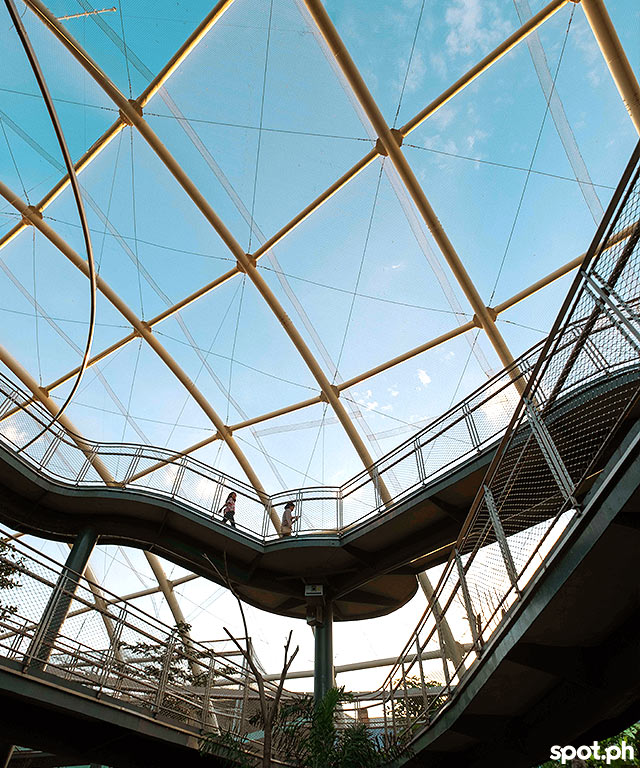
In addition to having animal trainers, veterinarians, and other animal encounter staff, plus a slew of gardeners and caretakers who manually clean, landscape, and water the plants, the biodome has many proprietary systems in place, especially for maintaining its vertical gardens. Just putting the whole attraction together was a feat that required the biodome to consult teams in Korea, Singapore, and other countries, as a vertical garden this complex has never been done in the country before.
PHOTO BY Majoy Siason
The local team takes special pride in the hydration system for their garden wall, too; it's the first of its kind as far as the Philippines is concerned.
Additionally, the entire space is powered by traditional and renewable energy sources. It runs on 30 percent solar energy, which the management hopes to increase over time. In addition to partly running on renewable energy, it also has rainwater capture and filtration systems that help hydrate the garden wall and recycle the water in the tanks. These systems help regulate consumption within the biodome, ensuring the place runs on the smallest carbon footprint possible.
What's next for the Philippine Biodome?
PHOTO: Majoy Siason
Post a Comment
As we neared the end of our tour, one thing was obvious: everything in the Biodome is new. The plants are young or newly grown; the gardens still lacking the organized chaos of a mature and dense forest. Most animals are still juvenile, some barely in the breeding age. The zipline feature isn't open yet, waiting for some parts to arrive. The nighttime attraction, the Borealis Nights, is given adjustments every so often. The souvenir shop smells of fresh paint.
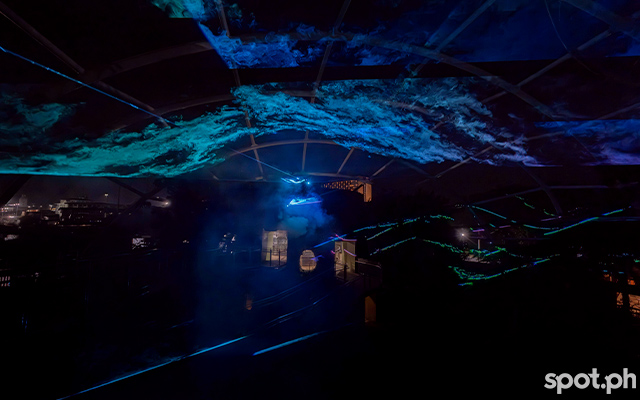
Once the sun sets, The Philippine Biodome sets up its night show called Borealis Nights. A light display designed to mimic the look of being under the Aurora.
PHOTO BY Majoy Siason
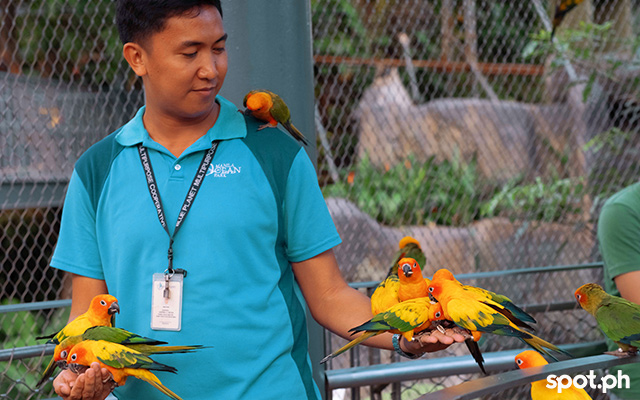
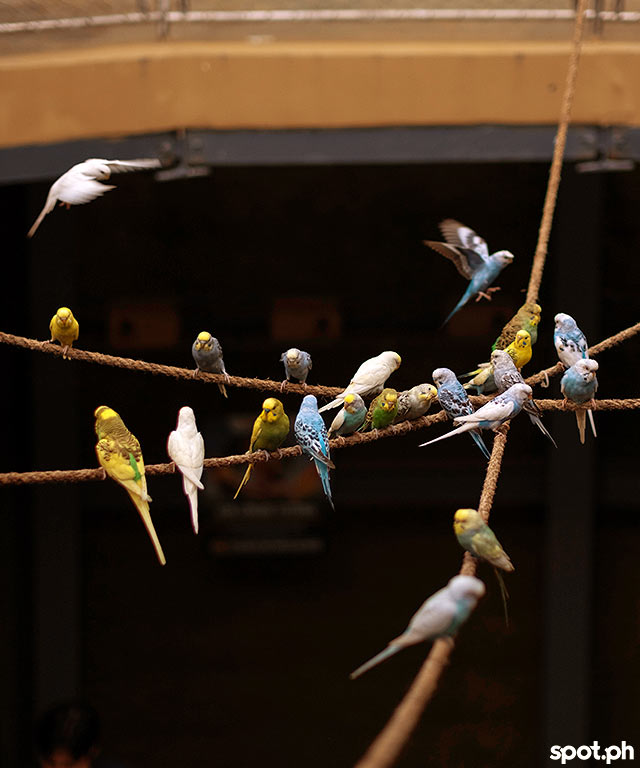
According to the handlers these Budgerigar are still quite young. Most of them haven't decided on a mate yet as they are still juvenile.
PHOTO BY Majoy Siason
It's clear it's a work in progress—a fact the management does not dispute. Instead, they assured us the best is yet to come: more animals, expanded areas, and an even more vibrant, thriving ecosystem. With time and proper care, the Philippine Biodome has the potential to flourish, and could offer Metro Manila an invaluable green lung and a refreshing escape right in the heart of the city.
The Philippine Biodome is at Manila Ocean Park Complex, Quirino Grandstand, Ermita, Manila. It is open on weekdays from 10 a.m. to 6 p.m., and on weekends from 9 a.m. to 6 p.m., Tickets start at P680. For more information, visit the Philippine Biodome's website.
We use cookies to ensure you get the best experience on Spot.ph. By continued use, you agree to our privacy policy and accept our use of such cookies. Find out more here.


Comments