

Apayao Is Named a UNESCO Biosphere Reserve
Don't sleep on this Northern Luzon province.

(SPOT.ph) Apayao is now included in the list of United Nations Educational, Scientific, and Cultural Organization’s (UNESCO) Biosphere Reserves.
Which means it's been recognized as a location that best exemplifies “harmony between people and nature for sustainable development.” The distinction was announced during the International Coordinating Council of the UNESCO Man and the Biosphere Programme's (ICC MAB) 36th session in Morocco last July 5.
Is this the sign you're waiting for to explore the “Last Frontier of Cordillera?”
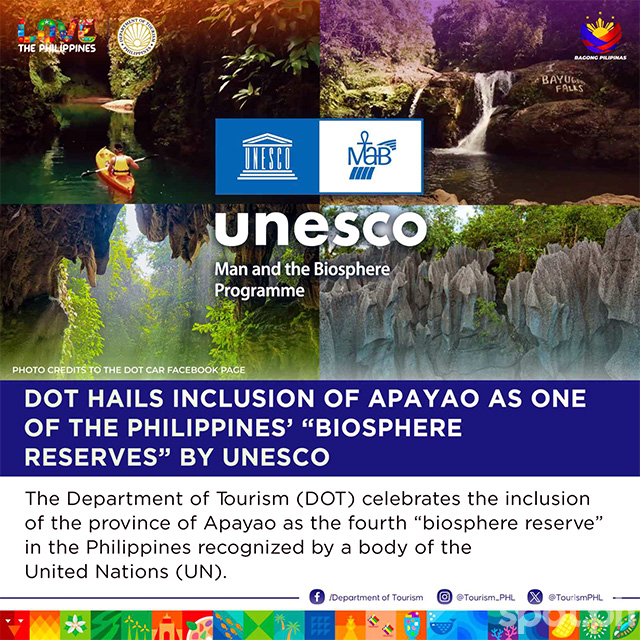
What is a UNESCO Biosphere Reserve?
The recognition means that Apayao now joins an international network of over 700 sites across 136 countries that are now officially marked for biodiversity protection. These “Science for Sustainability support sites" include the Philippines' own Albay, Palawan, and Puerto Galera.
According to the UNESCO, biosphere reserves are terrestrial, marine,and coastal ecosystems that reconcile the conservation of biodiversity with sustainable use. They are sites that use varied approaches in managing changes and interactions between ecosystems, including conflict prevention and management of biodiversity.
Biosphere reserves are nominated by national governments and remain under the jurisdiction of the states where they are located. They involve local communities and interested stakeholders in conservation, economic development, and logistic support towards overall protection and sustainability. They also undergo constant review after 10 years to ensure that development and protection of the biosphere reserves are done.
In a statement on their official Facebook page, the Apayao Provincial Government stated that it started its journey towards ICC MAB recognition back in 2018. At this time, the provincial government first got a sighting of a Philippine Eagle nest within the forests of the province—a first for Luzon island. The presence of an eagle in a forest is believed to hint at a healthy forest condition.
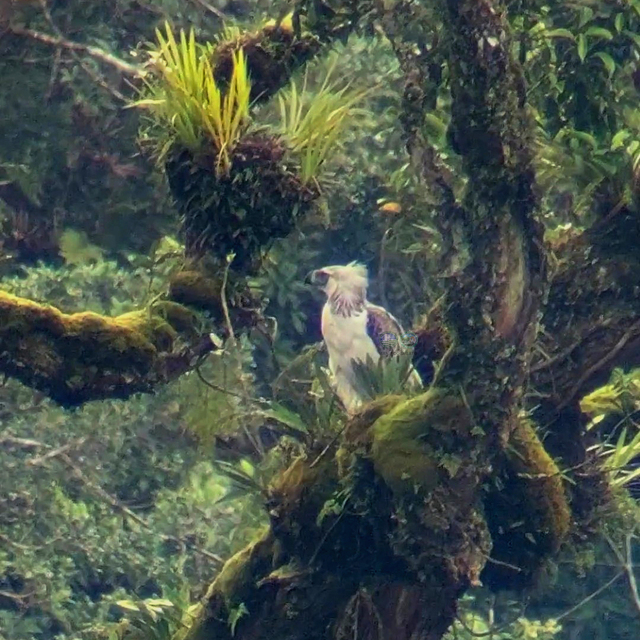
Since then, Apayao has since partnered with organizations such as the Philippine Eagle Foundation (PEF) and the United States Forest Service (USFS) to help with preparations, training, and documentation required by UNESCO.
What to do in Apayao?
The Apayao province is often under-explored as a tourist destination. It spans an area of over 3,960 square kilometers within the Cordillera Administrative Region (CAR). The province houses a mix of natural wonders including vast cave systems, lush rainforests, towering waterfalls, winding rivers, and untouched mountain ranges.


Among the key sites to visit in Apayao are the 180-kilometer Apayao River, one of the largest river systems in the Philippines and is a vital watershed for 18 tributaries across the province; the cavernous Lussok Cave and Underground River; and the Dupag Rock Formations, among many others.
Aside from natural wonders, the province also has a strong foundation of Isneg tradtions and heritage. You can learn about their ways and culture in sites such as the Isnag Museum in Calanasan, Apayao.
Also read:
Cagayan Valley: A Guide to Hiking, Beltfishing, and More
A Win for Mother Nature: Masungi Georeserve Bags Prestigious UN Award
Hey, Spotters! Check us out on Viber to join our Community and subscribe to our Chatbot.