
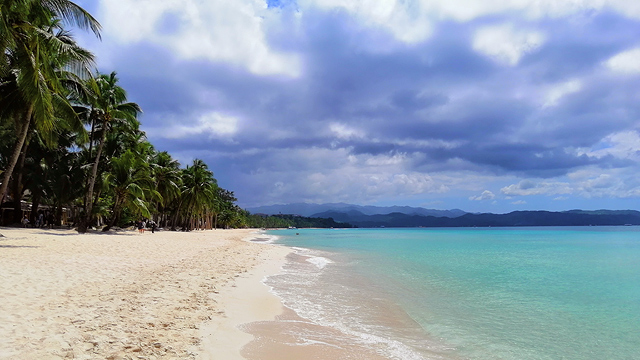
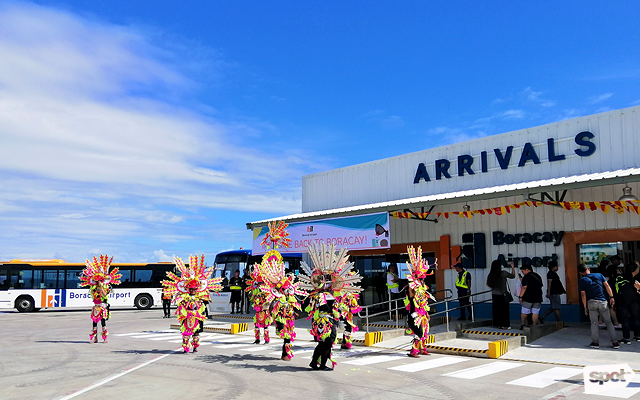
(SPOT.ph) After six months of government-mandated closure, Boracay Island finally reopened to the public on October 26. Fully booked flights started arriving at the Godofredo P. Ramos Airport in Caticlan early in the morning, and guests were greeted by locals dressed in colorful costumes and loud, rhythmic beats of drums that regular attendees of Aklan's famous Ati-Atihan Festival would easily recognize. A festive ceremony at the newly renovated Cagban Jetty Port was led by Department of Tourism Secretary Berna Romulo Puyat who proudly welcomed everyone to a “better Boracay.” SPOT.ph flew all the way to this popular tourist destination to see just how “better” the island has become.
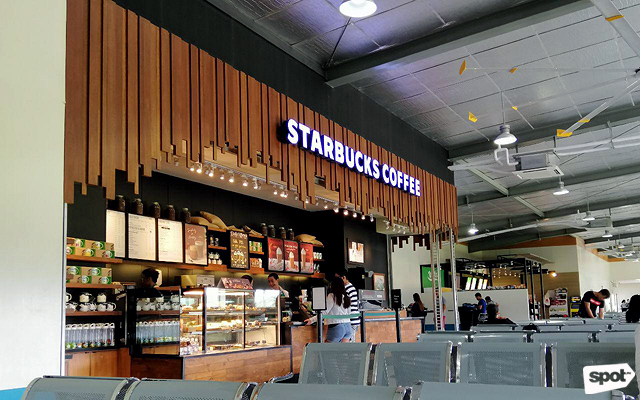
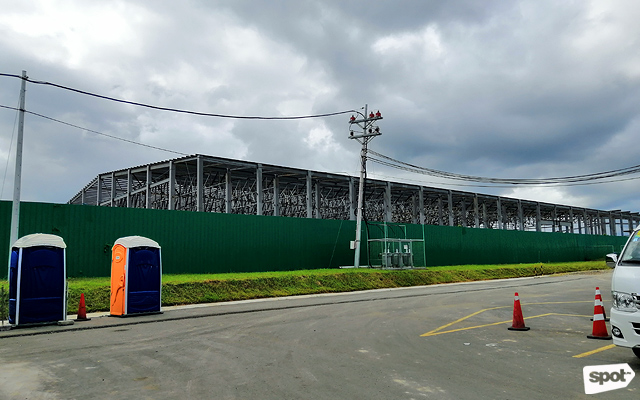
Getting on the island
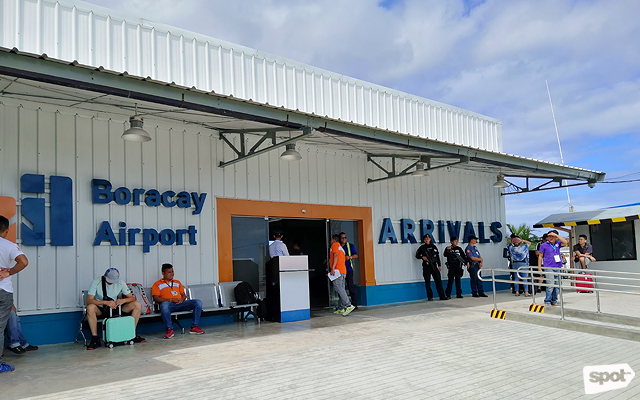
To make sure that the Boracay won't revert into a "cesspool," certain rules and regulations were put in place—including the rigid process of getting on the island. Tourists should make sure that their accommodation is approved by the Philippines' tourism agency. This means that the establishment has secured all the necessary permits from the Department of Interior and Local Government, the Department of Environment and Natural Resources, and the Department of Tourism. Establishment owners were also required to attend a three-day seminar facilitated by the environmental agency. As of October 25, a total of 157 hotels and resorts were given the green light by the Boracay Inter-Agency Task Force to accept visitors.
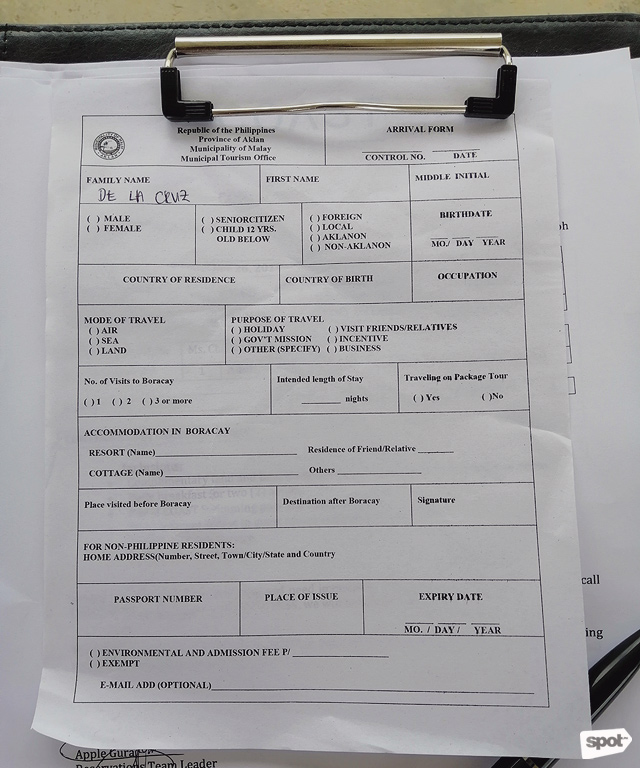
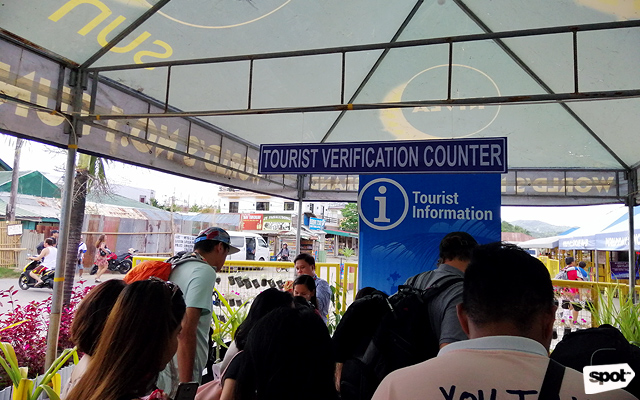
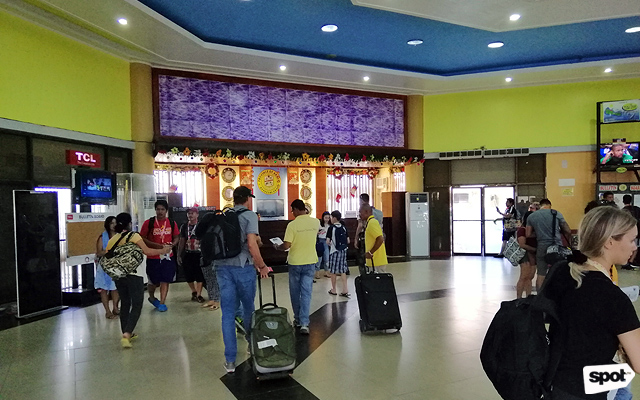
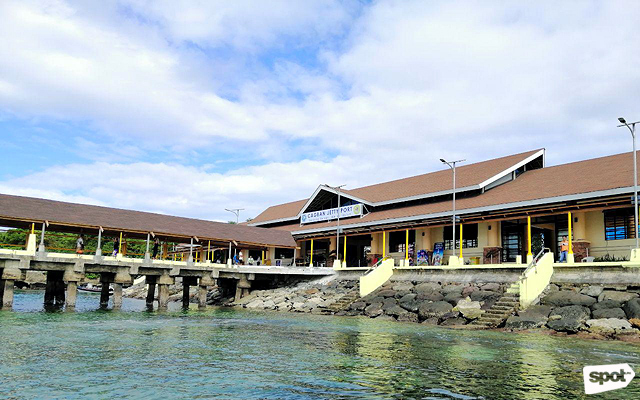
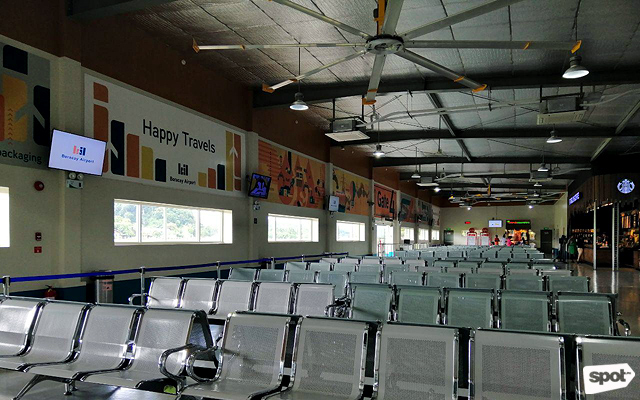
After reserving a room, you should print out the booking voucher sent by your accommodation of choice. You must show this to the Tourist Verification Counter by the entrance of Caticlan Jetty Port in mainland Aklan (Panay Island), then fill out and submit an arrival form. It is only then that you can pay the environmental fee (P75), terminal fee (P100), and ferry fare (P30). Once inside the terminal, be wary of arrows that lead you to the area either for Aklan residents or for guests. The latter gives the ticket stub to a porter before proceeding to a ferry that will bring you to Boracay Island.
What Boracay looks like along the main road
The first thing you’ll see upon arriving is meters and meters of road works by the Department of Public Works and Highways. "We are managing expectations. It will be open, but don’t expect all the roads to be completed," Puyat earlier told the media on August 28. The road rehabilitation, which expanded the original 10-meter wide road to 12 meters, is only halfway done with only one lane open for vehicles. This project is expected to be completed by 2019.
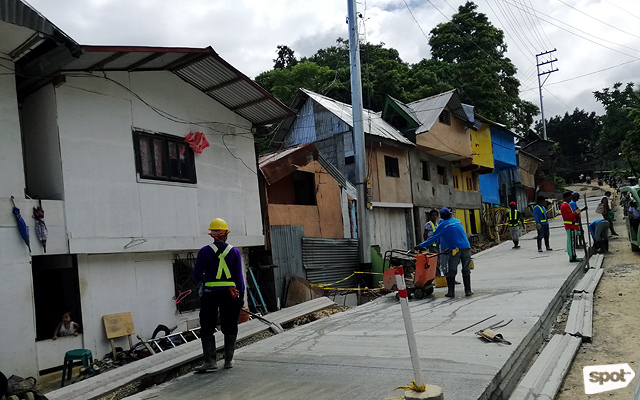
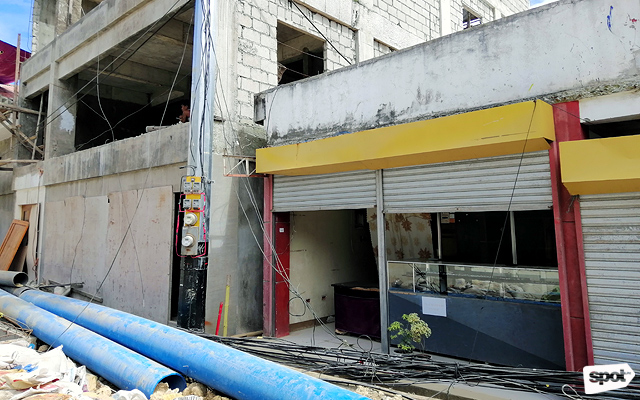
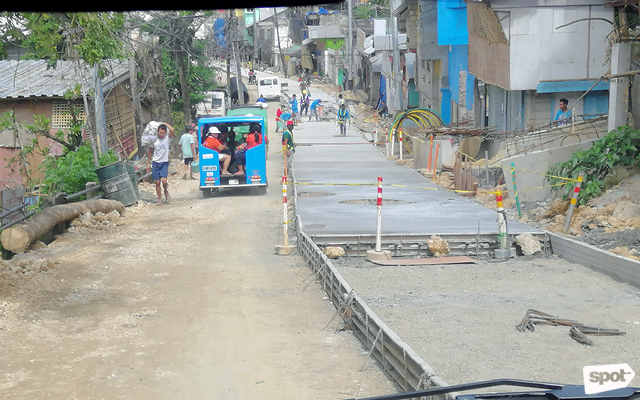
Some establishments along the main road were forced to close down, not only for non-compliance and lack of the permits, but also because the structures were affected by the road widening project. Most commercial spaces suffered the effect of construction right in front of them, leaving the owners with no choice but to demolish the buildings entirely. Inside the alleys and even in front of the world-famous White Beach, other places behind board-ups are either up for lease or are undergoing renovation to implement new infrastructure rules.
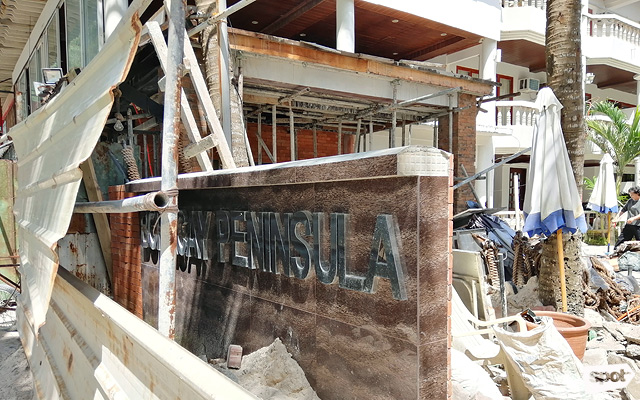
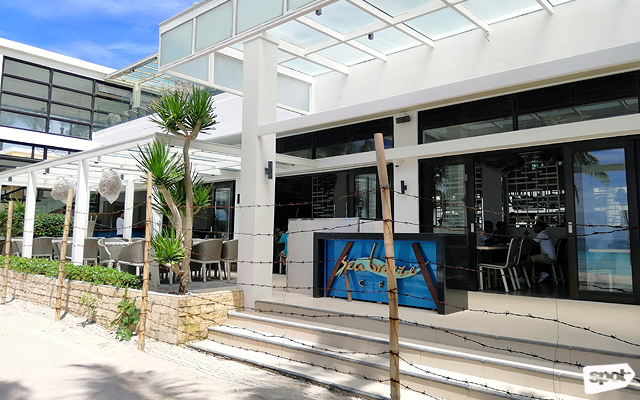
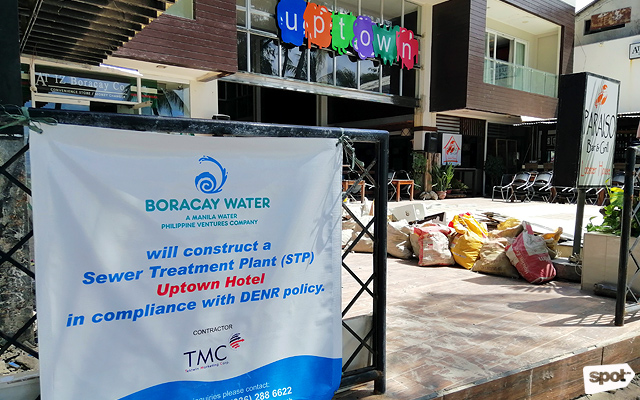
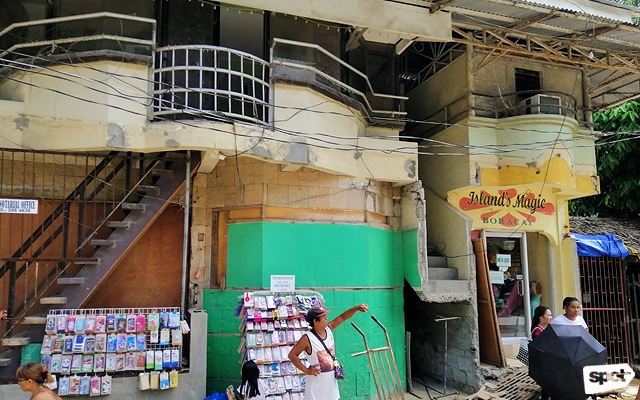
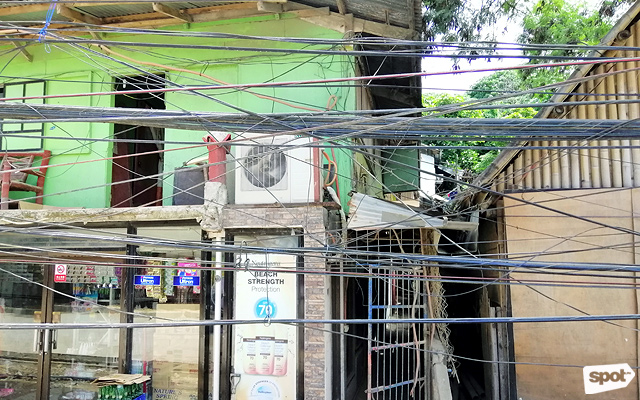
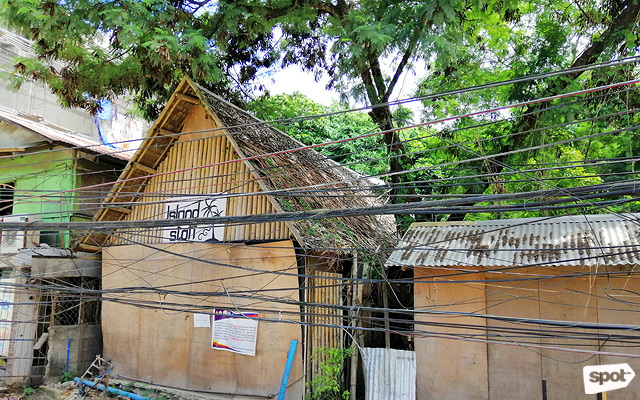
What Boracay looks like for the small business owners
Despite the merry-making with the reopening of the island, locals are still trying to pick up the pieces after bearing the economic impact of the six-month closure. Some small business owners availed of the Cash for Work program of the Department of Social Welfare and Development, which allowed them to earn P325 a day after rendering various services during the rehabilitation, which included digging, dredging, desilting of canals and drainages, clearing pathways, demolition of illegal structure, and garbage collecting. But since the program was only limited to one person per family for a period of 30 days, the daily wage wasn't enough to carry them through the following five months. Others went for construction-related tasks in establishments undergoing renovation—imagine a carinderia owner grouting the tiles of a nearby resort for minimum wage just to make ends meet. With Boracay still on soft opening, only time will tell on when the locals can get back on their feet.
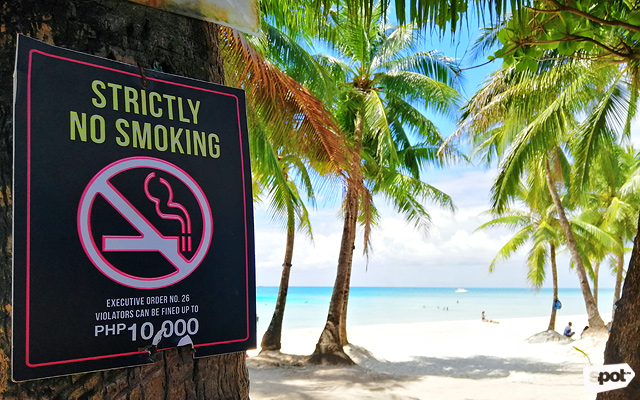
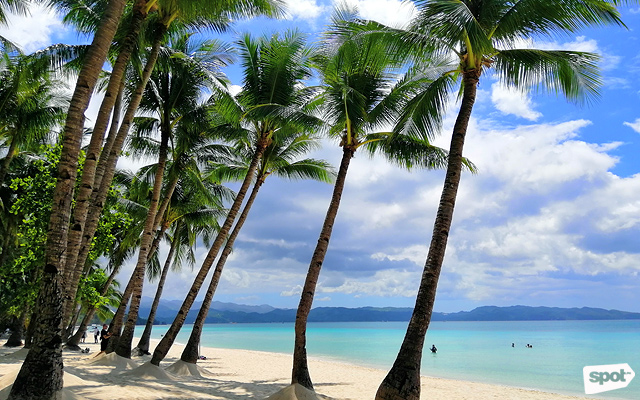
Beauty beyond the beach
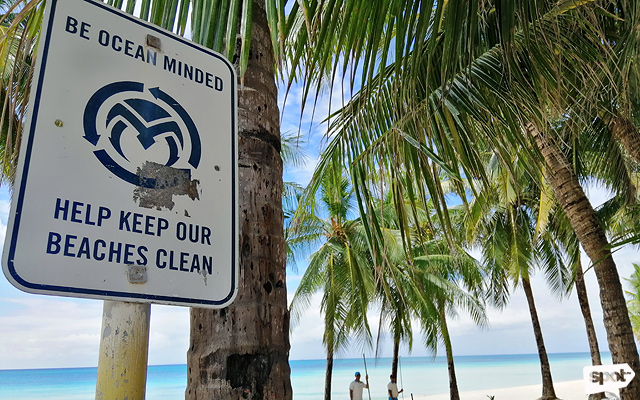
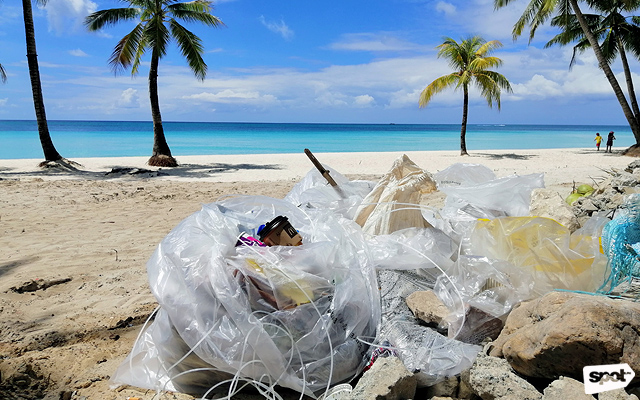
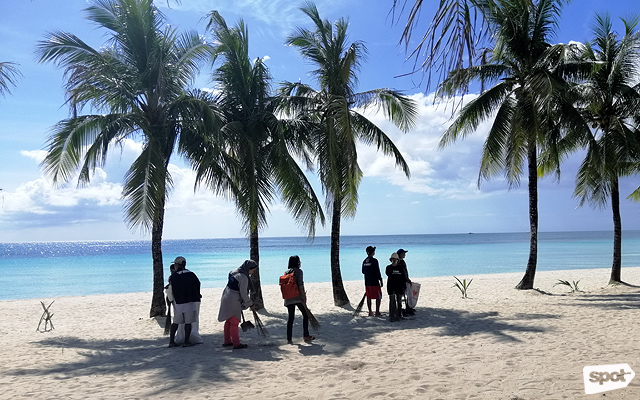
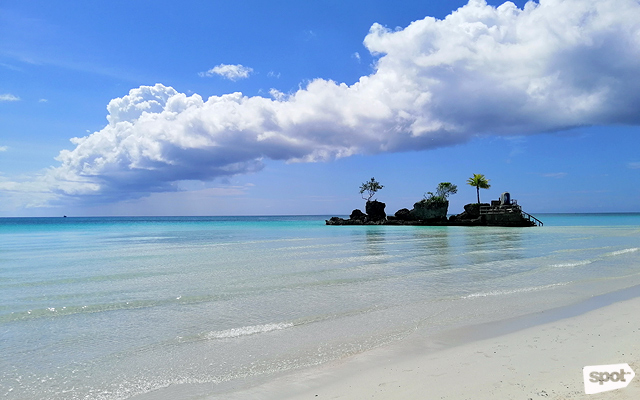
The reopening of Boracay is far from perfect. We have been warned to manage our expectations, after all. The island's rehabilitation has a long way to go—it's more than just making White Beach look picture-perfect. Sustainability is one of the major concerns. We can only hope that all parties involved—from the local government to local communities—will be able to transform what was once known as the Beach Party Capital of the Philippines into the island paradise that it should be.