
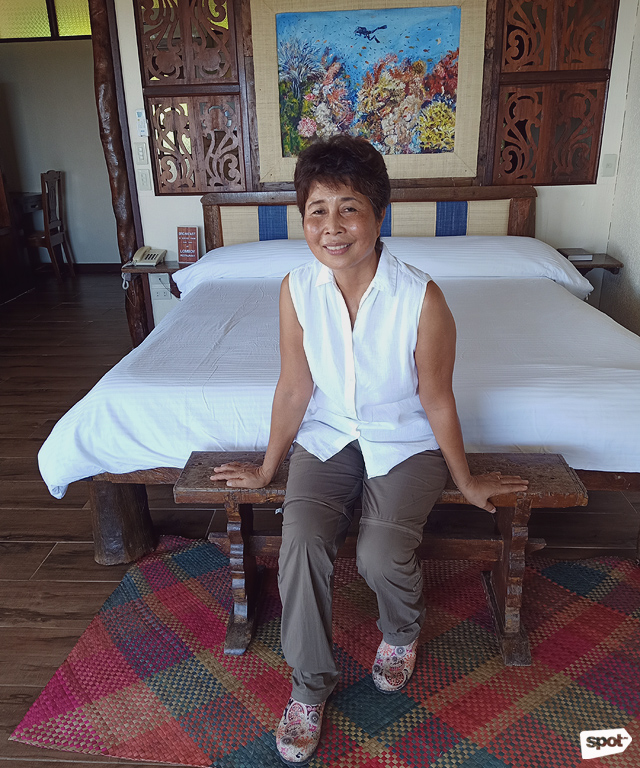
(SPOT.ph) "From four workers (when the farm started in 2001), to before the pandemic [when] we had 568 people working. And now we only have about 204. It’s sad."
It was inevitable for former New York-based nurse-turned-chef and environmentalist Vicky Wallace, owner of the famous Bohol Bee Farm, to lay off some of her workers because of the COVID-19 pandemic and quarantine restrictions that started in March 2020. It was a difficult decision, but as in most businesses—especially those closely linked to tourism—profits have plummeted to the lowest of lows.
Bohol Bee Farm
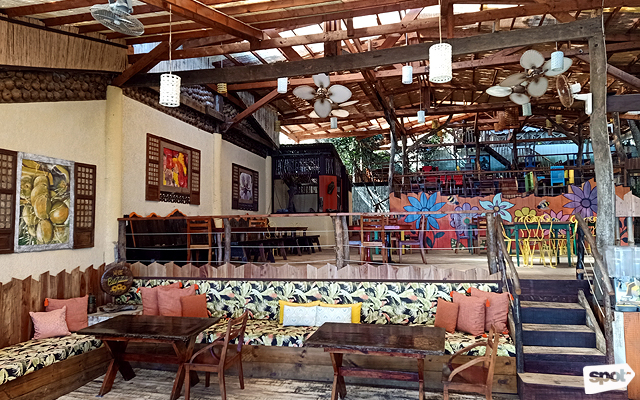
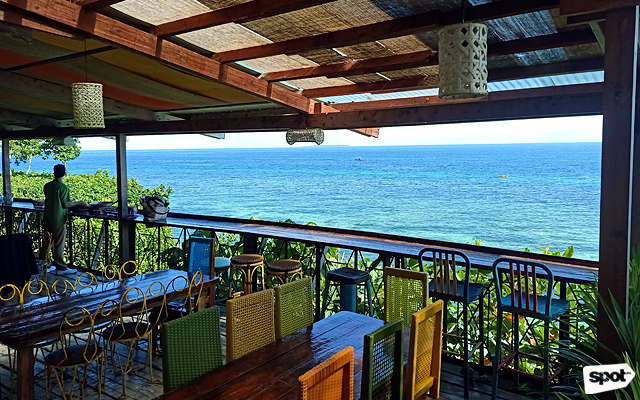
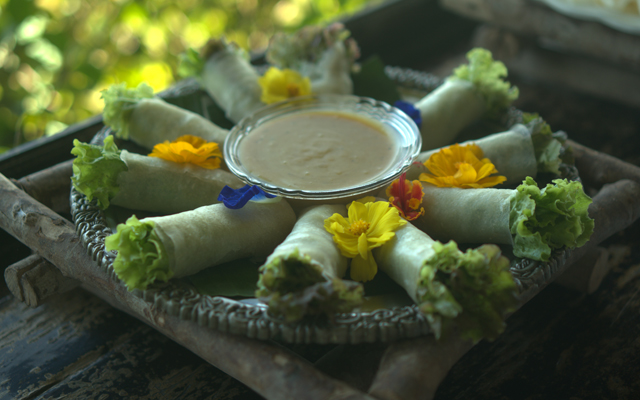
Bohol Bee Farm is a favorite stopover during a tour of the province. What was once a humble bee farm with only a handful of employees grew into a dynamic resort with an organic herb and vegetable garden, a crafting area, accommodations, an on-site restaurant boasting farm-to-table dishes, and a souvenir shop. Their beehives and honey production have long been moved to neighboring town of Inabanga, but the farm maintains their beekeeping livelihood program of turning beeswax into lip balm or herbs to sandwich spread or even insect repellent. It has always believed in its core values of family, social responsibility, and ecological sustainability in the last two decades—and it remains to be an inspiration despite the challenges brought about by the pandemic.
Wallace sadly recounted that pre-COVID, Bohol Bee Farm received six to eight busloads of mostly foreign tourists every day, sometimes even more. Now the buses have gone while the pandemic continues to rage in the archipelago, but they’re lucky to still have loyal local guests frequent the establishment popular for its yummy organic meals and silky-smooth ice cream, arguably one of the best in the country.
Thanks to mall owners who extended aid to concessionaires that opted to open their businesses, she is able to sustain the operations of her equally famous The Buzzz Café. "Business-wise, because we have restaurants outside. We have about eight restaurants, The Buzzz Café, these are in malls. We still are able to do business there. We have [branches] in Cebu and Tagbilaran. There are [other] towns [in Bohol] where we have The Buzzz. The malls, they don’t have fixed rent for now, they only get 5% from the gross [sales]. That helps."
Despite the setbacks due to the pandemic, the soft-spoken Boholana tries her very best to help her fellow Boholanons get by. She was able to retain her employees, who receive their usual pay and are provided free food. All her workers are locals.
Wallace only buys local. "For example, our ice cream is made from fresh coconut milk. We order the coconuts from the locals. Also, our ice cream’s flavors are all local, like malunggay [and] guyabano. In a day, we have to buy 1,000 coconuts for the ice cream. Simple farmers come and sell their coconuts.” Despite buying fewer coconuts these days because of fewer visitors, she continues to buy from small coconut farmers."
While showing us around the sprawling eight-hectare property, Wallace brought us to the Farm’s crafting center. She explained that before the pandemic, the place used to be full of women weavers. During our visit, we chanced upon only one lady weaver who was busy weaving a bottle holder.
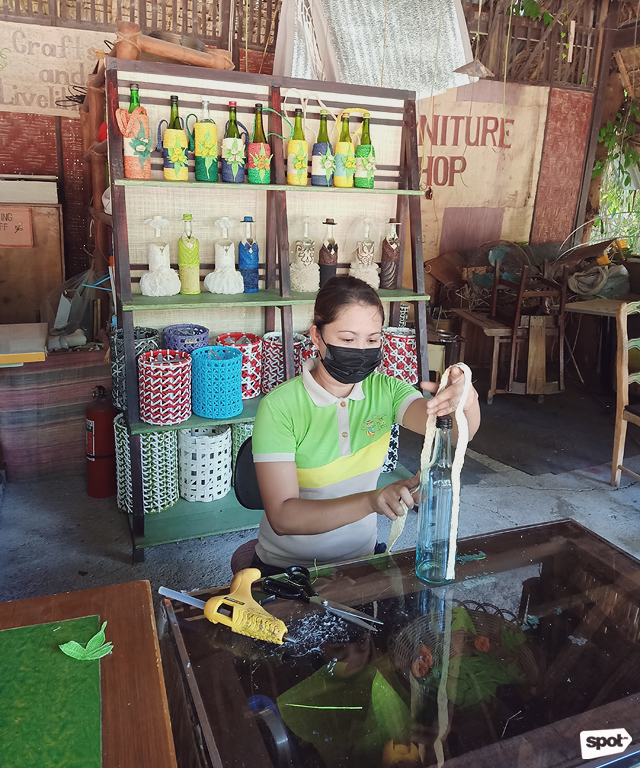
Even during the pandemic, Wallace refused to stop production furniture and souvenirs made from raffia—fiber extracted from young unopened buri palm leaf sheaths that are abundant on the island province. "We make buri into raffia. Before, you can see them weaving [in the crafting area]. We make furniture and decor. They also recycle and give as giveaways." Among their steady clients are some of the biggest establishments in the province.
The property also houses three gardens where they get their daily supply of herbs and greens. “These were full of women [gardeners] before the pandemic. Now, we only have three.” Wallace added, “We grow everything we need now that it’s the pandemic. There were times before I would need 80 to 100 kilos a day, now I only need 20 to 30 kilos. For now, I don’t need to buy from outside. Sometimes people would come [and sell] their extra greens and I buy [from them]."
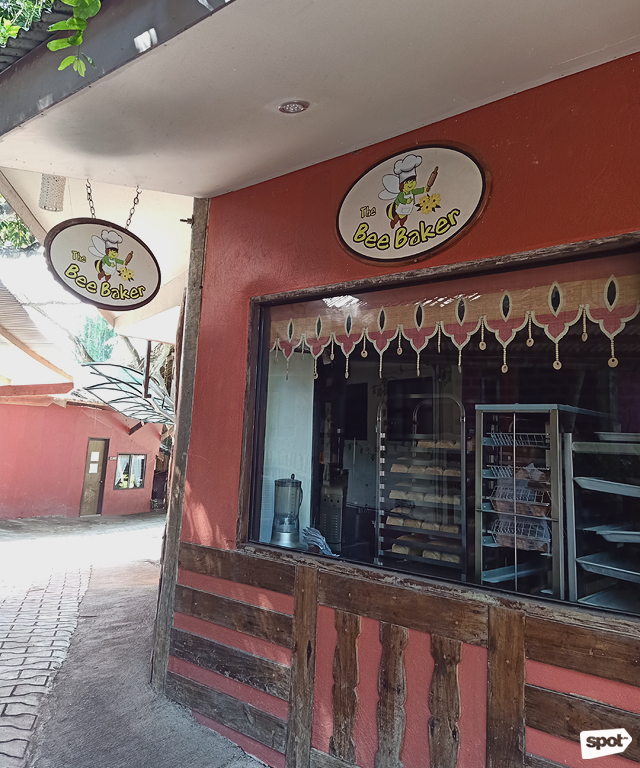
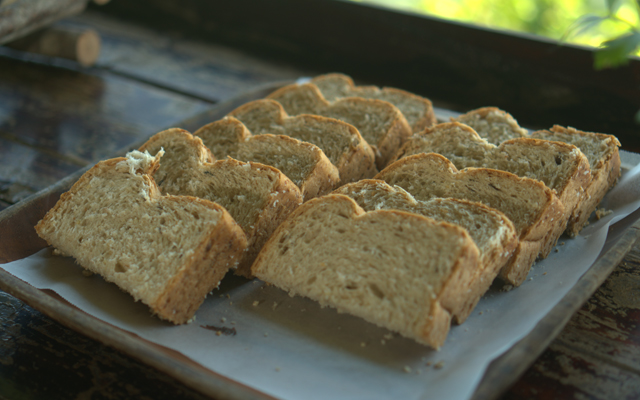
Even their humble, yet well-loved bakery called The Bee Baker, had to cut down on production. "They do the baking in the morning up to 2 p.m. Before [the pandemic], we had two shifts. Now, we only have one" Bohol Bee Farm’s herb bread and its kamote variant, just like the Farm’s ice cream, are hits among guests, both local and foreign.
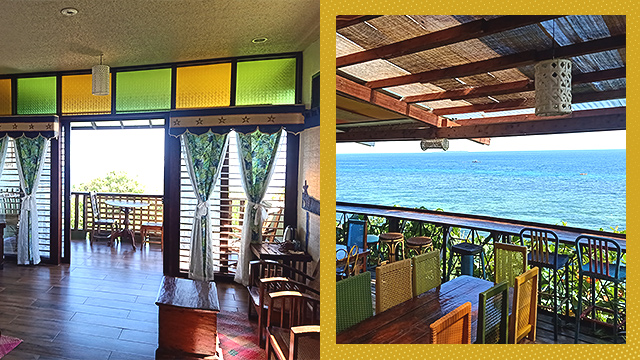
Bohol Bee Farm’s 58 charming on-site accommodations haven’t been fully booked as they once were for quite some time now. At least the locals get to enjoy the lovely rooms at a much lower price—an oceanfront suite with majestic views of Bohol Sea can cost as little as P3,000 a night.

The COVID-19 pandemic and the uncertainties that come with it may have slightly dampened Wallace’s spirits, but she continues to face each day with a sure and steady smile on her face so that she can keep on not only sustaining her businesses, but also help her fellow Boholanons stay afloat until things get better again.
Hey, Spotters! Check us out on Viber to join our Community and subscribe to our Chatbot.