
10 Under-the-Radar Destinations in Chiang Mai, Thailand
There's more to Thailand than Bangkok.
(SPOT.ph) With lush forests and myriad cultures, Chiang Mai (meaning “New City”) in Northern Thailand draws local and foreign tourists all year round—some even decide to stay indefinitely.
At 22,135 square kilometers, it is the largest province in Thailand. It also lies at a 300-meter elevation, giving it considerably cooler climes, especially when compared to busy Bangkok.
If you’ve been to Chiang Mai once, you’re bound to have found a place you’d like to keep coming back to or, otherwise, something to pique your interest in different places around Chiang Mai province. Please take note that some of them may only be accessible with a private vehicle.
Here are some hidden gems (or not-so-secret spots) that you should definitely visit in Chiang Mai, Thailand:
Wat Phra That Doi Kham
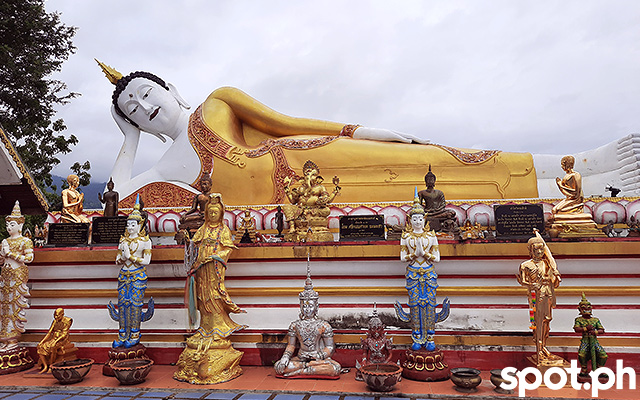
The 17-meter-high Buddha that glistens atop the 500-meter hill catches people’s attention for kilometers around. Located just outside the city center, the Golden Mountain Temple is worth a visit, whether on foot up a 1.5-km trail or on wheels.
The pagoda dates back to the seventh century and holds a relic of the Buddha’s hair. It could be considered a more compact version of Wat Phra That Doi Suthep. The sweet scent of fresh jasmine pervades the air throughout the temple, as many devotees bring large arrangements of garlands as offerings to accompany their prayers.
Outside the temple, many small shops sell snacks (including coconut ice cream!), trinkets, toys, and lottery tickets. You can observe many people praying and taking photos in front of the different images, including the sitting and reclining Buddhas.
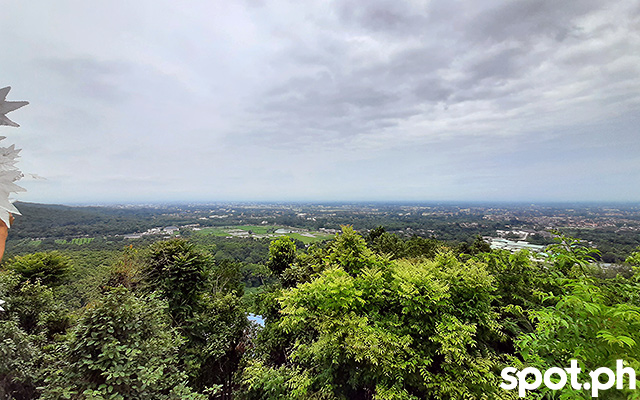
There are many view decks here, but for a nice panoramic view, head to the terrace that affords a view of the lush vegetation, including the nearby Royal Park Ratchaphruek.
As this is a place of worship, please remember to bring something to cover up your shoulders and legs.
Wat Phra That Doi Kham is in Mae Hia, Mueang Chiang Mai District, Chiang Mai. It is accessible daily from 7 a.m. to 7 p.m.
Royal Park Ratchaphruek
Originally constructed for the International Horticultural Exposition in 2006, it was so successful that the Thai government decided to retain it and expand it as a learning center for botanical agriculture and agro-tourism venues.
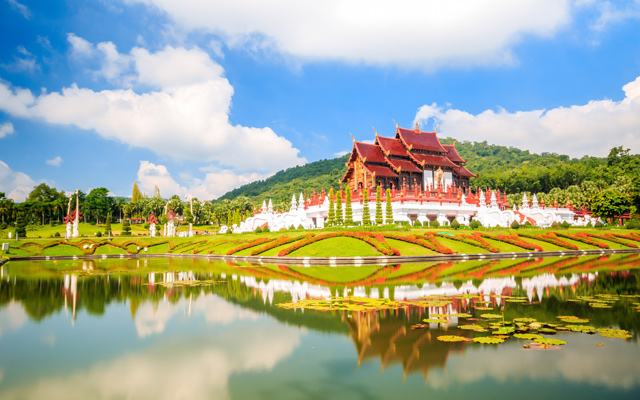
Royal Park Ratchaphruek spans 80 hectares of gardens with a profusion of trees and flowers and is named after the Golden Shower tree, Thailand’s national flower. The gardens are organized by theme, featuring botanical gardens designed by countries like South Korea and Japan, lotus flower ponds, and a garden profuse with different varieties of orchids. There are many areas where you can sit and better appreciate the place's ambience.
At the center is the massive and impressive Ho Kham Luang (Royal Pavilion), a great example of traditional Lanna architecture built according to traditional construction practices, using wooden bolts instead of metal nails.
Bring a hat and/or umbrella in case it gets too sunny, and keep hydrated throughout your visit.
Royal Park Ratchaphruek is in Mae Hia, Mueang Chiang Mai District, Chiang Mai. It is open daily from 8 a.m. to 6 p.m. Entrance fee is THB 200.
Pha Chor Canyon
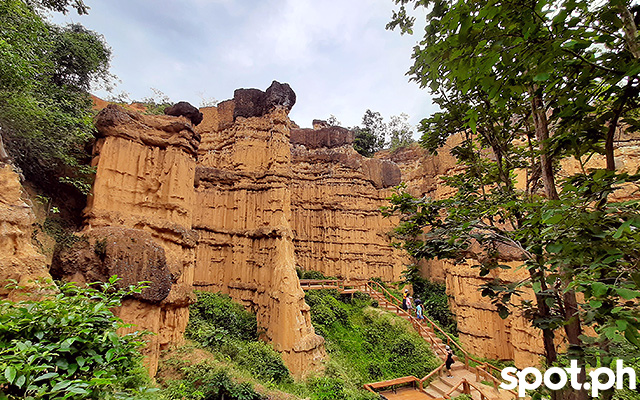
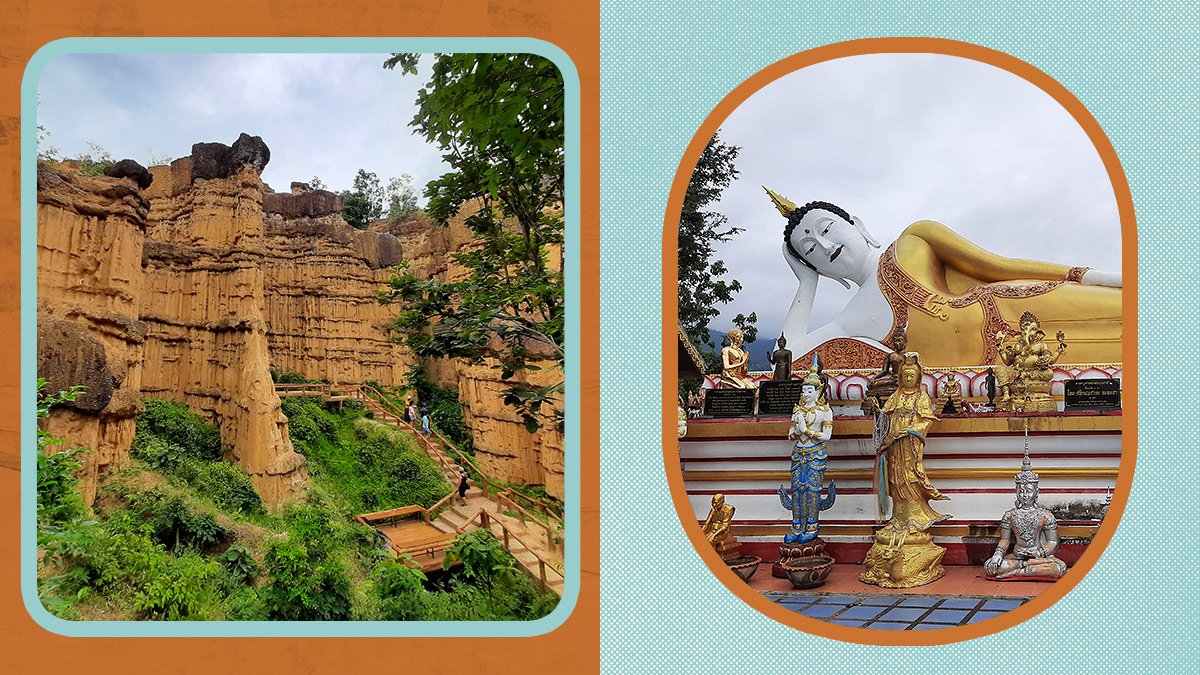
Due to tectonic activity over centuries, landscapes have shifted. Pha Chor is one of those places in Chiang Mai where you can see the stark changes over time. The rock formations stand as a stunning testament to the strong forces of nature.
Located in Mae Wang National Park, this was where the Mae Ping River used to flow. The river is some 50 or so kilometers away, near the walled city.
You will have to walk down well-paved steps (hold on to the railings!) and some dusty pathways between walls of layers of earth, exposing varying kinds of rocks. If you’re interested in geology, you will surely be in awe of the towering sandstones that go up to 30 meters high.
The trail covers 900 meters, and at the end of your hour-long trek, you can reward yourself with a refreshing glass of Thai milk tea (cha yen) or coconut juice from the shell, looking out at the lush and green tree tops while sitting at the al fresco coffee shop.
Plan your visit closer to the opening or closing hours since very few shaded areas are along the trail.
Pha Chor Canyon is at Mae Wang National Park, Santi Suk, Doi Lo District, Chiang Mai. It is open daily from 8:30 a.m. to 4:30 p.m. Entry fee is THB 100.
Bua Tong Waterfalls
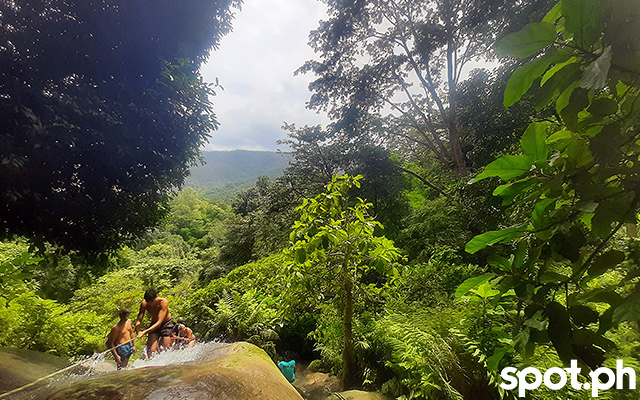
Dubbed “Sticky Waterfalls” by foreign tourists, there is a legend behind the beginnings of Bua Tong Waterfalls (Nam Tok Bua Tong) that you can (and should) read about while at the trail within the park.
So, first, make your way to Chet Si Fountain (Nam Phut Chet Si)—walking on a sturdy wooden walkway—to pay homage to the sacred spring that is said to be the source of all the water here, called the Fountain of Seven Colors. You can see multiple colors at certain times of the day, perhaps because of how light refracts.
Just a short walk from the fountain, you’ll find the top of the waterfall. You can start your adventure here, holding ropes securely fastened onto trees and rappel down. Or you may descend steps (with railings) to “level two”, then climb up, supported by the secured ropes. Or you can make the circular trip to experience it all. Lower down the falls, you don’t need ropes, so there are railings on which you can hold on, and lower down, there’s barely any elevation, so you can walk with water cascading around you.
Don’t fret because the rocks are white and glisten under the sun due to the presence of limestones on the surface—that gives them more texture and makes them easier to walk on with bare feet.
It never gets crowded, and the experience is refreshing even at high noon because of the freshwater. But if you want to get your bearings or have the place to yourself for a while, arrive as the gates open.
After all that effort, enjoy Thai food or a cup of cha yen at one of the food stalls in the park.
Put on your sunblock, go barefoot, and secure your electronics in waterproof containers before you make the trip down and then up.
If you’re taking the trip with a tour agency, a certified guide can also get you to a “secret waterfall” in the middle of the jungle.
Bua Tong Waterfalls and Chet Si Fountain are at the Sri Lanna National Park, Mae Ho Phra, Mae Taeng District, Chiang Mai. It is open daily from 8 a.m. to 5 p.m. As of this writing, entry is free.
Monk’s Trail to Wat Pha Lat
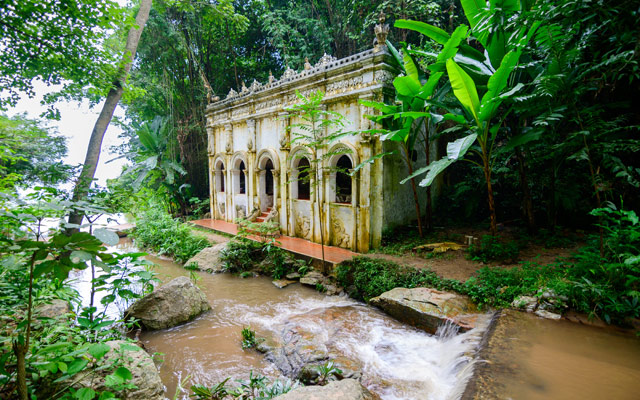
If you like forest bathing, you will enjoy the meditative experience of taking the Monk’s Trail to Wat Pha Lat (“Monastery at the Sloping Rock”), a small and serene temple tucked in a lush forest. The trail starts near Chiang Mai Zoo. It’s labeled Wat Pha Lat Hike (Monk’s Trail) on Google Maps.
Before the road was built to let vehicles access the magnificent Doi Suthep, this trail was used by pilgrims and monks, and Wat Pha Lat was something of a stopover at the midpoint. Though more people have discovered this path in the last few years, walking it is still a magical experience, especially emerging at a clearing and then being welcomed by a flowing waterfall at the entrance to the temple. Here, you can sit at the riverside, taking in the jungle experience: hear the crickets, the birds, sometimes, a frog; see small birds, dragonflies, butterflies flit around; feel the light spray of the water and the wind blow.
While here, you’ll surely see regular traffic of monks going in and out of the temple since it is also home to many monks. The overall atmosphere encourages meditation.
You can visit the temple, walk around the surrounding area where there are caves and viewpoints of the city, follow the river to go up to Wat Doi Suthep (it will take more than an hour, depending on your fitness level), or cross an ancient bridge to get to the hiking trail and back to Chiang Mai city (it will take less than an hour to get there).
Though it is a relatively easy hike, it is best to wear proper hiking footwear. And remember to dress appropriately, respecting that the temple is a place of worship.
Wat Pha Lat is at 101 Sriwichai Alley, Mueang Chiang Mai District, Chiang Mai. It is accessible daily from 6 a.m. to 6 p.m.
Nong Buak Haad Park
Within the walls of Chiang Mai’s old city, near the Saen Pung Gate, you will find a cool patch of green in Nong Buak Haad Park. Many locals congregate here because it is a sizable area with park benches, water fountains, and even play areas for children for some R&R.
Greet the morning by joining many who lay out their mats to practice yoga or tai chi. Throughout the day, people stroll and socialize here. You will also see people sitting by the pond, people-watching, and reading.
It becomes the center of activity during festivals. Notably, during the Songkran Festival in April, many people take their water festival fun seriously. And during the Flower Festival in February, since the parade culminates here, with floral floats on display and booths as part of the fair, exhibiting agricultural products and flower arrangements, among others.
Nong Buak Haad Public Park is at Arak Road, Tambon Phra Sing, Mueang Chiang Mai District, Chiang Mai.
Mae Kampong
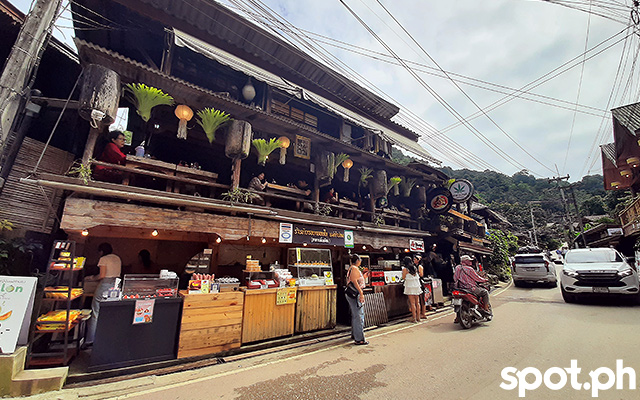
Mae Kampong is a small, quiet village in the mountains outside of Chiang Mai City, at 1,300 meters above sea level. Its proximity to the city makes it a popular destination for a day or overnight trip. There is a good-sized temple (Wat Khantha Phueksa), and from there, on either side of the main road, there are many quaint homestays, food stalls, cafes, and restaurants where you can eat some authentic Northern Thai food like sai oua (spicy sausage) and gaeng hang le (curry). You can even find some Japanese-inspired dishes.

A small bus (songthaew) makes stops at the waterfalls at the top. But you can exercise your legs by walking up the steep, narrow road to explore the town. There are several al fresco cafes with sweeping views overlooking the village. The prices may not vary much from Chiang Mai, but remember that they have to get ingredients from there up here.
Should you take a fancy to wake up in this picturesque place, there are hostel-type accommodations for as low as THB500 per bed.
Mae Kampong is in Huai Kaeo, Mae On District, Chiang Mai.
Cafes and Chocolatiers
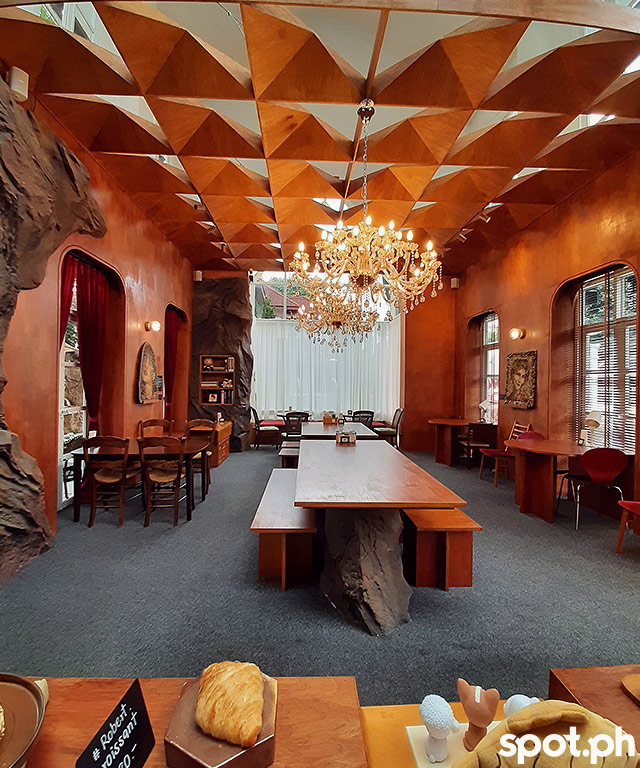
Whether along the trail to a waterfall, on the outskirts of the old center, or within temple gates, there are many cool, cute, cozy, and impressive cafes in Chiang Mai, owing to the delicious produce and coffee from the province.
In years past, much of the land in the area grew opium. It was a lucrative but dangerous trade. The Thai Royal Project, initiated by the late King Bhumibol Adulyadej, seeks to improve the quality of life by encouraging more sustainable farming practices and more profitable sources of livelihood. Farmers here have shifted to propagating fruits, vegetables, flowers, and other crops, including coffee. The most common are robusta and arabica.
In various cafes all over Chiang Mai (and beyond), you will find blends in beautiful environs (from ultra-modern interiors, conserved ancestral houses to multi-level structures constructed within forests): Akha Ama Coffee, Gateway Coffee Roaster, Good Morning Chiang Mai, Robert Bake and Brunch, and Chamcha Cafe, to name a few.
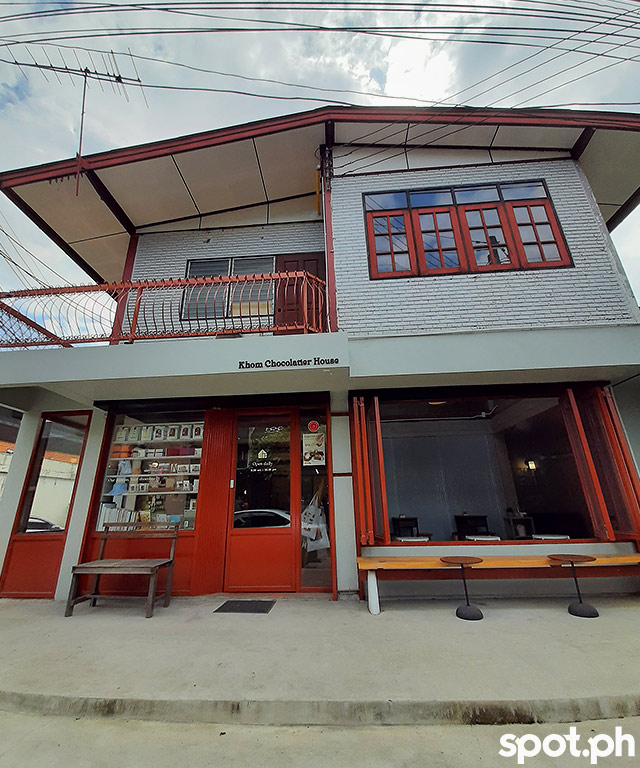
Not into coffee? You can also sit and sample single-origin chocolate bars, drinks, and chocolate-based desserts at Khom Chocolatier.
Museums with Free Admission
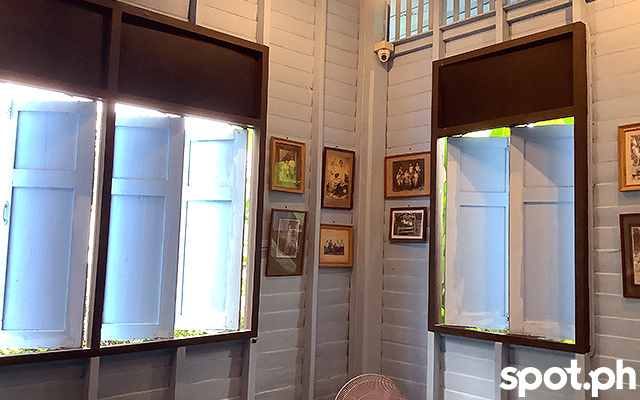
Check out well-conserved examples of the region's distinctive architecture made of teak wood houses within the walled city of Chiang Mai. The Chiang Mai House of Photography features photos that capture daily life in Northern Thailand since the technology was first introduced in the 19th century.
Established through the collaboration of the Chiang Mai Municipality and Chiang Mai City Arts & Cultural Centre, The Associate Professor Kanta Poonpipat Foundation and Center for Photographic Studies offices—in charge of preserving and documenting said photographs—are located on the ground floor. The exhibition space can be accessed through an outdoor staircase. The exhibits change regularly. The house, formerly the court officer’s house, is painted in light blue and hard to miss, as it is just a stone’s throw away from the Lanna Folklife Museum. It is open on weekdays (except public holidays) from 8:30 a.m. to 4:30 p.m.
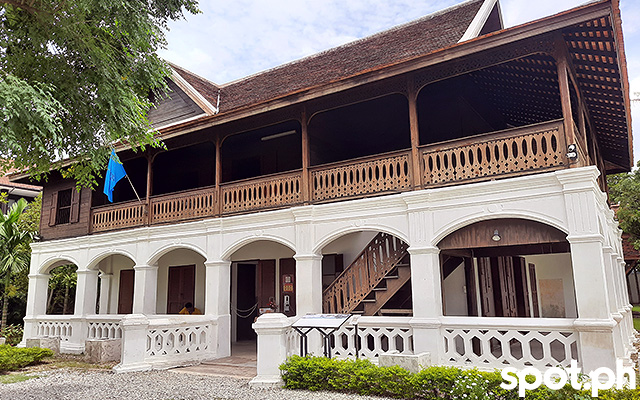
Meanwhile, the Khum Museum is home to the Lanna Architecture Center, which seeks to increase appreciation and awareness for Lanna architecture from its storied history to present conservation efforts. The museum is housed in Khum Chao Burirat Mahain (Lanna Royal Residence), which is over a century old. The main house is made of cement and teak wood and what they call a Manila-style roof with clay tile. The exhibition on the ground floor, which features scale models of Lanna architecture and an audiovisual introduction to Lanna architecture, is free to access. So are the detached kitchen at the back and the (newer) cafe with garden seating. It is under the auspices of Chiang Mai University’s Faculty of Architecture, which also holds various activities here. The museum is open Tuesdays to Sundays from 9 a.m. to 12 p.m. and 1 p.m. to 4 p.m.
Doi Inthanon National Park
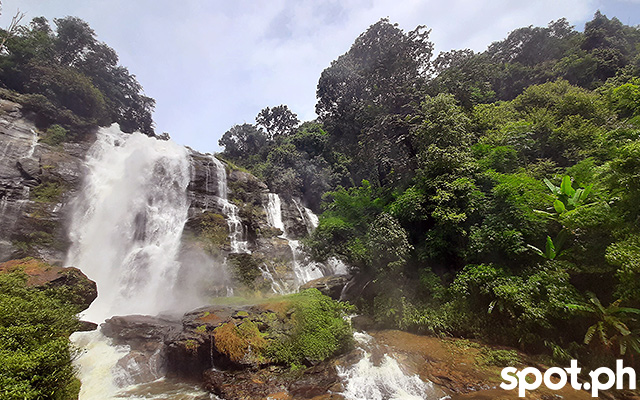
Doi Inthanon National Park, standing at 2,565 meters above sea level with an area of 482 square kilometers, is not quite hidden nor unknown but is an absolute gem. There are many activities that you can opt to do here, depending on how much time you have. And inevitably, you’ll be enveloped by fog.
Outdoorsy folk can set up camp and enjoy the many hiking trails within the park, including waterfalls accessible for those with varying difficulty levels. Staying in Doi Inthanon also lets you catch breathtaking sunrises (near the Kew Mae Pan Trail) and sunsets (from the Twin Pagodas).
For an easily accessible and impressive cascade, go to Wachirathan Waterfalls. It requires just a short walk up some steps from the parking lot.
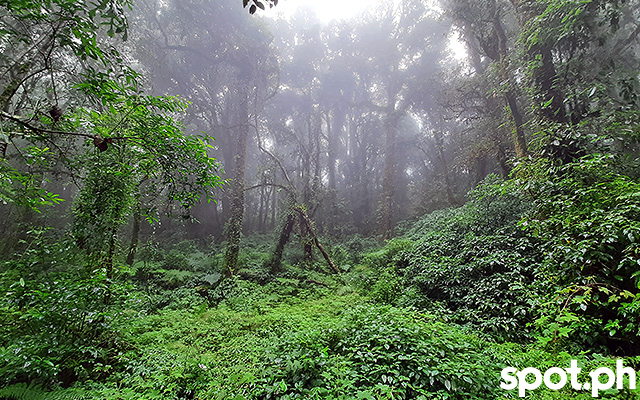
At the very summit, you can park your vehicle and walk through the Ang Ka Luang Nature Trail, which feels cool and otherworldly—it is a dense, mossy forest, after all! There is a small, white memorial that holds the ashes of the last king of Chiang Mai, Inthawichayanon, after whom the place is named.
Birdwatchers, with their binoculars and cameras with long telephoto lenses, flock here (pun intended) between March and July to enjoy spotting the many species that find sanctuary here. Between January and February, native Sakura trees turn the mountainscape pink!
The Two Pagodas or Chedis—Phra Mahathat Naphamethanidon and Nophamethanidon—are located five kilometers south of the summit. Phra Mahathat Naphamethinidon (“by the strength of the land and air”) was built on the 60th birth anniversary of King Bhumibol. Phra Mahathat Naphaphone Phumi Siri (“being the strength of the air and the grace of the land”) was built to commemorate the 60th birth anniversary of Queen Sirikit. The Inthanon Royal Project Research Station is also located here. Greenhouses and gardens help better propagate vast amounts and varieties of flowers and vegetables.
If your schedule allows, avoid the crowd on the weekends and between December and March. You must hire a private vehicle to get to and around the park. Some songthaews can take you up to the entrance, but you must change to another one midway.
Doi Inthanon National Park is in Ban Luang, Chom Thong District, Chiang Mai. It is accessible daily from 5 a.m. to 6 p.m. every day, all year round. Entrance to Doi Inthanon is THB 300. Access to the Two Pagodas is separate and costs THB 100.
How to Get to Chiang Mai, Thailand:
Cebu Pacific, Philippine Airlines, and Thai Airways fly direct from Manila to Bangkok. Each takes about 3 hours and 20 minutes.
From Bangkok, you can choose to go to Chiang Mai by air or land. Air Asia, Lion Air, and Nok Air fly between Bangkok and Chiang Mai (from Don Mueang Airport, not Suvarnabhumi). Thai Smile flies from Suvarnabhumi Airport. Flight duration is about one hour and 10 minutes. Trains and buses run between the two cities, with the train journey taking at least 11 hours (Special Express) and bus rides, about 10 hours. Book your tickets online.