
The Best Things to See and Do in Sagay City, Negros Occidental
The city exemplifies community-based and nature preservation practices.

(SPOT.ph) Just north of Danjugan Island, a model of environmental protection, there lies another destination in Negros Occidental that applies the same ideal community-based and nature preservation best practices. Sagay City, about two hours from Bacolod City, is more than just a side trip from the City of Smiles, as it is here where one can find a variety of eco-tourism spots.
Before you hit the islands, here are places to visit within Sagay City:
Legendary Siyete
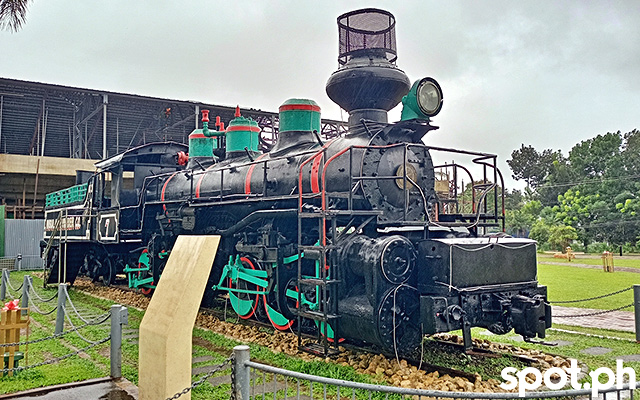
You can fill your backpack or luggage with souvenir items by visiting Sagay City's plaza, which is beautifully constructed with vast green spaces, an amphitheater, and a fountain that gleams for a lighting and sound show at night. The main draw here, however, is the relics of a historic steam train. Displayed on the plaza is a section of the front part of the locomotive called the Siete.
The Insular Lumber Company was the first to use the train in the 1930s to transport lumber during the province's logging boom. The Lopez Sugar Corporation later put the steam train to service carrying sugarcane from plantations to markets. After decades of operation, the Siete ceased to work and was left in ruins until it was purchased by Edgar and Sonia Sarrosa, who restored it and donated it to the City of Sagay.
In his book Iron Dinosaurs: Last Steam Locomotives of the World – South East Asia, author Colin Garatt referred to the Siete as the "World's most incredible steam survivor."
The Miraculous San Vicente Ferrer Church
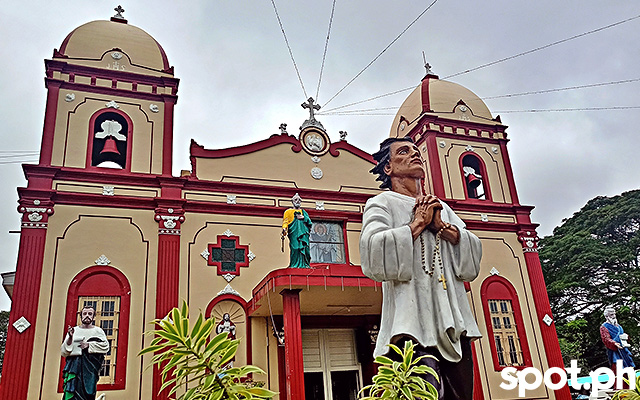
Fairly new compared to other old churches, San Vicente Ferrer Church’s connection to the local community is much more expansive, encompassing miraculous healing and intense dedication.
According to the history book, Handurawan, a fisherman named Juan Barco discovered driftwood while fishing on Molocaboc Island. He intended to use it as firewood, but after difficulties in setting it afire and several miraculous signs and manifestations, he chose to carve an image of a saint instead. That saint was later recognized as Saint Vincent Ferrer.
When we arrived on a Thursday afternoon, we saw devotees setting up camp on the Church's grounds to arrive early for the first Friday mass of the month, when the old wooden image of San Vicente Ferrer, believed to have miraculous healing powers, will be brought close to the devotees as part of the panaad religious vows.
This is when the devotional practice known as palapak is performed, in which the statue of St. Vincent Ferrer is gently pressed on the devotee's head.
Museo Sang Bata Sa Negros
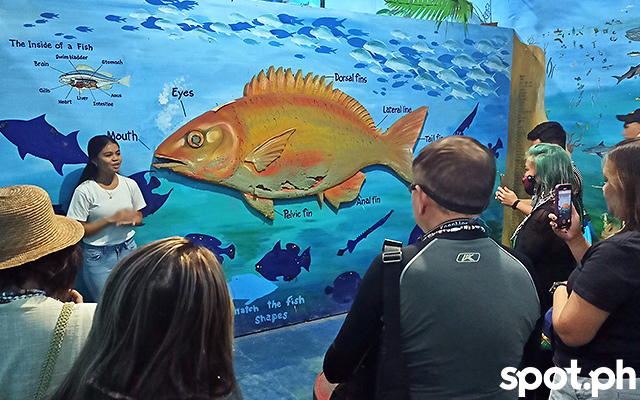
Located in the port area of Old Sagay is a unique museum fostering youth empowerment and knowledge. At the Museo Sang Bata Sa Negros (MSBN), children aged eight to 12 serve as tour guides for visitors. The museum's "Junior Guide Program" has helped many children develop a lifelong love of the ocean. Indeed, one of the earliest junior guides, who started in third grade, is now enrolled in a Marine Biology class.
The museum was established to raise knowledge of marine animals, particularly among the younger generation, notably those living in Sagay, where a substantial percentage of the local population depends on marine resources for a living.
During our visit, junior guides who joined the program in their early elementary school years showed us around the museum and taught us things I had never known.
Bougainvillea Artist Village
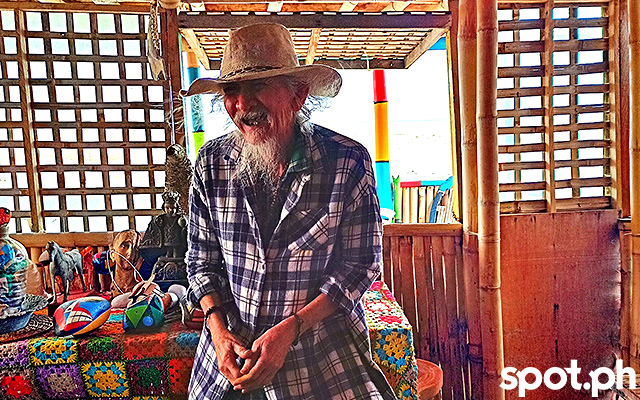
In Purok Bougainvillea, also in Old Sagay, a thriving art culture exists, and that is thanks to the presence of an art maestro.
Helen Arguelles, the Tourism Officer of Sagay City, muses, "Imagine living in a community where an artist of Nunelucio Alvarado's stature lives?"
Bougainvillea, Old Sagay is a neighborhood where Alvarado's artistic influence can be seen in the brightly painted houses, the folk dancing talents of the schoolchildren, and the countless others he has inspired to pursue different art disciplines.
Since becoming a center for the city's artistic community, this stretch of waterfront, with its few charming cafes, has become a must-see for tourists.
Maestro Nune, nominated twice for the title of National Artist, is a mainstay of the early 20th-century Manila art scene. Museums worldwide, from the National Museum of the Philippines to the Singapore Art Museum and the Fukuoka Asian Art Museum, hold examples of his work.
In his native Sagay, he and his wife Sally have set up residence in a hand-hewn and painted painting studio with views of the 32,000-hectare Sagay Marine Reserve.
Next, it's time to hit the islands off Sagay:
Carbin Reef
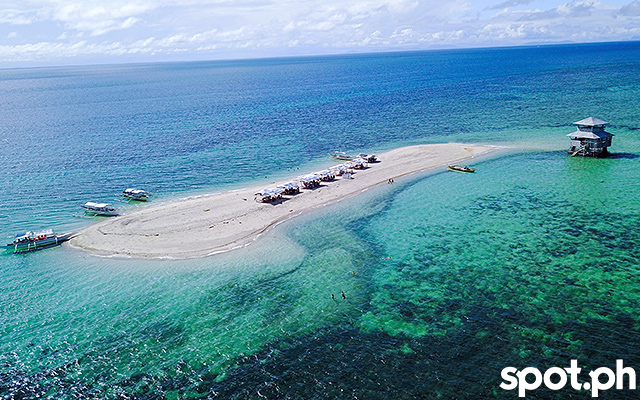
Carbin Reef, part of the 32,000-hectare Sagay Marine Reserve, is shaped like the tongue waggling out of the Rolling Stones' hot lips logo. Within the sandbar's immediate 200-hectare area is a hidden jewel of aquatic life. Visitors to Carbin Reef have many options for spending time in the water, including snorkeling, free diving, scuba diving, relaxing on the beach, and taking drone photographs for Instagram.
To kill time on our last day in Negros Occidental before moving on to another province, I flew my drone while walking the sandbar at Carbin Reef. The view from above is just as stunning as it is at ground level. Like Danjugan Island, Carbin Reef carries a daily visitor limit to maintain its natural appearance.
Carbin Reef fees: P2,500 boat for 8 p.m., P100 entrance fee, P800 cottage, and an optional P800 Buhay Dagat Snorkeling Package that includes two sets of gears and one trained guide.
How to get there: Upon arrival in Sagay City, just hop in a tricycle to the Tourism Office in Old Sagay to hire a boat to Carbin Reef.
Suyac Island Mangrove Eco-Park
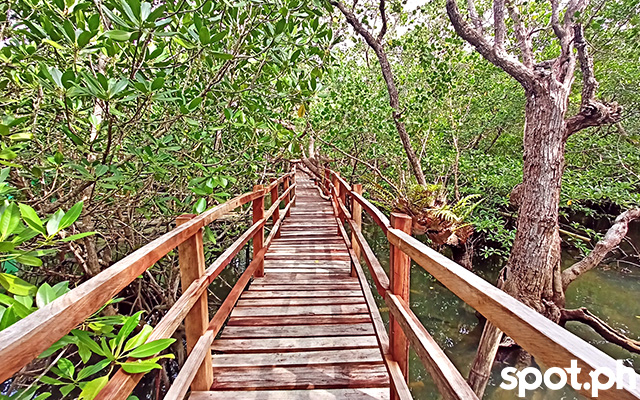
The local community maintains and operates its eco-park on Suyac Island, consisting of a mangrove forest measuring 15 hectares and a mainland measuring 1.8 hectares.
When guests arrive on the island, they are treated to a performance of traditional songs and dances. After that, visitors are led into the forest by community guides who teach them about the various types of mangrove trees before treating them to a delicious native meal.
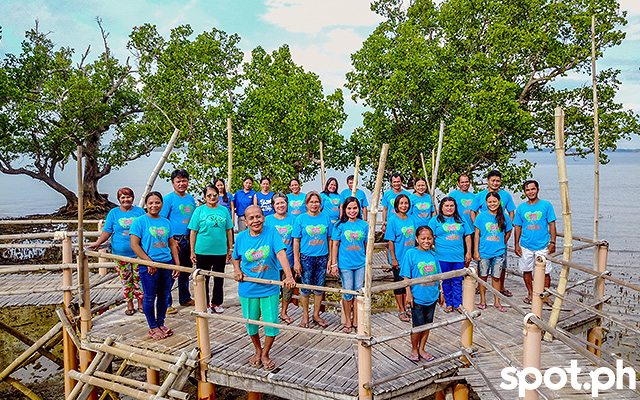
This eco-park is run entirely by the Suyac Island Ecotourism Tourist Attendants Association (SIETAAS), a group of over fifty members of the local community who have received training in tour guiding, hospitality, and nature conservation.
Suyac Island Fees: P6,500 Mangrove Tour Package with lunch for 10 people while a private boat going to Suyac from the port costs P1,000. You can wait for a passenger boat from Old Sagay Wharf to Suyac Island for a cheaper alternative.
Lapus-Lapus Floating Cottage
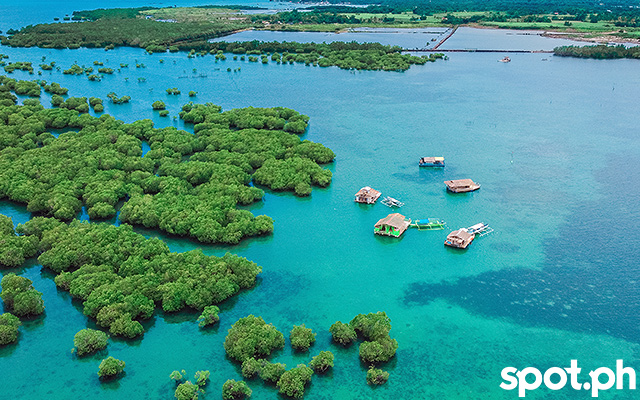
The Lapus-Lapus Conservation Area is another protected area in Sagay where tourists can take a trip aboard floating cottages and have a delicious lunch consisting of the freshest catch in the sea. This community-managed eco-tourism site is rich in biodiversity, featuring a gorgeous maze of mangrove forests with seagrasses, corals, and more. This eco-tourism destination not only ensures a sustainable life for the members of the local community but also gives visitors a taste of the great outdoors.
Lapus-Lapus fees: Floating Cottage with lunch for a maximum of 20 persons costs P8,000, while Kayak rent is P500.
Molocaboc Island
Molocaboc Island is a component of the 32,000-hectare Sagay Marine Reserve and can be reached from Vito Wharf in just 15 minutes by boat. This area of the Visayan Sea, rich in marine life, has been shielded from illicit fishing. Three islands make up Molocaboc: Molocaboc Daku, Molocaboc Diut, and Matabas. The island is also near the Pamawaan sandbar.
Molocaboc Island fees: Travel package from local tour operators in the area offers boat service from Vito Wharf to Molocaboc Island with Pamaawan sandbar for P3,099, good for 10 persons.
Where to Eat in Sagay City
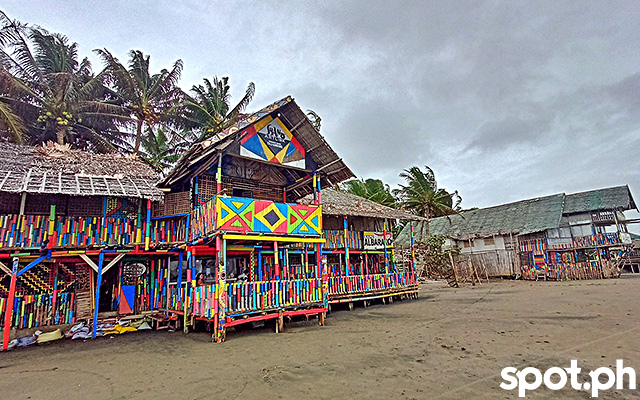
Surprisingly, there are a lot of family-run dining places in Sagay City, ranging from cafes to a variety of restaurants offering Filipino, Asian, and even Western cuisines. Top choices include Kape Albarako, located in Margaha Beach, almost beside the house of Maestro Nunelucio Alvarado. This place also doubles as an art gallery. There’s also the Japanese-themed The Greedy Pig and dozens of other established and newly opened establishments.
Where to Stay in Sagay City
You won’t have a problem finding a place to stay in Sagay City, as there are several small to medium-sized accommodations found in the city and some of its beachfront areas. However, this writer recommends Balay Kauswagan. It has decent, modest rooms, a spacious garden area with a large pool, and events and conference rooms.
How to Get There
From Bacolod:
Head out to the North Ceres Bus Terminal in Bacolod and board a bus going to Sagay City. Travel time is estimated at around 2-3 hours.
From Lakawon Island:
Ride a boat from Lakawon Island to Cadiz Port and take a tricycle to Burgos Public Market. From there, you can flag a bus going to San Carlos or Escalante, which will pass through the city of Sagay.
From Cebu:
There is a passenger ferry that leaves Tabuelan Port in Cebu going to Sagay every day at 2 p.m. and 2 a.m., and goes back from Sagay at 8 p.m. and 8 a.m.