
The Best Things to See and Do in Bohol for Two Days
We recommend this 48-hour itinerary.
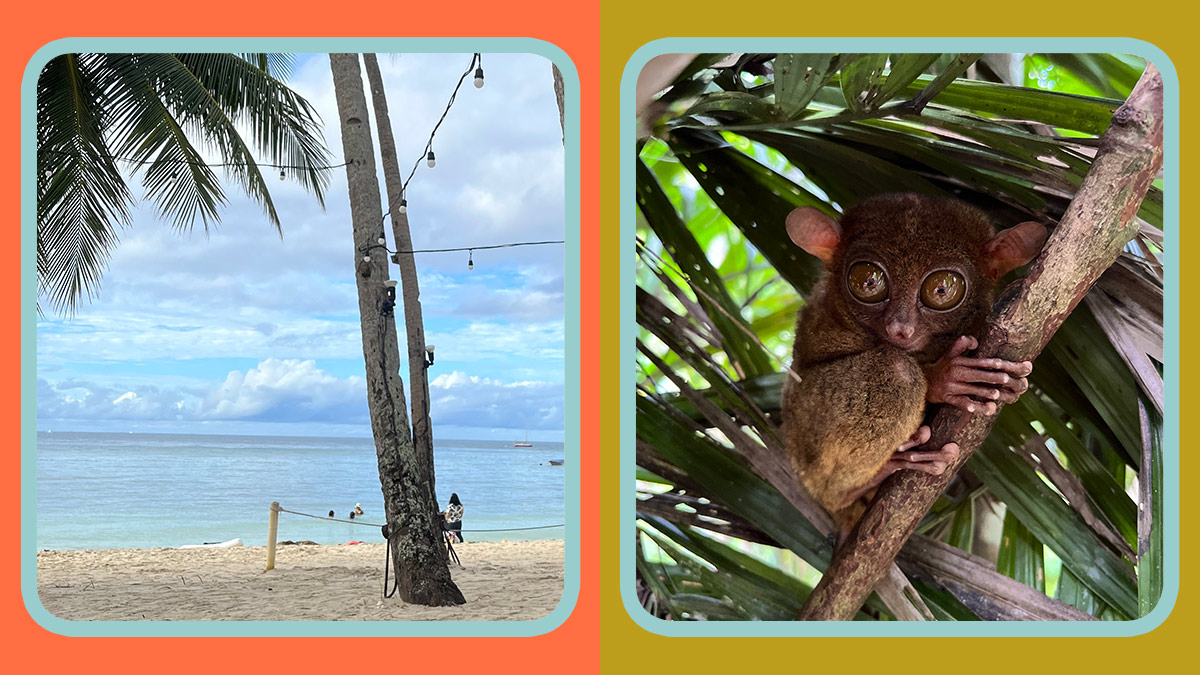
(SPOT.ph) Because the Philippines is an archipelago, expect to see notable islands with the most stunning coasts and waters in the world. Bohol is one of them. But what is unique about the province is that it has other interesting spots ranging from rare mammals, distinct land and water forms, and even man-made attractions. This place also holds some of the important decades of our history with the Spaniards.
Bohol, the 10th largest island in the Philippines, consists of one major island and approximately 70 smaller ones around it. It is oval-shaped and is located at the center of Visayas, to the east of Cebu, and to the west of Leyte.
Here's a list of places to see in Bohol if you only have two days:
Day 1: Bohol
Before we go to the beaches, we will first explore the in-land attractions of Bohol, which consists of a captivating mix of nature, wildlife, and history.
Chocolate Hills
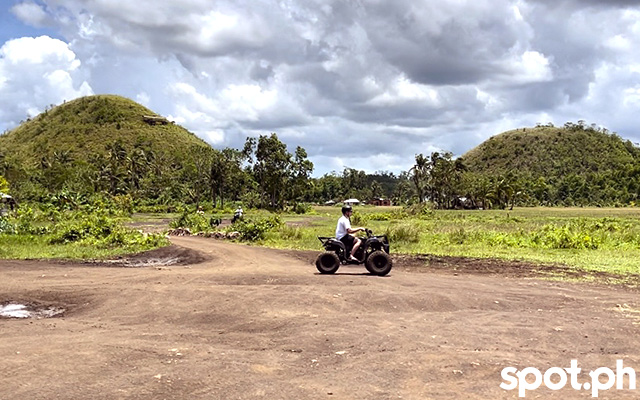
Bohol is almost synonymous with Chocolate Hills, as this geological wonder is the most iconic landmark on the island and is even featured in the P800 bill. It is considered the third National Geographic Monument in the country. The estimated 1,776 limestone mounds appear velvety green throughout the year and turn chocolate brown during the dry season. These hills are spread over 50 square kilometers and span the towns of Carmen, Sagbayan, Bilar, Sierra Bullones, and Valencia. Only two hills have been developed into resorts with viewing decks. There is also another viewing deck at Sagbayan Peak, about 18 kilometers away from Carmen.
If you want to enjoy the scenic backdrop of the hills with the added thrill, you may opt to have the Chocolate Hills ATV ride experience. An hour’s worth of ride will take you cruising around the rugged terrain of the foothills.
Philippine Tarsier Sanctuary
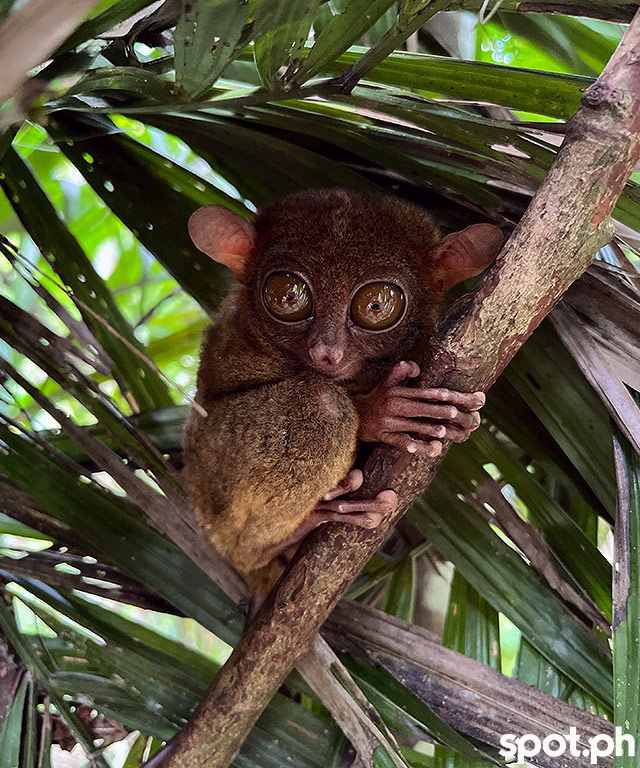
In the Philippine Tarsier Sanctuary located in the town of Corella, you will meet the famous Philippine Tarsier, which is a species of tarsier endemic to the country. They are the second-smallest primates with oversized eyes and bat-like ears. They only weigh about three to five ounces and are only as big as the size of an adult palm. Tarsiers are nocturnal and are very sensitive to loud noises and lights, which is why they’re mostly hiding or sleeping. These mammals primarily hunt for live insects at night, such as crickets, small birds, beetles, lizards, and frogs. This 45-million-year-old species is classified as “near threatened” due to low birth rates, exploitative tourism, and habitat destruction from logging and mining.
Manmade Forest
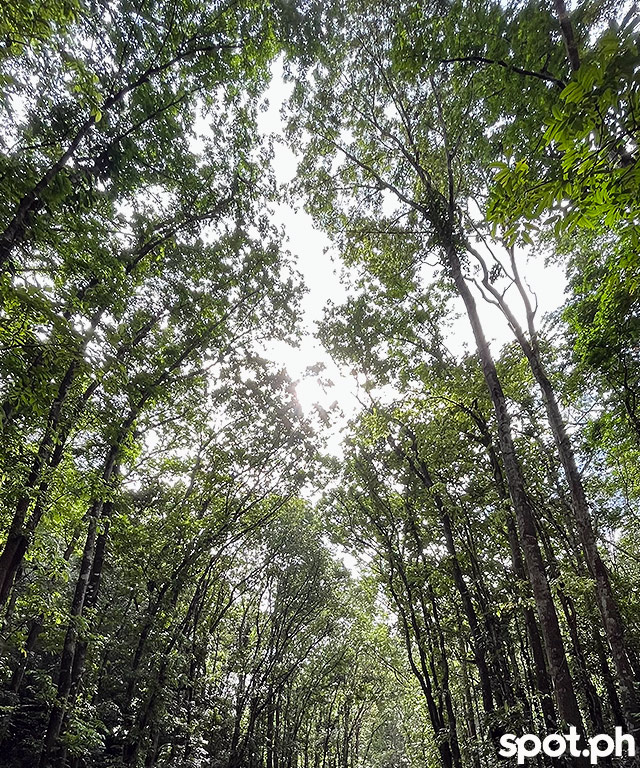
On the way to Chocolate Hills, you will pass by a man-made forest with towering densely planted Mahogany trees. Located on the border of Loboc and Bilar towns, this two-kilometer stretch of lush green forest was part of a reforestation project over 50 years ago. Composed of white and red mahogany trees, the trees stand tall as they grow, and the topmost part of the trees curves overhead to create a ceiling. Because the trees shield the sun, you will notice that the temperature drops quickly upon entering the forest. Most tourists take the opportunity to have a photo at the center of the road. Just make sure that there are no approaching cars on either side of the road!
Loboc River Cruise
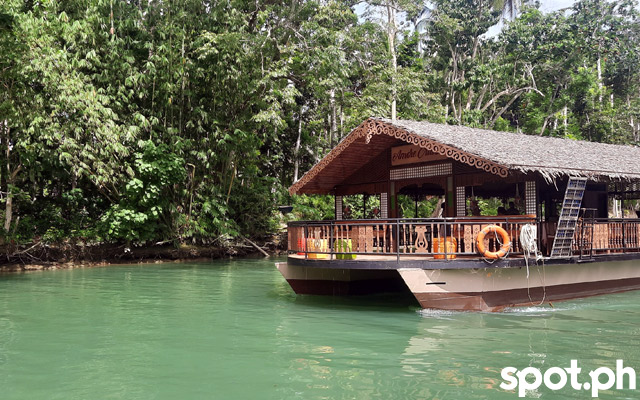
Imagine having a relaxing lunch on a river cruise while marveling at nature’s wonders and being serenaded by local folk singers. This is the Loboc River Cruise. On this tour, you are taken to see the Loboc River, passing hundreds of nipa and coconut trees, the Loctob Spring, and Busay Falls. The green river spans about 1.5 kilometers and is located in Carmen. It is one of the 12 major rivers connecting Bohol’s upland ecosystem to the sea and is the province’s largest watershed reserve. It is also home to the Philippines endemic red-keeled flowerpecker. If you want a different Loboc River experience, you might want to try the stand-up paddle board tour for a more sustainable visit and to see the surrounding nature up close.
Baclayon Church
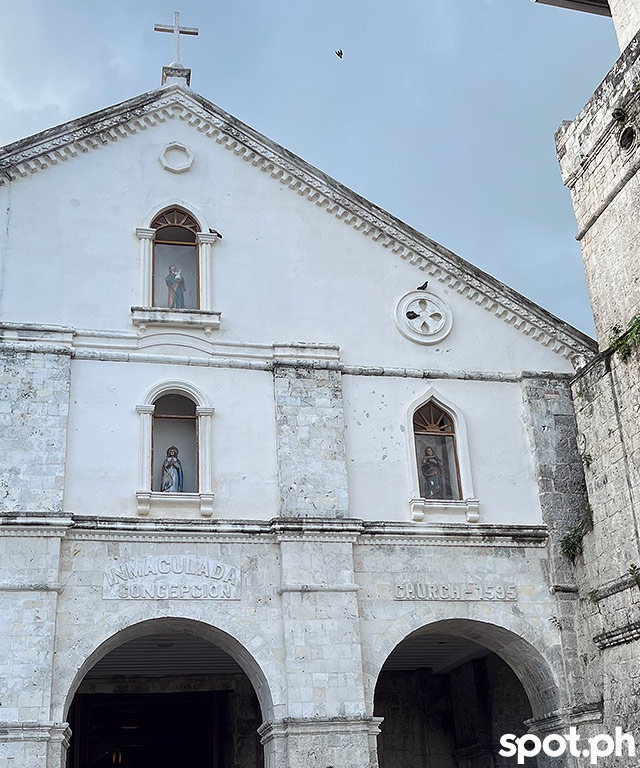
Baclayon Church (or the Church of Our Lady of the Immaculate Conception in Baclayon) is one of the oldest stone Catholic churches in the country. It is declared a National Cultural Treasure by the National Museum of the Philippines. It was made from coral stones and was cemented using egg whites in 1727, and these original materials remain structurally intact up to this day. The church was founded in 1956 by Jesuit priests Fr. Juan de Torres and Fr. Gabriel Sanchez, only a few decades after the Spaniards arrived. In the 19th century, the Augustinian Recollects rebuilt the facade and added stone towers around the site.
Blood Compact Shrine
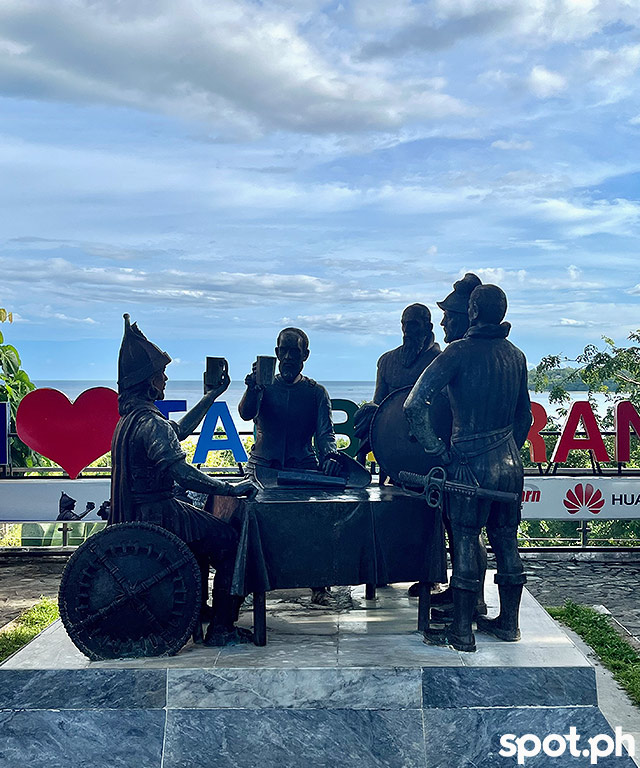
One of the most historic events in Bohol during the time of the Spanish was the Blood Compact or Sandugo, which means one blood. On March 16, 1565, this peace treaty was between the Filipinos, headed by Datu Sikatuna, and the Spanish, led by General Miguel Lopez de Legazpi, upon setting foot in Bohol. This ceremonial act was a symbol of trust, confidence, and diplomacy after the Filipinos had already become skeptical of the foreigners who visit the country. The pact is made by drawing a small cut on the arm with blood placed in cups with wine. A monument was built in bronze sculpture by Napoleon Abueva, a Boholano National artist. All of us definitely know about this from our grade school lessons, and it would be good to witness history out of the books.
Day 2: Panglao and Other Islands
The Panglao coast and the surrounding tiny islands have one of the best beaches, and you do not want to miss an adventure with the sea with any chance you get!
Alona Beach
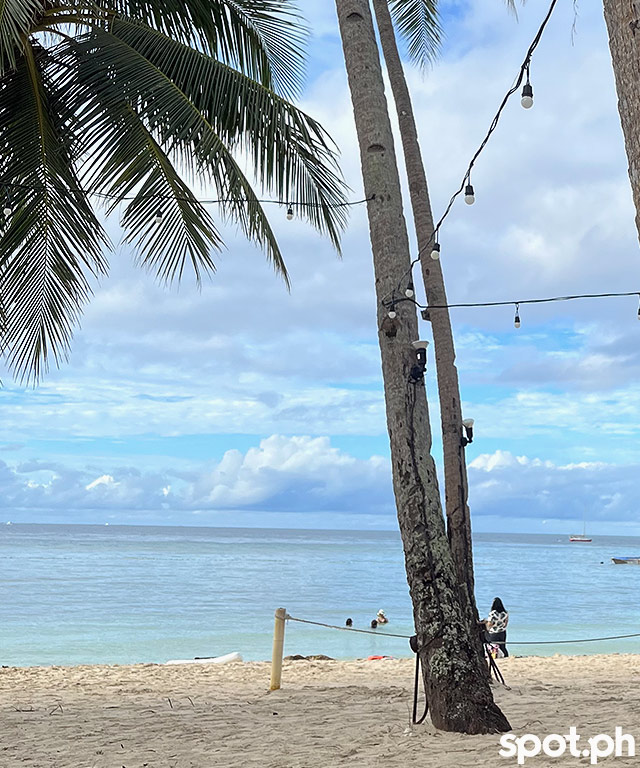
The narrow strip of white sand beach called Alona Beach is situated in Panglao. The name of the beach is derived from Alona Alegre, an actress who shot a film in the 70s when the beach was yet to be discovered. Considered as one of the best diving destinations in the world, Alona Beach is located near a house reef. Its shore stretches 1.5 kilometers long and is lined with tons of resorts and restaurants. This is considered the main area to enjoy Bohol’s beach nightlife.
Hinagdanan Cave
Only 15 minutes away from the Alona shore is an underground treasure called Hinagdanan Cave. Located in Dauis on the northern coastline of Panglao, the cave was unearthed by a local farmer who was clearing his land and stumbled upon two holes in the ground. He dropped a rock down the hole and heard a strong splash. He constructed a ladder, the origin of the name coined for this popular attraction, to check it out and discovered an enormous underground cave with a freshwater cave pool. You don’t need a flashlight to appreciate its beauty, as there is natural light from the holes in the ceiling. Inside, you will see large stalagmite pinnacles hanging from the ceiling, and they are reflected in the glistening turquoise waters below. The natural pool is around 4 meters deep and has space for swimming and rock jumping.
Virgin Island
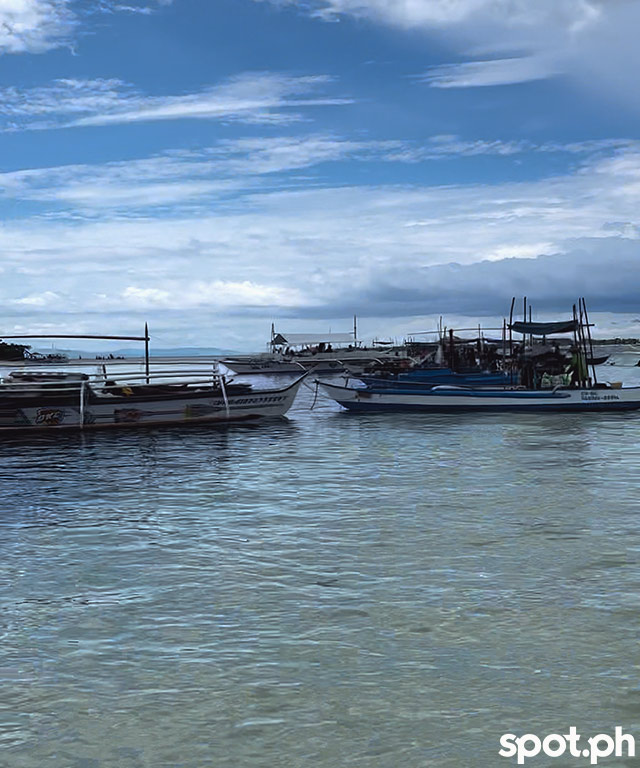
More commonly known to tourists as Virgin Island, Pungtud Island is a stunning C-shaped sandbar that is exposed during low tide. It lies in a relatively shallow area between Panglao and Balicasag. If you want a place to relax and sunbathe, this is the perfect place for you to appreciate the beauty of Bohol waters. The sandbar is also an Instagrammable one because you look like you’re on top of the water in photos.
Balicasag Island
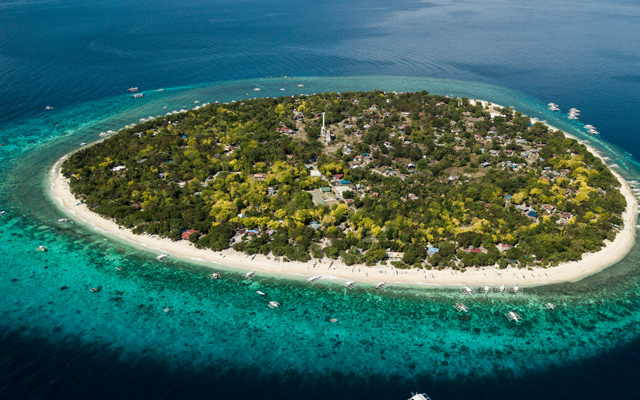
A perfectly round-shaped island off the coast of Panglao, Balicasag Island is a marine sanctuary inhabited by dolphins, fishes, and corals. There are lots of things you can do in the underwater haven surrounding the island, including dolphin watching, snorkeling, and fish feeding. It is also one of the top diving spots in the Philippines, where you will swim with sea turtles, jacks, and barracudas. The spectacular dive sites around Balicasag are the Balicasag Marine Sanctuary, Black Forest, Turtle Point, Cathedral Wall, Diver’s Haven, and Royal Garden.
Where to eat and drink in Bohol:
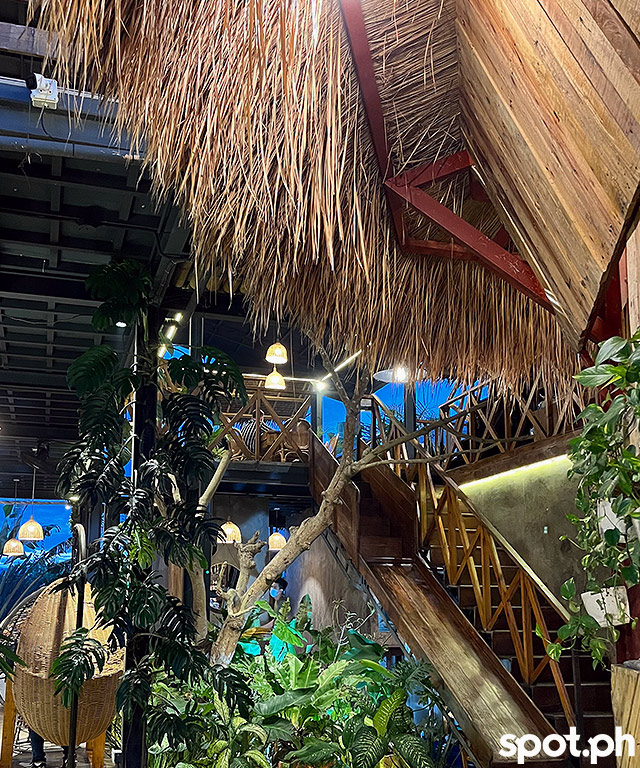
Some of the newly established restaurants in Bohol have nice aesthetics and good food. Two of the most Instagrammable food places are Mist Cafe and Restaurant and Molly Bistro. Mist is a tropical rainforest-themed restaurant with a three-story modern nipa hut structure. This fusion restaurant has innovative menu items such as the sea urchin custard and iced baby bear latte, as well as classics such as surf and turf. Molly’s Bistro, on the other hand, is a Balinese-style restaurant serving Southeast Asian food. Bestsellers include the Crispy Pork Leg, Chili Garlic Sea Crab, and Cheesy Fry Sea Crab. Another famous spot is Barwoo, a tropical Asian bistro and bar. They specialize in Korean dishes, so you must order the Korean BBQ Platter, noodles, and bibimbap. If you want organic food and some refreshing desserts, check out Bohol Bee Farm and be sure to try their Malunggay Ice Cream!
Where to stay in Bohol:
There are a lot of resort options on the island, and most of them are concentrated along Alona Beach. For luxury stays, you can try out Eskaya Resort, Amorita Resort, and the newly built Mithi Resort and Spa. For mid-tier choices, Henann Resort Alona Beach, Henann Tawala Resort, South Palms Resort, and Bellevue Resort are good picks.
How to get around:
Getting around Bohol is pretty easy with various modes of public transportation such as jeepneys, tricycles, buses, and motorbikes. But if you’re going with a big group, we recommend getting a private car rental.
How to get there:
If you’re coming from Manila, you will be landing at Bohol-Panglao International Airport. If you’re coming from Cebu, the most common mode of transport is by ferry. You will be departing from the Cebu Pier 1 Ferry Terminal and docking at Tagbilaran Pier, the most convenient ferry pier as it is relatively near the tourist areas. Fare prices cost around P850 per person.
What pasalubong to buy:
For the people back home, you can give them a taste of Bohol by bringing home some Kalamay, a well-known sticky and sweet delicacy. Another favorite pasalubong from this province is Peanut Kisses, a sweet treat made from peanuts and egg whites.
Check out more things to do in Bohol:
Also read:
The Best Things to See and Do on Danjugan Island in One Day
The Best Things to See and Do in Cavite in 36 Hours