
Seeing Masungi Thru A Forest Ranger's Eyes
There's definitely more to Masungi than getting that "sapot" snap.
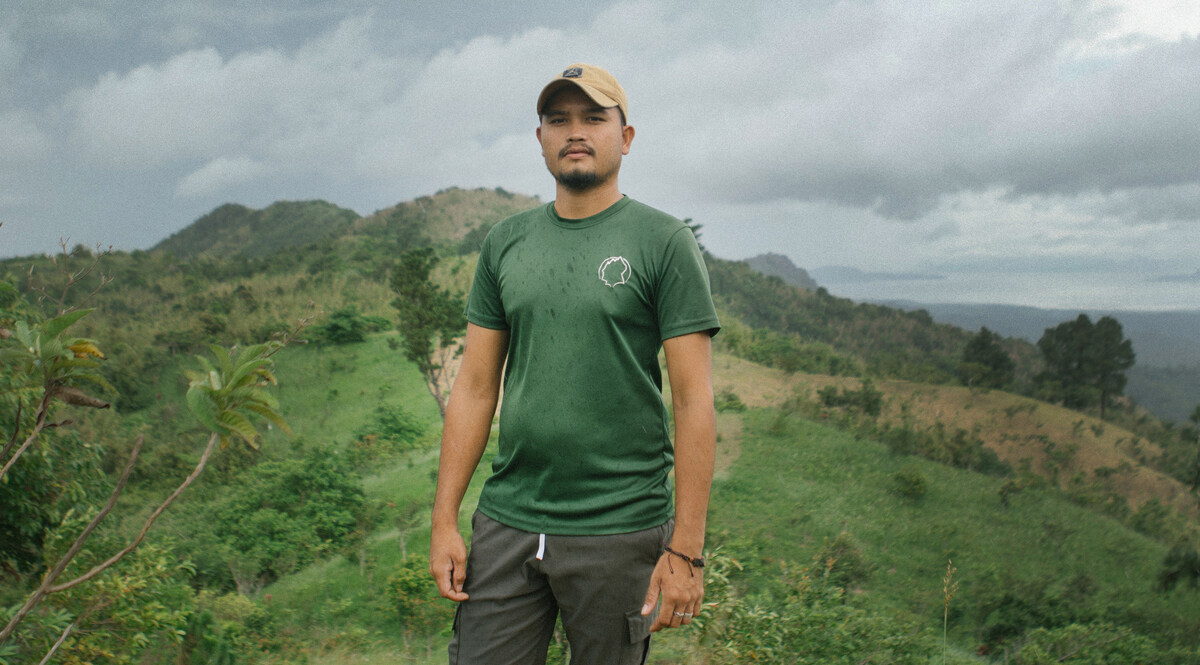
(SPOT.ph) There is a saying: The best time to plant a tree was 20 years ago; the second best time is now. Yet as much as we all agree, most of us don’t exactly dream of spending our free hours planting trees. In fact, some people have mentally clocked out of the idea entirely, due to the fact that many tree-planting initiatives suffer from what I like to call “ribbon-cutting culture”—we’re all nice and shiny and hopeful at the start but we just don’t have the dedication to see things through.
It’s difficult, in the year 2024, to speak on matters involving the environment without some cynicism, but we can also admit to that same cynicism crippling us from taking action—action that caretakers and rangers such as those at Rizal’s Masungi Georeserve are more than happy to take. The public came to know about the geological treasure some seven years ago when it was launched as a foundation. Under a 2017 landmark agreement facilitated by and with then-Secretary of the Department of Environment and Resources (DENR) Gina Lopez, approximately 2,700 hectares of deforested land in Tanay, Rizal became the focus of a rehabilitation project that hikers, tourists, and nature enthusiasts now happily put on their bucket lists.
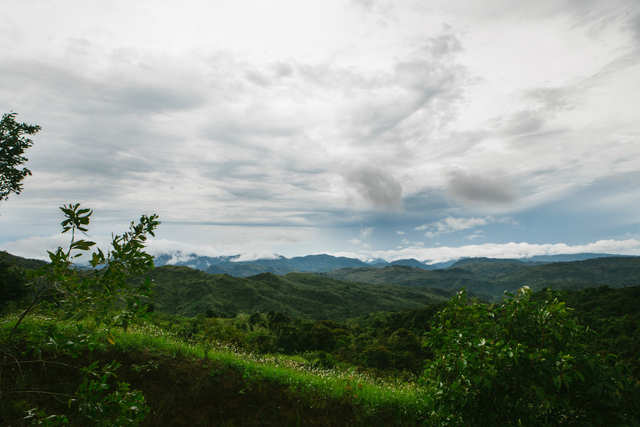
The Georeserve offers three different trail experiences; we love a little bit of a challenge here at Team Spot so it had to be the Legacy Trail (P 1,500/person on weekdays, P 1,800/person on weekends)—a four- to six-hour trek to the peak and back. It is so called for its many educational rest stops, including a quick siesta and a visit to their sapling nursery, where, if season and weather permit, you get to help care for a growing tree.
The consummate adventurer knows that Masungi Georeserve can get pretty booked and busy. At time of writing, the Legacy Trail spots for July are drying up fast, and there’s one September weekend already blocked out this far in advance. So just make sure your party (of at least seven) plans well enough ahead, arrives on time to start, and dresses accordingly.
Hours 1-2: Meeting Masungi's Kuya Nilbert
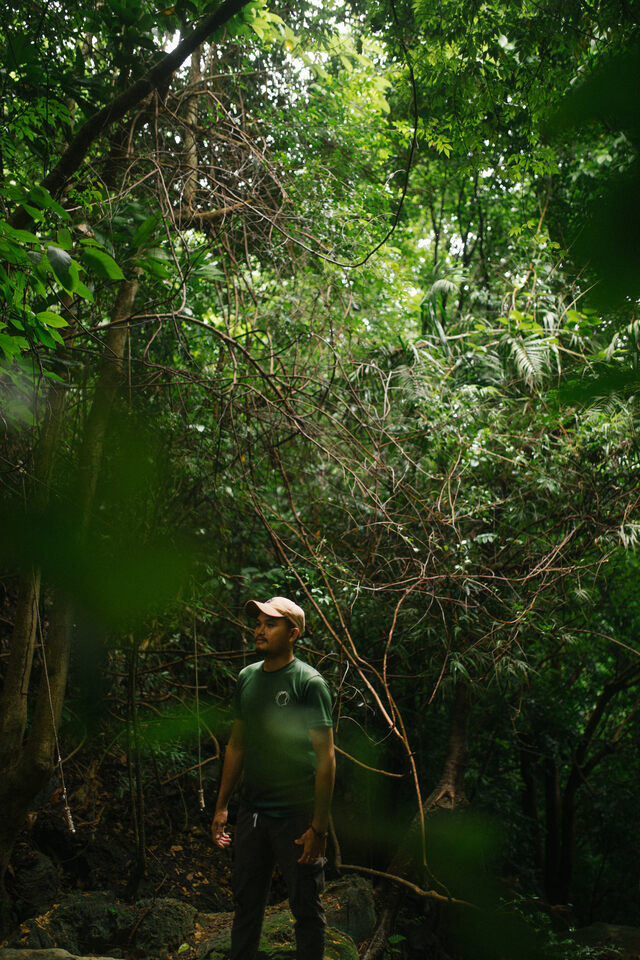
We are privileged to do this trek with one of Masungi’s expert guides, Nilbert Marquez, a forest ranger and officially the Operations Head of the Legacy Trail. “Tinatawag po namin na Legacy Trail dahil ‘yung mga natutunan niyo rito, ‘yun ang mga gusto naming ipasa,” he tells us. “[Gusto namin] sana ‘yung trabaho namin dito ay maaari rin gawin sa ibang parte ng Pilipinas, kaya ipinapahayag namin ito sa lahat, kasi lahat naman po tayo apektado.”
Masungi guides like Kuya Nilbert never let anyone trudge ahead without a general safety briefing. Whether you’re a city slicker attempting to commune with nature or are just used to city noise, you’re forewarned—you won’t see many animals, if at all, and if you go during the day, most of them are probably nesting or sleeping, so go in with soft voices. “Marami pong mga hayop dito ay nocturnal,” our expert says, “kaya hinihiling po namin na huwag po tayong sumigaw o tumawa nang masyadong malakas.”
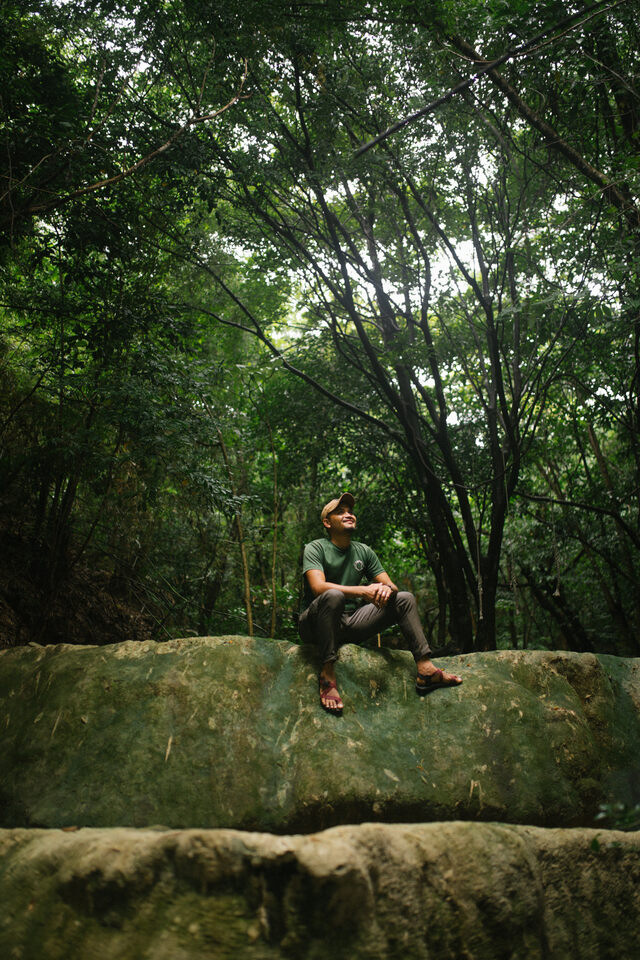
Kuya Nilbert is a successful and highly knowledgeable guide. He hails from the hillsides of Quezon and is one of the Dumagat, for whom nature is considered sacred and vital. He is cheerful and friendly but knows automatically when being serious counts. He is adamant about what matters but savvy enough to make what matters matter to his small audience of first-time hikers. “May mga grupo rin ako na international tourist; kayang kaya naman,” he offers sheepishly. It’s clear he’s been doing this for a while and has encountered all kinds.
Also read: 10 Restaurants in Rizal With a View Worth The Drive
Every so often, Kuya Nilbert dispenses a lesson about navigating the forest. That if we’re having a little trouble balancing, we’re free to steady ourselves with the growing bamboo (as long as it’s green, not brown—try not to learn this the hard way). We learn after the “test” of the first 400 steps that natural, dense bamboo growth can be an indicator of previous destruction—so the stalks we saw were technically invasive.
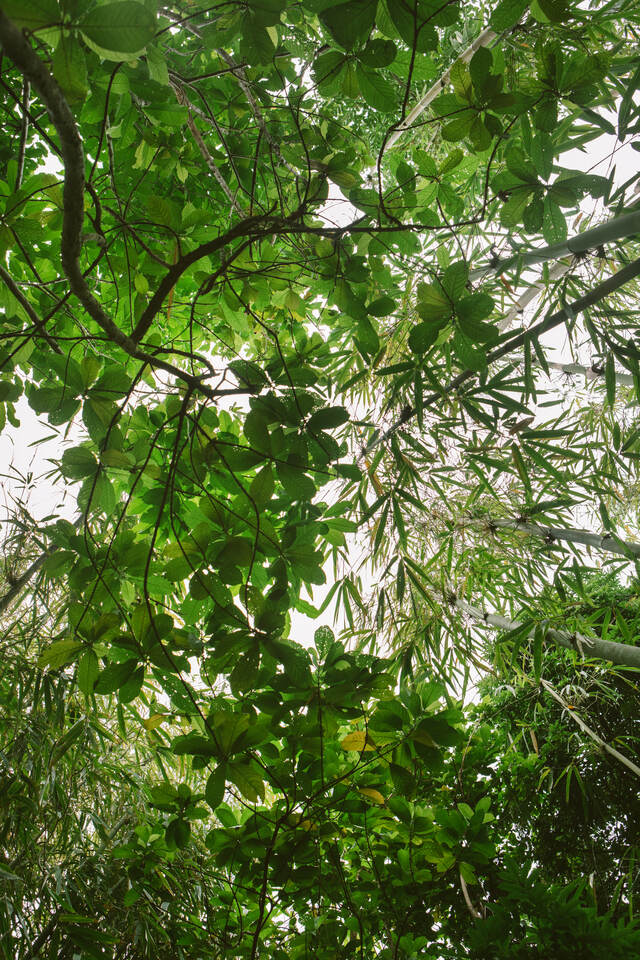
“Noong una, ang buong lugar na ito ay biktima ng maraming ilegal at nakakapinsalang gawain,” our guide shares. “Higit pa sa deforestation mula sa illegal logging, nagkaroon din ng overmining ng limestone at iba pang mineral; mga professional squatter at mga may balak magtayo ng resort na sumusubok na mag-claim. Mas tuyo at mas maraming tao noon kaysa ngayon, kaya hindi rin naiiwasan magka-sunog. Kahit na gawin ng mga tao ang lahat ng ito, hindi namin isasailalim ang sinuman sa pamumuhay nang ganoon; bahagi ng mga responsibilidad namin dito ay tiyakin na wala pong makaka-istorbo sa bagong growth.”
The trail is marked primarily with said limestone that can already be found in the georeserve. Within the first hour, however, you will find yourself removing your shoes at the threshold of a kind of hut—small enough not to disturb, but large enough for a little classroom moment for you and your companions. You will learn that the biodiversity within Masungi alone may be mind-blowing to most people.
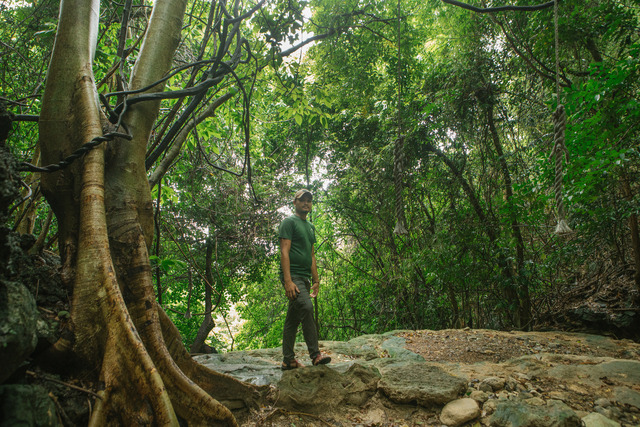
“Sa huli naming bilang, may 47 species of snails po dito sa georeserve,” says Kuya Nilbert. “Tapos may mga seasonal flowers din po kami na namumulaklak sa tamang oras, halos; ginagawa talaga namin lahat upang matulungan ang reforestation na naaayon sa kailangan ng lugar.”
Hour 3: Meeting the children
If you happen to pick the Legacy Trail, unsurprisingly, as the trek progresses, you will encounter more bamboo and limestone in various stages of growth or wear. Your guide will likely have you stop every 100 to 200 meters or so, but what you’ll notice as you venture further and further along is how clean the air is. We would say you’ll be breathing easy if not for the fact that, at this juncture, you’re still headed uphill. Of course, people like Kuya Nilbert hardly break a sweat.
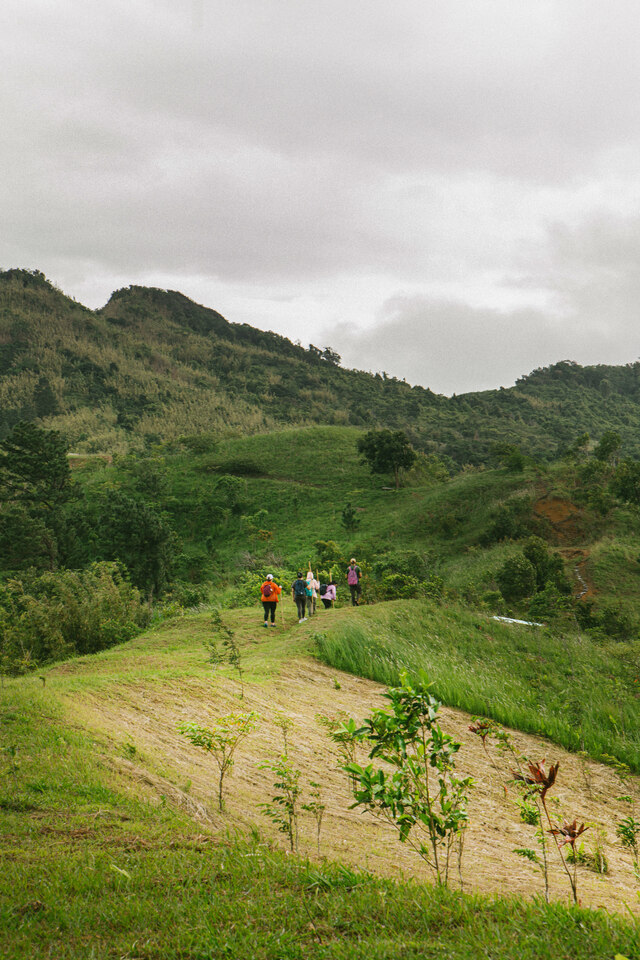
“‘Yung trail na ‘to, mga dalawang beses ko lalakarin, kahit walang grupo, ma-check lang ang mga puno,” he says, above our group’s huffing, puffing, and waiting for one or two more of our number to catch up.
But it won’t be too long before the tree “nursery”, a patch of land close to the peak—and a much closer look at the Sierra Madre mountain range than you’re probably used to—where young trees are given their best chance at growing. “Parang mga anak lang,” our guide says, with zero hesitation.
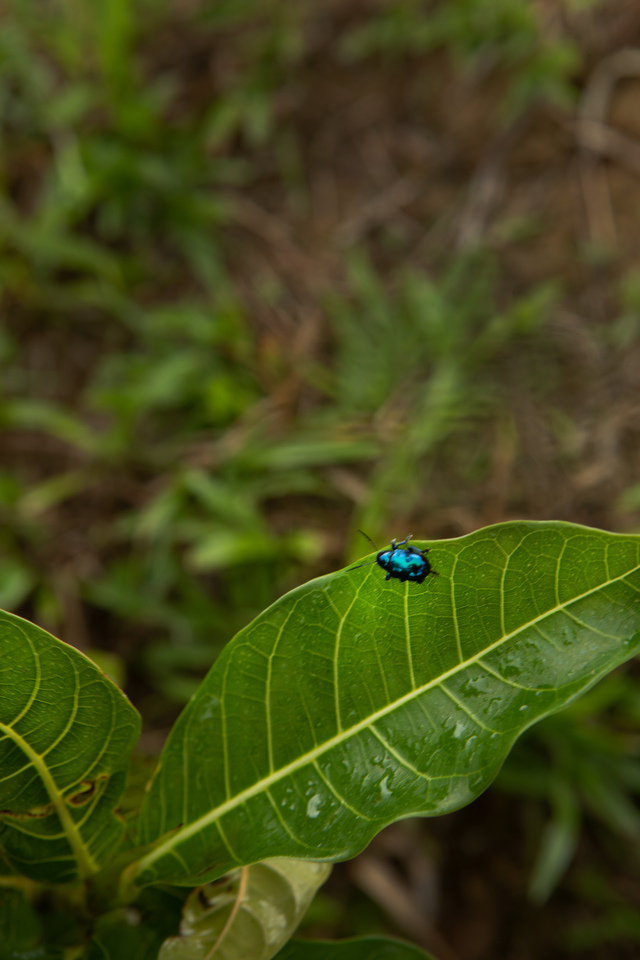
When he’s not spearheading hikes for explorers, Kuya Nilbert is inspecting and monitoring the growth of various plants and saplings in the area. “May panahon po na maliliit at mahihina pa sila, at may ibang mga halaman na pumipigil sa kanillang paglaki; ‘yan din ang tinuturo namin sa iba. Gayunman din, sa amin na nag-aalaga sa kanila, parang anak na rin po namin ‘yung mga puno.” Other caretakers in the past have described their experience in a similar way; they care for these plants and trees for years, and to the point of great sacrifice, like any parent.
Soon, we catch sight of a sapling for which Kuya Nilbert stops—the leaves around it seem perfectly ordinary to us until he casually rips a vine away. “Sina-suffocate niya po ‘yung puno. Nalanta ‘yan, ilang araw lang,” he explains; a fact we never would have known otherwise. We carry on, the sound of running water floating in and out of earshot, towards lunch.
Depending on the time of year, you may witness the remnants of great rivers; at the time of our visit, we only saw certain streams, or smoothened rock formations that got that way from rainy seasons past. The water we do see runs clear, thanks at least in part to all the limestone.
Hours 4-5: Here comes lunch
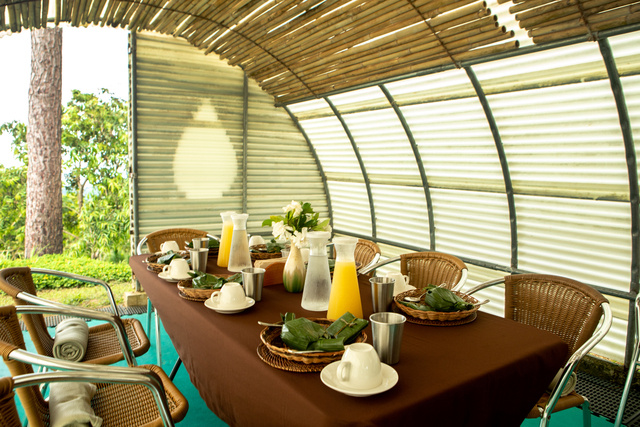
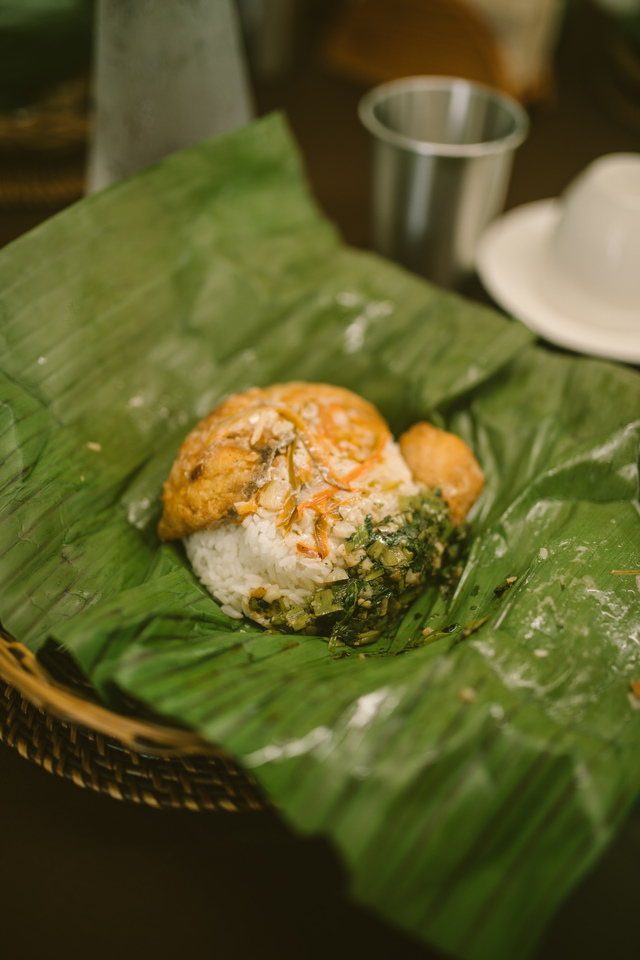
Lunch is served in yet another low-impact structure—just sturdy enough to protect your group from the elements, but open enough to enjoy them in their panoramic potential. Here, you can look forward to what the caretakers fondly refer to as Minalot, a hearty rice meal (with your choice of fish, chicken, or tofu) wrapped in a banana leaf. “Biro po namin ‘yan dito,” Kuya Nilbert laughs. “Masungi plus binalot is Minalot.”
The meal itself is prepared nearby and sourced as responsibly as possible. “Inihahanda po ito sa ibang lugar, dahil may risk po ng sunog,” our guide adds, “tapos dinadala nila dito, ready to eat na po.” We wheeze weakly at this—yet another testimony to the Georeserve’s workers and their incredible lung capacity.
About 20 meters off is a nest-web of ropes and little cottage-like suspensions, all perfect for a nap, though perhaps not for pictures—it’s a long drop down from your pocket to the ground. All the ropes are tied to sturdy pines, planted decades ago under a not-so-different administration in an attempt at beautification; this project would soon be abandoned for reasons unclear.
This part of the georeserve is almost completely silent. “Walang silbi ‘yung mga pine sa endemic na wildlife; kaya wala po masyadong pugad dito,” says Kuya Nilbert. Such as in the case of the bamboo, the caretakers still deem it unwise to simply start again when these trees thrive in the cool air at the peak and, again, help prevent certain disasters. The other rangers tell us they just try to control their numbers and limit them to these particular areas as best they can so that they don’t harm the native species.
Reluctantly—in part because the siesta is so comfortable, and there’s hot tea, but mostly because it’s raining at this point—we make our long descent back to the foot of the mountain on Kuya Nilbert’s signal.
At trail's end and a message from Leo
We don’t go back the way we came, although that is an option depending on several factors. Fallen leaves of various shapes and stages of decay line the rough, descending path, just as they did on the way up; every quarter mile or so presents a new patch of foliage that urban eyes typically wouldn’t notice.
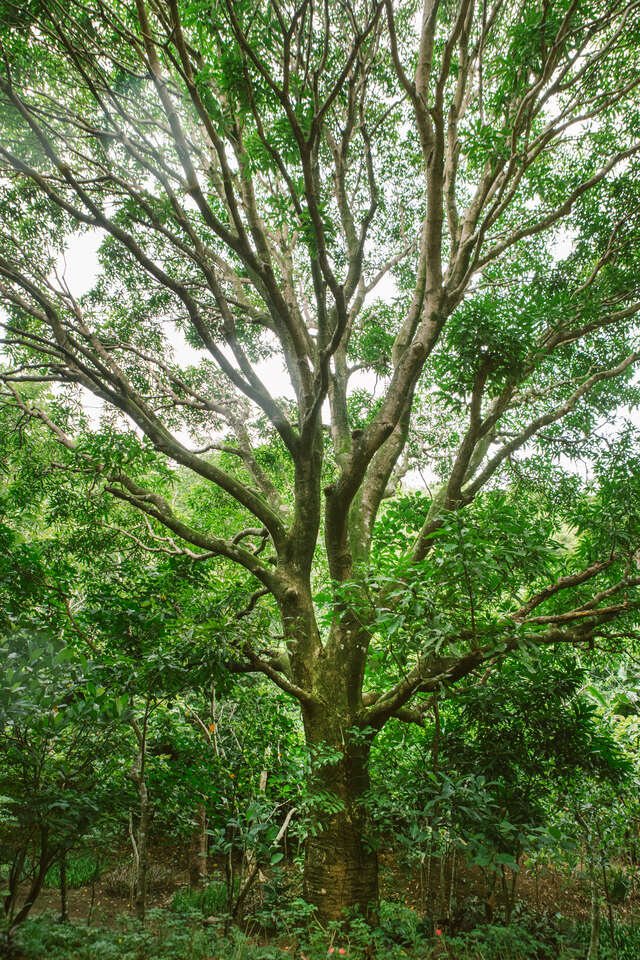
More than once we wish out loud for a giant slide instead of more limestone and worn dirt roads—we are only human—but our guide reassures us we are somehow still one of the quicker groups he’s had to lead. “Marami sa grupo niyo first-timer pa, bilib ako!” he says, with no hint of irony. With that compliment, the final step onto the even ground of the base is all the more satisfying.
Kuya Nilbert presents us with cold towels, a washing-off station, a changing room, and a petition to sign. Some of you may have seen actor and environmental activist Leonardo Dicaprio’s Instagram post highlighting the opposition the georeserve faces, despite its many international awards and contributions to both the environment and the Philippines’ global public image. Additionally, in the midst of findings that urban areas with denser greenery have lower heat indices even at the peak of summer, the communities surrounding Masungi enjoy cold morning air and bearable noons, as well as the fruits of lower-impact tourism.
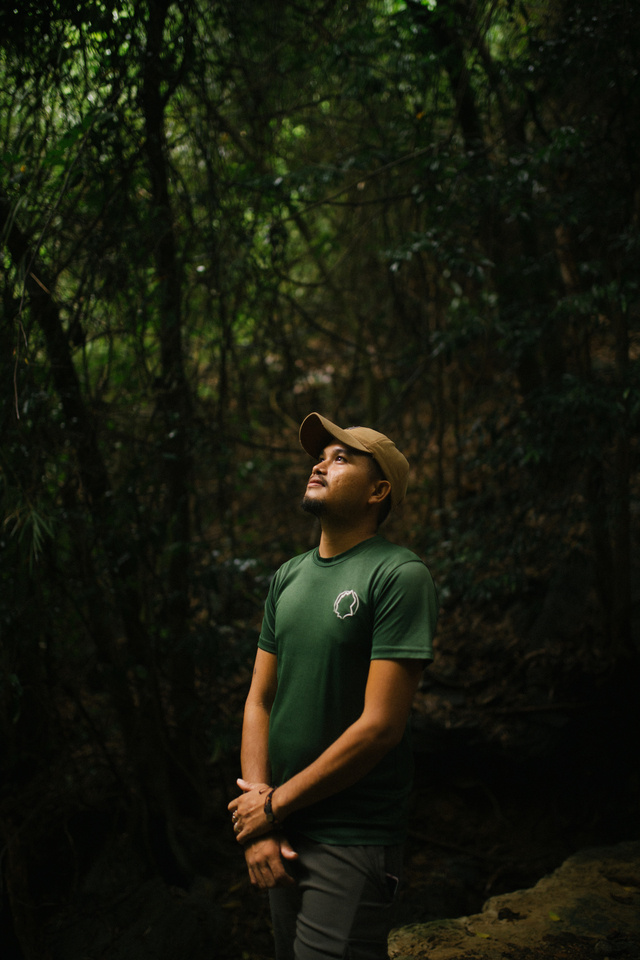
When asked about the specific reasons behind the push to dissolve the 2017 memorandum of agreement, the caretakers don’t offer much more clarity; they only know their work, how to pass it on, and that it is unlikely that they will be permitted to continue should the dissolution proceed. The resorts and leisure centers that they are accused of putting up are the very ones they try to get rid of because those disturb the wildlife, they say. Indigenous people like Kuya Nilbert find “meaningful and culturally relevant” work here, as opposed to the claims that the georeserve infringes on their rights. They work alongside a few former Manileños, even, who have uprooted their lives for Masungi’s core cause.
From the brown, barren desert it was in the late 1990s, Masungi thrives today, with caretakers, guides, and rangers alike witnessing firsthand the return of several displaced animal species as a result. With them comes new life, restored to the balance of old—or close enough.
“Hindi pa rin katulad ng dati,” clarifies Kuya Nilbert, sounding firmly grounded on reality but hopeful. “Pero papunta na rin doon.”
Also read: Leonardo DiCaprio Joins Call To Save Masungi Georeserve