

National Museum's Jeremy Barns on The Books That Shaped Him
For Museums and Galleries Month, here's a glimpse at Jeremy Barns' reading life.
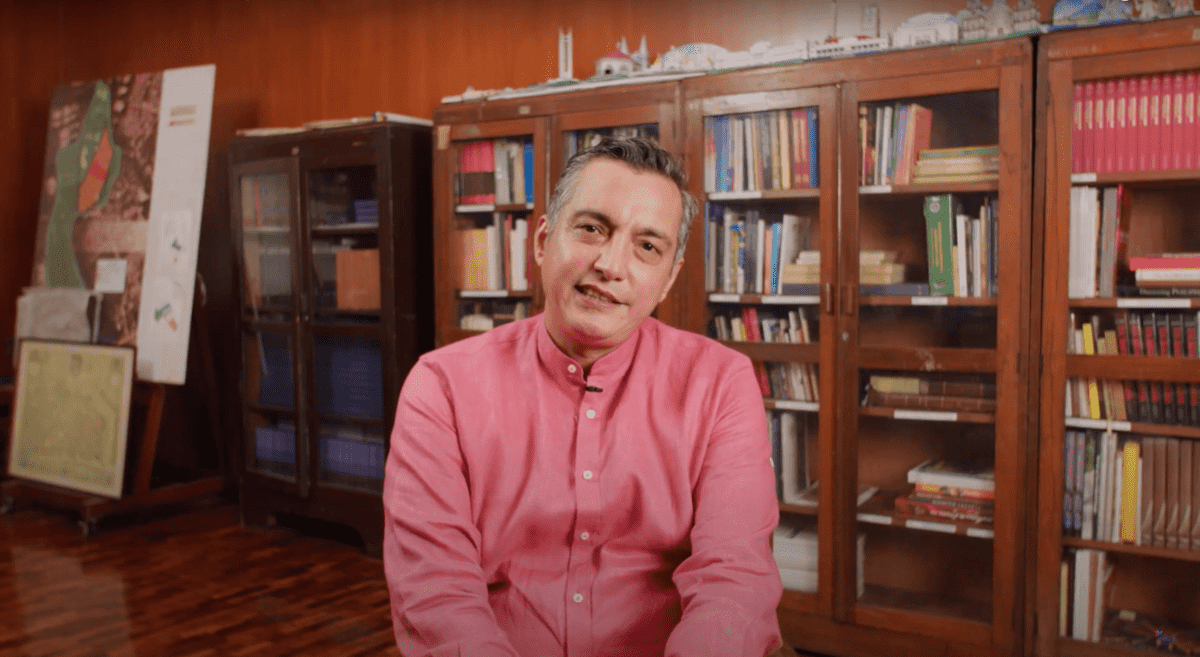
(SPOT.ph) Jeremy Barns’ personal bookshelves are filled with 19th and 20th century classics, the very same books that that has steeped him in history, arts, and culture, and laid the foundation for his career path. “The thicker the book and the longer the series the better” the National Museum’s Director-General says in an episode of Show Your Shelf, an online show produced by the National Book Development Board-Philippines that promotes love for reading.
Being an only child, Barns turned his attention to books to entertain himself. Science Fiction and fantasy are his genres of choice, which he says he still enjoys until today. He has devoured the epic J.R.R. Tolkien books from Hobbit to the ones from the Lord of the Rings series, to The Silmarillion—this last one a first edition copy gifted to him by his father. “I love character development and big story arcs. It really is something that takes me to a great place,” he says.
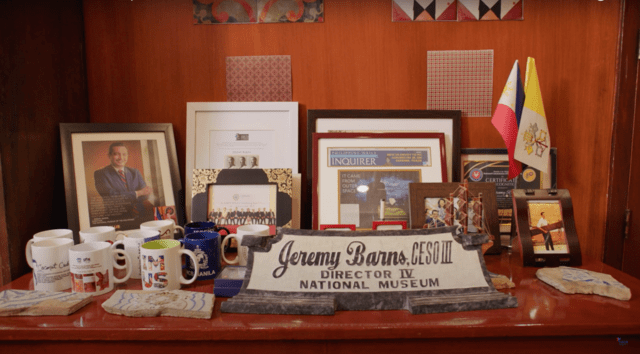
How reading led Jeremy Barns to a career steeped in history and culture
Barns’ current role at the National Museum demands that he has a vision for the future while “keeping the legacy of the deep past”; his reading references have armed him for these challenges. “[Reading] is what made me an enthusiast of history and what got me interested in the field that I work in,” says the former commissioner of the National Commission on Culture and Arts and of the National Historical Commission of the Philippines. Barns’ love for reading and his interest in art, culture, and history are connected, he says. “Reading is not just for enjoyment, you learn a lot of things along the way.”
Also read: Inside the National Museum's Library of 200,000 Plant Species
In his line of work, he says he’s had to read a lot of Emilio Aguinaldo and Apolinario Mabini. “The kind of Filipino voice that really gets to me is direct and simple writing and the book that I find is effective and conveys to me that thinking and is usually also about aspirations [are] the writings of Apolinario Mabini. Really down to earth. Really well written,” he says, referring to the author of revered political tomes such as La Revolucion Filipina and The True Decalogue.

Influential books in Barns' life
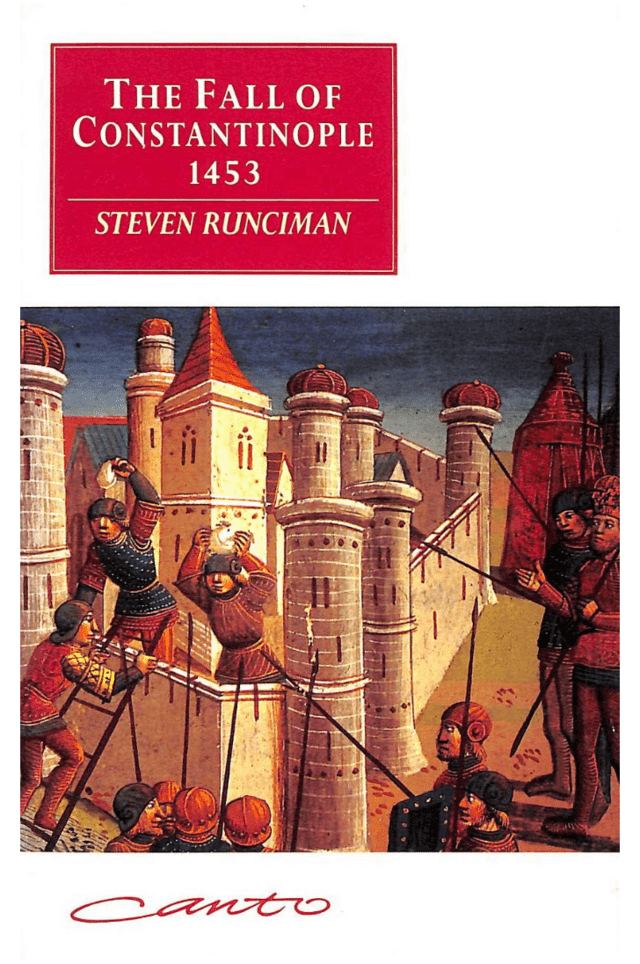
Some of the earlier non-fiction books that captured Barns’ imagination are The Fall of Constantinople 1453 by Steve Runciman, whose writing made the events “come alive” for the museum director. The Foundation series author Isaac Asimov, on the other hand, remains one of his favorite science fiction writers.
“I’m intrigued by historical basis, something dramatic, maybe a mystery element or an adventure element,” Barns shares, enumerating his criteria for what makes a good book. “I look for interesting well-developed characters. … I’m looking for that kind grandiose writing maybe...I love also that element of poetic, elegiacal writing,” he adds.
Also read: National Artists and the Tools of Their Trade
Making it to his list of writers are Latin and Spanish greats including Jorge Luis Borges, Gabriel Garcia Marquez, and Arturo Perez-Reverte.
For Philippine literature, he loves rereading Jose Rizal’s Noli Me Tangere and El Filibusterismo as translated Leon Maria Guerrero. The old copies of its translations remain his most treasured collection and are the first books he’d likely save in case of a fire. “They bring out the Victorian era writing that contextualized Rizal,” he says. “Parang I discovered [reading] Rizal is not much different from reading the best kinds of Victorian era literature, so I always keep those two copies close and they’re at the center of my shelf at home.”
Check out the rest of Barns’ interview in this episode of Show Your Shelf which takes us all back to the delightful world of books and the nostalgic act of turning a page—long before social media taught us how to swipe.