
(SPOT.ph) As one of the countries located along the typhoon belt in the Pacific, the Philippines expects the arrival of 20 typhoons per year, at least five of which are destructive. It doesn't help that our topography, which includes low-lying areas, towns along the coast, and neighborhoods near the mountains, make us all the more susceptible to life-threatening storm surges, landslides, and flashfloods. While most of us have gotten used to putting sandbags in front of our gates or transferring our furniture to the second floor of the house during the wet season, what others ignore is the fact that the ongoing climate crisis is making typhoons worse than ever.
In fact, the most destructive typhoons of our lifetime happened in the last decade, with Yolanda (2013) topping the charts. Odette (2021) and Pablo (2012) trailing behind; while Ulysses and Rolly, which both happened in 2020 (in the middle of a pandemic, no less), complete the top 10 stats. According to a 2021 report from the International Panel on Climate Change, "The rate of intensification and number of strong tropical cyclones have increased, and tropical cyclone tracks likely migrated poleward." In other words, typhoons are stronger, the number of high-category tropical cyclones have at least doubled, and patterns of weather disturbances are changing.
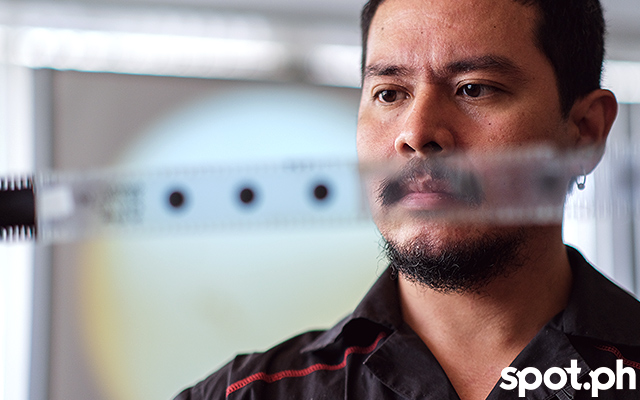
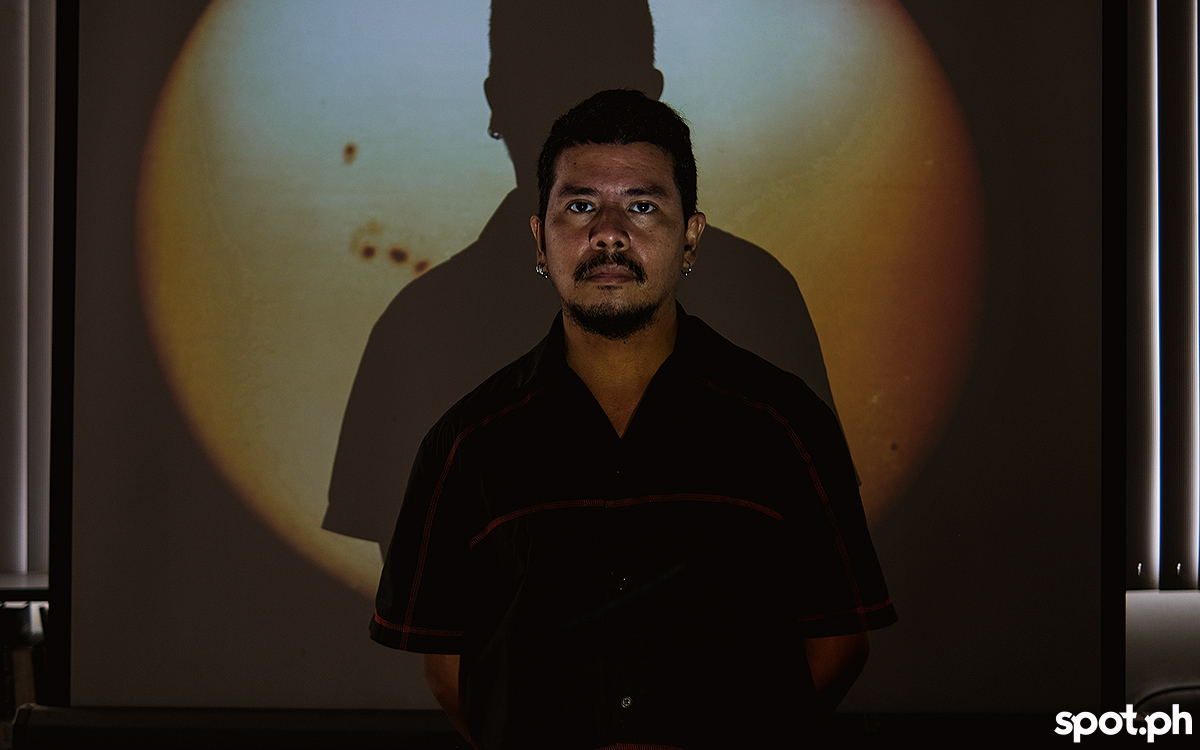
In an effort to drive this message through different means, Derek Tumala utilizes new media art as part of Art Fair Philippines' artist residency program at the Manila Observatory within the campus of the Ateneo de Manila University in Quezon City. He is one of the five artists given the chance to travel to different parts of the country, spend a few weeks in the locale, and come up with a project that best describes this experience.
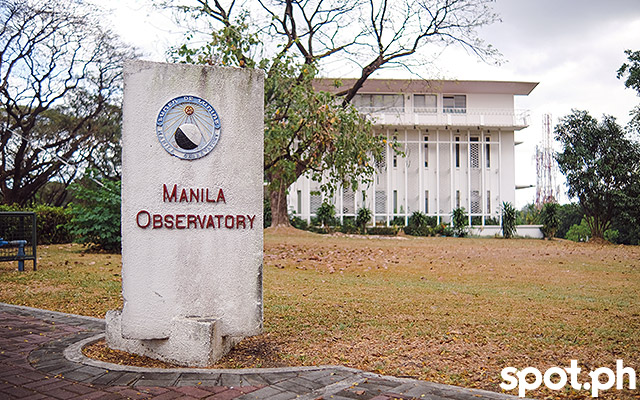
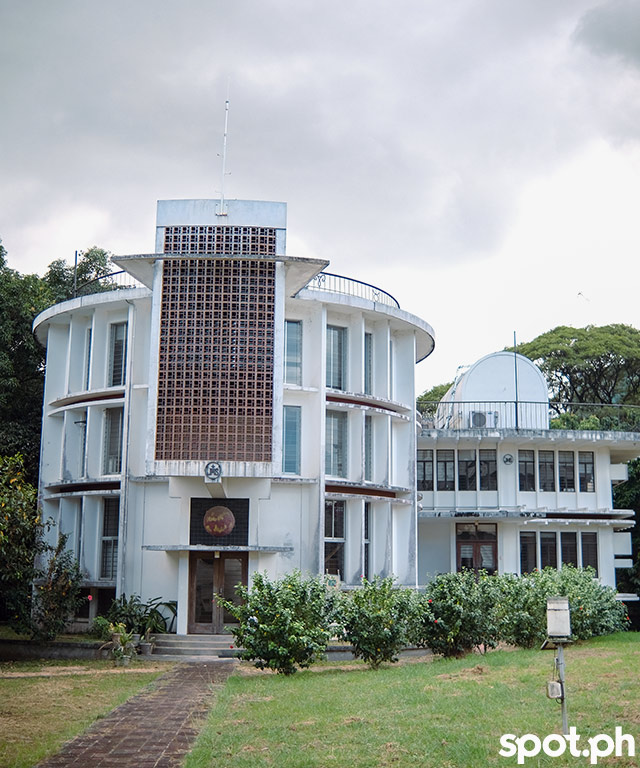
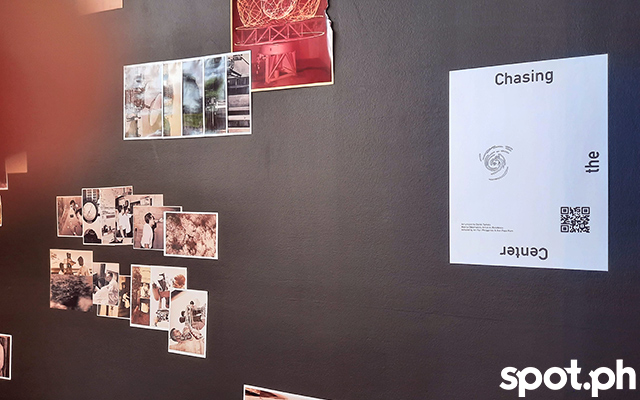
"I came up with this project, fragments of what I actually learned and what I was interested in doing during this residency. It's called Chasing the Center, which actually came from the idea of chasing the eye of the storm or the center of the cyclone. The residency is about how I can actually create art and promote climate change. I thought that typhoons are very important. It's actually part of our culture, living in the Philippines. It's something that happens all the time. It's part of our lives. I think what most people don't actually get is [that] typhoons will be there, they will be stronger, and it's going to happen all the time. I think for me, it's really important to focus on that and try to make sense on how I can actually present the science part of it and the art part of it and try to connect those together," he tells SPOT.ph in an interview.
Also read:
10 Artists to Watch at Art Fair Philippines 2022
Everything You Need to Know About Art Fair Philippines 2022
Artist Johanna Helmuth Seeks the Truth by Exposing Human Imperfections
Derek Tumala on Combining Art, Science, Religion
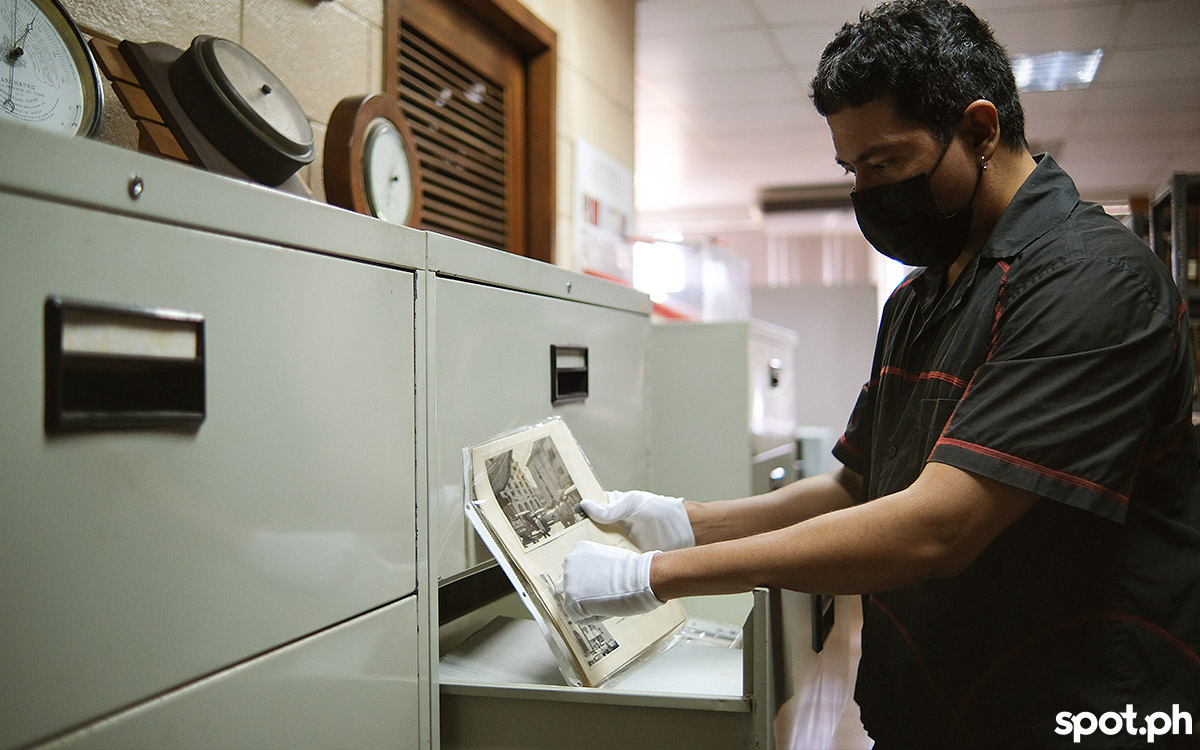
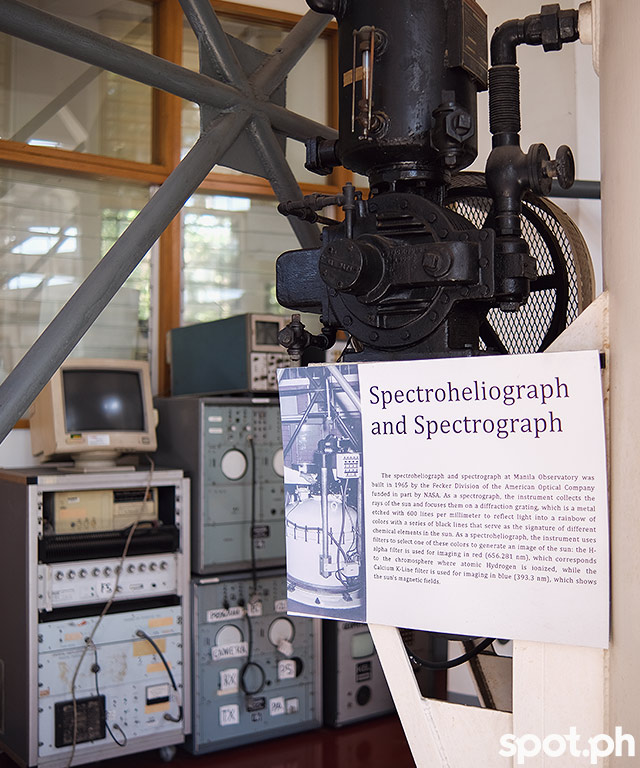
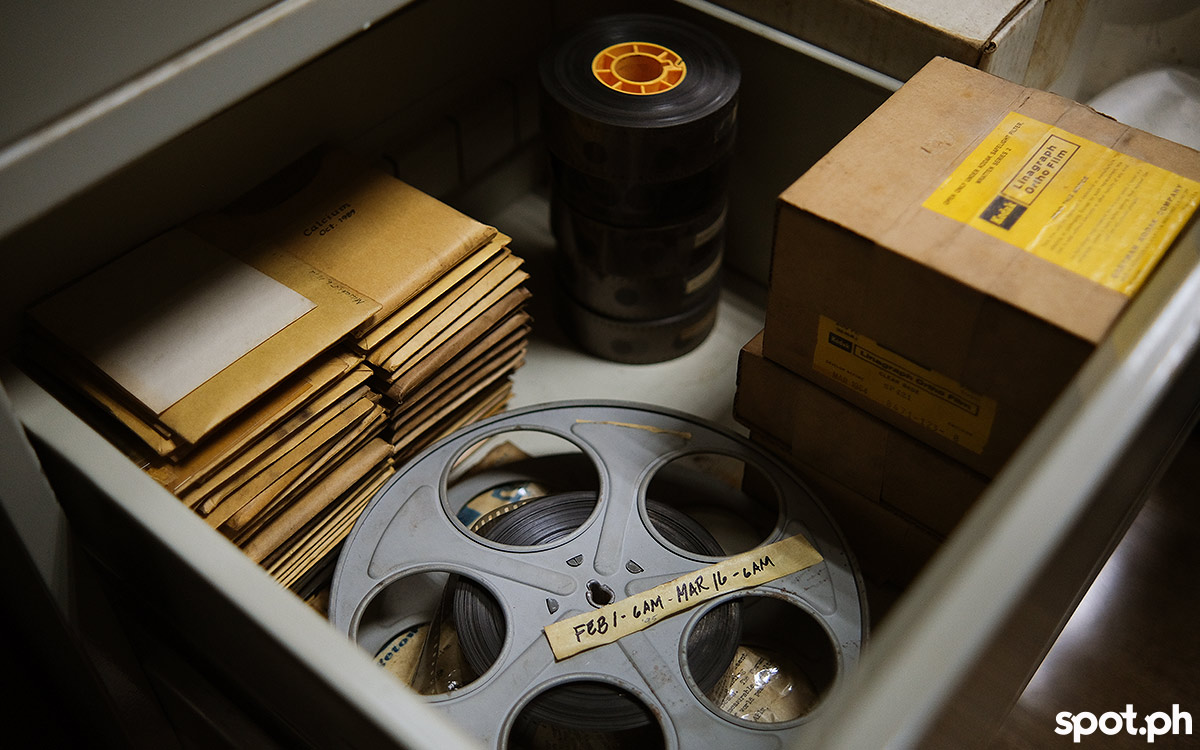
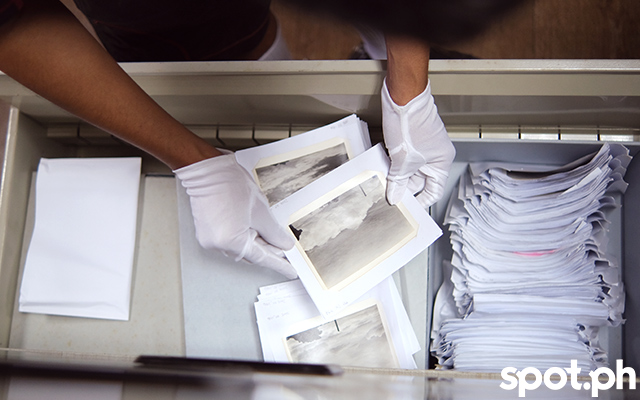
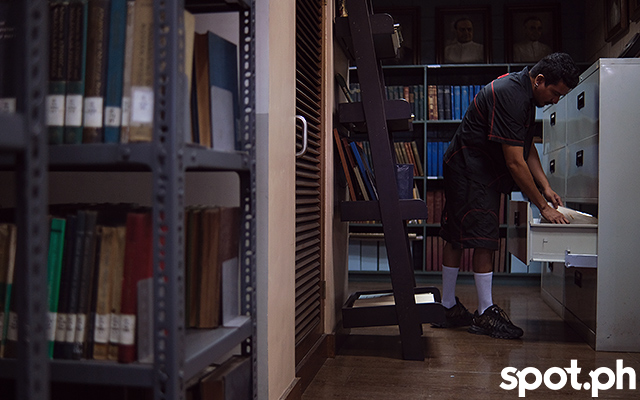
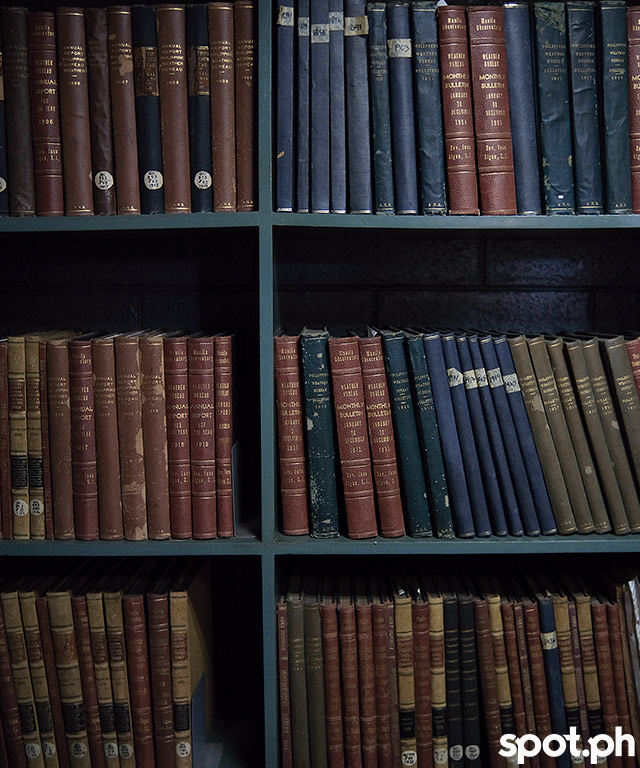
There have been numerous debates on science being far more important than the arts, or the other way around. Religion, it seems, is also often separated from the logic and reasoning of the sciences. But Tumala hopes to combine these, especially after spending weeks poring through photo albums, spectrograms, cloud photographs, and old reports stashed away in the shelves of the Manila Observatory.
“Di ba? Parang weird na naka-sutana 'yong scientist, which only happens here," Tumala quips while showing off sepia-toned photos of Jesuits looking through a spectrograph at the original site of the Manila Observatory in Ermita, Manila.
Comments