

PH History Bites: This Ancestral House Was Rizal's Favorite Hangout in Dapitan
He played a lot of chess with the house's owner, Don Mariano Hamoy.

(SPOT.ph) Dapitan City in the Zamboanga Peninsula is best known for one historical fact: It is the place where Dr. José Rizal lived in exile from 1892 to 1896. Far away from the Philippine capital, the Philippine hero spent four years in relative peace which gave him the chance to dabble deeper into the arts, literature, medicine, and community service.
Aside from Dapitan’s close ties with our country’s national hero, it is a place teeming with heritage structures. In recognition of the city’s historical significance, the National Historical Commission of the Philippines declared a specific portion of the city, along with its heritage structures, as a Heritage Zone or Historic Center in 2011, coinciding with the 150th birth anniversary of Rizal.
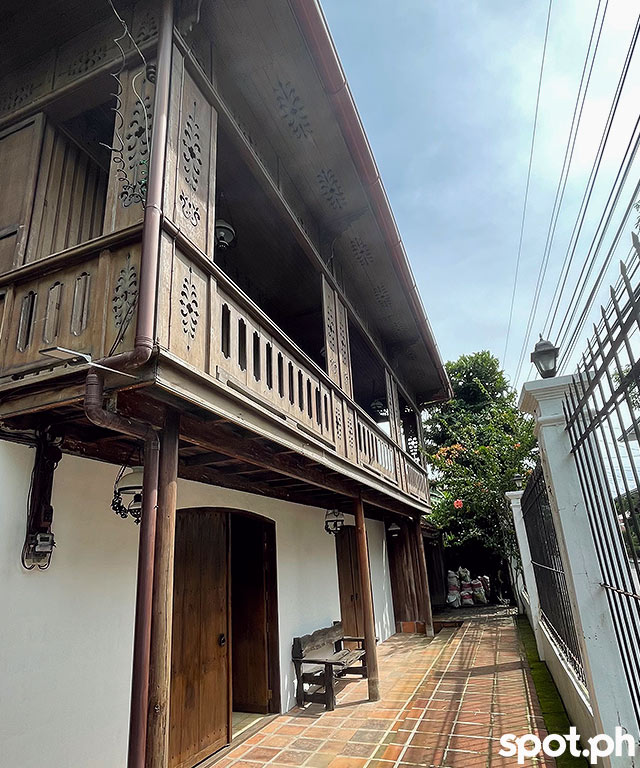
Among the most notable structures in Dapitan is its collection of impressive centuries-old ancestral houses, one of which is the elegant Balay Hamoy. It is owned by former cabeza de barangay Don Mariano Balsomo Hamoy, who also happens to be the schoolmate of Rizal from the Ateneo Municipal de Manila in Intramuros. Don Mariano and his wife, Doña Pilar A. Sagario, come from the principalia or the upper class in the area.
The Friendship of Don Mariano Balsomo Hamoy and Dr. Jose Rizal
This sprawling wooden house was completed in February 1893, making it a few weeks shy of turning 130 years old this year. It was built using only the sturdiest of wood like yakal, molave, narra, and kamagong.
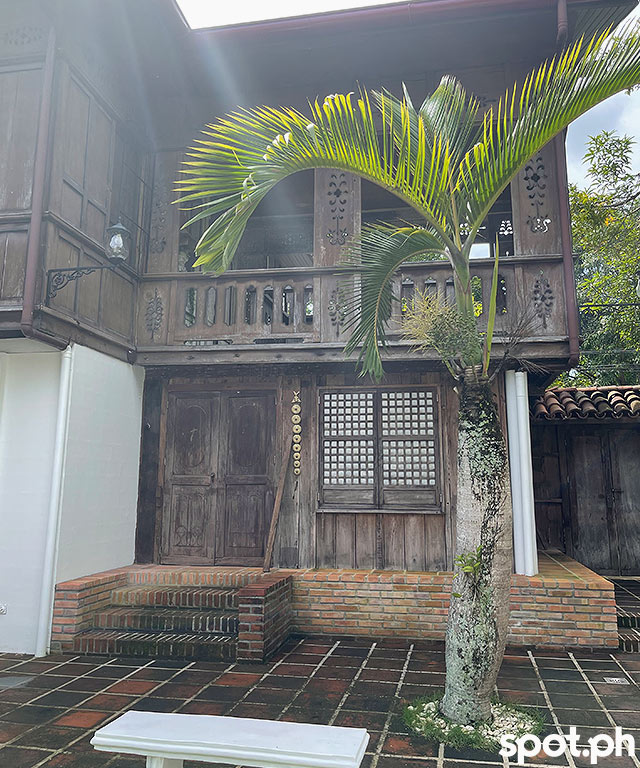
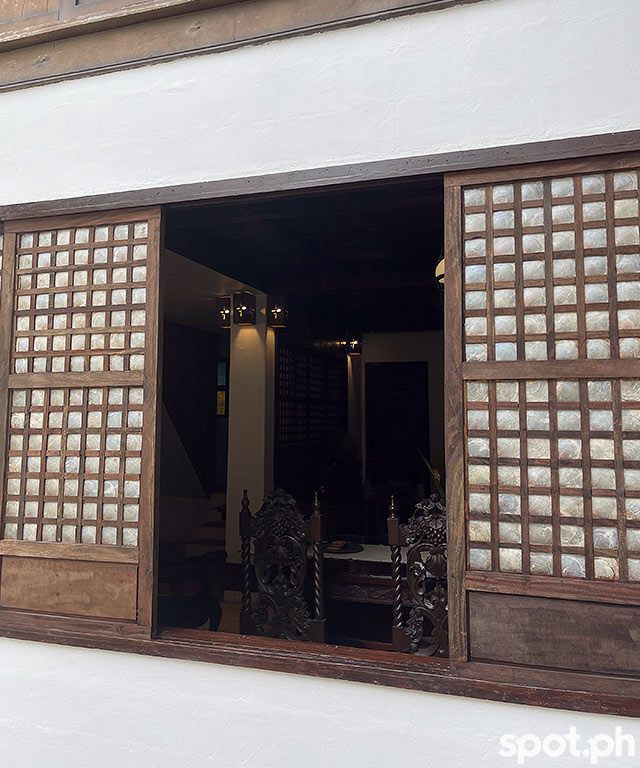
"When Rizal was exiled here in Dapitan, Rizal and [Hamoy] grew much closer to each other. Both started the abaca cooperative in Dapitan, the first in the Philippines, and they formed a business partnership to buy and sell abaca," shares Peter Dominic "Britz" A. Hamoy, Don Mariano’s great-grandson, in an exchange with SPOT.ph.
The two friends bought abaca from farmers at a higher price compared to the price set by the Chinese cartels. They then sold these in Manila and profits were divided equally between them.
Aside from being a close friend, Rizal was also the Hamoys' family physician. In fact, in 1894, Rizal attended to the delivery of their firstborn. "Pablo was born in this house," adds the younger Hamoy about his grandfather.
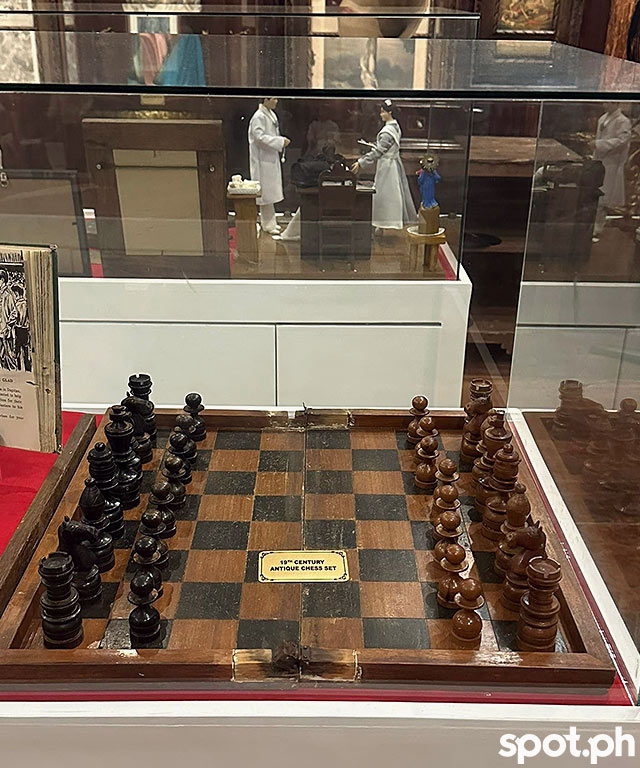
Because of Don Mariano and Rizal’s friendship, the latter frequented Balay Hamoy until the end of his exile and departure from Dapitan in 1896. "My father used to tell me that Rizal would usually be accompanied by his sisters, his mother, his other family members, and by Josephine Bracken when visiting," he recounts. When in the house, the two loved playing chess.
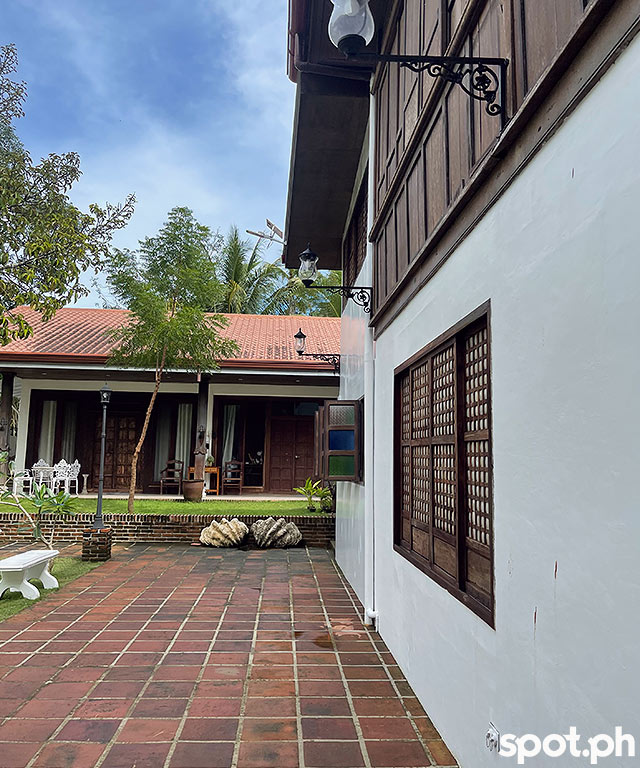
Aside from Rizal and his family, other government officials and members of the alta sociedad visited Balay Hamoy during the Spanish colonial era. The house was also called "Casa De Nuestra Señora Del Pilar," a testament to the Hamoy couple’s devotion to the patron.
Restoring Balay Hamoy as a Heritage House and Museum
It’s worth mentioning that the 130-year-old house has not seen any major damage since it was built. "There was always a relative or a family member living in the house so this contributed a lot to the house not experiencing any significant damage," says Britz.
Except for termite infestation on the softwood used in the post-war cabinets, the house has always been in excellent condition.
"The only major restoration was undertaken during the lockdown brought about by the COVID-19 pandemic in 2020," he shares. "The restoration was privately funded by me and my wife, Kat Uyehara."
There was no need to repair the house structurally because all the beams, girths and flooring were still structurally sound and stable. All electrical wirings were replaced by new and bigger wires to accommodate a greater electrical load.
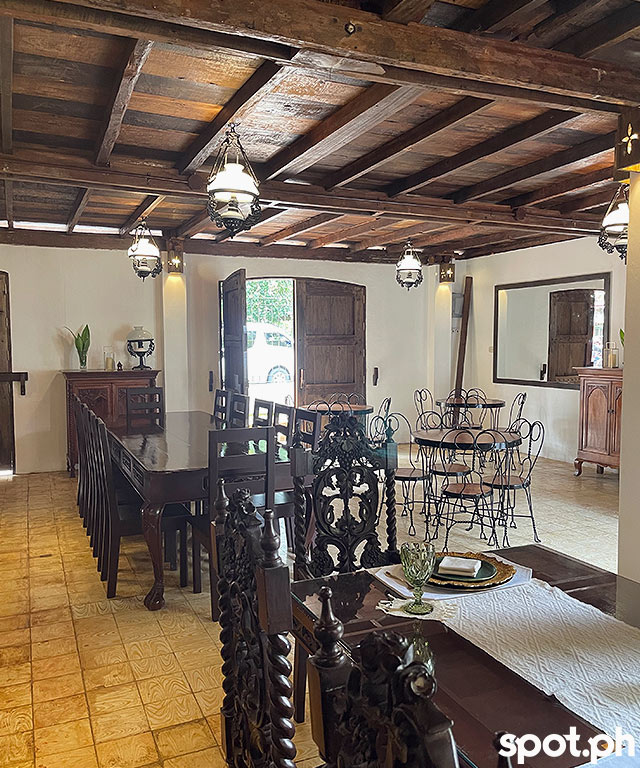
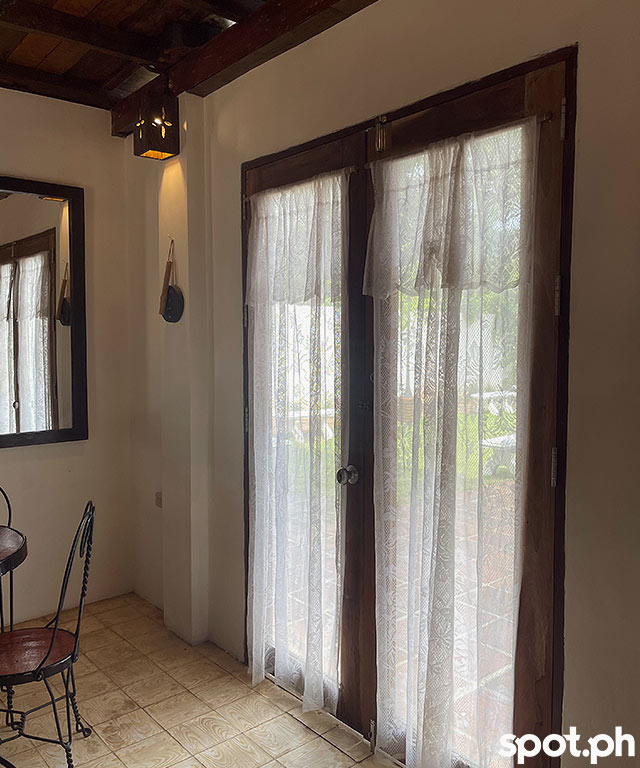
During the restoration, the original wooden structures were repaired and polished to bring back the house to its former glory. The roof was not replaced but was only fixed by sealing all the leaks. Balay Hamoy now looks as good as new, as if it were back to its newly constructed self in 1893.
Maintaining a century-old home is by no means easy business, especially in the case of Balay Hamoy, where maintenance of the house is shouldered by the younger Hamoy. "It involves everyday cleaning, constant termite monitoring and application of anti-termite chemicals, constant roof leak monitoring and repair, regular tile brushing and polishing, wood repair and repolishing," the father of two young daughters explains.
Nobody lives in the house anymore, but the second floor has been repurposed into a museum, the first Department of Tourism accredited museum in the whole of Region IX. The first floor has become an events place, usually for cultural and heritage-related activities, and also a social venue that the public can rent for parties, meetings, and receptions. They accept photoshoots, film shootings, prenuptial, and other special events.
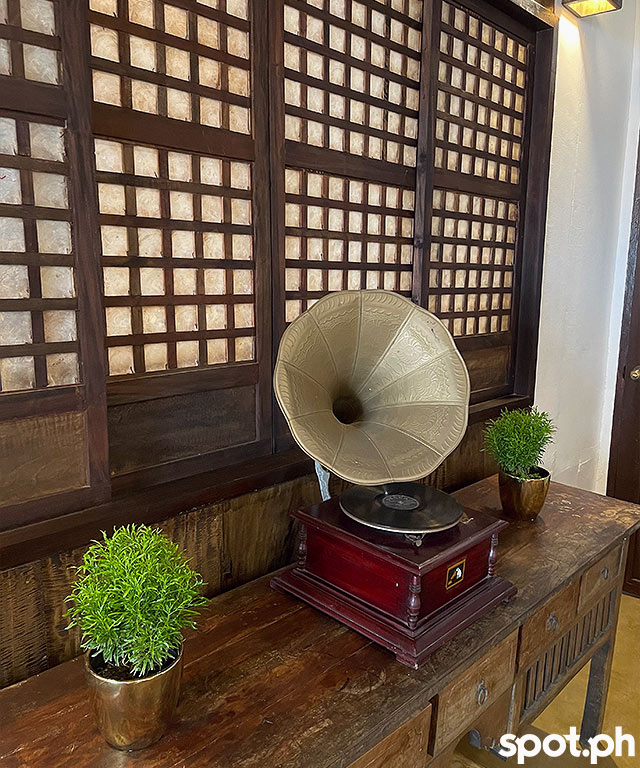
Britz fondly shares that it was his 10-year-old daughter, Hitomi, who encouraged them with tears in her eyes to preserve the memories of her great-great grandfather. She read about Don Mariano B. Hamoy on the Internet, where her ancestor was often mentioned as the forgotten friend of Rizal. This inspired the couple to double their efforts in preserving the memories of Don Mariano, his friendship with Rizal, and the rich history of Dapitan through Balay Hamoy.
Inside, the house is a treasure trove of well-preserved artifacts, most of which are related to the time when Rizal was in Dapitan like jars, clothes, sewing machines, furniture, religious items, and other personal effects used by people during that period. The chess set used by Rizal and Don Mariano is also on display.
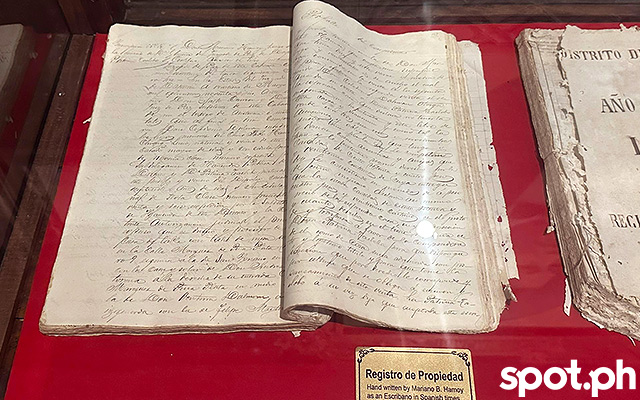
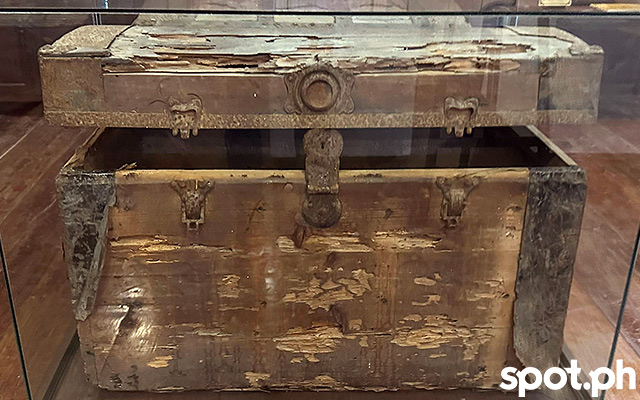
“The most prized artifact that we have is the 1870 to 1880 [circa] steamer trunk or baul given by Dr. Jose Rizal to Don Mariano Hamoy when he was about to leave Dapitan in 1896,” Britz says, “There is also an original log book handwritten by Don Mariano when he was still a town escribano.”
The family’s next project is to turn Balay Hamoy into a café or restaurant where they will serve the food that Don Mariano and Rizal loved to eat when hanging out at the house. Some of their favorites were bistek, champorado with tuyo, tinolang manok, pork humba, a small green mango called pajo served like an appetizer or eaten like olives, and fresh fruits like lanzones.
For now, Balay Hamoy is open to Filipinos and foreigners who want to imagine what it was like when Rizal hung out with Don Mariano at the house.
Balay Hamoy is located at 143 Mi Retiro Street, Dapitan, Zamboanga del Norte. It is open from Tuesday to Saturday, from 9 a.m. to 5 p.m. Entrance fee (inclusive of a guided tour) is P300 for adults and P250 for government employees, medical front liners, teachers, students, and children.