

10 Museums in Malaga, Spain That You Can Visit for Free
This holiday paradise also boasts rich art and culture.

(SPOT.ph) Located right on the Costa del Sol in the south of Spain, Malaga offers many things to do and see any time of the day. You can maximize the fair weather by staying on the beach or lingering for hours at al fresco cafes and restaurants. But aside from the wide selection of entertainment and dining options, historical, artistic, and religious sites round out a vibrant cultural experience in Malaga. So why not visit some of the museums that dot the city? After all, this is the birthplace of artist Pablo Picasso and actor Antonio Banderas. It will be an enriching experience, whichever among them you choose.
And even better news: if you plan your trip well, you'll get more than your fill of visual arts at no extra cost.
Also read:
10 Philippine Museums You Can Visit for Free Forever
10 Museums in Valencia, Spain That You Can Visit for Free
Here are 10 museums you can visit for free in Malaga, Spain:
Gibralfaro Hill
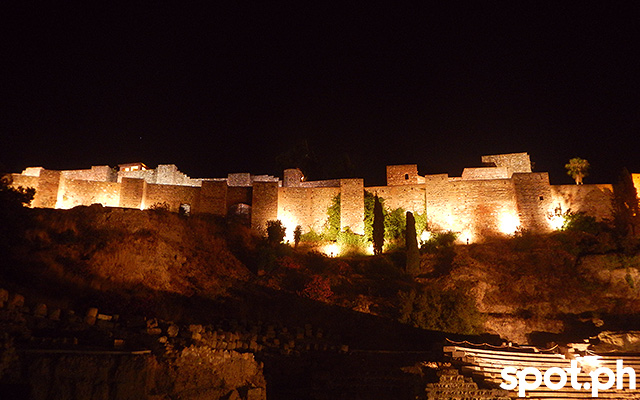
So much history is concentrated on this patch of land—and you can tell just by looking at it at 132 meters above sea level. But take the short walk up to the castle (castillo) and then to the viewpoint (mirador), and you'll have a similar sweeping view of the port from where early settlers looked out at ancient Malaga.
The Alcazaba (citadel) is a hilltop fortification built by the Muslims in the 11th century. You can enter through the Puerta de la Boveda and walk through the garden to arrive at the castle built in the 14th century.
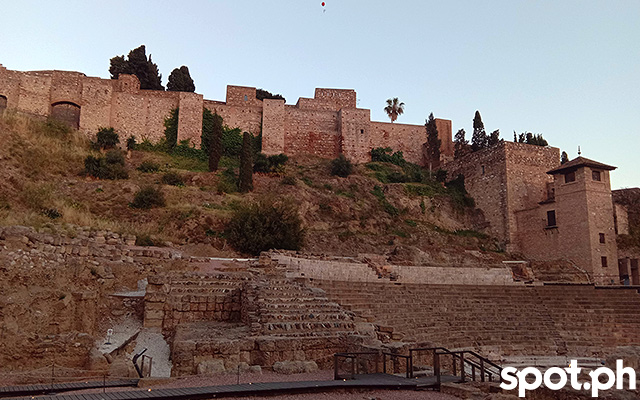
At the foot of the hill, the Roman Theatre dates back to the 1st century BC. It was discovered by archaeologists during excavations in the 1950s, unearthing the main entrance to the stage, orchestra area, high seating area, and access. It is still used for performances during the summer season.
The Castillo de Gibralfaro is at Camino Gibralfaro no. 11, Malaga. It is open daily from 9 a.m. to 8 p.m. The Alcazaba is at Calle Alcazabilla no. 2, Malaga. It is accessible daily from 9 a.m. to 8 p.m. from April to September; and from 8:30 a.m. to 7:30 p.m. from October to March. The Roman Theatre is at Calle Alcazabilla, Malaga. It is open Tuesday to Saturday, from 10 a.m. to 6 p.m.; and every Sunday, from 10 a.m. to 4 p.m. It is closed on Mondays. All are free to access on Sundays, from 2 p.m. to closing.
Museo Carmen Thyssen Malaga
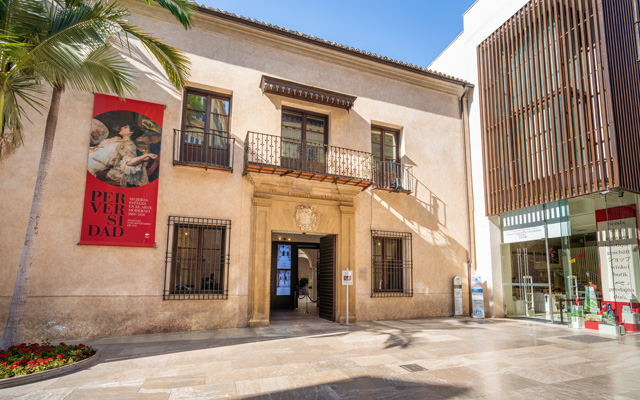
The Palacio de Villalón, a Renaissance-style palace built in the 16th century, is home to the vast collection of Baroness Carmen Thyssen-Bornemisza.
The Carmen Thyssen Museum's permanent exhibition takes visitors through the styles of mostly Spanish painters during the 19th century, with a particular focus on the Andalusian region.
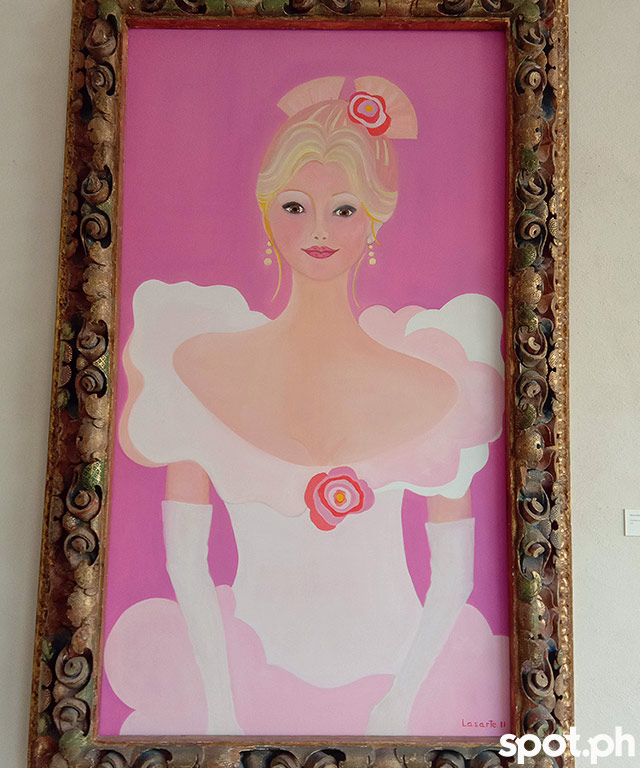
First, have a walk around the beautifully restored and impressive courtyard. The ground floor gallery is dedicated to Romantic-era landscape and Costumbrism, with paintings by Rafael Benjumea, Jose Garcia Ramos, and Joaquin Dominguez Becquer. The first floor is dedicated to the Old Masters, including Francisco de Zurbaran and Jeronimo Ezquerra, the precieux style championed by Mariano Fortuny, and naturalist landscape realism by Carlos de Haes. On the second floor, you will find internationally-influenced art from the end of the 19th century on display, with works by Ramon Casas and Julio Romero de Torres, to name a few. The temporary exhibitions on the top floor are usually thematic and range from photo prints and paintings to items of material culture.
Arrive early to queue for free entry, as the lines can get long. But the wait is worth it. Take your time to appreciate the multitude of works and avoid getting overwhelmed by trying to rush through the halls. Aside from being an impressive variety of artistic styles, the paintings also depict a range of scenes from daily life from a different time: market days, courtship, religious festivals surrounding Semana Santa (Holy Week) and Feria (Fair), social gatherings, flamenco-dancing, bullfighting, farming and fishing, and rural scenes.
Museo Carmen Thyssen Malaga is at Plaza Carmen Thyssen, Calle de Compañía no. 10, Malaga. It is open from Tuesday to Sunday, from 10 a.m. to 8 p.m. It is also available during the annual Malaga Fair in August, and on December 24 and 31, from 10 a.m. to 3 p.m. Entry is free on Sundays from 4 p.m. to 8 p.m.; during some hours of the night on La Noche en Blanco; and all day on February 28 (Andalucia Day), March 24 (Museum Anniversary), May 18 (International Museum Day), and September 27 (International Tourism Day). It is closed on Mondays (except for public holidays), December 25, and on January 1 and 6.
Centre Pompidou Malaga
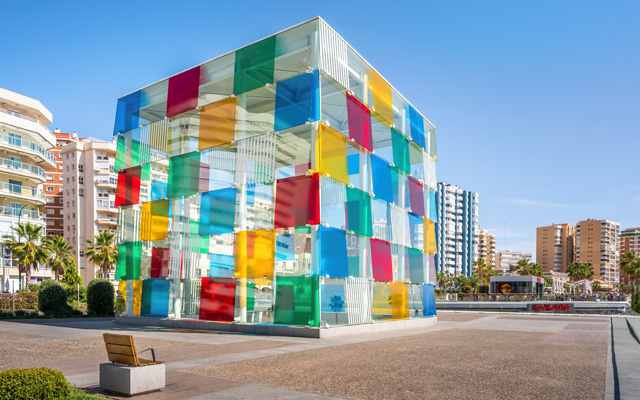
Centre Pompidou Malaga is right on the pier (Muello Uno) and crowned with a colorful glass cube, making it hard to miss.
It houses pieces curated from the Georges Pompidou Centre of Art and Culture collection in France throughout its 1,800 square meter area. The permanent collection includes works by modern and contemporary artists from the 20th to the 21st century, including Pablo Picasso, Alberto Giacometti, Constantin Brancusi, Sophie Calle, and Orlan. Philippe Starck and Henri Matisse have been featured in past temporary exhibitions.
Aside from artworks on display, the museum hosts multidisciplinary experiences, workshops, and other events.
The Centre Pompidou Malaga is at Pasaje Doctor Carrillo Casaux, Muelle Uno, Malaga. It is open from Wednesday to Monday, from 9:30 a.m. to 8 p.m. Entry is free on Sundays from 4 p.m. until closing time, during some night hours of La Noche en Blanco, and all day on May 18 (International Museum Day) and September 27 (International Tourism Day). It is closed on Tuesdays, Christmas Day, and New Year's Day.
Museo Picasso Malaga

Museo Picasso Malaga is hosted by the Palacio de Buenavista, which in itself is a fine example of 16th-century Andalusian architecture. Within its 11 rooms is the fulfillment of Pablo Picasso's long-held dream of having a museum of his works in his hometown. More than 300 of his artworks, created between 1894 and 1972, are on display at Museo Picasso.
It is interesting to come face to face with the materials the genius held and used, to see his dynamism, and to understand how his artistic styles have evolved. Considering the artist's extensive body of work, the museum refreshes the collection on display every few years. The museum also hosts temporary exhibits with work that other galleries and collectors loan to them.
The Museo Picasso Malaga is at Palacio de Buenavista, Calle San Agustin no. 8, Malaga. It is open daily from 10 a.m. to 7 p.m. (but closing time may vary, depending on the season). On January 5 and on December 24 and 31, it is open from 10 a.m. to 3 p.m. Entry is free on Sundays, from 5 p.m. to closing; and all day on February 28 (Andalucia Day), May 18 (International Museum Day), September 27 (International Tourism Day), and October 27 (Museum Anniversary). It is closed on January 1 and 6, and December 25.
Museo Casa Natal del Picasso
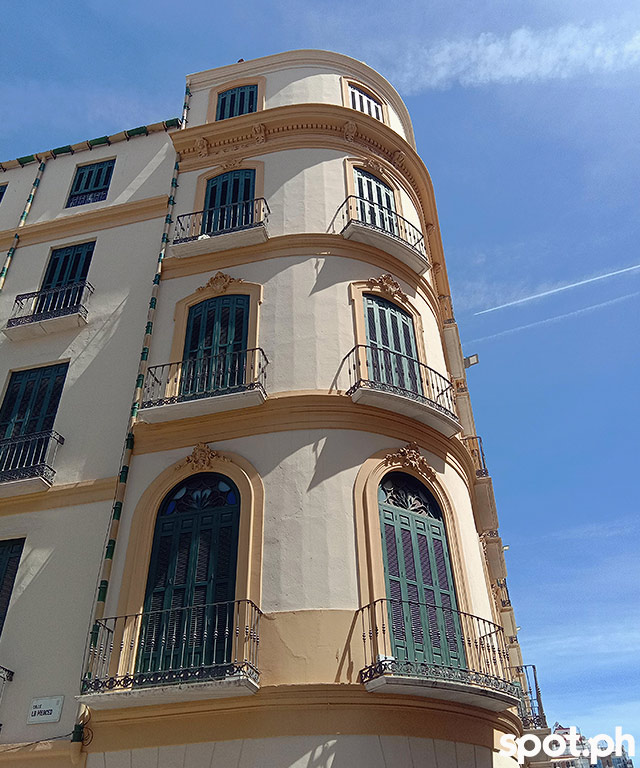
You can actually enter the home where preeminent artist and Malaga's favorite son, Pablo Picasso, was born. That is the Museo Casa Natal Picasso—not to be confused with the Museo Picasso Malaga. There, you can walk around the living spaces that Picasso's family frequented and view his varied styles, photographs with the family, and early sketches and lithographs.
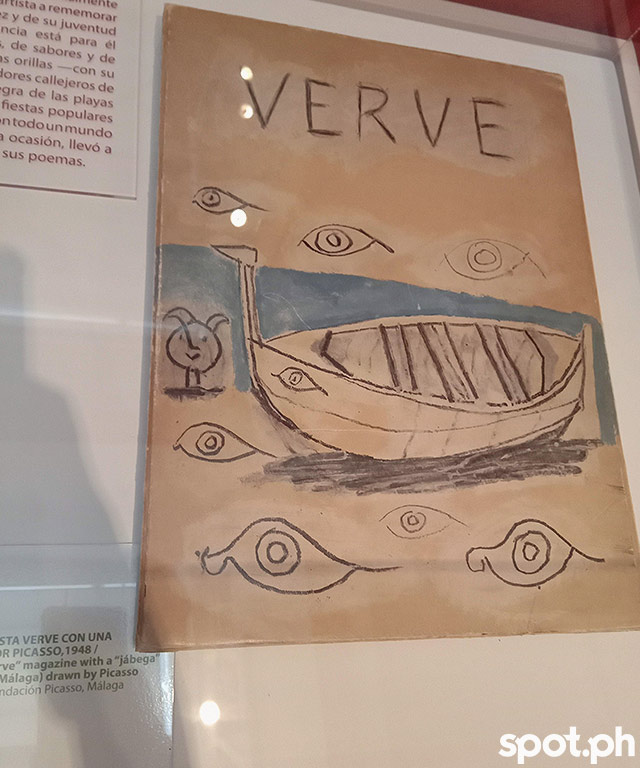
There are also rooms dedicated to his favorite subjects: the Mediterranean and bulls. If you want to understand the man better, then make time to breathe in this space. A bonus: you can hear a clip of Picasso (in Spanish) speaking about Spain and being Spanish here.
The Museo Casa Natal Picasso is at Plaza de la Merced no. 15, Malaga. It is open daily from 9:30 a.m. to 8 p.m. Entry is free every Sunday, from 4 p.m. to 8 p.m.
Centro de Arte Contemporaneo
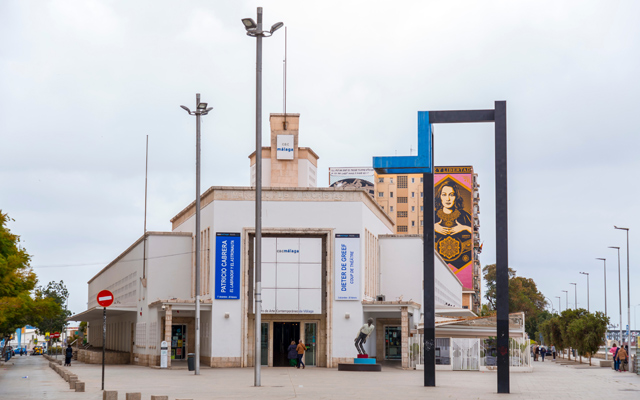
The CAC Malaga is a contemporary art lover's paradise! Housed in what was once the Mercado de Mayoristas de Málaga on the banks of the Guadalmedina River. The structure dates back to 1942 and was designed by architect Luis Gutierrez Soto in the rationalist style.
Since the center focuses on art from the latter part of the 20th century to the present, there is no shortage of new exhibitions featuring artworks in the sprawling 2,400 sqm space by solo artists or collectives from all over the world—whether paintings, sculptures, or even audiovisual arts.
There are about 400 artworks in the permanent collection. Among the prominent contemporary artists who have held exhibits here are Louise Bourgeois, Tony Cragg, Anish Kapoor, Gerhard Richter, and Kara Walker. They also regularly hold various activities and events.
CAC Malaga is at Calle Alemania, Malaga. It is open from Tuesday to Sunday, from 9 a.m. to 9:30 p.m. It is closed on Mondays, January 2, February 27, March 20, April 3, May 1, June 19, July 17, August 14, September 18, October 16, November 20, and December 18. In the summer, they take a break at 2 p.m. and re-open at 5 p.m. Access is always free.
Museo del Patrimonio Municipal/Málaga Municipal Heritage Museum
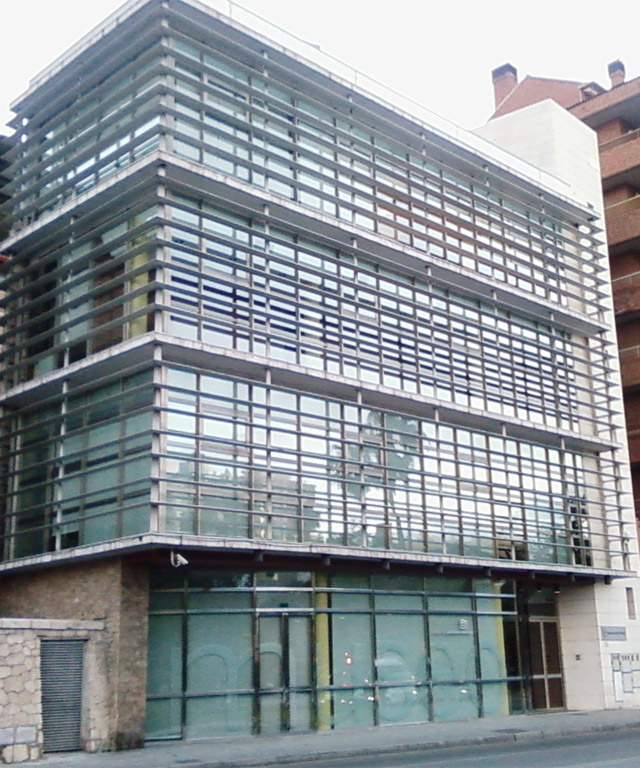
The Museo del Patrimonio Municipal offers an extensive collection of local art from the 15th to the 20th century, including works by Pablo Picasso.
The museum tour starts from the ground floor, with artifacts from the 15th to 18th century, showing Malaga's evolution. Then, a sizable collection of 19th-century paintings depict scenes from daily life on the street and sea, and festivities, such as the Malaga Fair. The group from the 20th to 21st century includes hand-painted pottery by Picasso, the origins of the Plastic Arts Revival, and surreal eroticism.
Only a small percentage of its collection is on display at a time in the Museo del Patrimonio Municipal's ultra-modern glass-front building. Temporary exhibitions are thematic and highlight the works of Malaga artists. The museum also hosts conferences on heritage, educational workshops, and other historical and artistic events.
Museo del Patrimonio Municipal is at Paseo de Reding no. 1, Malaga. It is open from Tuesday to Sunday, from 10 a.m. to 8 p.m. It is closed on Mondays, January 1 and 6, and December 25. Entry is free.
Museo Unicaja de Artes y Costumbres Populares Malaga
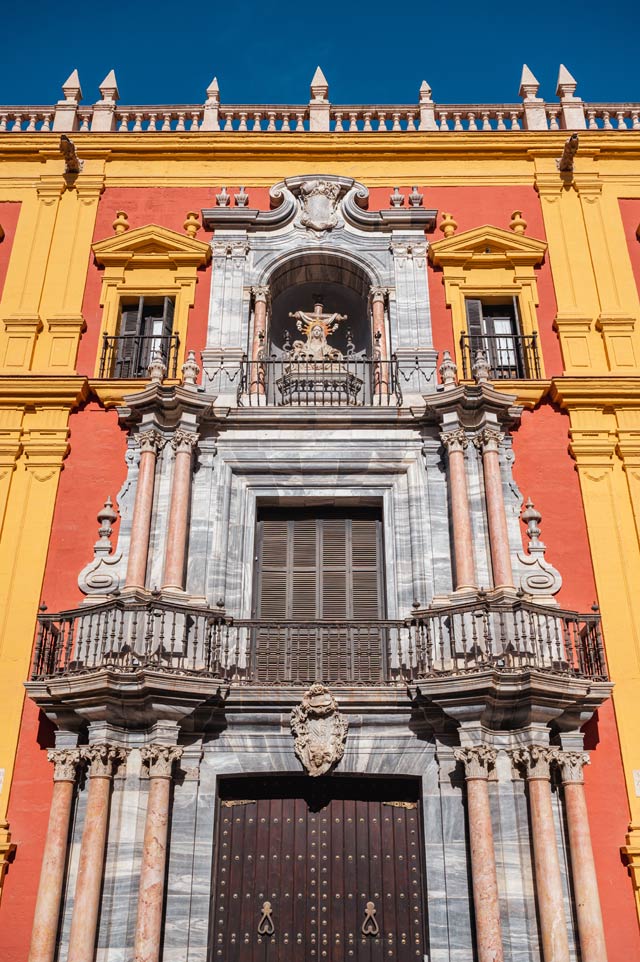
The Unicaja Museum of Popular Arts and Customs is housed in the Meson de la Victoria, an inn dating back to 1632, designed in the Andalusian architectural style. The spacious property is composed of 19 exhibition rooms full of various items typical of daily life in Malaga's rural and urban areas during the 19th century—it is like stepping back in time!
The collection includes well-preserved and displayed pieces, including ceramics and religious images; work implements like yokes, looms, mills, and anvils; and vehicles like carriages and fishing boats. There are also elaborate textiles and typical implements that could be found in bedrooms and kitchens.
The museum seeks to conserve the customs and support further research into the ethnography and ethnology of Malaga.
For those who want to make an in-depth study of the region and its people, there is an archive of more than 400 documents, manuscripts, and books that belonged to the lawyer and journalist Don Narciso Diaz de Escovar, as well as extensive collections of newspapers from the 19th and 20th century. The archives may be accessed only on Monday, Tuesday, Thursday, and Friday mornings.
The Unicaja Museum of Popular Arts and Customs is at Plaza Enrique García-Herrera no. 1, Malaga. It is open Monday to Friday, from 10 a.m. to 5 p.m., and Saturdays from 10 a.m. to 3 p.m. Entry is free on Tuesdays from 1 p.m. to 5 p.m., and for children under 14 years. It is closed on Sundays, public holidays, and the whole month of August.
Catedral de Malaga/Catedral de la Encarnacion
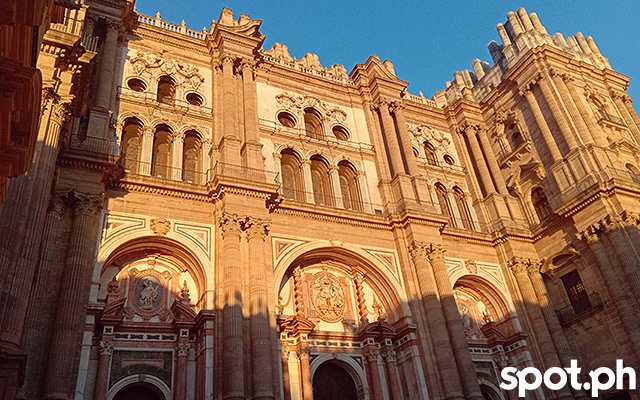
The Holy Cathedral of the Incarnation looms large over the city center. It was constructed on the site of an old mosque between the years 1528 and 1782. It follows Gothic architecture with influences from the Baroque (the facade) and Renaissance (the elevation) styles.
Seek out the magnificent "Sillería del Coro" by Pedro de Mena, which dates back to 1590. You'll also be mesmerized by the massive painting "The Beheading of Saint Paul" by Enrique Simonet.
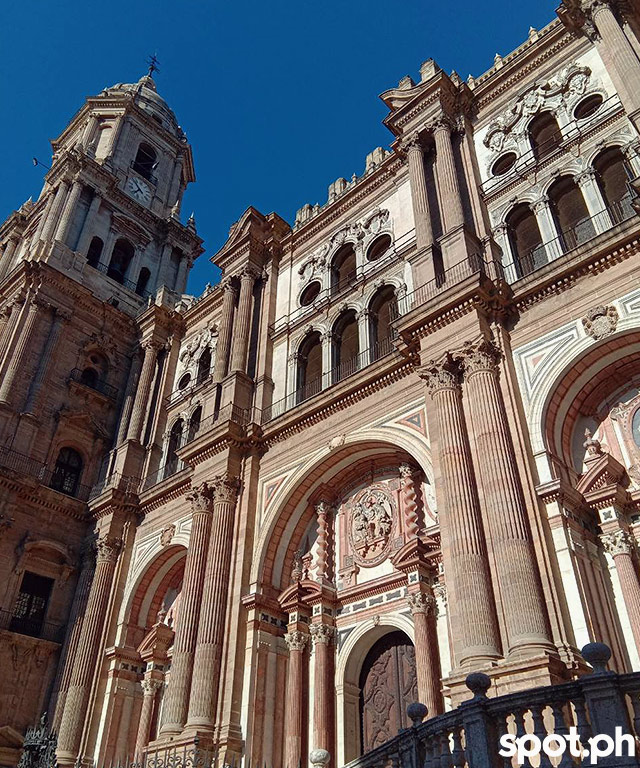
In jest and fondly, Catedral de Malaga is also called "La Manquita" (the one-armed lady) because its South tower remains unfinished. A word of warning: you will find it challenging to capture the entire cathedral's grandeur in a single frame.
The Malaga Cathedral is at Calle Molina Lario no. 9, Malaga. It is accessible from Monday to Friday, from 10 a.m. to 6 p.m.; every Saturday, from 10 a.m. to 5 p.m.; and every Sunday, from 2 p.m. to 6 p.m. Entrance is free from Monday to Saturday, from 8:30 a.m. to 9:00 a.m.; and every Sunday from 8:30 a.m. to 9:30 a.m.
Museo Jorge Rando Malaga
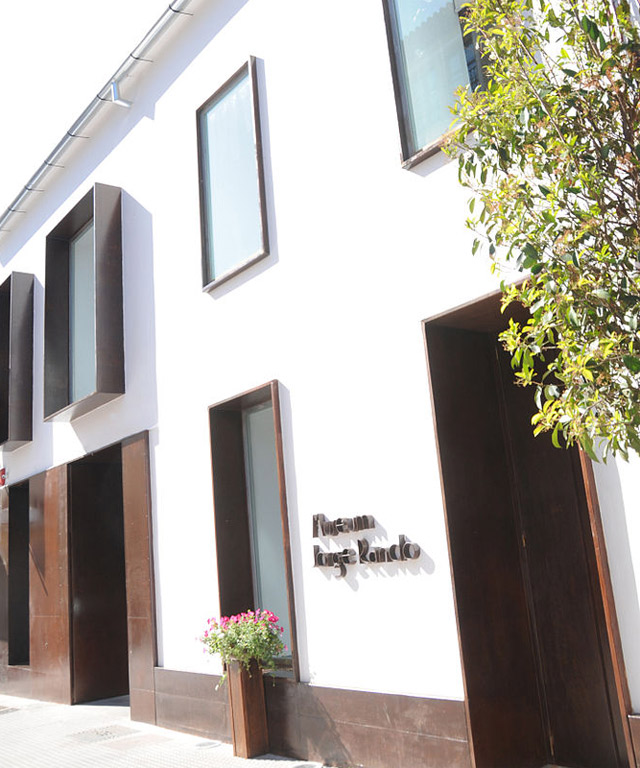
Dubbed the first and only expressionist museum in Spain, the Jorge Rando Museum is dedicated to the paintings and sculptures of the internationally acclaimed neo-Expressionist Malagueño.
The exhibitions are thematically displayed in 10 rooms, covering such topics as war, prostitution, religious paintings, nature, and landscapes. His works are emotive and mostly, but not exclusively, depict the human form and experience. The temporary exhibitions host works by Spanish and international visual artists.
Museo Jorge Rando Malaga is at Calle Cruz del Molinillo no. 12, Malaga. It is open Monday to Friday, from 10 a.m. to 2 p.m. and 5 p.m. to 9 p.m.; and every Saturday, from 10 a.m. to 2 p.m. Entry is always free. It is closed on Sundays.
Also read:
10 London Museums You Can Visit for Free
10 Madrid Museums That You Can Visit for Free