
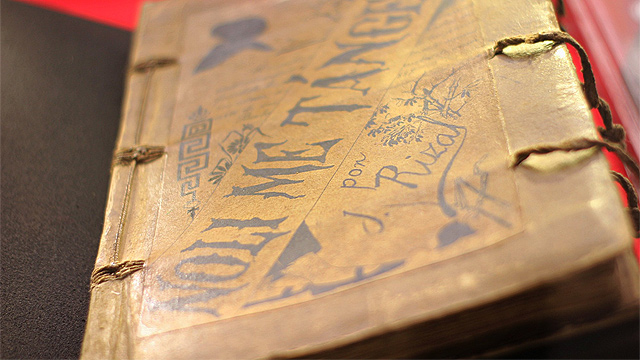
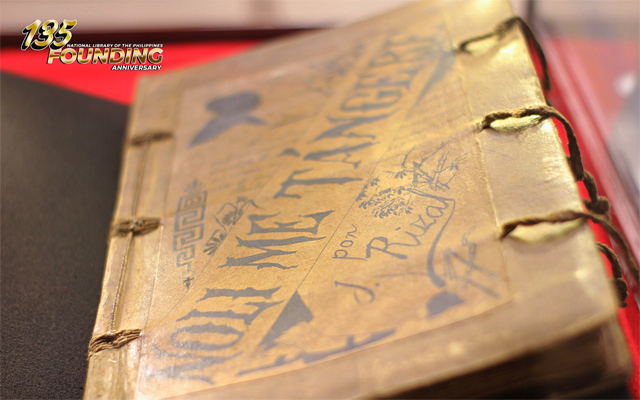
(SPOT.ph) "Kung walang pakikibaka, wala ring kalayaan! Kung walang kalayaan, wala ring liwanag," writes Jose Rizal as a dialogue for Elias in one of the pages of Noli Me Tangere. While both Noli Me Tangere and El Filibusterismo are fictional narratives, they reflected the unjust treatment of the Spanish colonial government and Spanish Catholic friars towards Filipinos—not to mention allegations of corruption and abuse. As expected, both books were banned, and Rizal—as we all know—was exiled to Dapitan and arrested for "inciting rebellion." You can now geek out and see up close these books that influenced the Philippine revolution as the original manuscript and facsimile of Noli Me Tangere and El Filibusterismo are available for public viewing on the second floor of the National Library of the Philippines in Manila City until August 31.
Also read: On Red-Tagging, Vandalism, and the Danger of Censorship
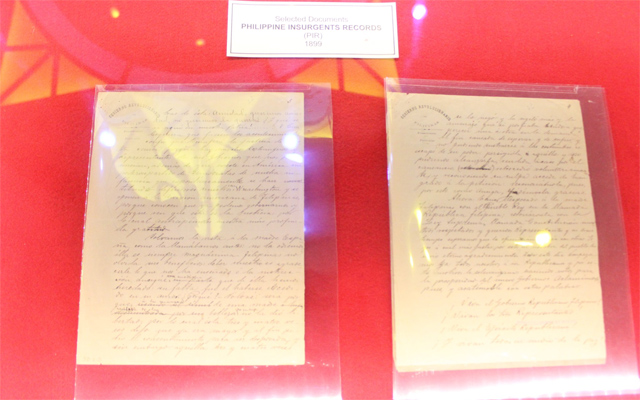
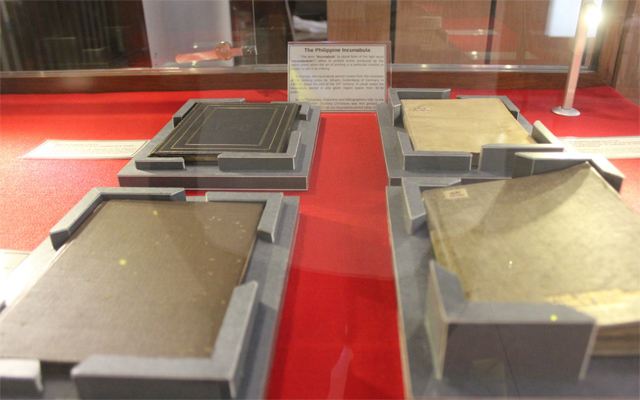
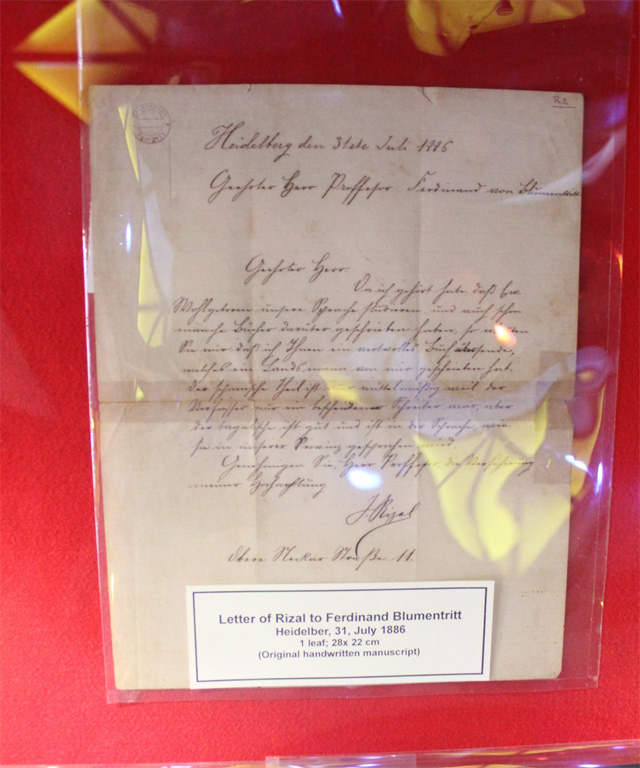
On August 11, the National Library of the Philippines inaugurated and opened this important exhibit for its 135th founding anniversary. On display are some of the most valuable materials from the library's Rare and Special Collections. Aside from Noli and Fili, also available for viewing—under glass enclosures—are De Molucis Insulis, the first book written about the Philippines after Magellan’s expedition; Philippine Incunabula, which is a set of the first printed works by a local printing press from 1593 to 1640; Philippine Insurgent Records, considered as one of the primary documentary evidence of the revolutionary activities of Filipinos in their struggle for independence; and the Acta de la Proclamacion de Independencia del Pueblo Filipino or Act of the Declaration of Philippine Independence. There are also other important books, documents, and photographs that are significant in Philippine history and culture.
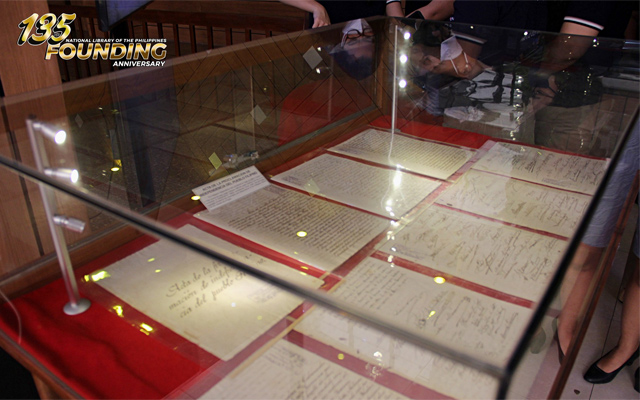
The National Library of the Philippines is along T.M. Kalaw Street, Ermita, Manila City. It is open from Monday to Friday (except holidays), from 9 a.m. to 4 p.m. Admission is free.