
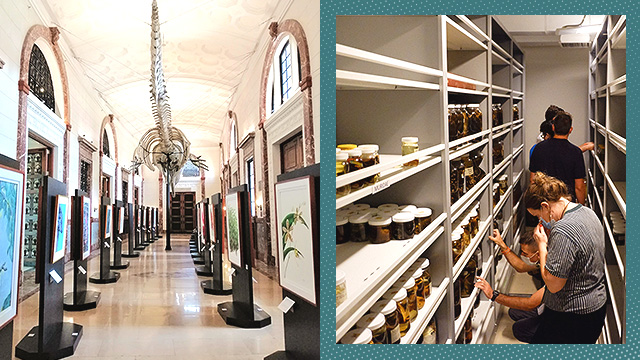
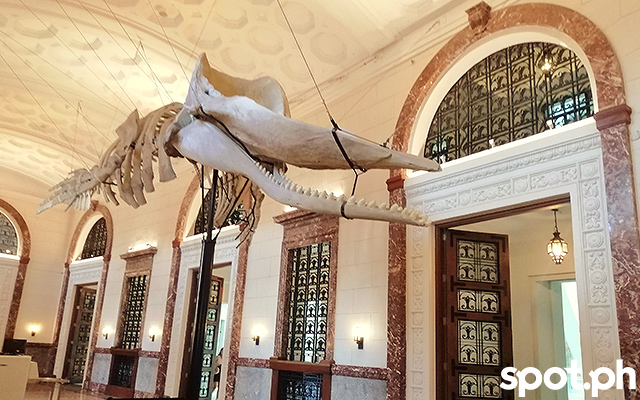
(SPOT.ph) Have you ever wondered what goes on behind the walls at museums, and the work that goes into setting up the exhibits and collections? SPOT.ph was recently given a behind-the-scenes tour at the National Museum of Natural History, alongside delegates of the fourth Southeast Asian Gateway Evolution International Conference hosted by the Ateneo de Manila University from August 7 to 11, so we can give you a special peek.
The special guided tour of the museum, as well as an exclusive look into the zoological repositories, is usually not open to the public. But it was the perfect time to find out what goes on behind the walls of the National Museum of Natural History, which is one of three outposts of the National Museum of the Philippines in Manila City.
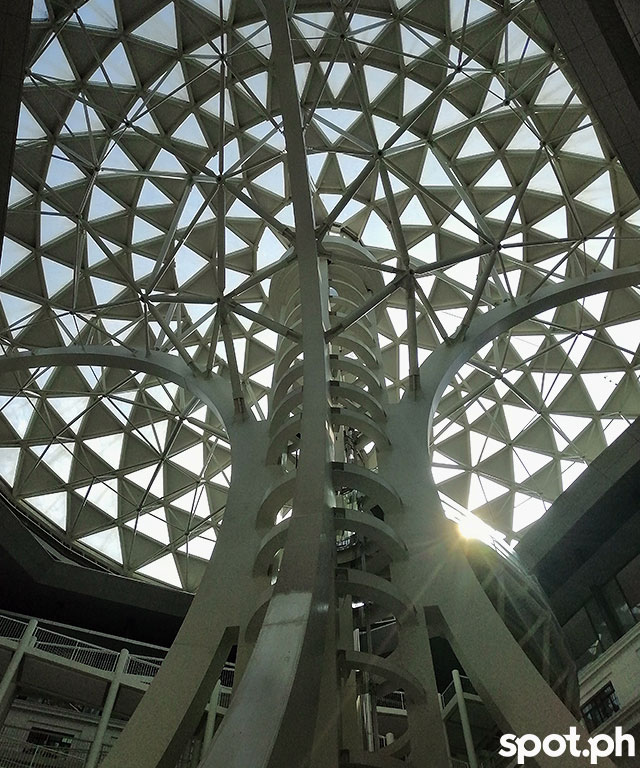
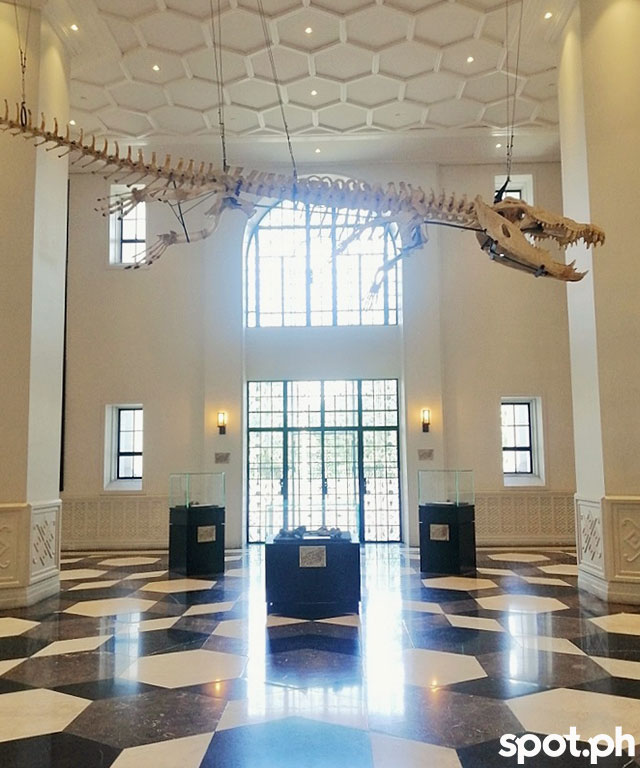
The Secret Life to Museums
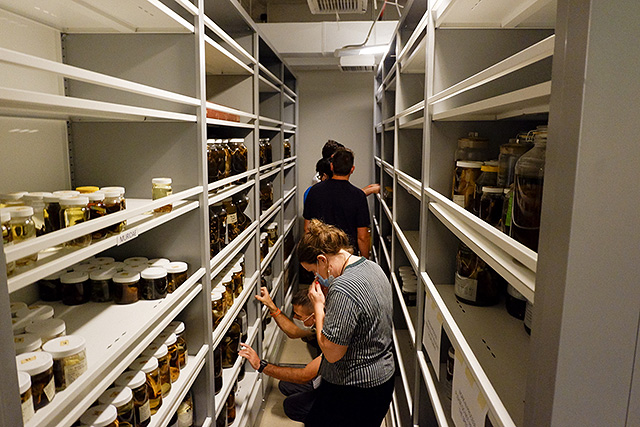
Many visitors may think that there are hundreds of objects and specimens on display at museums, there are actually thousands of other objects and collections that can be found in the museum’s storage, unseen to the public. These are all kept in repositories and storage facilities within the museum, archived and catalogued, while others are cleaned and restored.
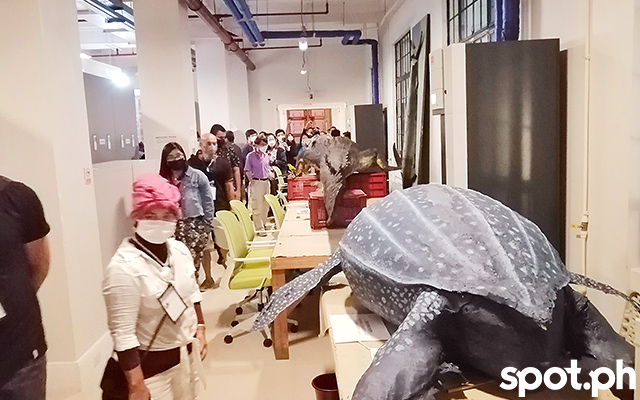
While we could see much of the museum staff in person in the galleries, assisting and touring us, or giving information, there are just as many, perhapes even more, staff members doing behind-the-scenes work. In natural history museums, these include curators, researchers, as well as resident biologists, botanists, geologists and zoologists, consulting conservators, taxidermists, and artists who all work together in putting up and maintaining these collections. These collections provide valuable information not only for the museum, but also for researchers, students, and scientists through the public exhibits.
Wet and Dry Repositories at the National Museum of Natural History
In the case of the National Museum of Natural History, their repositories are supervised by divisions within the museum depending on the collections contained in their storage facilities. These divisions include the Botany and Herbarium Division, the Geology and Paleontology Division, and the Zoology Division.
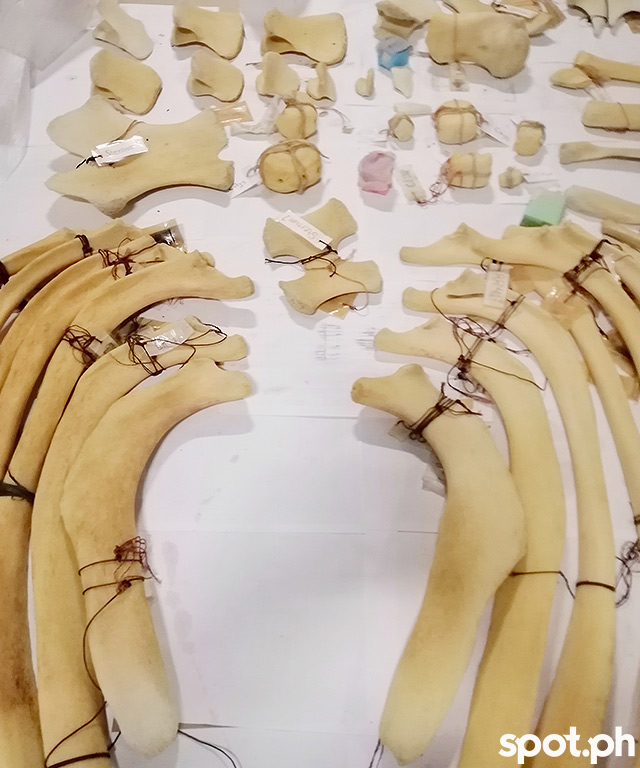
SAGE delegates and other guests were toured at the Zoological Division’s Wet Specimens and Dry Specimens repositories, which are located within the museum building and are not open to the public. Marine life specimens are found in the Wet Specimens Storage, in bottles of preserving liquid kept within the mobile storage systems, and catalogued per specimen type.
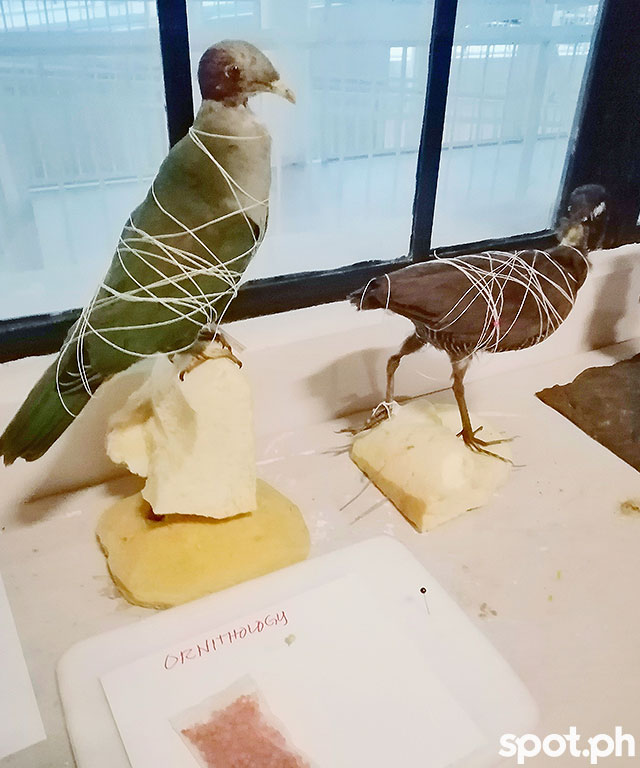
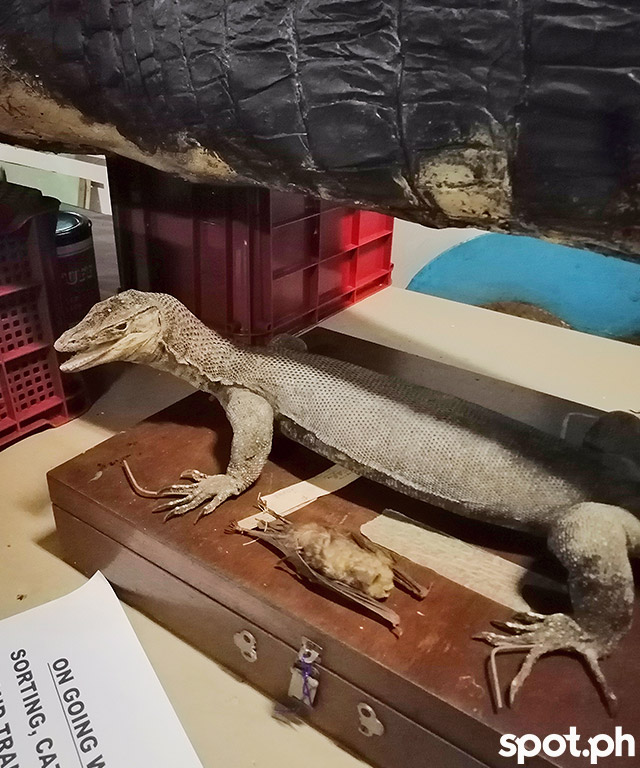
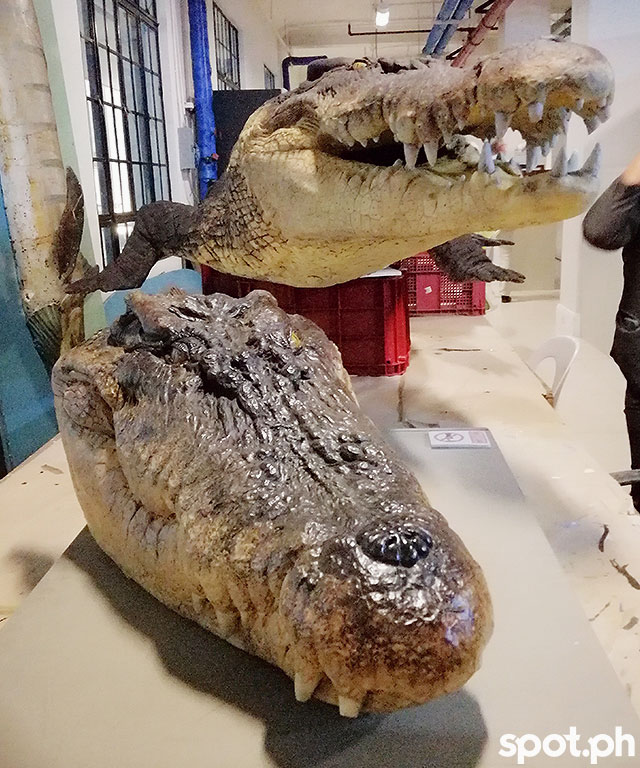
Things get more interesting inside the museum’s Dry Repositories. Aside from the storage of the specimens, this is where the whole skeletal systems of different animals are cleaned and assembled. Here, you can find full-size reproductions and actual taxidermy specimens of various animals. Their reproductions of crocodiles, tortoises, and other reptiles and amphibians are so realistic they looked ready to leap off the tables.
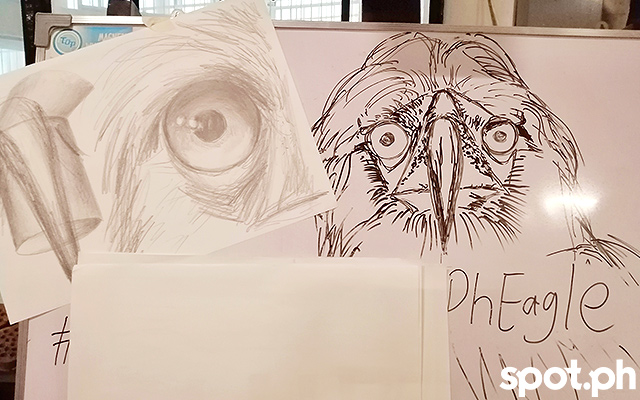
The Dry Repository staff explained how these reproductions are made. First, an artist makes several sketches of the animal species in various poses and views. Next, a life-size prototype of the specimen is sculpted and cast in plaster; this prototype is first presented to the zoologist for approval, and then adjusted if needed to resemble the actual animal. The final stage is painting the reproduction with properly researched colors and skin textures to resemble the real animal, and then it is ready to be displayed in a gallery.
Galleries and Recent Exhibits You Shouldn’t Miss
While the repositories are usually reserved for staff only, there are 18 other galleries and exhibit areas at the National Museum of Natural History you can visit.
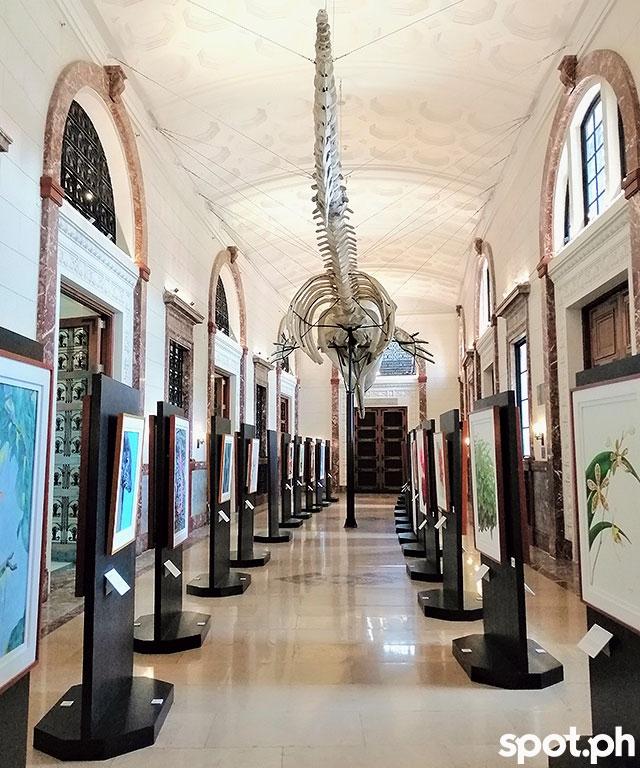
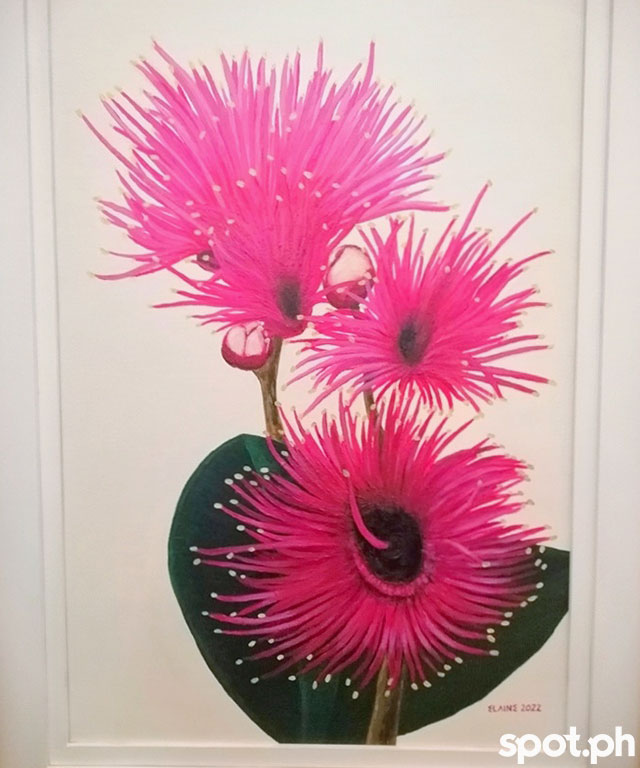
One of them is at the marble entrance hall (officially called the Hyundai Philippines Entrance Hall), where you will find the Natural Heritage in Focus: The Philippine Flora and Fauna Art Exhibition. It features paintings of Philippine endemic and native species of plants and animals and aims to show our country’s rich biodiversity. Launched by the Philippine Botanical Art Society (PhilBAS) and Philippine Fauna Art Society (PhilFAS), and the National Museum, the temporary art exhibit runs until the end of September.
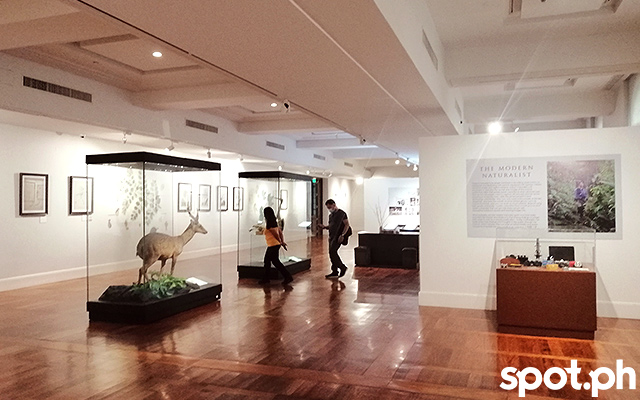
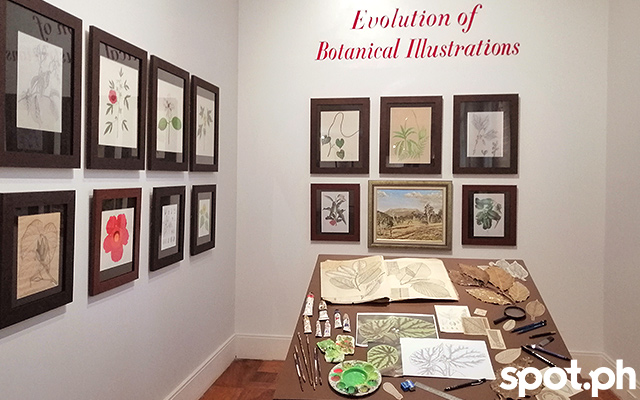
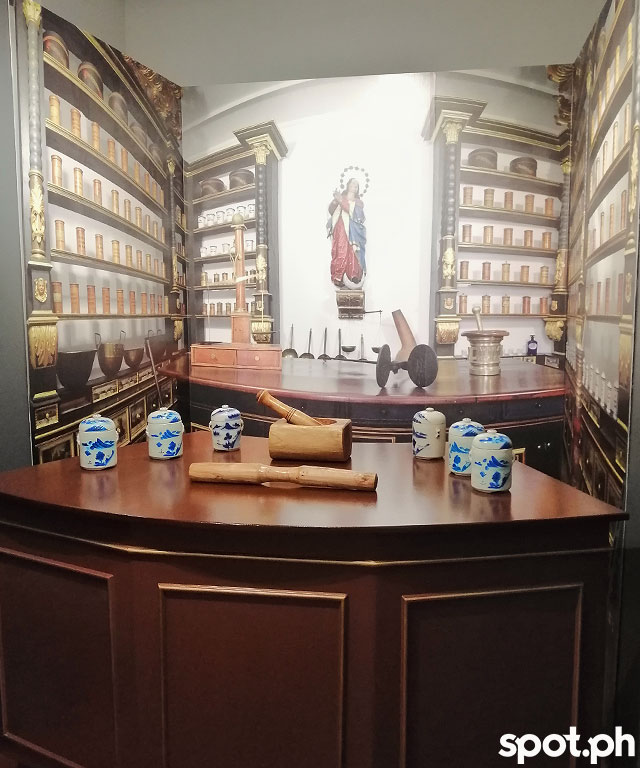
Another must-visit is the Pioneering Naturalists in the Philippines at the PHINMA South Exhibition Hall, which has exhibits that will remind you of an old-fashioned Cabinet of Curiosities with its plant specimens and taxidermied animals. Aside from a Murillo map and botanical drawings by early Philippine botanists and naturalists, the gallery also has a reproduction of a traditional apothecary—a botica or pharmacy—from the 1700s to the 1800s. Don’t miss seeing the 1877 to 1883 edition of Flora de Filipinas, Father Manuel Blanco’s rare book of magnificent lithographs of Philippine plants.
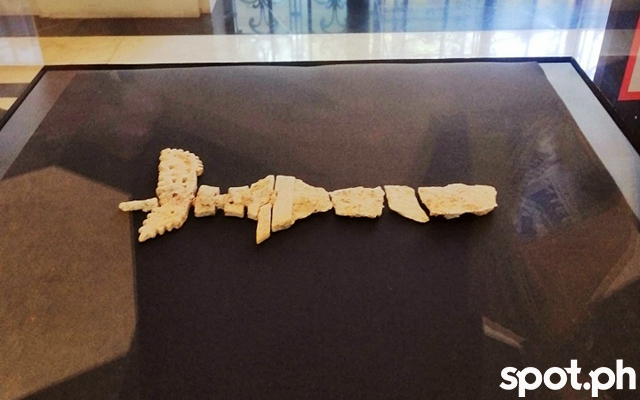
At the second-floor Ayala Hall is the Catanauan Dagger, one of the objects recently presented at the museum this year. This 2,000-year-old archaeological artifact was discovered in a burial jar in Marinduque near the waters of Mompog Pass. Made of bone, organic material, and metal, the Catanauan Dagger is an example of the funerary artifacts found in Catanauan in Quezon Province.
The National Museum of Natural History is at P. Burgos Drive, Rizal Park, Manila City. It is open from Tuesday to Sunday, excluding religious holidays, from 9 a.m. to 4 p.m. Admission is free. For more information, visit the National Museum of the Philippines’ website.