
This 1850s Home Has Served Some of the Best Filipino Chefs
Top chefs request to be invited to a Sunday lunch in this storied Arayat mansion.
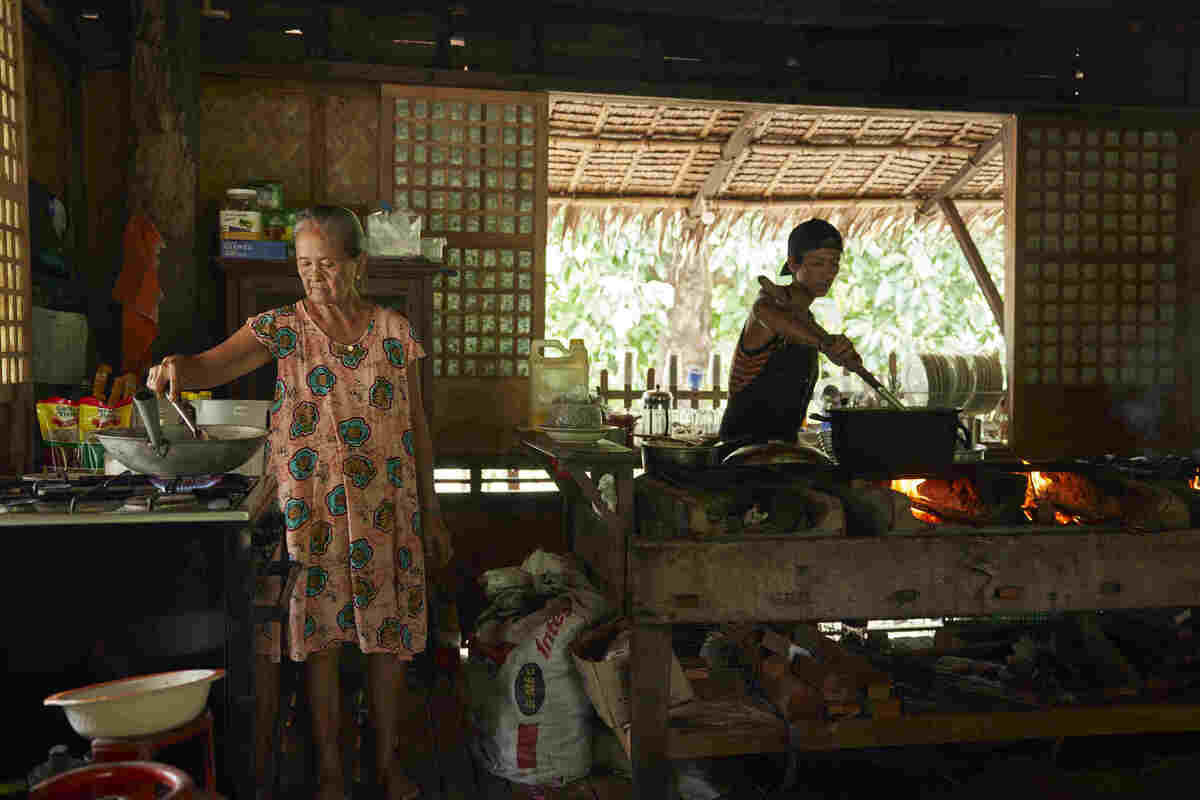
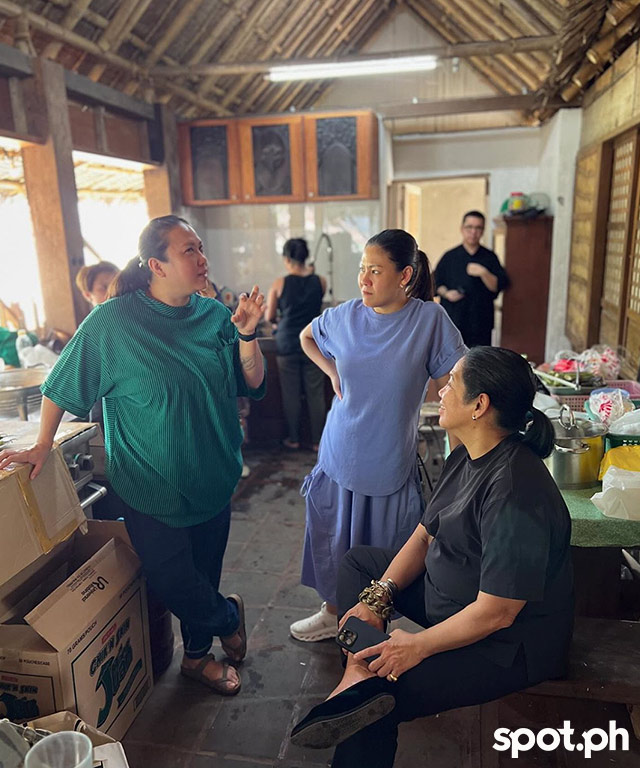
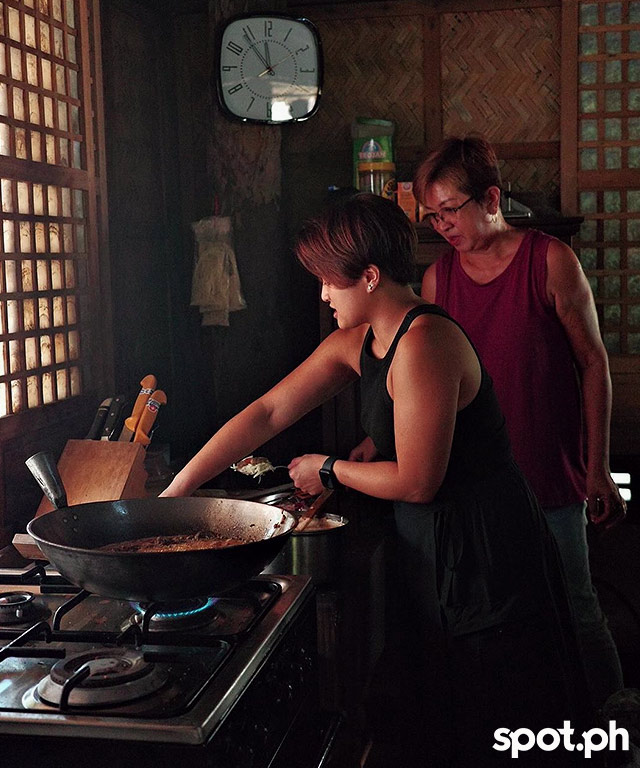
(SPOT.ph) This past January, some of the most admired Filipino chefs—including two who’ve won Asia’s Best Female Chef—gathered in the bamboo-and-nipa kitchen of the Medina ancestral home in Arayat, Pampanga. In this space where cooking by wood fire still rules, and where a kawa remains wok of choice, Johanne Siy of Singapore’s Lolla, Margarita Forés of Cibo and Grace Park (who brought her sous chef Valery Anthony), Miko Calo of Metronome, and Nicco Santos and Quenee Vilar of Cafe Aurora—them whose kitchens we imagine to be equipped with all the advanced cooking gadgetry and perhaps even a European-schooled staff—were students again, but this time of Kapampangan cuisine.
And students to Lucia Ramos y Mutuc vda de Mallari, 83, and her grandson Kim, the duo who heads the Medina kitchen, masters of the recipes of the family; and Marcos Calo Medina, custodian of the house, great-great grandson of its builder, conductor of the grand opera that happens in this kitchen every fiesta and every busy Sunday when friends and family from Manila and elsewhere come to visit. As the day progressed, the city chefs asked the questions, the probing kinds, ones that can only come from the techniques- and flavor-obsessed. Marc recalls some of them in his Instagram post about that day:
"How long do meats boil in sugarcane vinegar before simmered with the rest of the ingredients? Why are river prawns cooked before they're braised in coconut milk (which had already curdled and separated in the heat)? When do you stop adding sugar to the simmering vinegar and ground pork liver to make the lechon sauce? What are the different qualities of wood used for cooking on an open fire (and how is the heat adjusted)?"
Concerns the Arayat team described as “culinary minutiae we thought elementary” but then discovered to be, in the eyes of the visiting chefs, of great value.
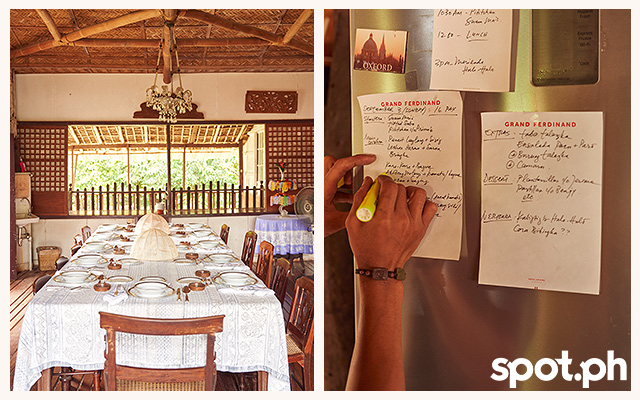
Table of Contents
- A feast at the Medina ancestral home
- A kitchen for a multitude
- Sunday morning at the Medina ancestral home
A feast at the Medina ancestral home
We’re betting Siy and company left the over 150-year-old Medina mansion more learned and inspired, but for sure full and deeply satisfied with the lavish hometown spread they were served. Because I was—having had the privilege of attending one Sunday lunch at the very same home a few months back. It was one of those lunches whose photos attracted a lot of wows on Instagram, and DMs that asked Where is that? and How can we eat there?
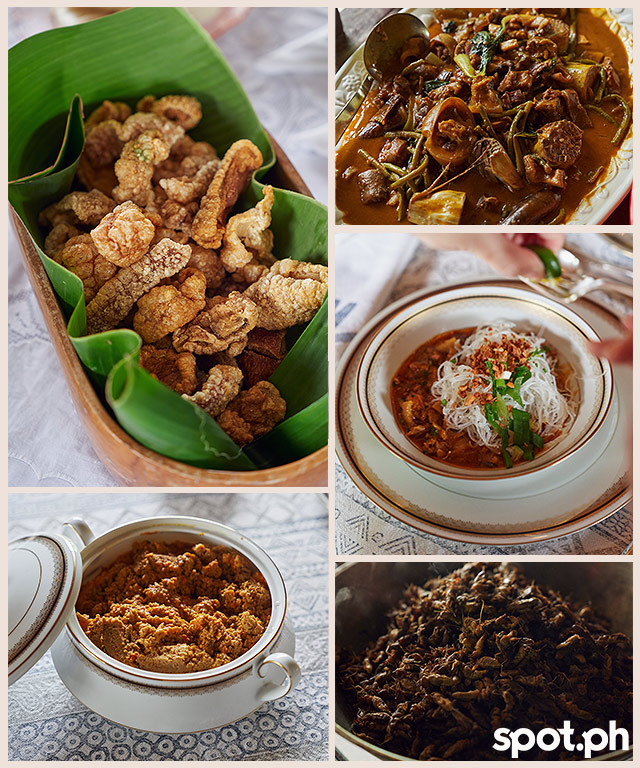
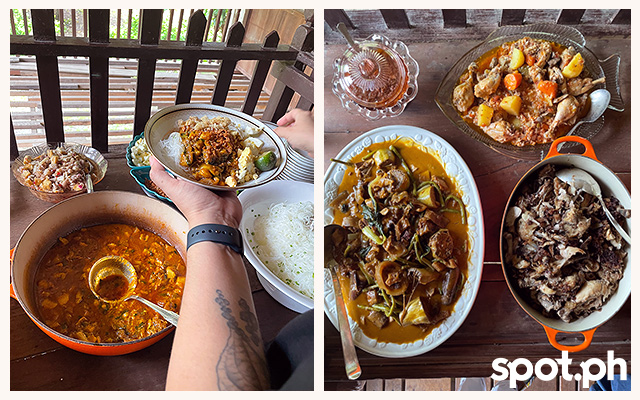
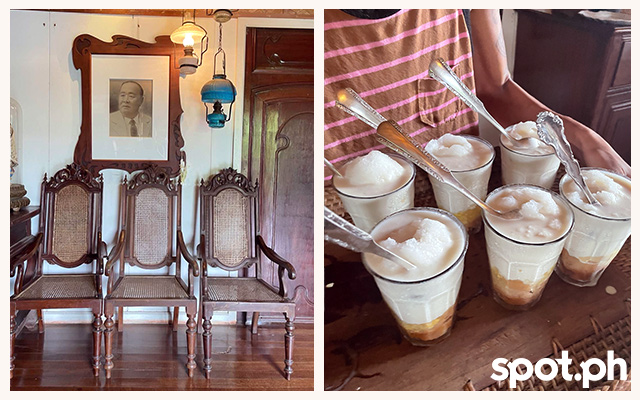
Perhaps it’s the sheer number of dishes—there was Adobo, Pansit Langlang and Sisig, Kare-Kare, Camaro, Binagoongan, Taba ng Talangka (served in a sizable ceramic bowl) and Burong Talangka, Bringhe, Ensalada Pako, Ulang Sa Gata, Pastillas and Halo-halo! Or perhaps it was their unstyled, familiar presentation that took the interrogators' breath away, taking them back to having honest-to-goodness fiesta fare from their own beloved home provinces.
A kitchen for a multitude
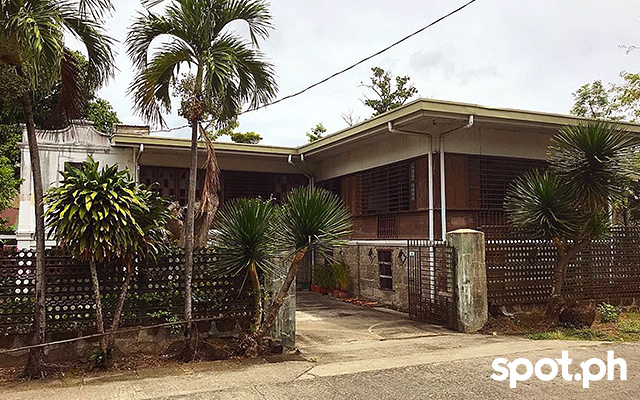
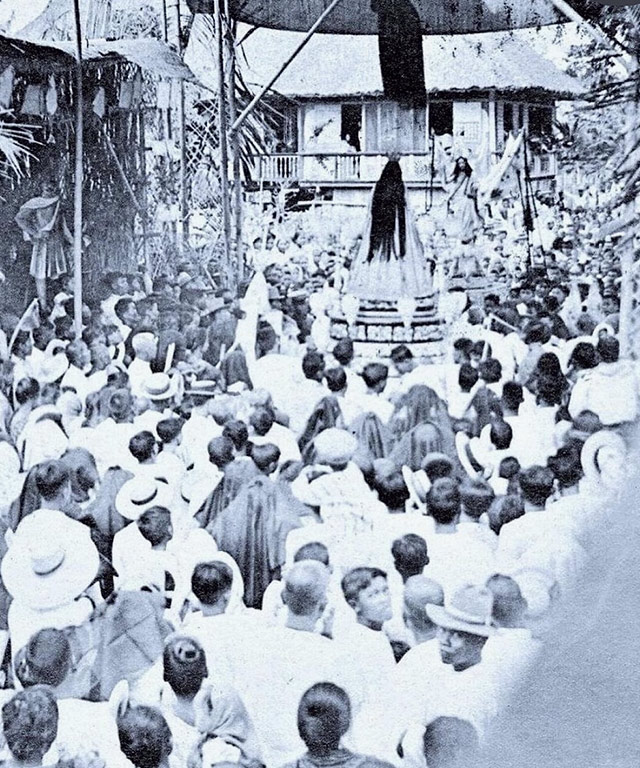
From the size of its kitchen, food is clearly a great part of the Medina house. In fact the entire kitchen WAS the house back in the day. The adobe section of the entire present structure, which is closer to the entrance and where the living area and bedrooms are, were just added in the late 19th century when the family had more money to spare. But yes this kitchen is made to feed a multitude. “My last fiesta here, before I entered Oxford in 2007, I fed 160 people,” recalls Marc.
It was the town fiesta that celebrated Arayat's patron saint Catherine of Alexandria. The house being in charge of at least four karos, Marc had to feed the men tasked to escort the carriage, the church choir, the altar boys, and anyone who wanted to partake of his handa.
“When Kim cooks for two to three people, the taste of his dishes change because he doesn’t know how to cook for a small group!” Marc says with a laugh.
Kim is the first male cook of the ancestral home. There have been many cooks over the decades, among the earliest being Lucia’s mother Maria and Maria’s sister Kika. From Marc’s Instagram: “Lucia assumed the most important household position of ‘cocinera tradicional’ after my grandmother died in 1980. I was 13 years old and Lucia has been cooking for the house ever since (everyone calls her Imâ). She had two grandchildren as her kitchen helpers to whom she has passed on her palate: the older now works for the royal family in Doha; the younger is keeper of the culinary flame that gives life to the Medina home. My father had always taken a liking for Kim, who traveled to Manila by bus and slept by my father's casket throughout his 9-day wake.”
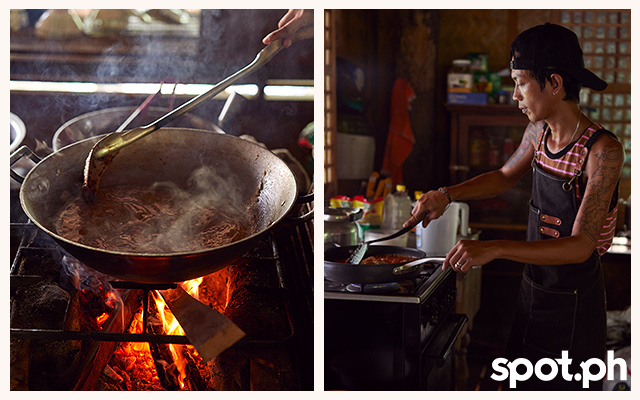
Marc calls the lola-apo partnership in his kitchen symbiotic.
“Lucia's palate remains supreme: she always gets the final taste before dishes are set aside as done, before I am called to give the final go-ahead for serving (so far, I've never had to send anything back, as it were). Cooking with wood is a physical task and Kim's movements are so well choreographed and smooth, you'd think he'd been born by the wood-fire stove. He knows how to draw out the nuances and secrets behind the Medina family recipes from his grandmother, who, in turn, is only pleased that one of her descendants by blood has become the first male cook of the Medina kitchen.”
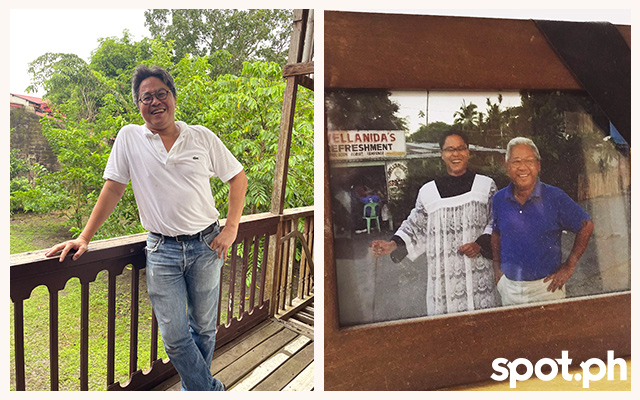
And then there is Marc himself, a 6th generation Medina, creator of the menu, host and keeper of the house. As a kid, the son of Juan Eulogio “Johnny” Medina and the theater actress turned legendary travel show host Susan Calo Medina, looked forward to spending weekends in Arayat. His father would pick him up from Xavier on a Friday, drive to Pampanga, and spend the next two days there.
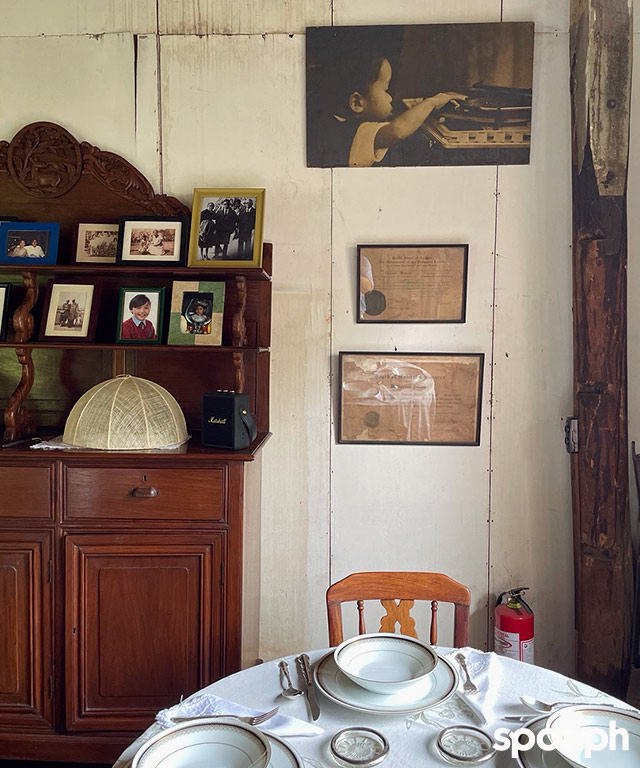
One of the attractions of Arayat to young Marc is being "spoiled by my lola,” who he describes as strong and an excellent cook like most Kapampangan women. He never missed a fiesta or a Holy Week, except when he was abroad. He liked it here because he could do anything he wanted: walk barefoot in the garden, or inside the house, climb a guava or duhat or sampaloc tree. Excursions to the farm with his dad would make for idyllic memories. “I had memories of jumping in the haystack, showering in the natural waterfalls. If I close my eyes I can feel the lumot between my toes. I can smell the carabao dung. I have memories of catching butterflies, camaro.”
Sunday morning at the Medina ancestral home
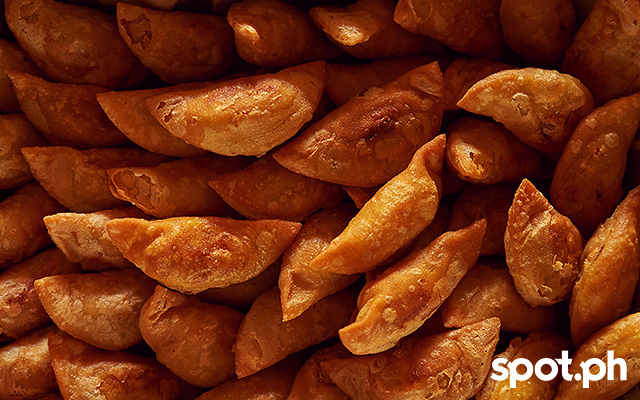
This is what it’s like in the Medina house on a Sunday morning, if you’re lucky enough to be invited. Well, at least this is how my morning went. While the cooking is in full swing, Marc sits down with me on a busy kitchen table, and asks me to take one each from the just-arrived trays of Manapla-style puto and still-steaming panara—which is a pastry stuffed with peppery shavings of green papaya and teeny tiny shrimps, and which I first encountered and fell in love with in Bacolod. Here in Arayat, the family who makes them makes them only during Christmas season, but Marc is a special customer and so, voila, I am having breakfast in Pampanga with my favorite Negrense treats.
Next, I am served a hot chocolate drink—a perfect match to the savory Pinoy turnover. It’s not local chocolate, Marc confesses with laughter. In fact, the host brought it in from Mexico where he did field work for his PhD in Anthropology and where he once lived briefly following the death of his mother. But he localizes the chocolate with gatas ng kalabaw, and he asks me to mix in some aborted green rice in it, which eventually melts into the drink, makes it thicker, although not necessarily more flavorful.
With the puto and the panara and the chocolate drink, it’s hard to decide which one to consume more of, but Marc says this is really what Arayat dining is about. “Kailangan lagi naglalaban ang tamis at alat, savory and sweet,” he says. That’s why they serve their fruits with their ulam, eat their binagoongan with banana. The Kapampangan also do their adobo in a different style: the chicken and pork are boiled first in vinegar and garlic. When some of the liquid is reduced, the meats are taken out and the sauce is allowed to reduce some more until it becomes a potent liquid. The chicken and pork are then pan-fried and brought back to the liquid where they are cooked some more and the sauce allowed additional reduction. The result is a dry adobo, Marc says—that’s why it’s served with a side dish of fresh, “pulverized” tomatoes and bagoong.
I savor the rest of my unhurried breakfast, knowing lunch will be busier with more people from Manila coming, among them Marc's sister Lui Medina, the artist, and their cousin, Miko Calo. Another chef will be part of the party, Bruce Ricketts, with his partner, the lovely Jae Pickrell. They will bring fellow creatives with them: Patty Eustaquio, JJ Acuna, Rita Nazareno, Cecile Ravelas, Enrico Suarez, and Bea Ledesma. I take in the last few moments of quiet, which is what ideal Sunday mornings should be about.
With Marc beside me, talking about the family history and kitchen traditions, sharing the beginnings and future of this house (it is due for restoration, he says: "You know a house this old has a life of its own. And the house decides what it wants to do and who it wants to belong to. So the only thing one has to do in a house this old is to listen...and it's saying now, Fix me! I'm already more than 150 years old!"), it does seem like being in the Medina kitchen, as a guest, is really, essentially, a teaching and learning moment, a constant stream of discovery, of opportunities to learn new ways of doing things, from how to make your chocolate drink to how one can make adobo “old style.”
One doesn't need to be a superstar chef to have this opportunity. One only needs to be invited. Or at least be in Arayat next fiesta.