

Here's What It's Like When Lunch Is Served by Five Chefs of Michelin-Starred Restaurants
We're still dreaming of that Wagyu tartare-topped chawanmushi.

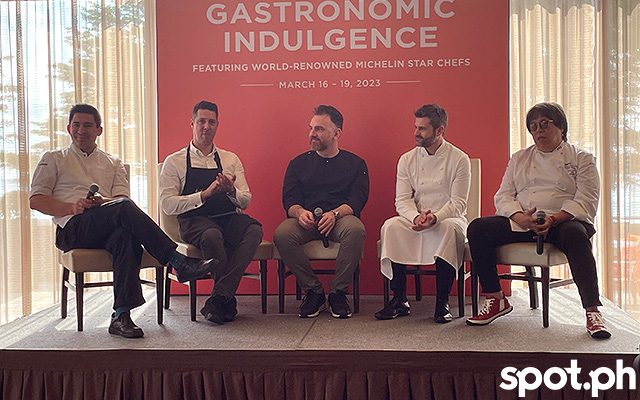
(SPOT.ph) It’s not every day that a chef of a Michelin-starred restaurant would fly to our shores and showcase what they do best—let alone five of them. Yet that’s precisely what took place last week as Chefs Enrico Bartolini, Tohru Nakamura, Alvin Leung, René Frank, and Rui Silvestre came over and held a special lunch, brunches, and dinners in celebration of Solaire Resort and Casino’s 10th anniversary.

Also read: Michelin Stars: What They Are and How Restaurants Lose Them
These famed chefs of Michelin starred restaurants came to Manila:
The resort-casino-hotel-dining hub flew in the five culinary maestros, who all congregated for a media lunch held at Solaire’s Finestra Steakhouse on March 15—which the SPOT.ph team had the privilege to be part of! For the 10-course affair, each chef prepared two dishes that served as previews for the upcoming dinners and brunch buffets they held last weekend. Note that we've arranged this by chef, rather than the exact order the dishes were served, to better illustrate their distinct philosophies on food.
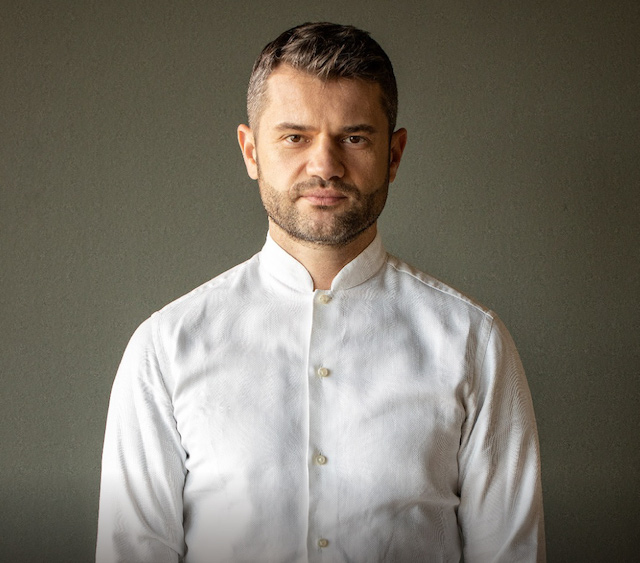
From Tuscany, Italy comes Chef Enrico Bartolini. He’s made waves not only for receiving his first Michelin star at the tender age of 19, but also for being the only chef in history to receive a total of four Michelin stars in one go, two of those being for Ristorante Enrico Bartolini at Milan’s MUDEC, in 2016! The young chef—who takes a page from both tradition and innovation—has also been awarded more stars for his restaurants around Italy than any other chef, and has other dining spots in Abu Dhabi, Dubai and Hong Kong.
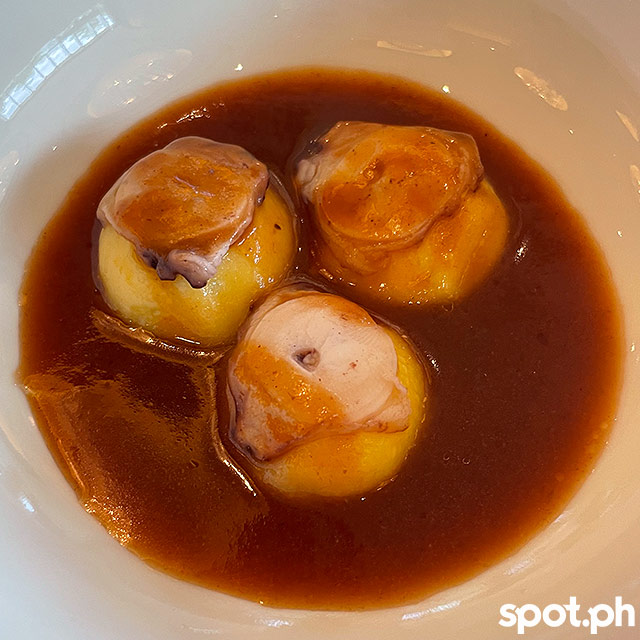
Paying ode to Bartolini’s background, he whipped up a starter of olive oil and lime Bottoni (i.e. the classic button-shaped, filled pasta that’s made by hand), crowned by thin slices of octopus and nestled atop a sea of the Italian fish stew known as cacciucco. Swanky as the setting of the meal was, this being Solaire after all, the overall hearty, briny, tomato-tinged flavors of this beginning course took us straight home. (Doesn’t hurt that its beverage pair—Charles Heidsieck Champagne Brut Réserve in its vivifying, fruity-forward glory with a slightly dry finish—brought out the taste of the seafood beautifully.) He then went the less-is-more direction for the Turbot, which showcased the meaty fish perfectly cooked and succulent as can be, with a thin sheet tinged with chicory and a chicken-liver sauce as accompaniments.
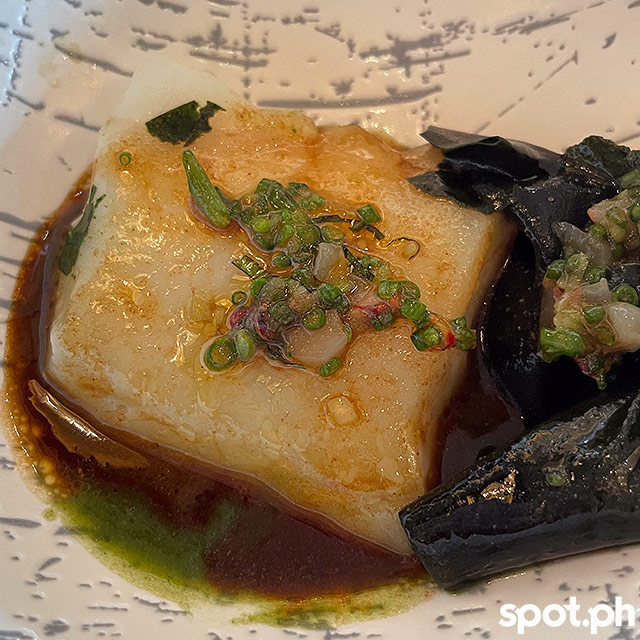
French and Japanese cuisines might seem like distant entities, but they’re united by—among other traits—their penchant for detail and the strong foothold of tradition even in the way they’re executed today. Just ask German-Japanese Chef Tohru Nakamura, whose restaurant Tohru in Munich, Germany was bestowed two Michelin stars within just three months of opening. Fun fact: this trip to the Philippines is actually his very first visit to an Asian country outside Japan! (He also gushes about a certain “super delicious [Filipino] beef stew” with a “dark sauce” he got to try here.)

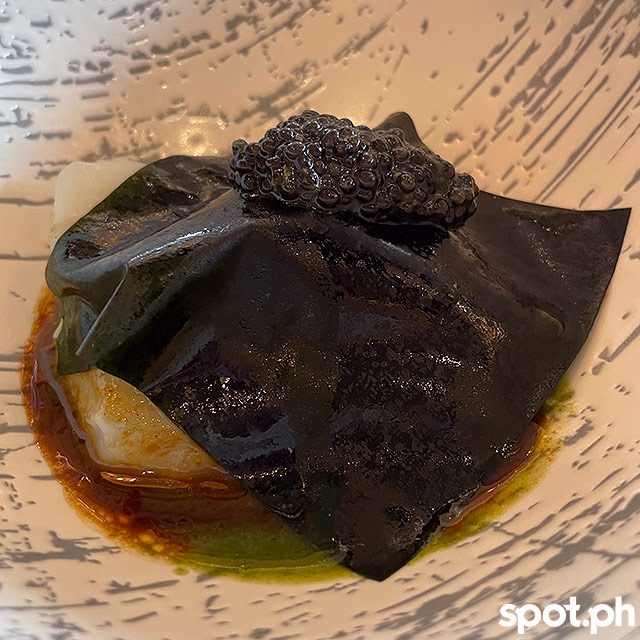
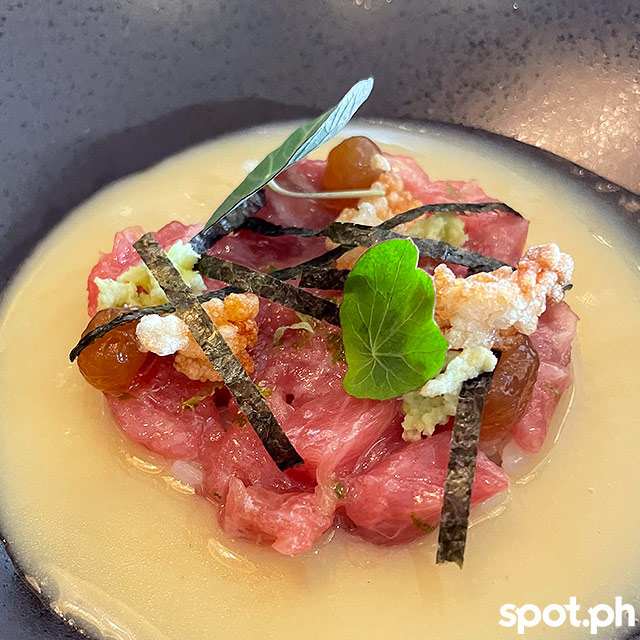
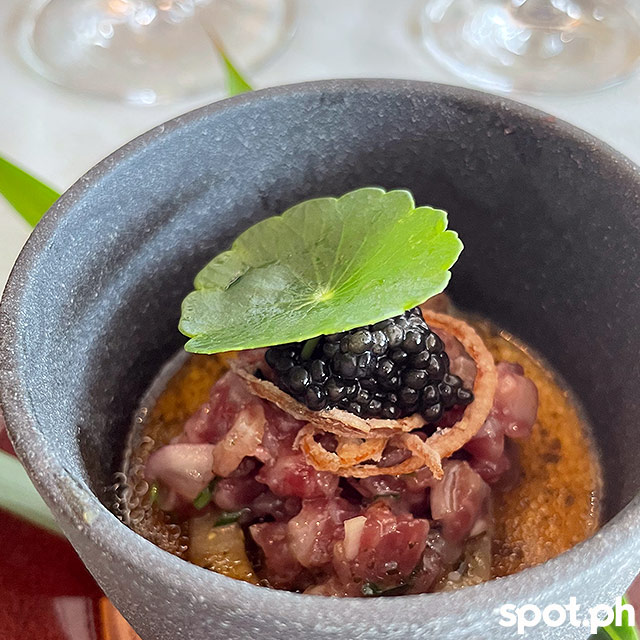
French techniques, a Japanese eye for precision, and Mediterranean flair find their crossroads in Nakamura’s cooking. Take the Toro, for example. The dish primarily showcased his Japanese side, featuring the fatty tuna it’s named for over a bed of Koshihikari rice and a sauce of shio koji with a hint of wasabi. But the devil (or even stronger display of dexterity in this case) is in the details—the said sauce had a perfect supple, velvety feel on the tongue, seemingly from having perfectly emulsified liquid and fat, and the balance of flavors was spot on with no one element overpowering any other. For the Wagyu, he gave a tartare of the beef a light grilling before serving that (plus mizunasu, Sturia caviar, and roasted konbu ponzu, why the heck not) over chawanmushi. And you bet it was as picturesque as it was impactful on the taste front, bringing together meaty, briny, umami, and velvety smooth worlds in each spoonful.
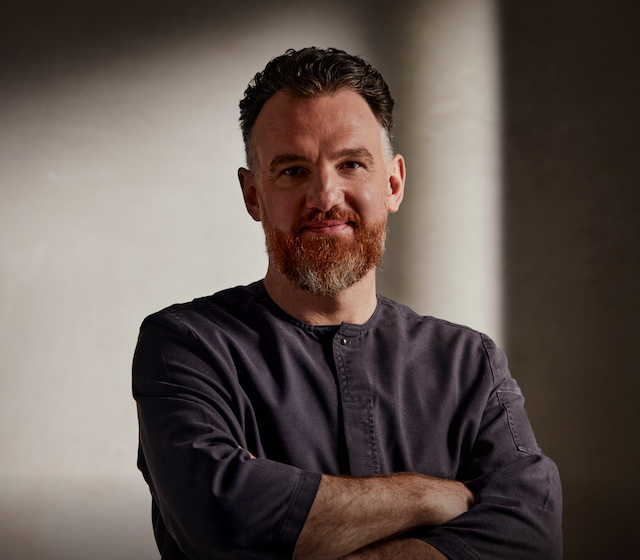
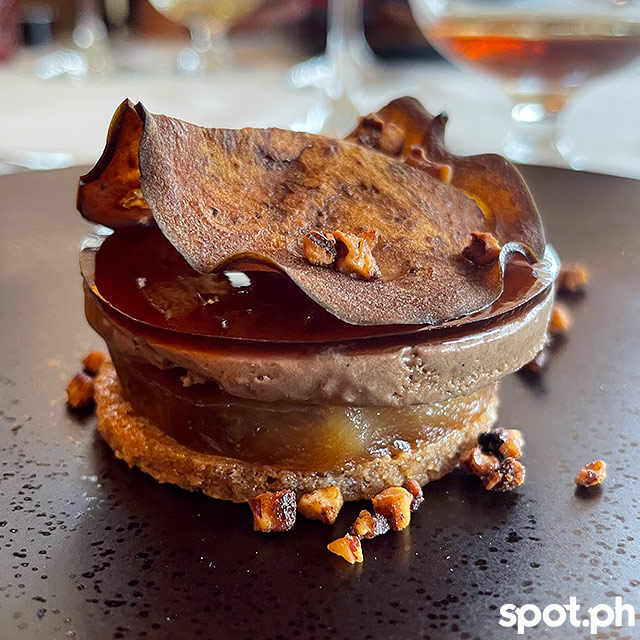
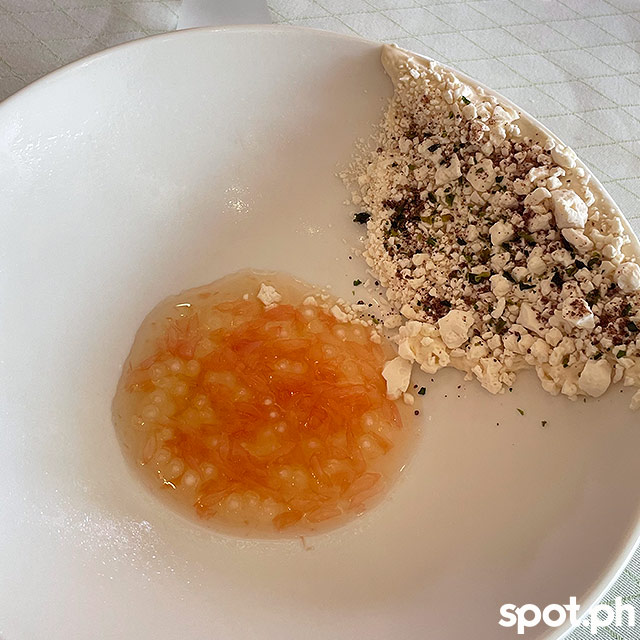
Chef René Frank had us rethinking everything we thought we knew about dessert—in the best way possible. The pastry chef owns two-Michelin star progressive dessert restaurant CODA in Berlin, and fashions edible works that toe the line between being categorized as savory or sweet. (It's for this reason that the chef also shared how he fell in love with our Philippines’ champorado—bittersweet porridge base, salty-umami fish and all.) “I want to show that dessert can be more than the final course in the menu,” he explains. His trick? Aiming for a balance between sweetness, saltiness, umami, and acidity so as to keep the mind (and taste buds) hooked.
This was beautifully displayed in his Eggplant course—a third, technically savory course that managed to incorporate both main-course and dessert elements into a cohesive, splendid union. As the name implies it featured eggplant in the form of a crisp chip plus what seemed to be a layer of the fruit (it’s a fruit!) braised in a tangy-sweet liquid of sorts—think poached pears. Rounding those out are a lush layer of cream with the distinct nuttiness of pecans, a thin disc of apple-balsamic jelly for brightness, and more toasted pecans all around. His second entry—our (actual) dessert dubbed Grapefruit—played on multiple senses. We’re talking sight, with its glistening visual; smell, as a thyme scent was misted onto our hands before we dug in; and of course, taste, it being bright from the citrus, creamy from the swish of the mascarpone, and texturally complex from the sprinkle of dehydrated Savoy cabbage.
From Portugal comes Chef Rui Silvestre, who was head chef at Bon Bon restaurant in Algarve—where he was awarded his first Michelin star at just 29 years old (and was the youngest Portuguese chef to ever do so!). His resume also includes stints at restaurants in France, Switzerland, and Hungary; today he showcases his culinary prowess at the one-Michelin-starred restaurant Vistas in Portugal.

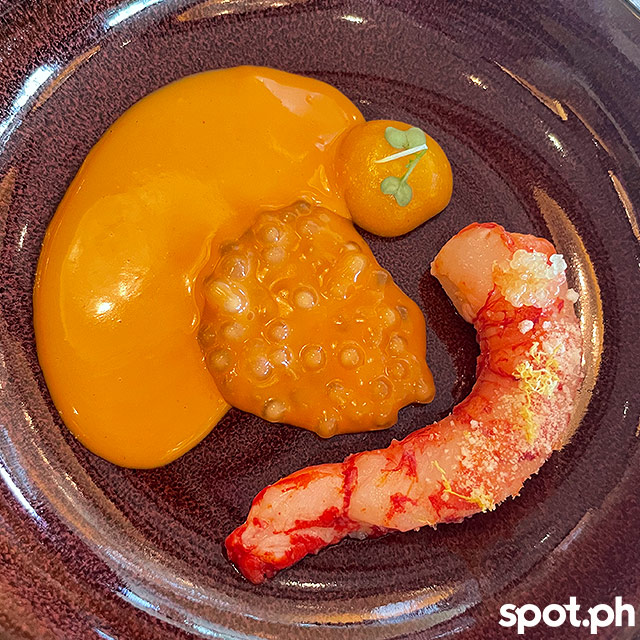
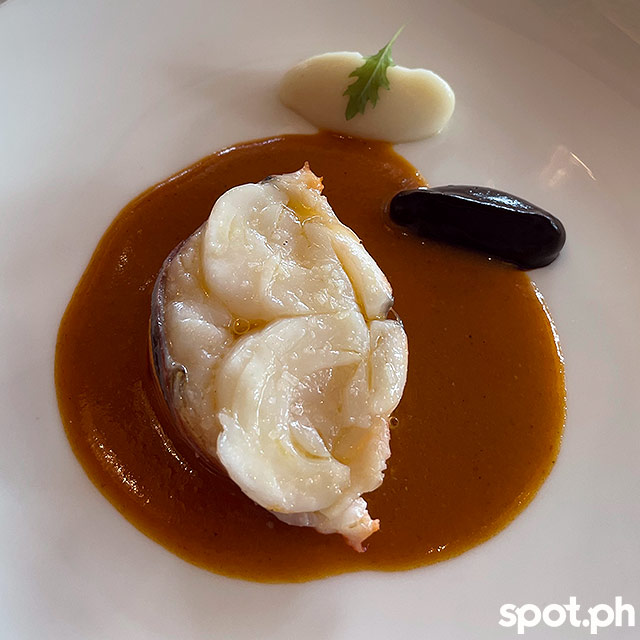
Less is for the most part more for Silvestre as he aims to let the natural flavors of local ingredients (seafood especially!) shine. That doesn’t necessarily equate to being bland or boring, though. Consider his Carabineiro for one. He cooks its namesake, a red shrimp found in Portuguese coastal waters, to juicy, succulent perfection—and tasty as it is in itself, it’s also brought to feistier heights with a golden dollop of spiced tapioca and a curry sauce that gleams as the rays of the sun would as it hits the sea. The Lobster, too, put his seafood skills on display with the shellfish retaining its plump and glossy character and serving as a proverbial island surrounded by a hearty masala-tinged sauce.
Last but absolutely not least on the roster is Chef Alvin Leung—who shares he’s been to the Philippines many times, and commends our cuisine’s nose-to-tail approach in using all parts of the animal or plant in cooking, similar to how it is with the Chinese. Filipino gastronomes would likely be familiar with the English-born, Hong Kong-Canadian chef and TV personality known for his “extreme,” convention-bending way of taking on Chinese cuisine. He's not only a judge on MasterChef Canada, but also helms two-Michelin starred spot Bo Innovation in Hong Kong and other Bo restaurants around the world.
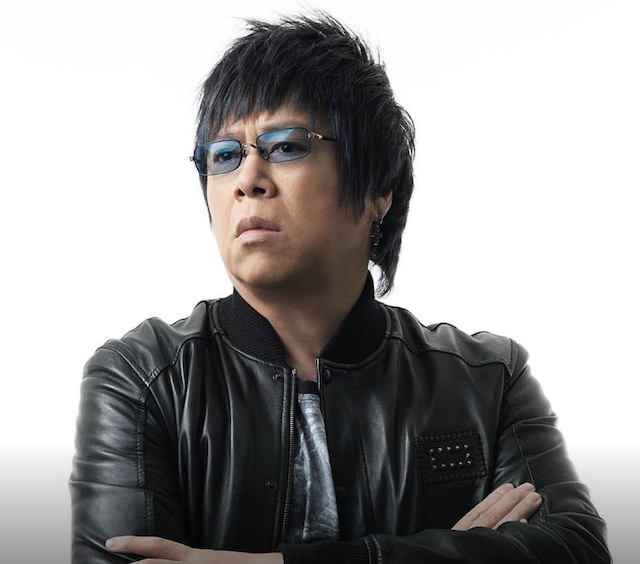
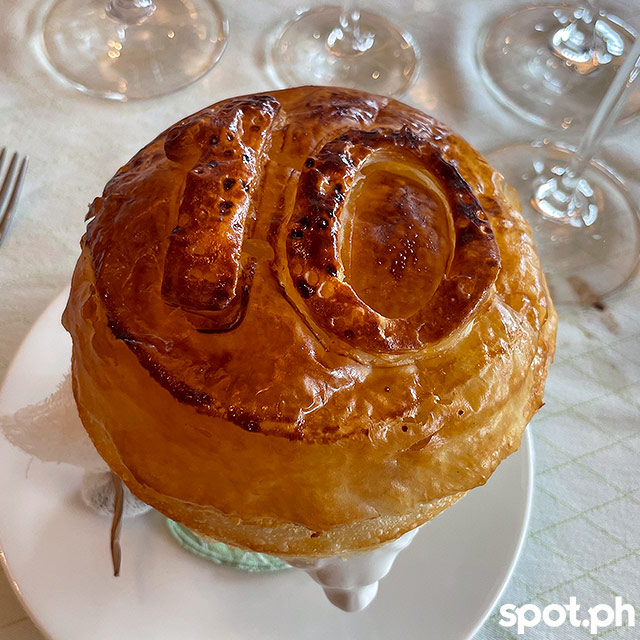
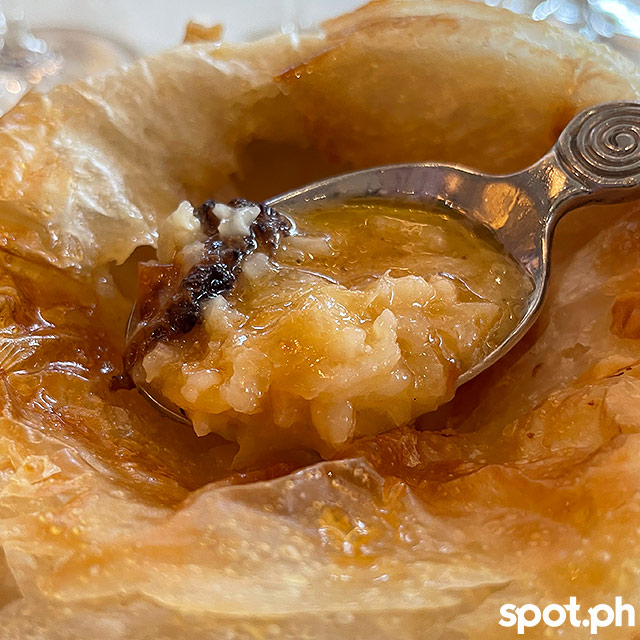
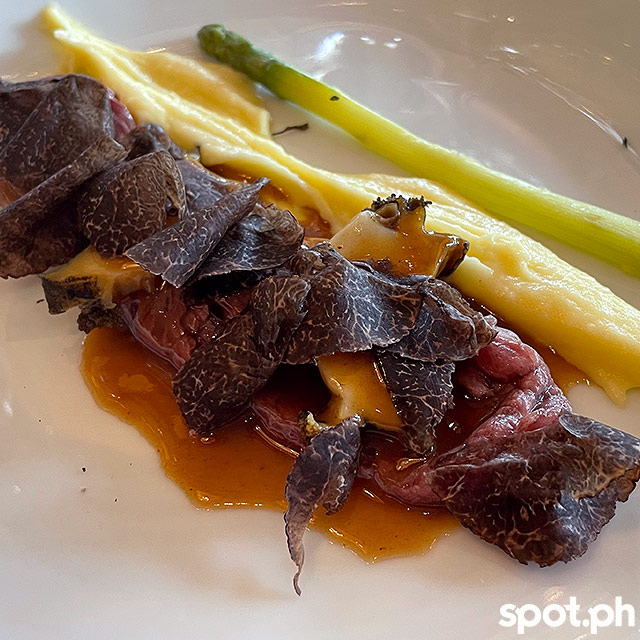
Leung definitely hits on the creativity bit (and the rockstar look, if we may add), but the “demon chef”—who has an engineering background—also puts great emphasis on precision in coming up with his dishes. For the lunch, he went the relatively more tame route, serving up plates that take after comfort classics; this being the Alvin Leung, though, he took liberties to give them subtle upgrades where applicable—e.g. the use of a very concentrated chicken broth, the addition of morel mushrooms, and a topping of puff pastry that made for soulful spoonfuls (and a dramatic presentation) in the arroz caldo-inspired Rich Chicken Soup. He similarly brought the classic combo of beef, mushroom, and potatoes to luxe heights in his Wagyu Beef and Abalone course. If the thin slices of melt-in-your-mouth Wagyu don’t do it for you here, perhaps the rich and earthy abalone would. Or the generous shavings of black truffles in their intoxicating glory.
Having the Michelin guide (and its highly coveted Stars) attached to your name or restaurant is no small feat. The chefs successfully gave us a (literal) taste of what they do best—and rightfully so. While some might dismiss fine dining as unnecessary luxury given food’s ultimate primary role as, well, fuel, to do so would entail dismissing the idea of food as a medium for creativity and artistic expression. We implore you to keep an open mind; food absolutely can be more than just food and this eye-opening 10-course affair was proof.
Located in Parañaque, Solaire first opened in 2013, and continues to be a primary destination for their luxury amenities and dining spots to this day.
For more information, check out Solaire Resort's Facebook page.
Hey, Spotters! Check us out on Viber to join our Community and subscribe to our Chatbot.