
Cop Some of the Best Local Chocolates From This Online Shop
Auro, Malagos, Cacao Culture, and more that showcase the best of Filipino cacao.
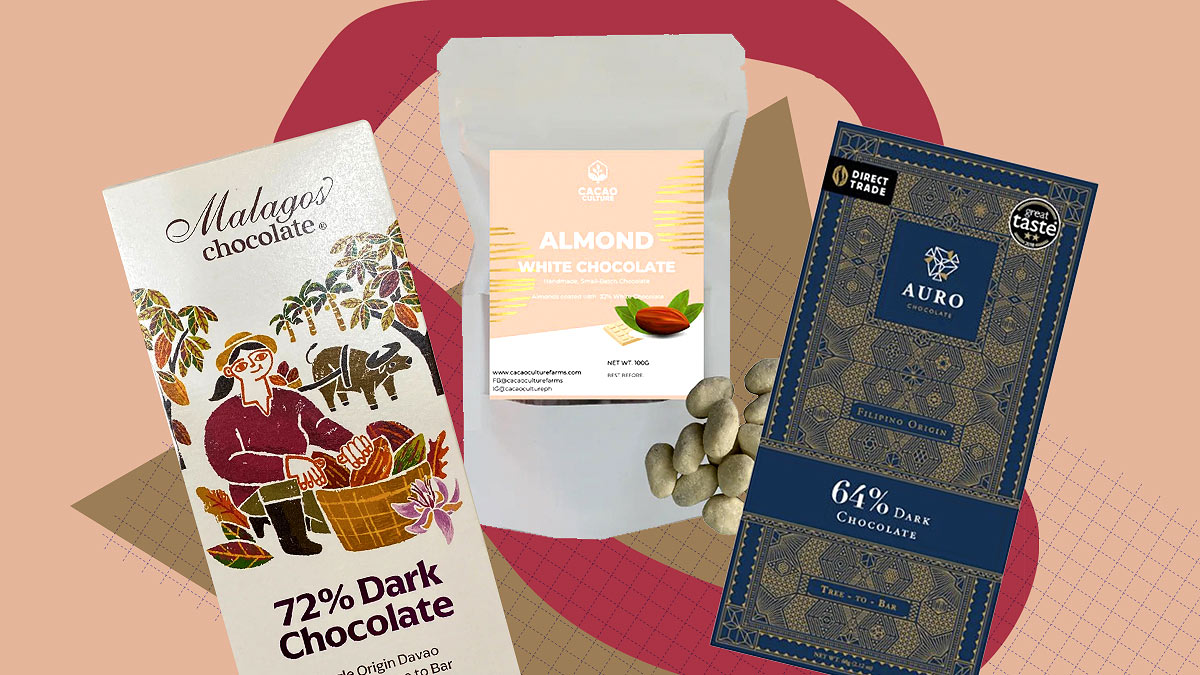
(SPOT.ph) Remember the time when most Filipinos automatically equated imported to being better when it came to chocolate? Things have shifted in recent years—and thankfully so, as the Philippines is home to great cacao, as well as a growing number of skilled chocolate makers and brands. Looking to dive into the world of Filipino chocolate? It couldn't be easier to do so thanks to one small shop: Cacao Culture, which carries products of a number of great Filipino chocolate brands and delivers them to your doorstep!
Also read:
The Best Local Brands With Swoon-Worthy Bean-to-Bar Chocolate
How Tigre y Oliva Is Building a Global Name Using All-Local Ingredients
Sweet Serendipity: Chocolatier Daniel Corpuz on Seizing Opportunities and Landing on Netflix's School of Chocolate
Check out this one-stop online shop for some of the best Filipino chocolate brands around:
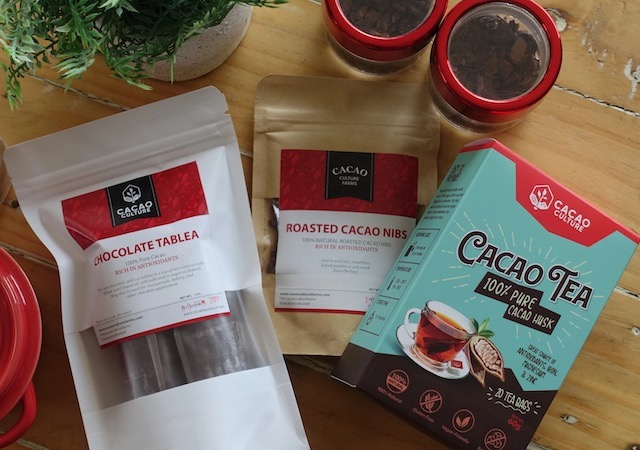
Cacao Culture is both a Davao-based standalone brand for cacao-based treats and ingredients—including Tablea (P165/144 grams), Cacao Nibs (starts at P560/500 grams), and Cacao Tea (starts at P165/30 grams) using the leftover husks, plus other fun confections we'll dive more into shortly.
They also double as a shop where you can pick up treats from a number of other local purveyors. The small shop's roster is impressive—we're talking chocolate bars, tablea, chocolate-dipped fruit, and other treats from the likes of award-winning bean-to-bar chocolate brands Auro Chocolate, Malagos Chocolate, and Theo & Philo, as well as Cacao Mistry, Coscao Chocolate, Lerio Chocolate, Nutrarich, Rosario's Delicacies, and SweetBest. These treats make use of local cacao (most are from Davao); many also espouse sustainability among their core philosophies.
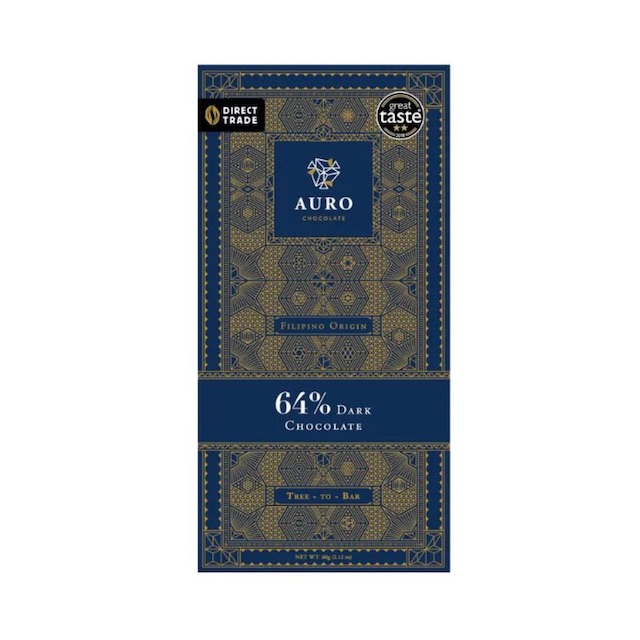
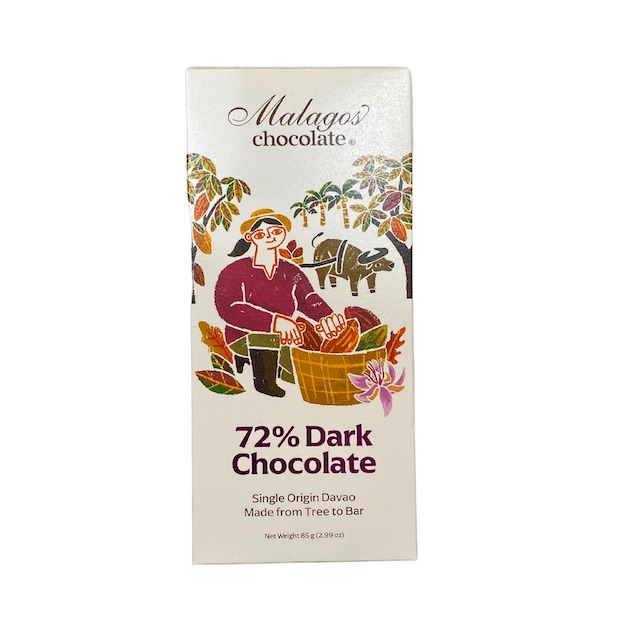
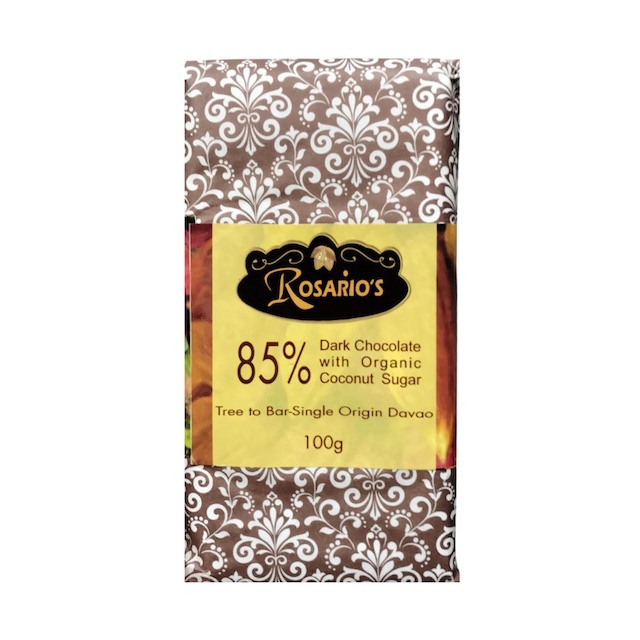
There's something for everyone with the range of products they've got available. For starters, those who (happily!) dwell on the dark side can pick up bars like Auro Chocolate's 64% Dark Chocolate Bar (P150/60 grams), an awardee of two stars during the 2018 edition of the UK's Great Taste Awards, Malagos Chocolate's fruity 72% Dark Chocolate Bar (P290/85 grams) and all-out robust 85% Dark Chocolate Bar (P300/85 grams; note that this is sold out as of writing), Lerio Chocolate's 70% Dark Chocolate Bar (P175/63 grams), and Rosario's 85% Dark Chocolate with Organic Coconut Sugar (P240/100 grams) that gets a caramel-y boost thanks to coconut sugar.
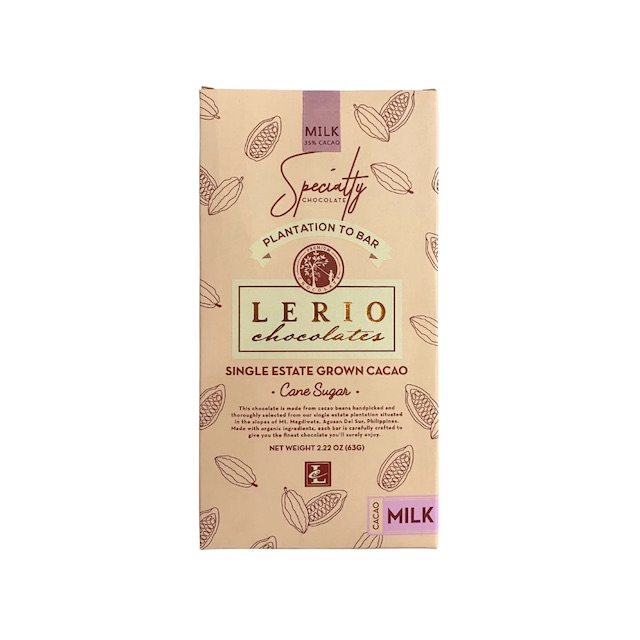
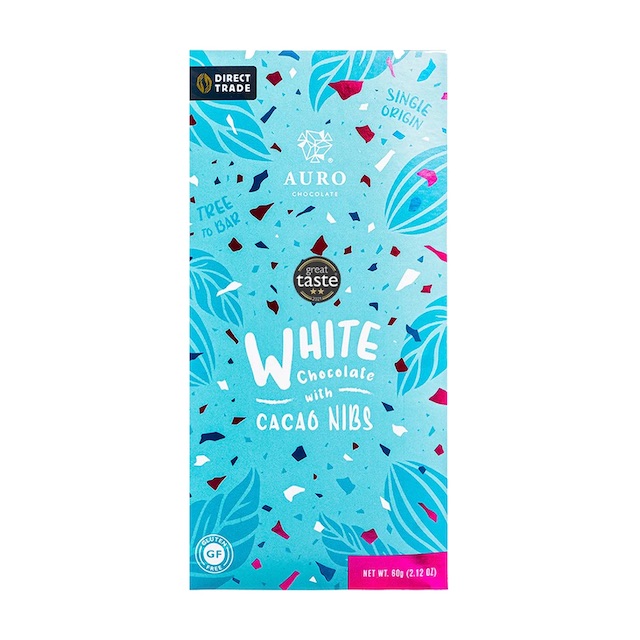
Like it creamier (no shame in that, FYI)? Lerio Chocolate proves milk chocolate, done right, can be just as complex in their 35% Sugar-Free Milk Chocolate Bar (P185/63 grams); Theo & Philo's 44% Milk Chocolate Bar (P165/45 grams) is not to be missed, either. For white chocolate—and trust us, good white chocolate exists—Auro Chocolate's 32% White Chocolate Bar (P150/60 grams) is one that'll satisfy with its cacao butter-dominant taste and velvety mouthfeel; they also make a version studded with cacao nibs (P155/60 grams).
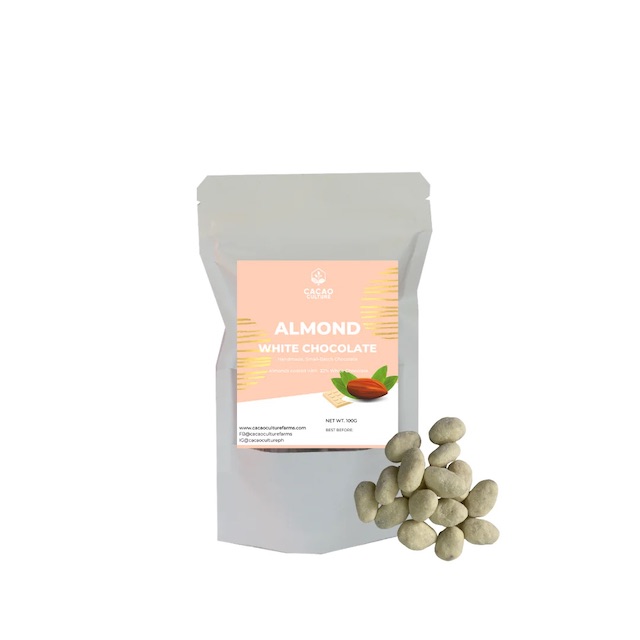
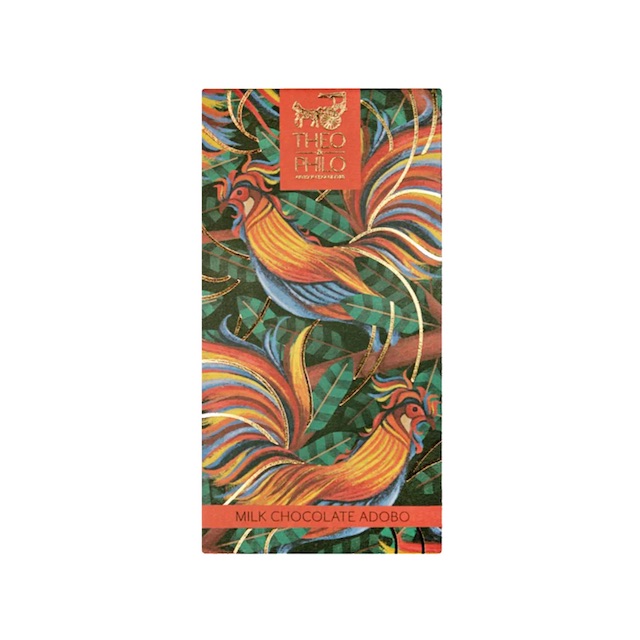
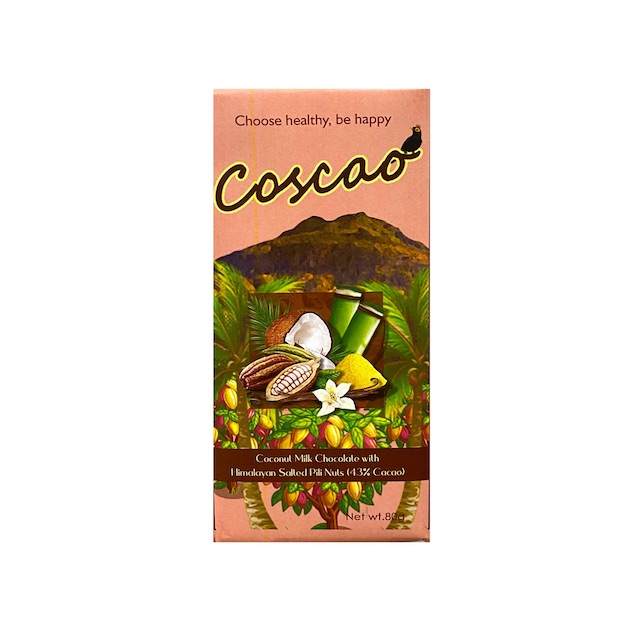
Cacao Culture also has more whimsical treats on offer that'll please folks of all ages: Cacao Culture themselves make chocolate-covered almonds (P275/100 grams) and Rocket Cone Tips (P175) both in Dark, Milk, and White variants. And if you're one to walk on the wild side, don't miss the more one-of-a-kind treats available from the shop—including Theo and Philo's famous Milk Chocolate Adobo bar (P165/45 grams), Nutrarich's 65% Dark Chocolate Durian Crunch (P250/80 grams), and Coscao Chocolate's 43% Coconut Milk Chocolate with Himalayan Salted Pili Nuts Bar (P220/80 grams).
Orders can easily be placed through Cacao Culture's website. They're based in Davao, but ships most products to Metro Manila and beyond.
The Story of Cacao Culture
Owners and partners Kenneth L. Reyes-Lao and Shiela Reyes-Lao are both from Manila and moved to Davao in 2016, following their marriage and desire to "move away from the traffic, the business, and the stress of living and working in Manila," Kenneth shares in an exchange with SPOT.ph. As they were looking into business opportunities in the area, they realized cacao to be among the city's "primary investments"—and sought to learn how to work with the fruit through training with the Department of Trade and Industry, Department of Agriculture, and private sectors, as well as the Internet.
Cacao Culture was officially established in September of that year, as a social enterprise that would "provide long term and stable income, financial literacy and knowledge in sustainable agriculture for our cacao farmers and the communities we are directly invovlved with." From focusing solely on the agricultural side of things ("seedling nursery, cacao farm establishment, et cetera"), they soon dove into actually crafting their own products.
From exclusively selling their own products, they soon shifted to carrying other chocolate brands as well as the pandemic struck in 2020 and the two witnessed the struggles their fellow businesses faced. "Malls and stores were closed, logistics were terrible and costly. It was just hard," Kenneth laments. "We have already developed business and personal relationships with different cacao growers and local chocolate makers during our time in the industry and we know that everyone was struggling so we decided to an experiment and offered other brands on our online sales channels," he explains. "Our relationship with them has been mutually benefitial where we continue to market and sell their products to this day. In the future, if our capital and operations could allow we would want to carry more PH chocolate brands on our store."
Cacao Culture will soon be opening two physical outlets in Davao—one that's both a chocolate shop and café in Juna Subdivision, Matina Crossing; and another store that also showcases Mindanaoan art at Poblacion Market Central.
"We strongly feel that as Cacao Culture, we have a responsibility to 'raise the bar' for Philippine chocolates as we try to introduce different chocolate applications and products," says Kenneth.
For orders and inquiries, visit Cacao Culture's website. You can also check out their Facebook page.
Hey, Spotters! Check us out on Viber to join our Community and subscribe to our Chatbot.