
This Heritage-House Turned Restaurant Serves Filipino Fare From North to South
Their Piyanggang Manok is to die for.
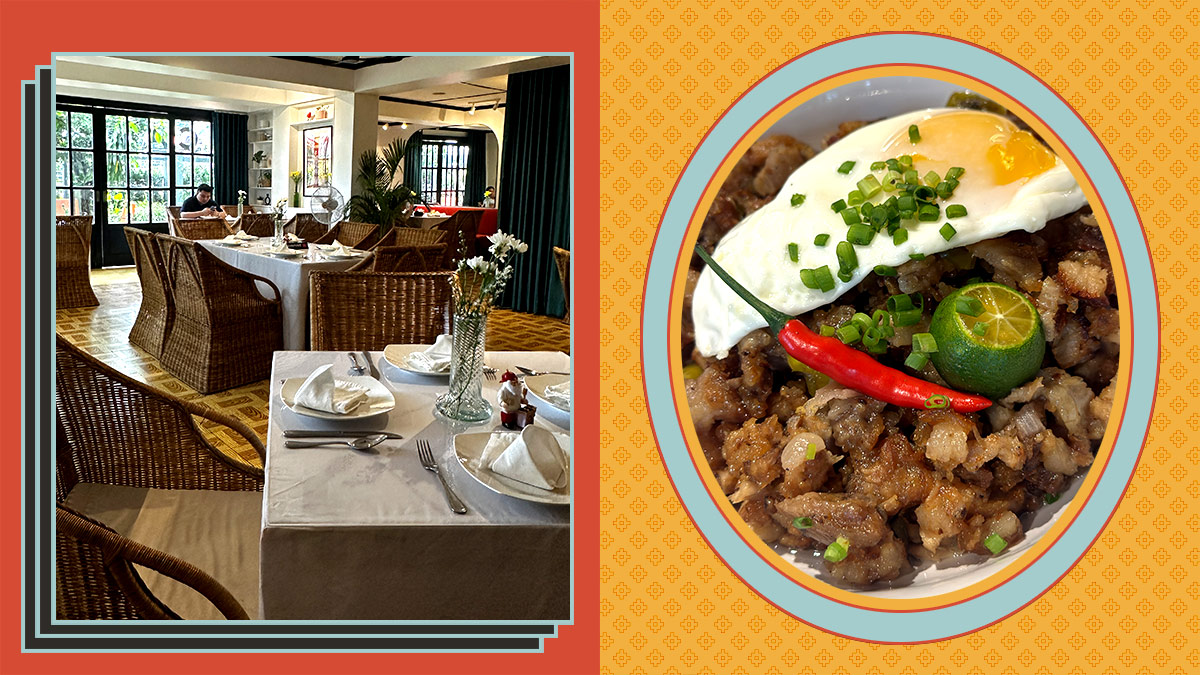
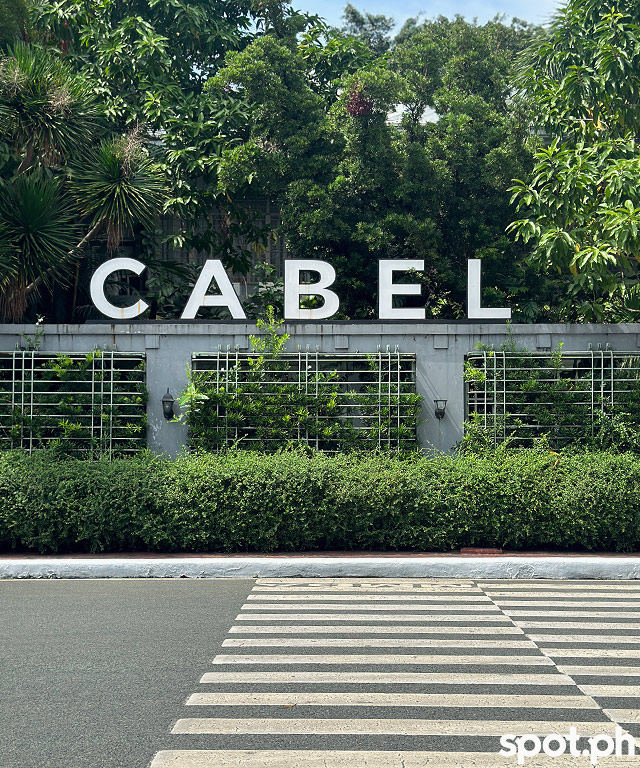
Cabel Restaurant
1153 JP Laurel corner Aguado Street, San Miguel, Manila
Contact: 8550-17-81
Facebook: www.facebook.com/bycabel.ph/
Open 8 a.m. to 8 p.m. (Mondays and Fridays), 10 a.m. to 9 p.m. (Sundays, Tuesdays to Thursdays, and Saturdays)
(SPOT.ph) When we think of heading out for a food trip with a history lesson in Manila, we immediately gravitate towards restaurants in Binondo and Intramuros. But would you think of heading to Malacañang? Unbeknownst to many, right outside the gates of the country's seat of power lies a heritage house turned restaurant that serves classic Filipino recipes passed down from grandmother to grandsons. More than being housed in a fancy address, Cabel Restaurant weaves the tale of its owner's family and their interests and shines the light on Filipino cuisine and culture outside the usual suspects.
Also read:
Try Traditional Tausug Kakanin + Pastries at This QC Dining Spot
10 Ancestral Houses-Turned-Restaurants Near Manila
The SPOT.ph Guide to Filipino Food
Check out Cabel Restaurant in Manila:
Cabel Restaurant stands inside a late '30s to '40s-era heritage house outside the Malacañang, owned by a prominent media family in the Philippines. But beyond showcasing original Manchuca tiles on the floors and countless, priceless pieces of art displayed all around the property, Cabel Restaurant is an ode to a family patriarch and a love story between a man from Luzon and a woman from Mindanao. It is a family origin story told through the kitchen.
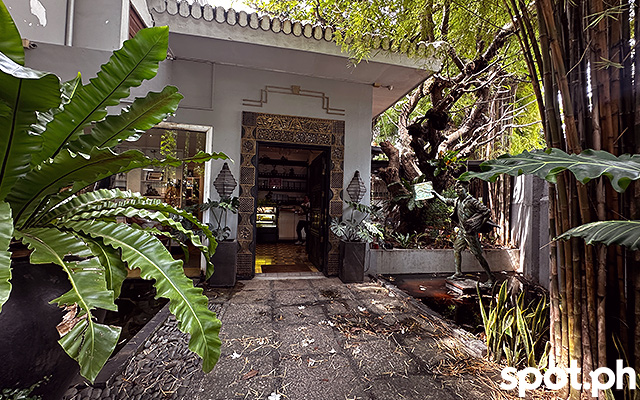
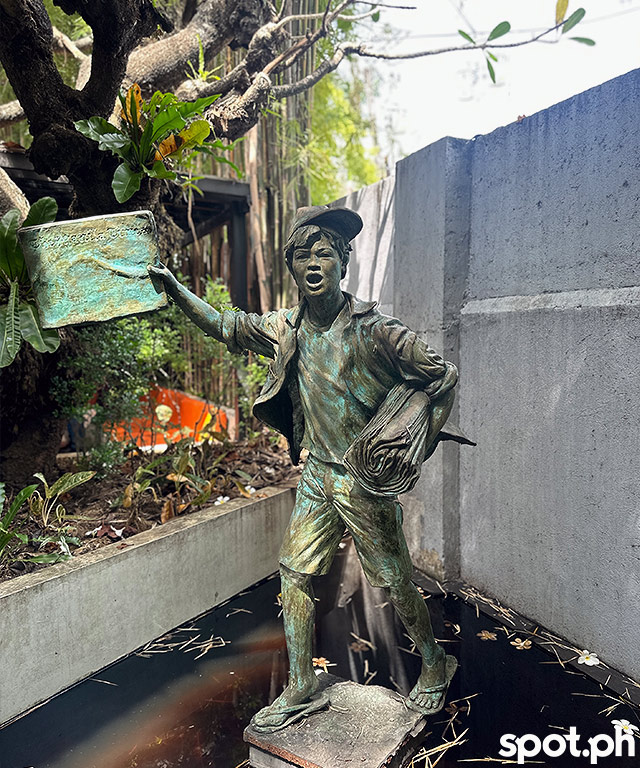
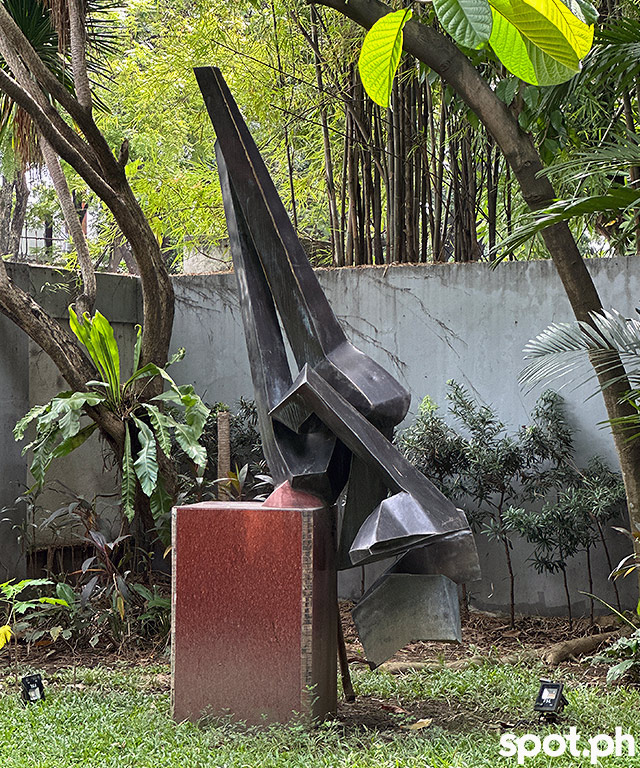
Cabel Restaurant is owned by the Cabel-Moreno family, a prominent family of local politicians and doctors in Southern Mindanao. Quiet but growing in power, this family is not new to the food space. This is actually their fourth restaurant, which includes the likes of the Southern Mindanaoan restaurant Palm Grill in Quezon City, run by Chef Miguel Cabel-Moreno.
Cabel Restaurant is currently under the capable hands of Chef Miguel's brother, King Cabel-Moreno, a former corporate worker who jumped headfirst into the restaurant business upon being persuaded by his mother, Melissa, who also owned restaurants in Mindanao. According to King, Cabel Restaurant started when their mom fell in love with the heritage house. Upon learning that the former owner's lease on the property was ending, Melissa put her restaurateur hat on and got the gears turning for Cabel.
But that's not the entire story yet. To learn about what makes Cabel unique, we travel back to the 1950s when the Cabel-Moreno family patriarch first met their grandmother during an assignment in Sulu. Much like how a lot of inter-island family origin stories begin, Cabel's tale started when the family patriarch, who hails from Ilocos, was tasked with setting up the Sulu General Hospital and thus assigned to a faraway land. Through this endeavor, he met their grandmother, a teacher-turned-politician from Sulu—and thus a family was born. More importantly, for the purposes of this article, this marked the beginning of Cabel Restaurant.
Inspired by their North-to-South origin story and the diverse selection of food they had growing up, Cabel Restaurant came to fruition.
What will you find at Cabel Restaurant:
Today, when you visit Cabel Restaurant near Malacañang, you'll find a restaurant serving the very best in Filipino food and culture. The interiors have been mostly left untouched with just a few paint changes here and there. As a heritage house, the Cabel-Moreno family was instructed not to change anything about the house's structure. Everything from the windows, the layout, the hardwood floors, and the chandeliers are from a time long gone—but you wouldn't notice it. Where Cabel was told not to touch, they simply maintained, and where they could, oh they really upped the ante.
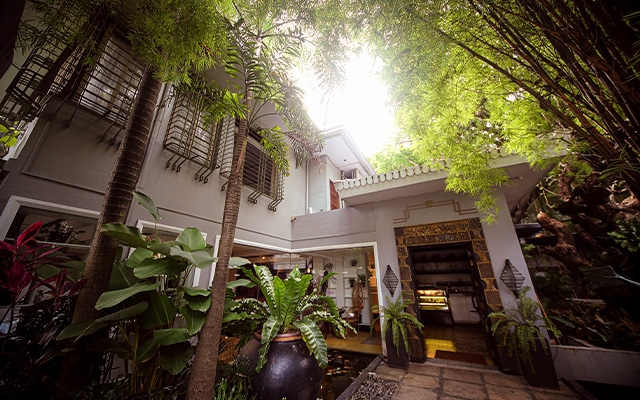
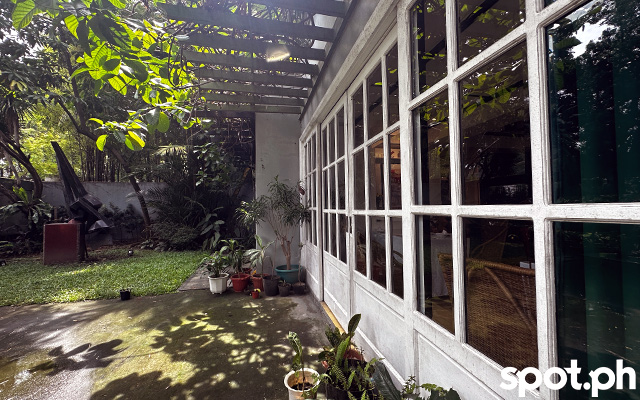
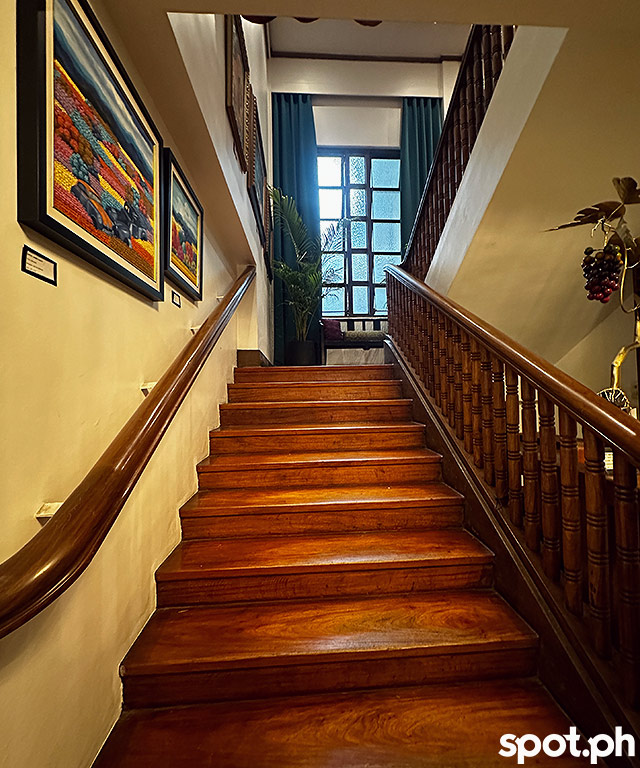
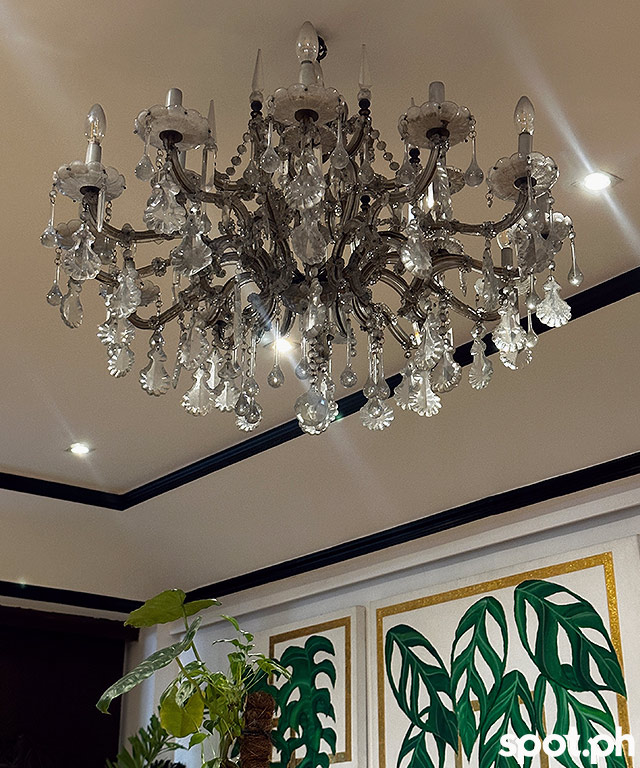
The furniture in the two-story house is all bespoke and commissioned from small business owners and local artists in Pampanga. Wall accents are made by up-and-coming Filipino painters. According to King, they wanted to involve as much of the local community as possible, so where they could help it, everything inside Cabel Restaurant is locally sourced or refurbished.
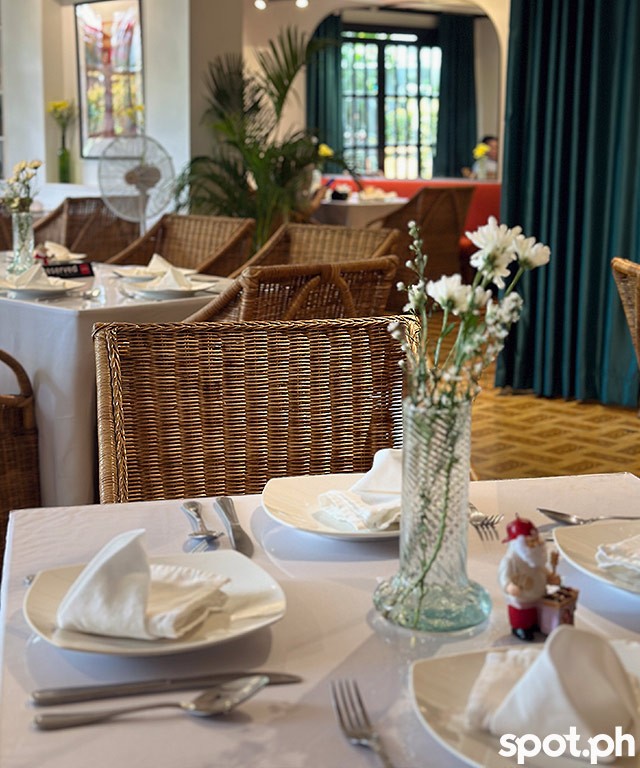
Cabel Restaurant consists of several areas. There's the main dining hall, where on most days you will find Malacañang employees, government workers, anyone and everyone sharing a meal. There's also Café Clara, a small coffee and dessert nook serving Filipino sweets and drinks named after their niece.
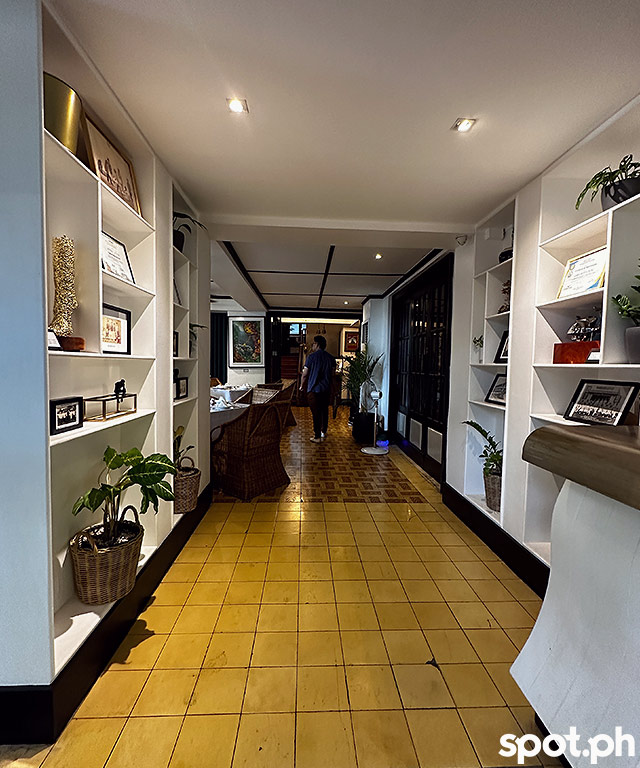
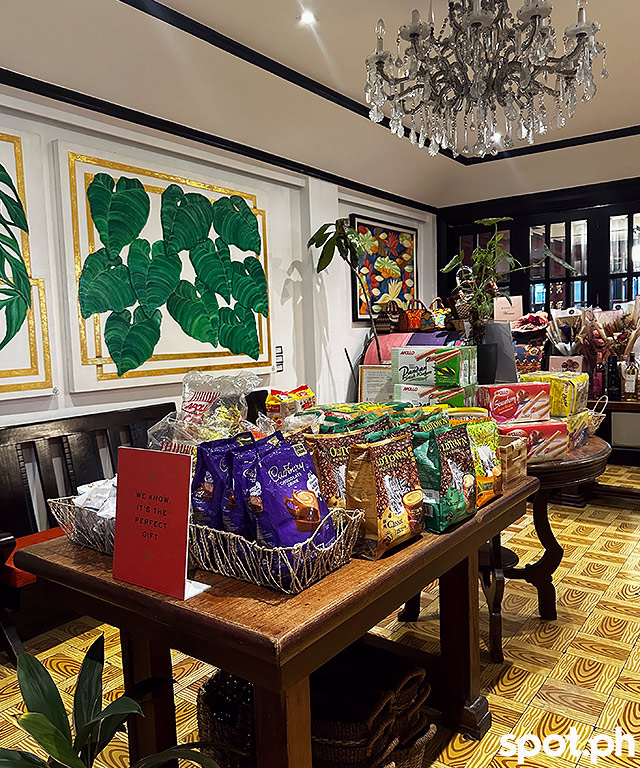
Go deeper inside the building and you'll find King's Speakeasy, a small bar that opens after five serving tipples and brews for the weary government workers. Then comes Miguel's Barter where you can buy local pasalubong like malong from Basilan, batik wallets from Zamboanga, and dried mangoes from Cebu.
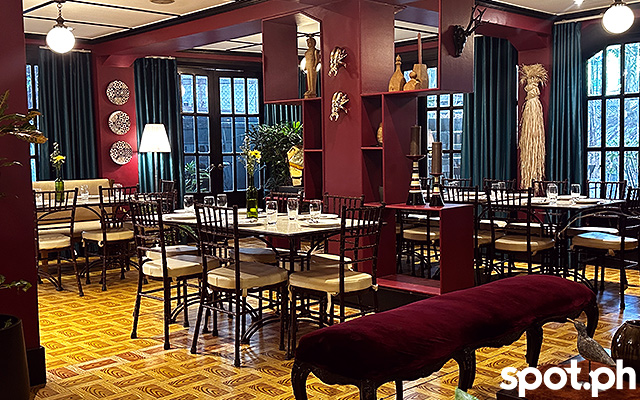
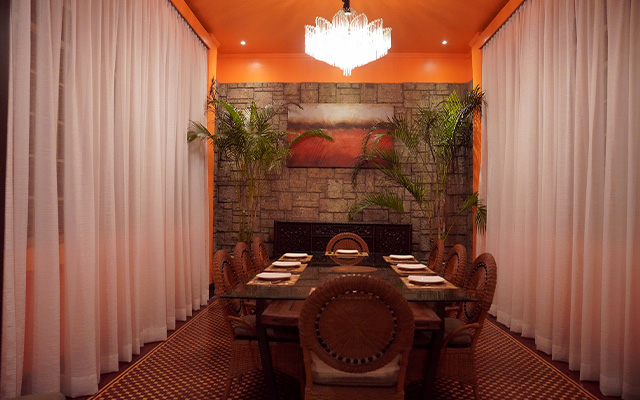
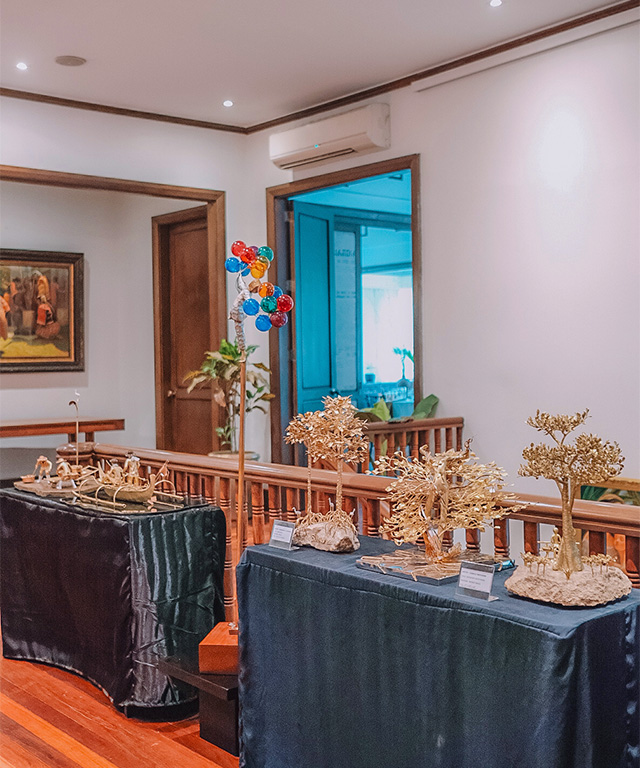
Upstairs are the private function rooms often the witnesses to government dealings and meetings. Alongside them is Isabel's Gallery, a free space Cabel offers for artists to show off their work.
Clearly, family is at the core of Cabel Restaurant. It's all about heritage and paying tribute to our past and giving it a place in the present.
What to order at Cabel Restaurant:
Even when it comes to food, heritage and family take center stage. At Cabel Restaurant, food from all over the Philippines—from Luzon to Visayas and onto Mindanao—takes the spotlight.
"Oftentimes when restaurants say that they serve Filipino food, they only really serve food from one region. But here at Cabel, we serve food from Luzon, Visayas, and Mindanao. We believe it is time to bring the food of Mindanao, specifically, Southern Mindanao to the spotlight because it is equally good." According to King, the food served at Cabel are dishes they grew up with, prepared the way their grandmother does. No fancy fusion cuisine here—just good ol' fashioned traditional cooking aided with modern tools.
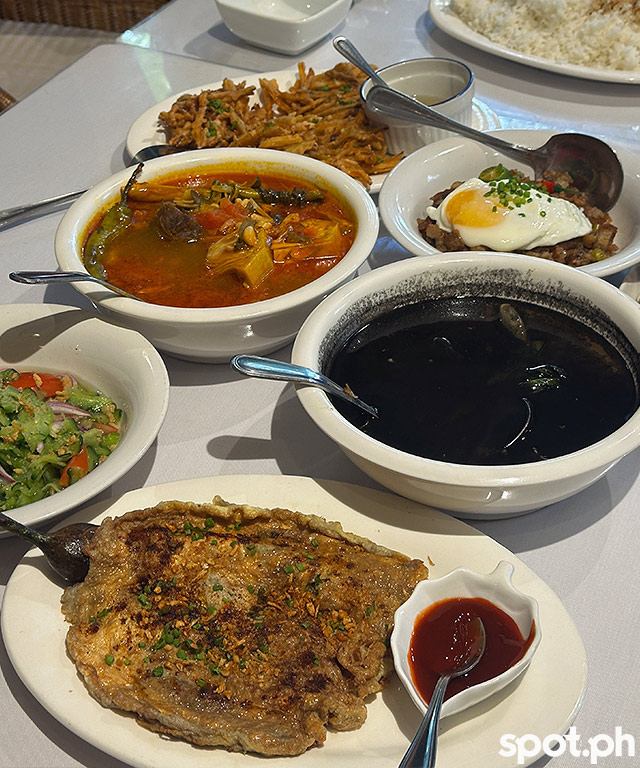
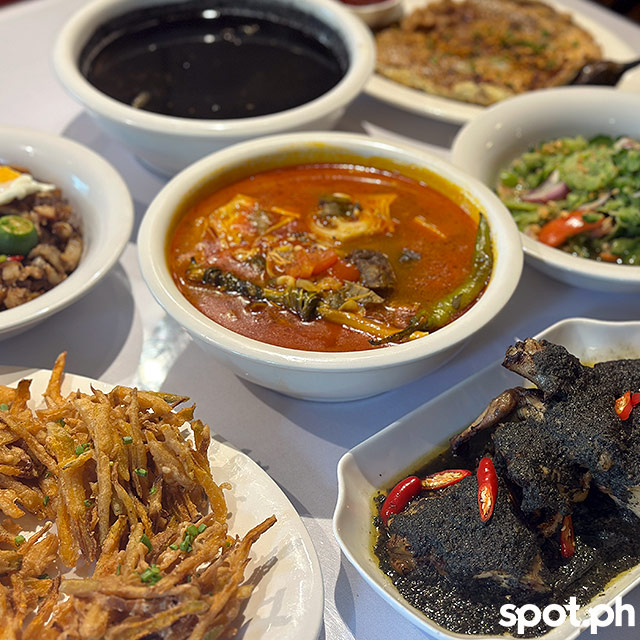
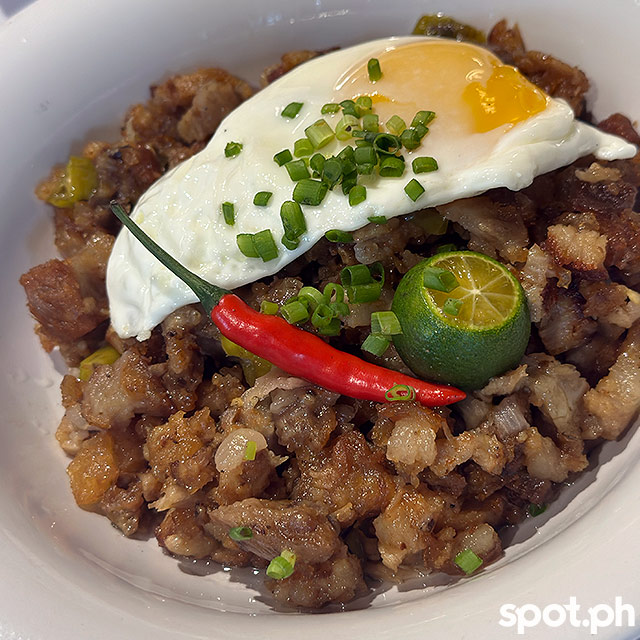
When you head over to Cabel, we recommend trying food from each island group. Try the Pinakbet (P500) and Sisig (P480) from Luzon, the Kansi (P800)and Chicken Inasal (P400) from Visayas, and don't you dare forget about the Mindanaoan cuisine.
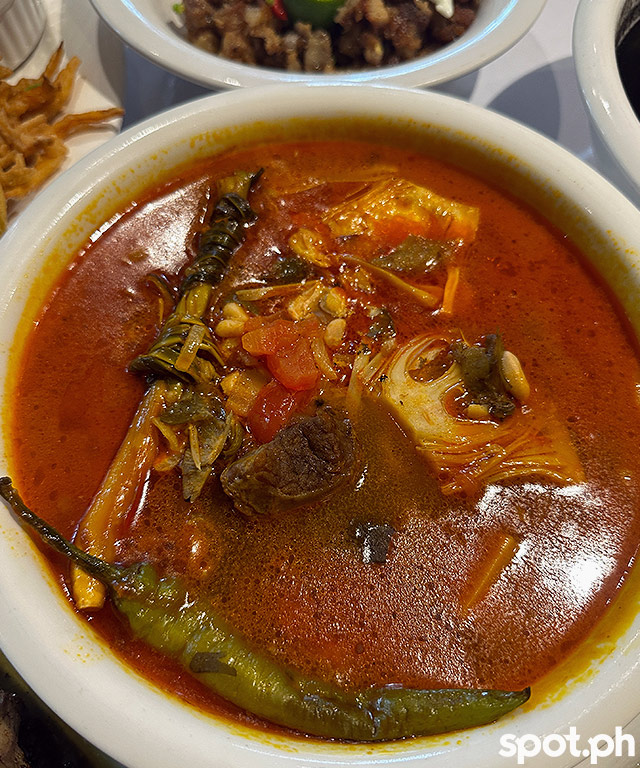
As much as it may sound foreign to you, we say try them. Must-orders from their Mindanao lineup include the Piyanggang Manok (P450), which is a braised chicken in turmeric, ground burnt coconut, ginger, and chili; and the Tiyula Itum (P450), a black stew resembling dinuguan but more along the flavor profile of tinolang baka. Think of it as a warm beef stew your mom would cook to welcome you home.
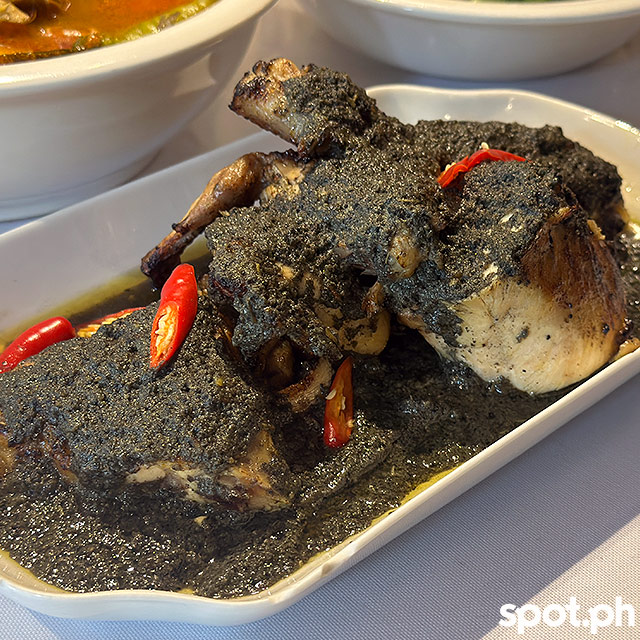
To properly describe the flavors of Mindanaoan cuisine, I'd have to liken it to its nearest neighbors. Despite the similar tastes and aromatics used in Bicolano food, there is a delicate balance in flavors from Mindanaoan cuisine that more closely resembles its Malay and Indonesian counterparts. It is their use of aromatics like lemongrass and ginger coupled with their distinctive treatment of coconut wherein they burn or char the meat, that gives the food its fragrant and earthy balance.
"Southern Mindanaoan cuisine is our bread and butter. The dishes were made from the recipes used by our grandmother using ingredients as authentic as possible. Give it a try. It deserves the spotlight," says King. And try we did. We were not disappointed. If anything, it made us excited for an adventure down South for a closer look and taste of the cuisine.
Just like how in every reunion, you find a random relative you've never met, Filipino food in Cabel surprises. You may think you know Filipino fare, but a trip to this restaurant just proves, there's still a lot left to discover.
Check out this video of our visit to Cabel Restaurant:
Hey, Spotters! Check us out on Viber to join our Community and subscribe to our Chatbot.