
A-Hole Diners, Bad Coffee in #Aesthetic Cafés + More Stuff We Don't Want To See in 2024
We'd eradicate these things and phenomena in food, if we had a magic wand.
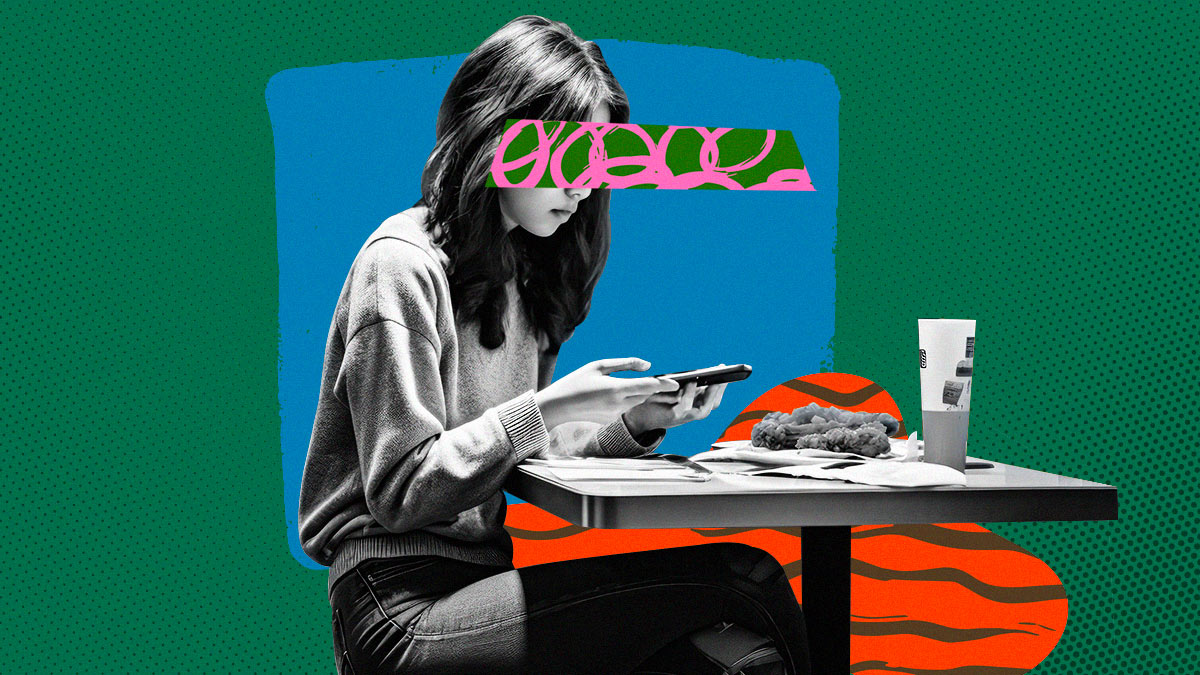
(SPOT.ph) There’s a lot of things we love about the food world—like the tantalizing flavors chefs and their food offer, and seeing a parade of dishes bring together even the most radically diverse assembly of people. But there are also a couple of things it could totally do without. Ergo, this list of food and food-adjacent phenomena we’d eradicate if we had a magic wand. Some are internal annoyances we love to hate on just for fun, while others speak of bigger issues in the dining world and in our lives as a whole.
Also read:
A Comprehensive List of Quarantine Food Trends, Ranked by How Much We Never Want to See Them Again
We can really do away with these food things:
#Aesthetic Cafés With Subpar Coffee (or Food)
In many ways, cafés are second homes—which is why the kind of environment they provide makes a big difference on guests' experiences. Some cafés, however, focus too much on Instagrammability and too little on their actual their food and drink. Quite often these spots would even sell their food at higher-than-average price points that don't match the quality of what you get. Two hundred peso frappes with nondairy creamer and little to no coffee, anyone? How about P300 for a dry chocolate cake that's clearly been sitting in the fridge for a week? (Side note, cafés with great visuals and good coffee do exist.)
“Elevated Filipino Food”
Now we’re not talking about the remixed or modern takes on Filipino eats that this “elevated” term refers to. Filipino food deserves all the love, and it’s fun and eye-opening to see chefs play around with traditional dishes. Perhaps they’d change an ingredient or two, or incorporate techniques that are more current.
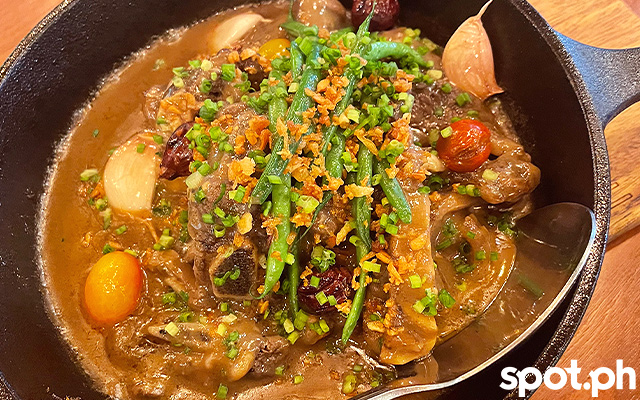
But our eyes squint at the “elevated” bit. To elevate means to lift something up to a higher position, to raise in rank or status, or to improve “morally, intellectually, or culturally” as per Merriam-Webster, implying the lower status of the pre-elevation point—traditional Filipino food in this case. Just think about that for a second. That shouldn’t be the case at all; our local cuisine is as diverse and complex as it is delicious, wherever on the timeline we’re talking.
Entitled Customers
Nope, the customer ain’t always right. Most restaurants will likely have experienced some case of customer entitlement for themselves—from customers making personal insults toward servers, to reactions that are disproportionate to the thing or action being complained about, to unreasonable requests that completely alter the defining characteristic of a certain dish (say—hold the spices, sauce on the side in your order of curry).
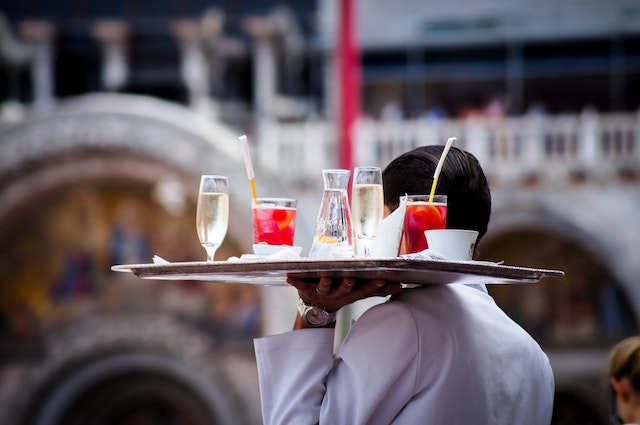
No doubt you have rights as a paying customer that you should assert as necessary. But the manner of assertion matters too—you’re still dealing with fellow human beings here worthy of respect. Don’t forget that the restaurant and its people, like its customers, have boundaries: it’s fine to (respectfully) ask if they take requests for special seating arrangements or if they can switch your beef for pork, but they’re not obligated to fulfill it either. You can always order something else… or go to another restaurant.
That Lamp

Yeah, we’re talking about those I-beam shaped, gold-plated lamps present at all (heh, at least most) of the hip new bars in Poblacion or BGC. Even popular Instagram account Poblaposting has taken note. Now it didn’t kill anyone, it’s not offensive, and it’s not the worst choice. It’s just predictable at this point—and about as novel as seeing a fuckboy driving a Honda Civic or a fashion blogger with a poodle. Maybe it’s time we bring back the candle?
Hating on Veganism, Just Because
Derogatory attitudes toward vegans (also called vegaphobia) aren’t hard to spot—popular culture and social media are riddled with seemingly harmless jokes and ridicule about vegans, and there are even cases of full-on discrimination. Gordon Ramsey (who, to be clear, we love) once said—perhaps jokingly, but still—that he’d “electrocute” his kids if they were to ever tell him they went vegetarian.
We get it: a lot of these are reactions to the stereotypical hostile, self-righteous vegans around who think they’re superior, and/or look down on anyone who eats differently. But guess what: not all vegans are like that. Every movement has its share of extremists, but this doesn’t necessarily reflect the attitudes of the rest of their respective community.
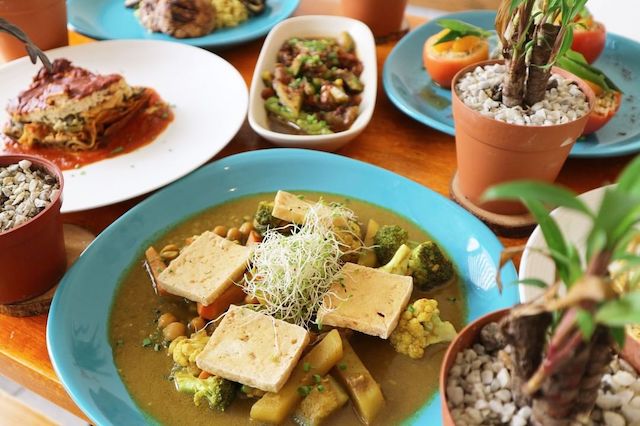
Veganism appeals to many for different reasons—from the added fiber and physical health benefits of antioxidants, to it being better for the environment, to it upholding animal rights. And sure, it might not be everyone’s cup of tea—but it’s also no reason to go out of your way to make fun of, offend, or harm a group of people just for what they eat. News flash: being mean to a group of people just for kicks doesn’t make you ~eDgY~. It makes you a jerk.
It’s also pretty uncritical—not to mention dated—to just assume meat automatically tastes superior. Sure, it was funny in 2010—but it’s 2023, and we’ve seen vegan options of many traditionally meaty dishes (burgers, burritos, even Filipino food!) that have won over the hearts of vegans and non-vegans alike. Limiting as the idea of not relying on meat might sound, it also forces chefs to be creative—and there really are so many plants worth exploring, as well as eye-opening, clever ways to use them: Think: fried “chicken” that use naturally fibrous enoki mushrooms, or all the different “meaty” dishes you can make with pulled jackfruit.
Murals
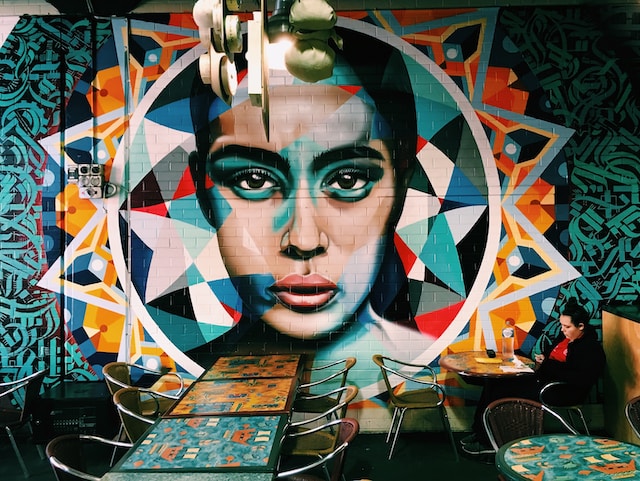
It’s become everyone’s go-to for sprucing up a new cafe’s interiors that it’s crossed the border to cliché and just plain unimaginative. You might not have a budget for a decorator but the internet, movies, your own life are always wellsprings of inspiration and ideas. And sometimes a bare wall is lovely as it is.
Reservation Ghosting
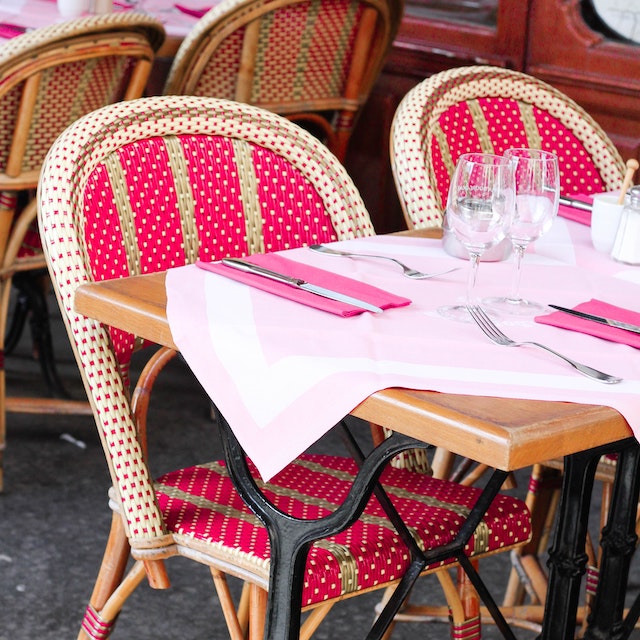
Making reservations is fairly easy in most places—just call, text, or send an email in advance. But given this convenience, it’s easy to take the reservation for granted and not show up—or even bother to alert the restaurant you’d be bailing. This has got to stop. To make a reservation at restaurants is largely to make a commitment, in that you’re asking to have a seat saved in your place with the premise that you’d be dining and paying. Failure to show up means the restaurant wasted the said slot, instead of giving the seat and opportunity to dine to someone who would fulfill their promise. Some restaurants have even taken to requiring a downpayment to ensure diners would show up. Either way, the best course of action is to push through with your reservation. Or if you can’t make it, at least be professional (y'know, like an adult) and give the establishment a heads up.
Complaining on Social Media… Without Telling the Restaurant First
So you got a supposedly medium-rare P4,000 steak delivered to you well-done, had a waiter snap at you for no reason, or found an eyelash strand in your sandwich (yick). Bad experiences suck, especially when you’re paying, and it’s natural to want to get a sense of justice and validation following maltreatment. You’ve got every right to air your grievances out to your private circle—but jumping to posting in public for the world to know is another story. A bad review can ruin the reputation of and drive potential customers away from the restaurant, to the point of them losing business… or worse, closing down completely.
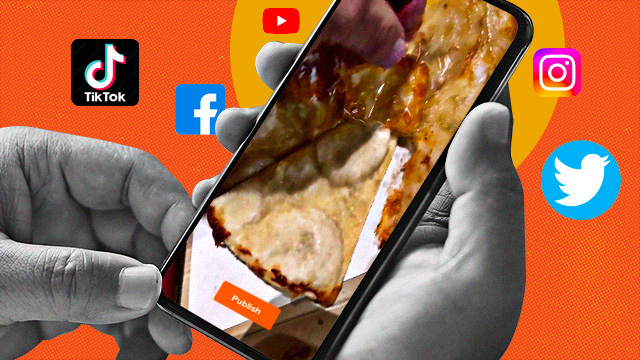
Better yet, talk to someone from the restaurant first about your issue—ideally while you’re still there so they can address it, or through call, email, or social media as soon as possible if you’d already left. Chances are, they’ll find a way to fix it or to compensate for their mistake(s). It’s also worth being mindful if a place is new—and (understandably) still finding their groove. And if you must post negative feedback on social media, at the very least do your research and keep things objective—you wouldn’t hate on Japanese cheesecake for being light unlike New York Cheesecake, for example.
Taking Pictures of Solo Diners
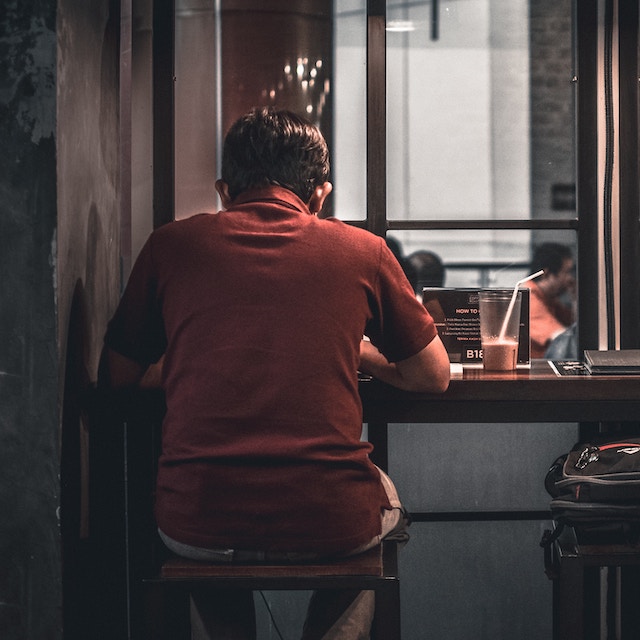
In a society as communal as ours, it’s understandable that folks gasp at the nerve—nay, the courage—of some to dare devour solo. Some social-media users even shoot or record solo diners in their element and post the image or video online as if they were some caged zoo animal to be pitied. Maybe dining alone is just that: dining alone. It shouldn’t be a big deal. Sometimes you’ve just gotta get away from it all and have a meal (or regularly have meals) in the company of one.
Calling Something “Guilt-Free”
Repeat after us: Guilt! Is not! An ingredient!!! The term “guilt-free” might be common in the world of health food marketing, but that’s all it is: marketing buzzwords. At best, calling something "guilt-free" is meaningless; food has no inherent moral value, which is to say no food is objectively guilt-full nor guilt-free. At worst, it’s indicative of the larger issues of diet culture and healthism. Of course, feeling better is something we all aspire for—but the attitude that eating healthy makes you “good” and eating unhealthy makes you “bad” is, in itself, unhealthy, potentially leading to disordered relationships with food, eating, and the body.
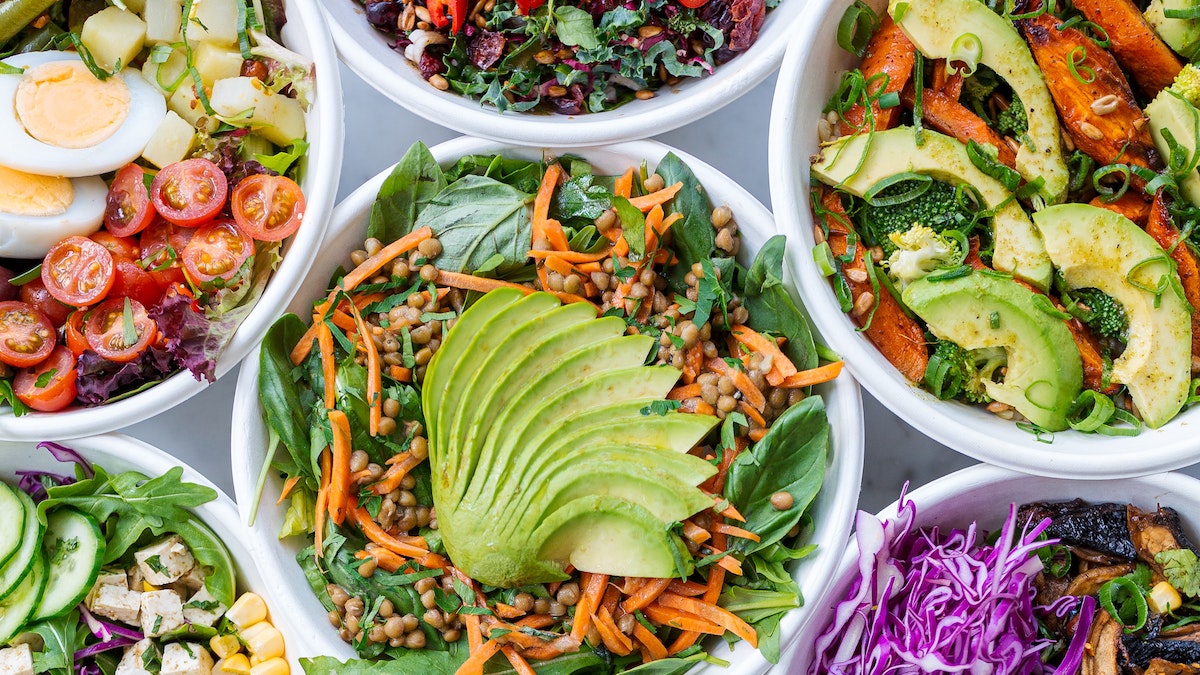
It’s one thing to point out that certain foods are higher in the nutrients scale; it’s another to use a term like “guilt-free,” which itself is loaded with value judgment. Even less nutritious foods can be consumed in balanced quantities in a healthy diet—guilt need not join the conversation.
Hey, Spotters! Check us out on Viber to join our Community and subscribe to our Chatbot.
this strange new world.