

ICYDK: Filipino Bartenders Paved the Way for America's Tiki Bars
A recent PBS feature highlights their contributions.

(SPOT.ph) Ray Buhion's father wanted him to be a priest, but the Bohol native dreamed of becoming a doctor—neither guessed that he would become owner of the Tiki Ti in Los Angeles. At the tender age of 21, Buhion immigrated to California and entered Los Angeles City College; given the Great Depression, he had to work as an elevator operator and bellhop, respectively, at the Hotel Figueroa and Beverly Hills Hotel.
Still, it seems life had a different plan for Ray, who changed his name to Ray Buhen to better assimilate. With the revocation of the early alcohol prohibition in America, bars started opening left and right. One of those bars was Don The Beachcomber's, which opened in the early '30s and was considered the first tiki bar and a focal point of tiki culture in the U.S. Behind their signature "Rhum Rhapsodies" drinks were four Filipino bartenders called the Four Boys—of this group, only Buhen was ever identified.
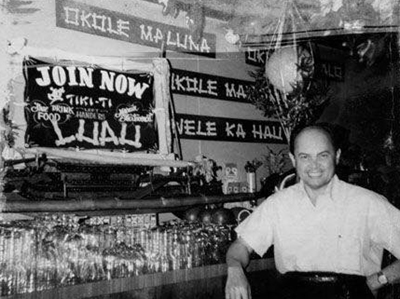
These Filipino bartenders played crucial roles in the very birth and promulgation of tiki bar culture in the U.S. If not for their hard work and dedication, it wouldn't be what it is today.
Also read:
White Rabbit Candy Wasn't Originally Named White Rabbit
The Fascinating History of How Eggs Became Associated With Easter
Here's the history of tiki bars in the U.S. and the roles of Filipino bartenders in it:
How, you might wonder, did Filipinos even get involved in a culture some 8,000 miles away from their home country? See, numerous Filipinos migrated to the U.S. in the early 1920s, and many settled in Southern California, which soon had the highest concentration of Filipinos in the U.S. It was home to almost 20% of Filipinos in the States in 1933; California remains a top Filipino-populated area to this day.
It was at that same time tiki bars came about. These themed drinking spots depicted a pop version of Pacific Islander culture (arguably cultural appropriation at play) but were really a creation of white Americans—chief among them businessman Ernest Gantt, or as he was popularly known, Donn Beach. Gantt opened the aforementioned Don the Beachcomber in 1934, and hired numerous Filipinos as bar and serving staff (it was "overwhelmingly Filipino, Punch Drink notes).
After all, Gantt—who was born in New Orleans and traveled plenty in the years that followed—worked blue-collar jobs alongside Filipinos when he first arrived in Los Angeles. Perhaps given our hospitable nature, these Filipinos embraced him with welcome arms. He sought to hire Filipinos "when I get my own place" for "[putting] him up" in those times, explains author and historian of tiki culture Jeff Berry in Punch Drink. It probably "helped," if you can call it that, that the Filipino kayumanggi skin and other features matched that of the "exotic" look Don the Beachcomber was going for.
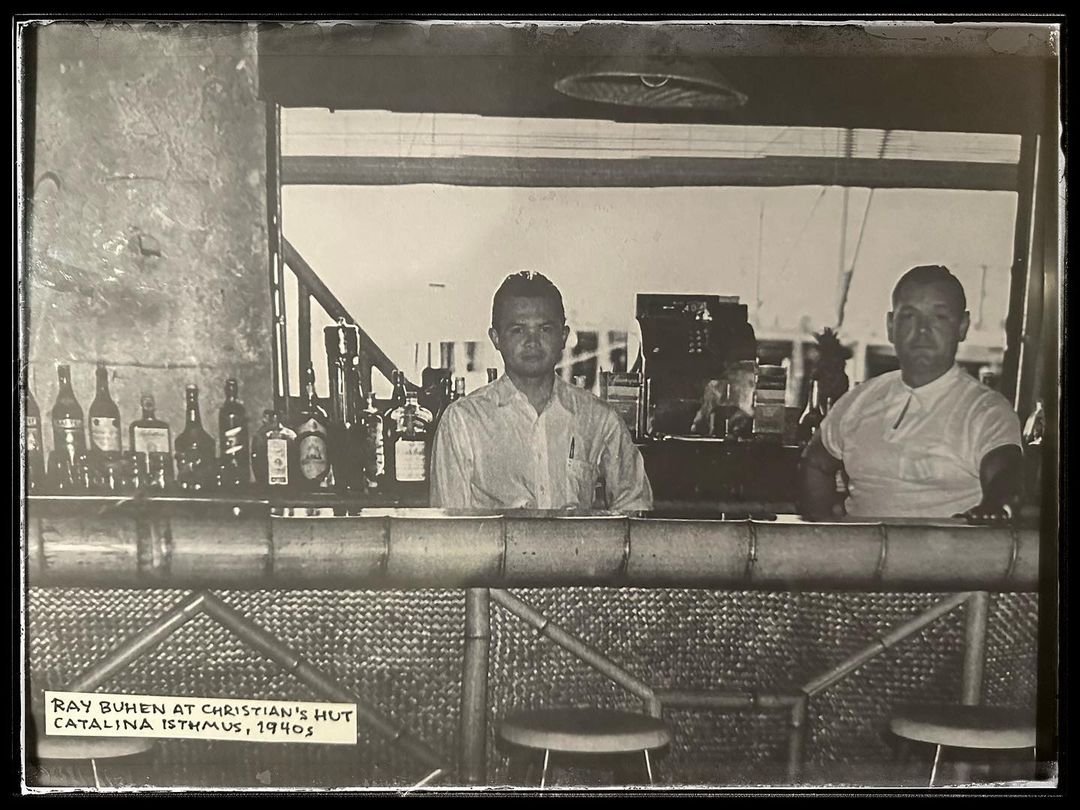
Whereas most bars would have their bartenders right behind the bar for people to watch in action, the Four Boys would do their thing in a secluded back room, says Punch Drink. This was intentional: Gantt opted to guard, as much as possible, the making of their drinks—which were famously complex, calling for 10 or more ingredients at a time at ultra-precise ratios. That the drink preparation was hidden from plain sight also added to their mysterious allure, as it gave the impression the drinks were birthed out nowhere, like magic. But this also had one particularly unfortunate consequence: the identities of all but one of the Four Boys have since been lost.
Of them, as earlier mentioned, only Ray is known today. He continued working for other tiki bars (among them Seven Seas, Sugie’s Tropics, and The Luau, where he was the first Filipino to man the front bar) in the years that followed. Ray opened Tiki Ti in 1961, where they'd serve drinks with Filipino references in their names ("Anting Anting" and "The Lapu Lapu," to name a few).
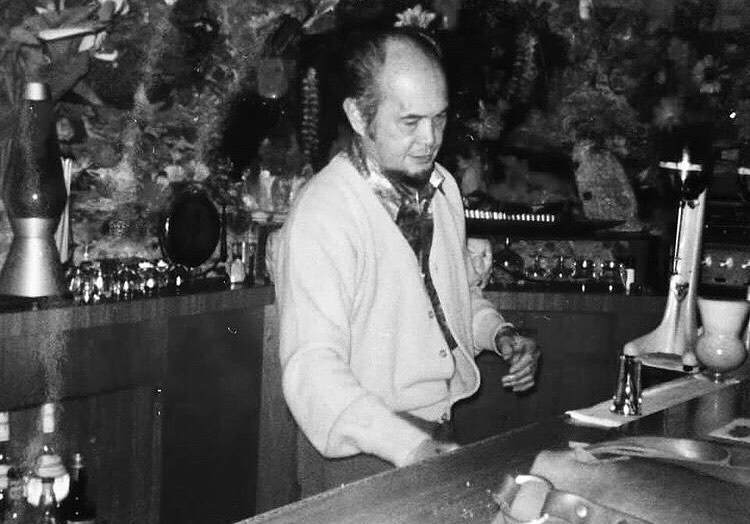
The Don Beachcomber also became home to other Filipino bartenders who became legends in their own fields—Conrad Laserna, Hank Riddle, Tony Ramos, and Mariano Licudine. A fellow Filipino colleague of Buhen was Nash Aranas, who worked at Beachcomber initially as "bar boy" before being promoted to front of the house. Other big Filipino names at other tiki bars include Bobby Batugo of Tip’s in Valencia, California, and J. "Popo" Galsini who created the tiki-favorite Saturn cocktail.
But, Punch Drink notes, there, too, are numerous other great Filipino players in the tiki scene, who sadly aren't known by name. It's a shame, especially considering Berry's observation: “From the 1950s on, if there was any new tropical drink invented here, it was invented by a Filipino."
Discrimination of the Past, and Recognizing Filipinos in the Tiki Movement
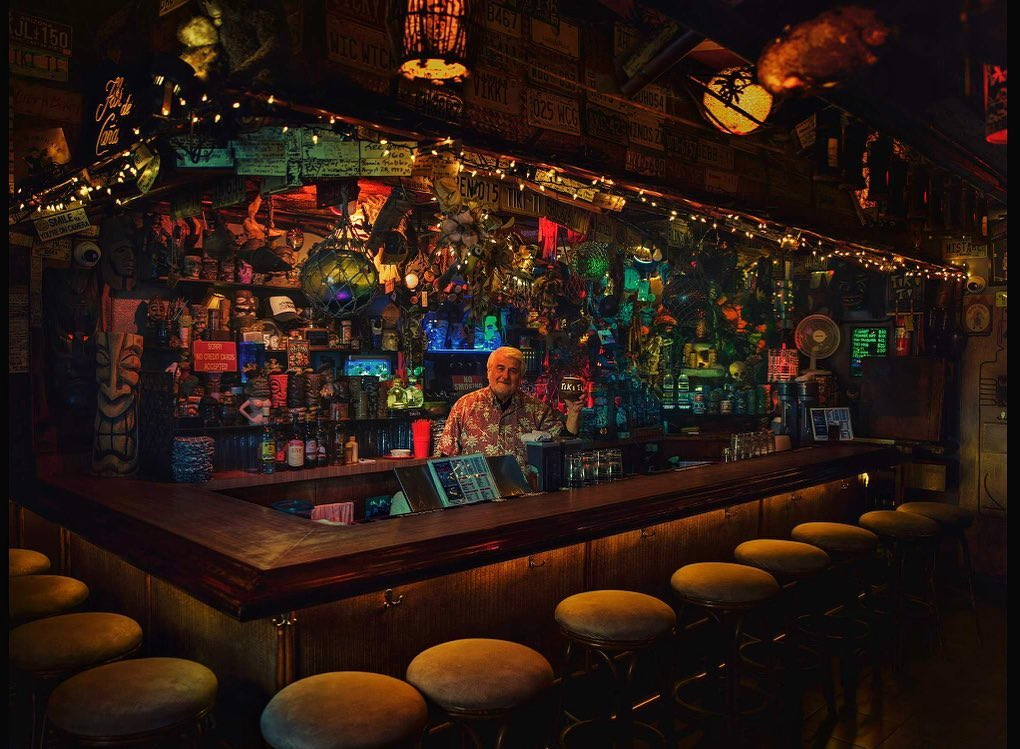
Today, Tiki Ti is owned by Ray's part- Czech-German, part-Filipino son Mike Buhen Sr., along with his sons Mike Jr. and Mark. Mike Sr. and Mike Jr. recently guested on the Tiki Bars episode of PBS' Lost LA. and lamented how Ray surprisingly never taught him Filipino.
"I used to get angry [about not being taught his motherland's language]... but then I understood why," says Mike Sr. "Back in the '30s, it was very prejudiced. If you were speaking another language, people would say... 'Get out of here. Go back to your own country.'" His mom would also tell him stories about being rejected with Ray at restaurants for being a mixed couple.
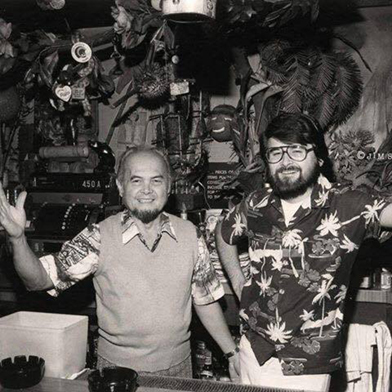
Outside Tiki Ti, it's still not common for American tiki bars to reference the influence Filipinos had on them—for which reason Ray's family continues to champion their heritage to this day. Drinks on their current menu include the Bayanihan (togetherness in Filipino). And as he explains in the PBS documentary, Mike Jr. continues to tell visitors about the contributions of Filipinos to tiki culture. "It's an important part of the tiki story," Mike says. "Filipinos don't get enough recognition when it comes to the world of tiki."
Hey, Spotters! Check us out on Viber to join our Community and subscribe to our Chatbot.