
Mark Your Calendars for Gulay Pa More, a QC Event Spotlighting Local Fruit + Veggies
See the diversity of our local landscape at the event while noshing on plant-based eats.
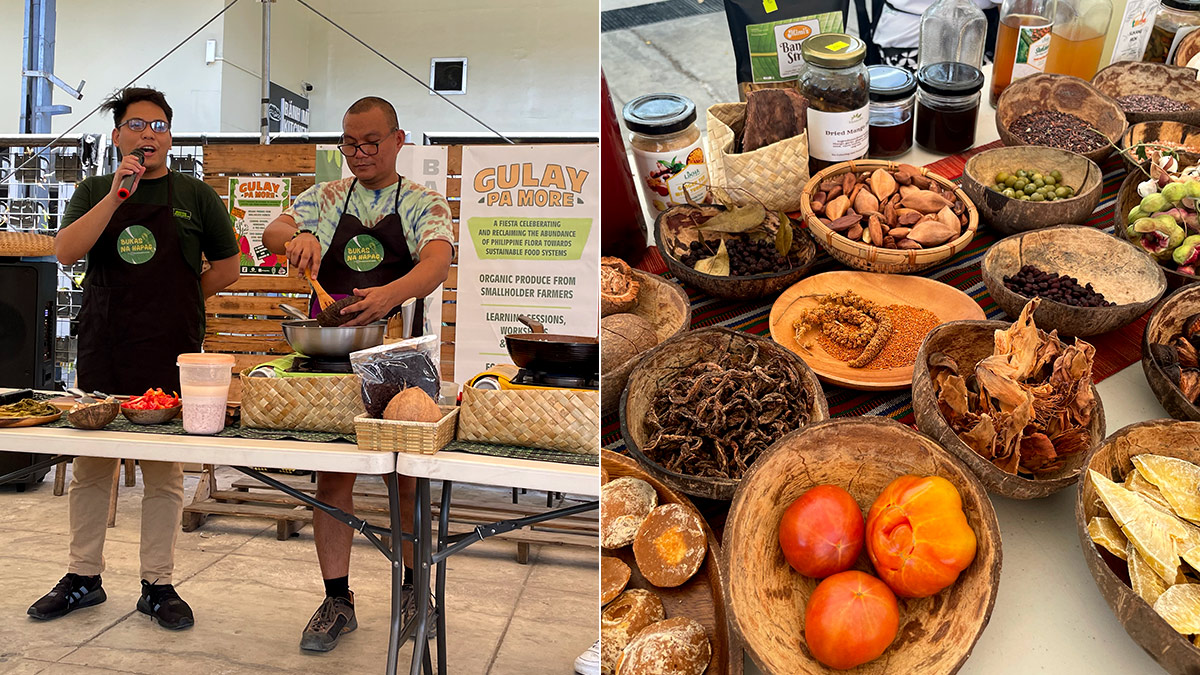
(SPOT.ph) Think you know your local veg? There's a whole lot more to the subject than those itemized in the Bahay Kubo song (none of which are even native to the Philippines, fun fact!). But it's time you got acquainted with other varieties of Filipino produce like tabon-tabon, tatalongan, and kayumanis—what they are, where they're from, how to use them, and the issues surrounding their availability (or lack thereof). We say mark your calendars, Spotters: coming up on Saturday, May 25 is Gulay Pa More!, an open event celebrating the abundance of Philippine flora and Philippine food heritage.
Also read:
The Best Local Brands With Swoon-Worthy Bean-to-Bar Chocolate
Gulay Pa More! in UP Diliman this May 2024
Held by Filipino food advocate group Gulay Na! along with Good Food Community, Agroecology X, Lokalpedia, MASIPAG, and the PRESENT Coalition, Gulay Pa More calls itself the "first-ever fiesta" highlighting Philippine local and indigenous crops. Save the date: this takes place at the CSSP parking lot in UP Diliman, from 10 a.m. to 7 p.m. on Saturday, May 25.
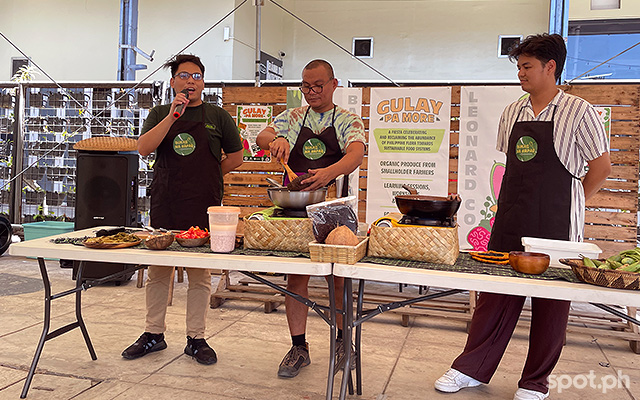
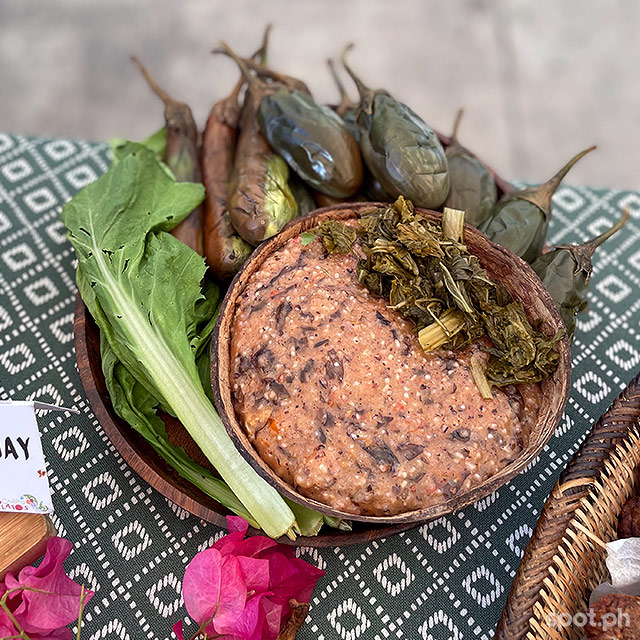
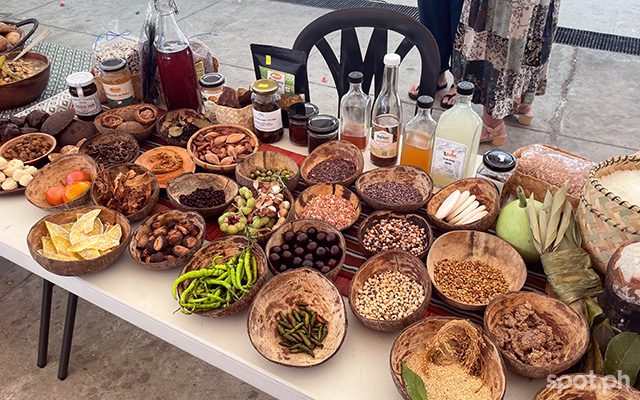
You can expect to see and get to know local, native, and endemic Philippine flora consumed as food, and learn how they're used in cooking—and better understand the importance in keeping their heritage alive (more on that below). Also available at the event are eats and sips by chefs, purveyors, and other local enterprises using these local produce, as well as vegan, fair-trade products you can stock up your pantry with.
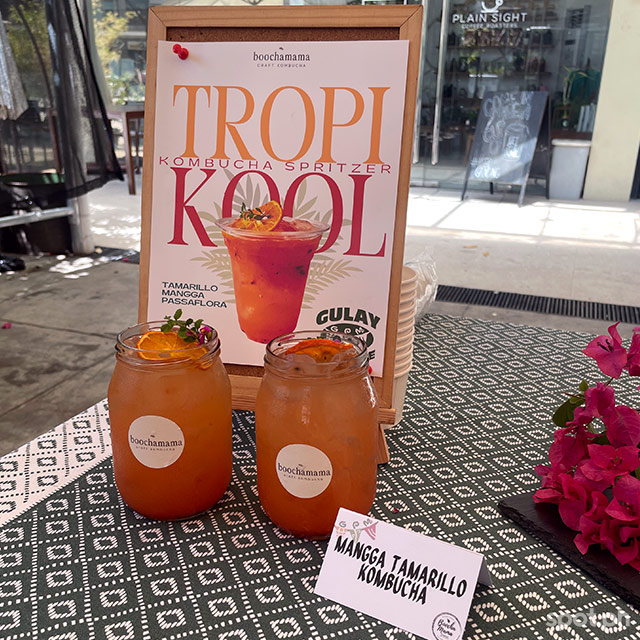
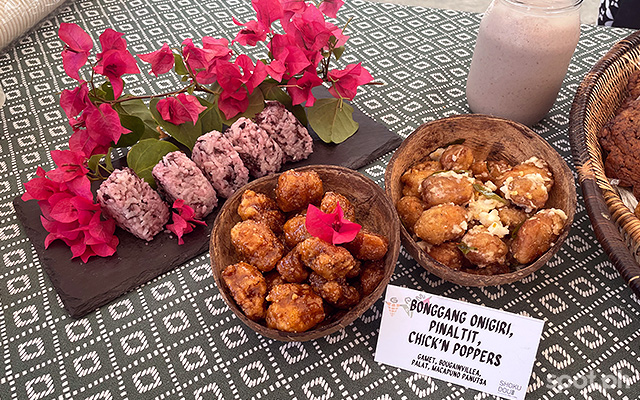
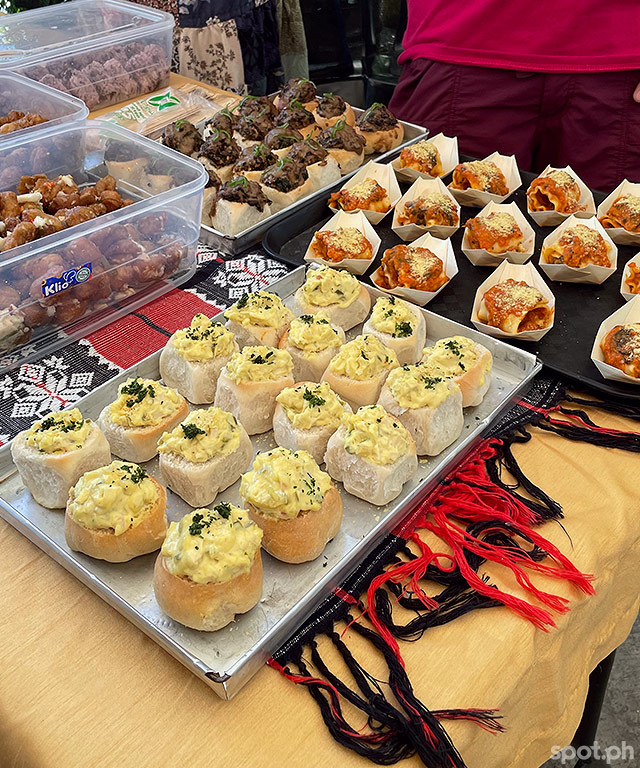
Gulay Pa More is also as much an avenue to fill up as it is one to learn more about bigger social and economic issues surrounding food and agriculture—and with that, you'll be able to listen to talks and participate in learning sessions, a native tree walk, community cooking sessions, and more.
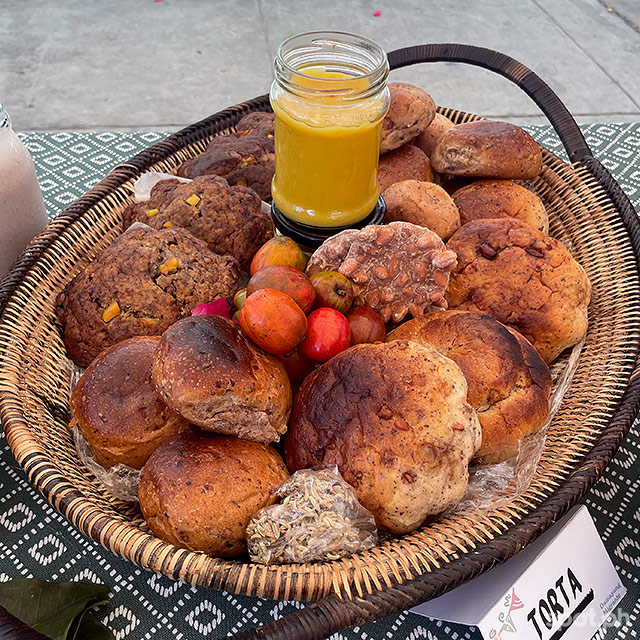
These local crops, Gulay Na!'s Laorence Castillo explains, are "key to our food security and climate resilience." See, indigenous crops are easily cultivated, requiring low water and no chemicals—making them more resistant to sudden weather pattern changes, and thus better suited to the local environment. This is especially timely given the recent climate shifts leading to droughts, stronger typhoons, and unprecedented heatwaves that could otherwise lead to food shortages. These crops thus help maintain food security for the local communities from where they're from, keeping the locals from going hungry.
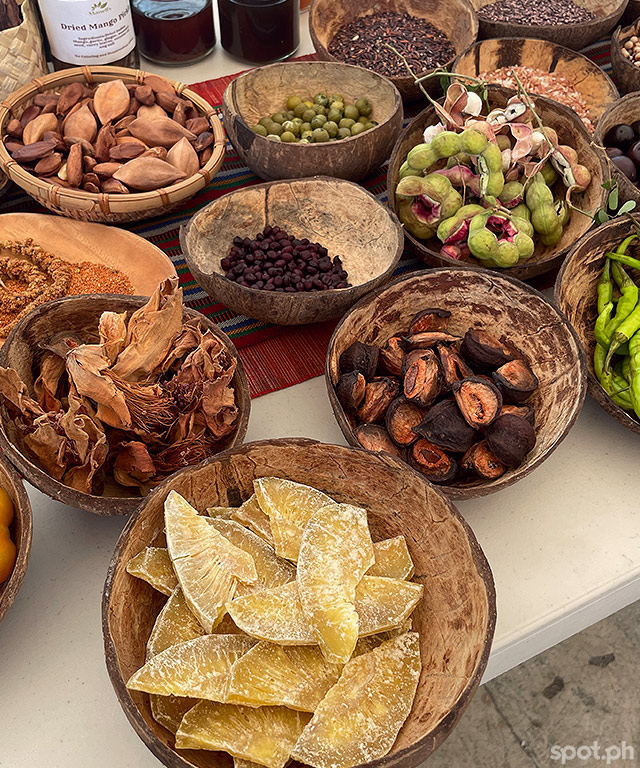
There's the cultural side to it too, of course, as Lokalpedia's John Sherwin Felix emphasizes how these foods are "intricately woven into a community’s identity, history, and environment." "They are often produced sustainably, celebrating cultural diversity, and honoring local ingredients and traditions. In contrast, mass-produced items prioritize uniformity and standardization, often controlled by a few large corporations, which marginalize small-scale farmers, fishermen, and artisans." In prioritizing our heritage foods, he tells us, you also "champion our environment, support our people, and preserve our culture for future generations."
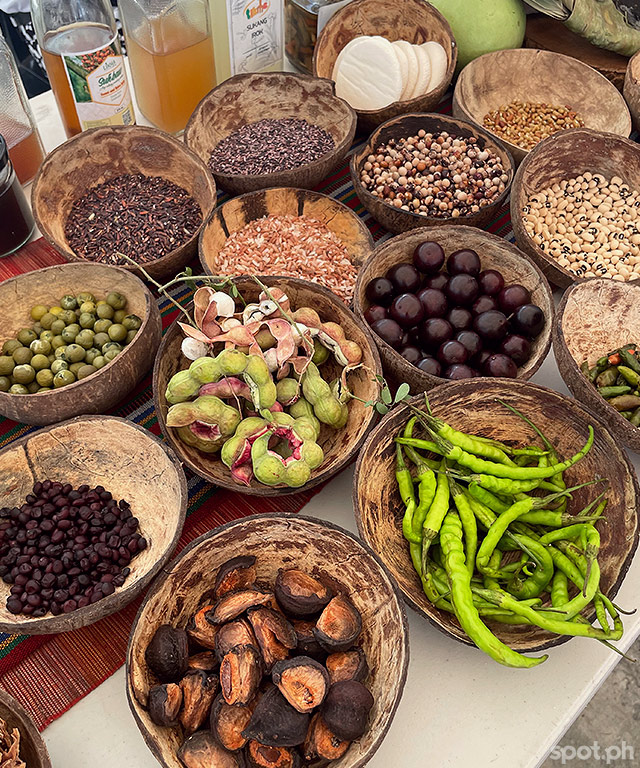
Don't forget that going plant-based can also help reduce your carbon footprint to help fight climate change—a task we could all join forces in helping alleviate. It sure doesn't hurt either that plants happen to be insanely good for you, delivering fiber, antioxidants, and other good stuff to keep your systems going strong.
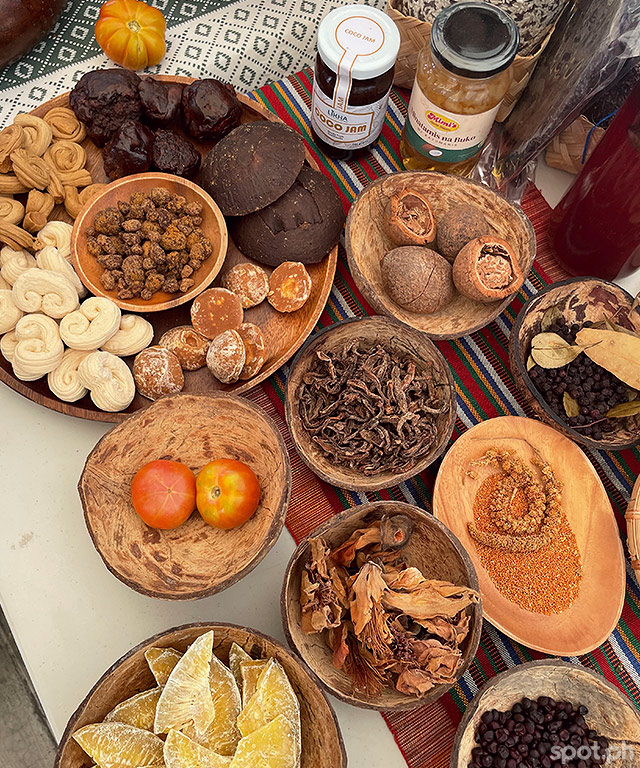
"Gulay Pa More is our way of inviting people to celebrate and protect them by making sure they remain in our diets," says Castillo. "...[And] as a fiesta, Gulay Pa More! wants to create a joyful atmosphere as we learn about food sufficiency, biodiversity preservation, healthy living, veganism, and collective care."
Gulay Pa More will be at the CSSP Parking Lot, University of the Philippines Diliman, Quezon City. For more information, check out Gulay Pa More's Instagram page.
Note: Photos were taken from the media launch held at the Good Food Sundays food market in Mandaluyong. These are used for illustrative purposes only.
Also read:
The Year’s Most Memorable Dishes, According to Manila’s Top Chefs and Gourmands
Hey, Spotters! Check us out on Viber to join our Community and subscribe to our Chatbot.
this strange new world.