
At the Gallery by Chele x Haoma Collab, Sustainability United Filipino + Neo-Indian Flavors
The two restaurants show us how going the sustainable route can make for sublime-tasting results.
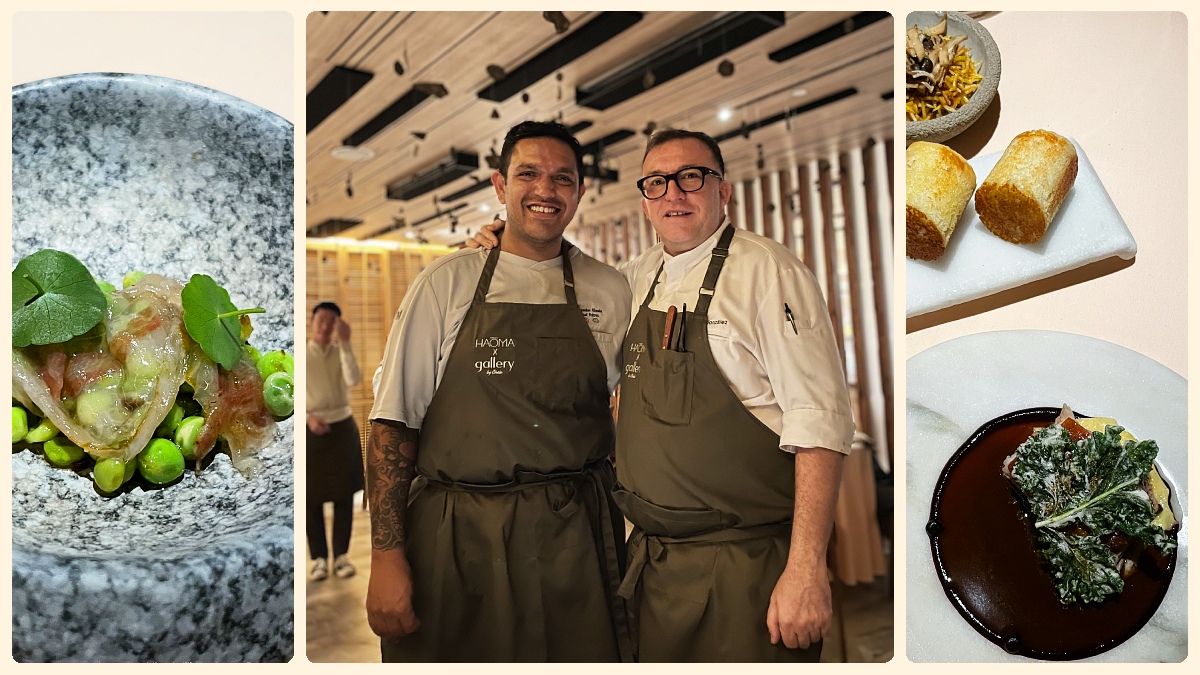
(SPOT.ph) Using ingredients that are local, seasonal, and/or sourced ethically goes a long way in keeping the planet alive. So we’re all for the restaurants that put those principles—sustainability, it’s often collectively referred to—at the forefront of their respective philosophies. Of those restaurants in Asia are BGC’s Gallery by Chele and Bangkok’s Haoma, and for two nights, the two joined hands with a collaboration dinner demonstrating how sustainable practices can make for sublime-tasting results.
Also read:
The Night the World’s Best Chefs Cooked for Chele Gonzalez
Gallery by Chele's New Tasting Menu Teaches Us There's More to Cacao Than Chocolate
What went down at the Gallery by Chele x Haoma collaboration
The two restaurants prioritize sustainability in their own ways, chief among them by using local and seasonal ingredients—some from their very own backyards.
Haoma, located in Watthana, Bangkok, is Thailand’s first urban farm restaurant. It’s here that Chef Deepanker Khosla (a.k.a. Chef DK) at once pays homage to his Indian roots while putting into use his knowledge of aquaponics, serving tasting menus of neo-Indian plates that produce grown from their garden and other sustainably sourced ingredients from local farmers and fisherfolk—with zero waste. Accolades for Haoma are rightfully aplenty: they’re the only restaurant in Bangkok to have received a Michelin Green Star; and they were bestowed the Sustainable Restaurant Award at Asia’s 50 Best Restaurants 2024, where they also landed the 90th spot.
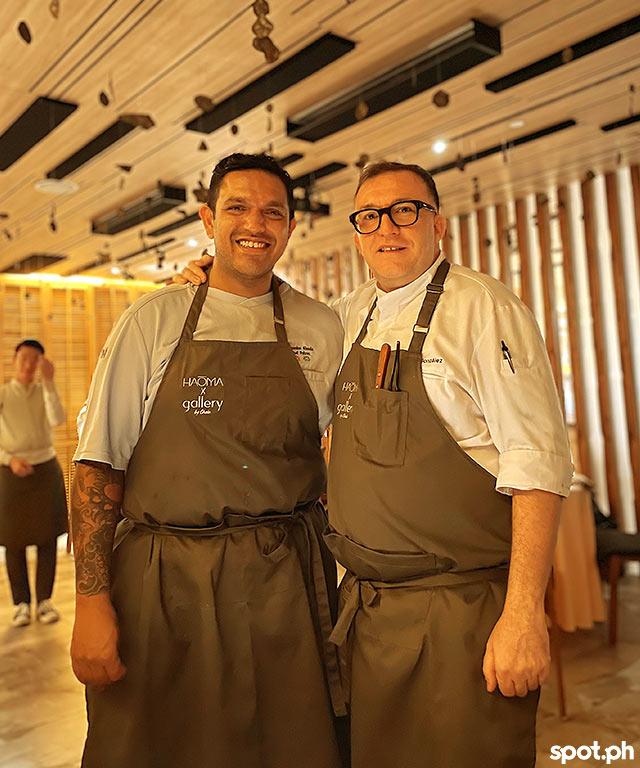
Over in BGC, Gallery by Chele spotlights endemic Filipino ingredients and cooking procedures, and brings in infuences from other parts of the world in the mix—Spanish, in particular, given Chef Chele Gonzalez’s roots. Over the course of their lifespan, we’ve seen them come up tasting menus that only seem to have gotten more memorable over the years, highlighting local cooking methods and rare, endemic ingredients the team led by Gonzalez and Chef Carlo Villaflor have encountered in their travels. Most recently, the team conducted extensive research about cacao in Davao, the fruits of which (no pun intended) can be witnessed in their highly successful cacao menu.
Similar to Haoma, Gallery by Chele has their own urban garden (in the balcony, in Gallery by Chele’s case) where they grow a number of plants used in their dishes. The team then plays with these ingredients at Stvdio Lab, a creative space and test kitchen where they R&D innovations like their Cal solution-soaked cherry tomatoes that creates a protective layer of skin outside the fruit, thus allowing them to be filled with a sinigang broth without it spilling out.
“We have a similar appreciation for good ingredients, local products, and fine cooking, which is what I hope to bring to Gallery,” Khosla explains. The two had collaborated in Bangkok last year, which gave Chef DK a direct grasp of how Gonzalez works in the kitchen. “After cooking with him last time, I now understand his style and we were able to merge our cuisines into a tasting menu which was incredibly well-received by our diners in Bangkok.”
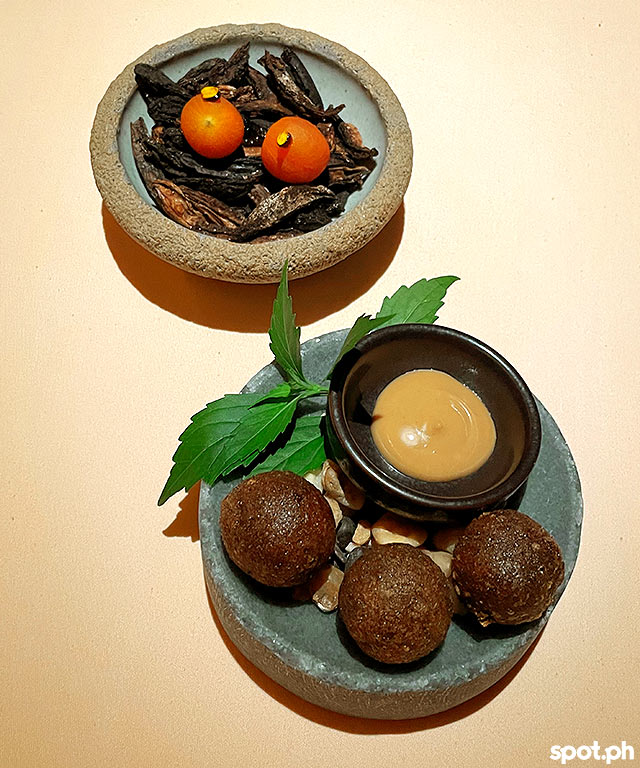
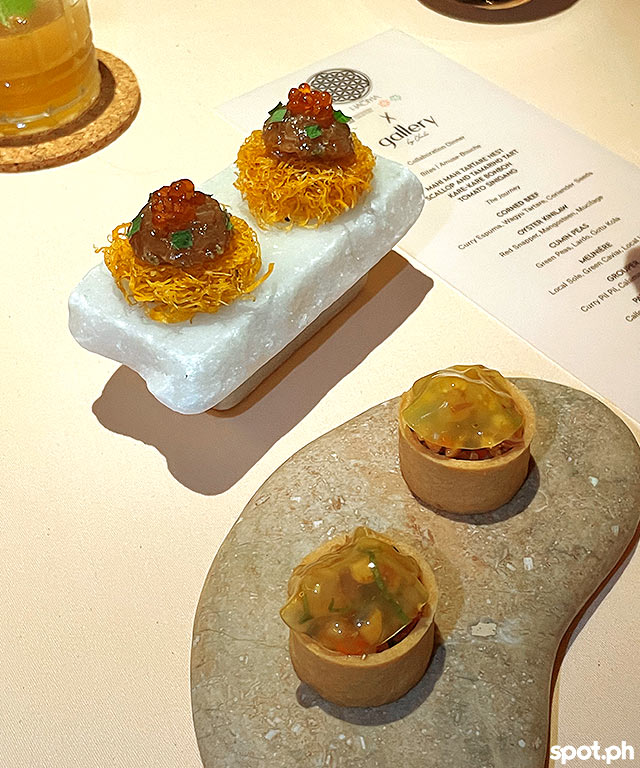
Small but impactful bites with Filipino and Indian flavors begin the meal. From Chele’s end came the Mahi Mahi Tartare over a sweet potato nest; the aforementioned Tomato Sinigang; and their signature Kare-Kare Bonbon. Haoma served up spice in the Scallop and Tamarind Tart, where a tamarind-laced chili-scallop mix fills buttery tart shells.
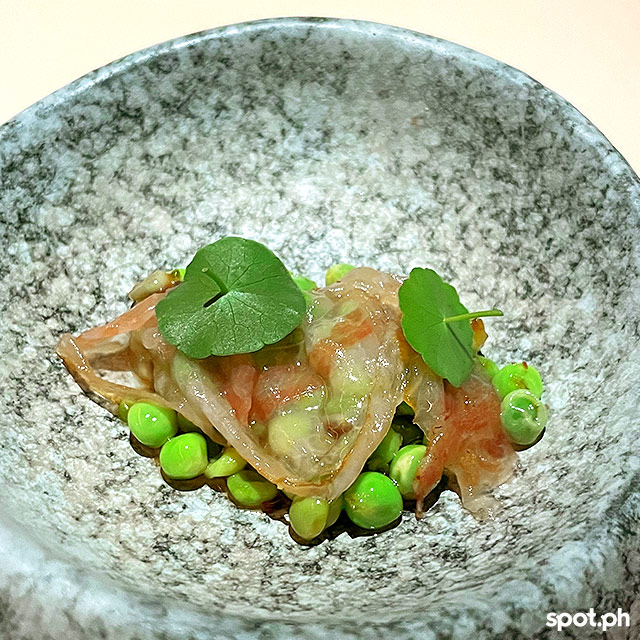
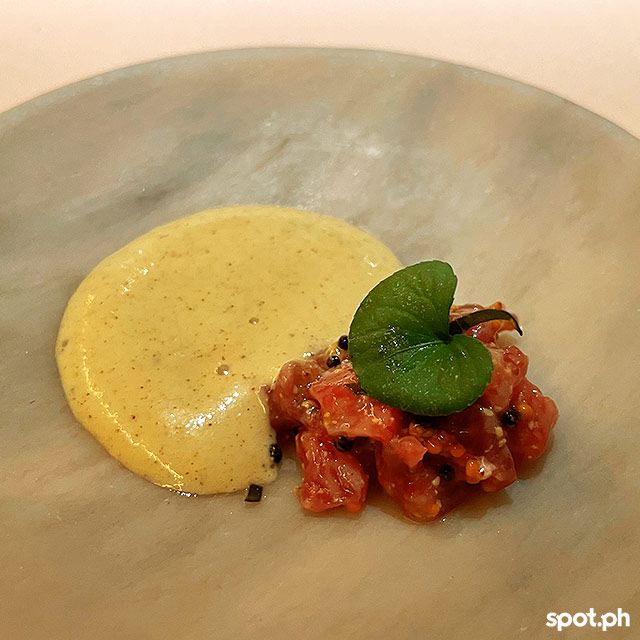
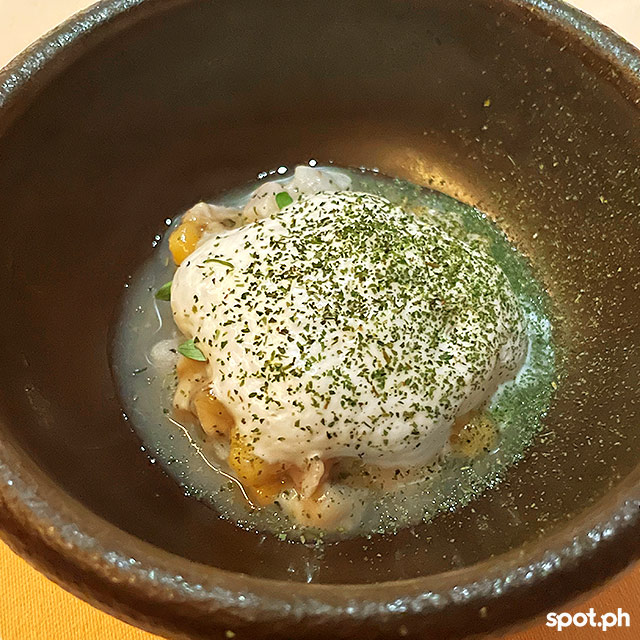
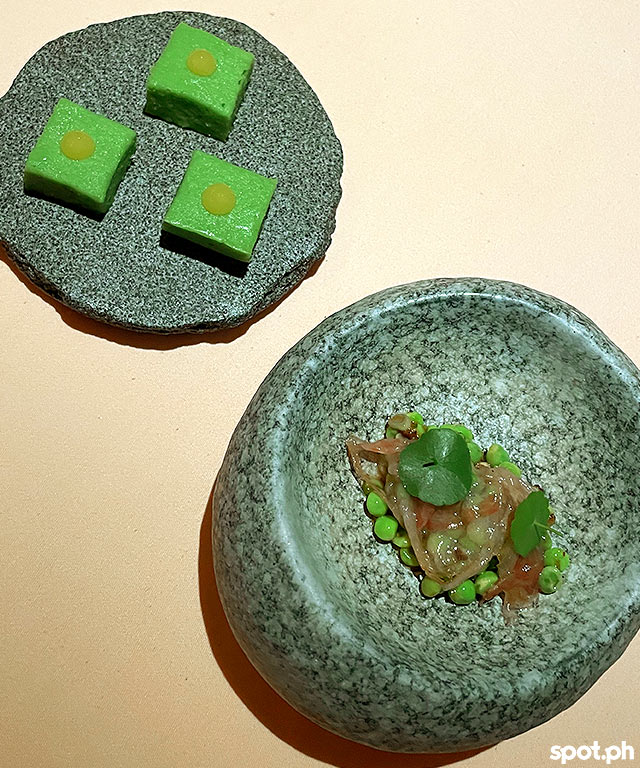
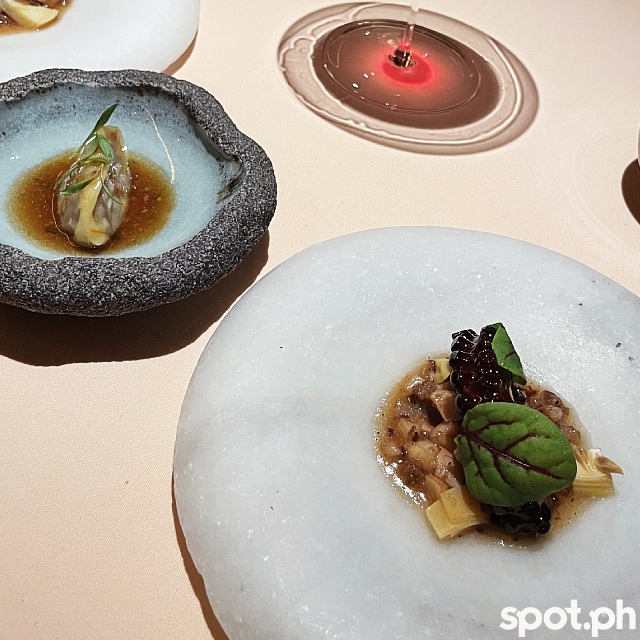
In the Corned Beef, sustainable Wagyu tartare was enlivened by spoonfuls of espuma imbued with garam masala. Chele then showed us how mangosteen and mucilage (cacao fruit pulp) work to brighten the brininess of seafood in their succeeding Oyster Kinilaw. Haoma’s Cumin Peas then delivered spunky spoonfuls; forming the two-part dish were local snow peas spiked with cumin and topped with lardo and gotu kola from Gallery by Chele’s garden, plus an earthy-sweet “sponge” made out of the peas’ skins in the name of going zero-waste.
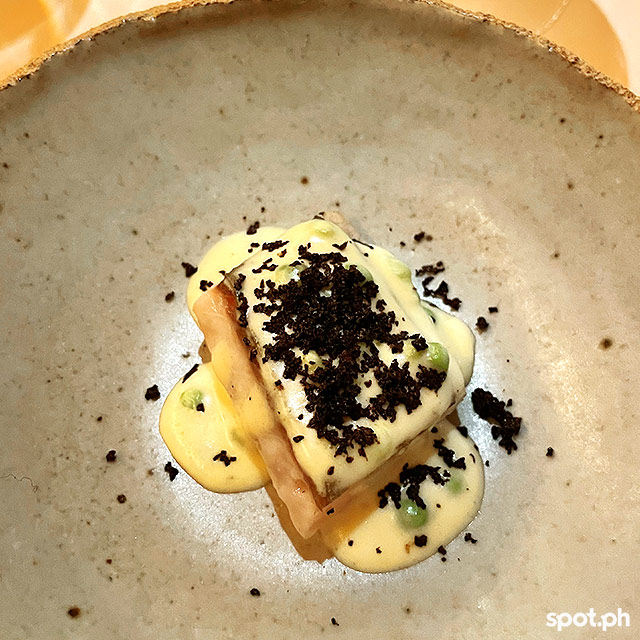
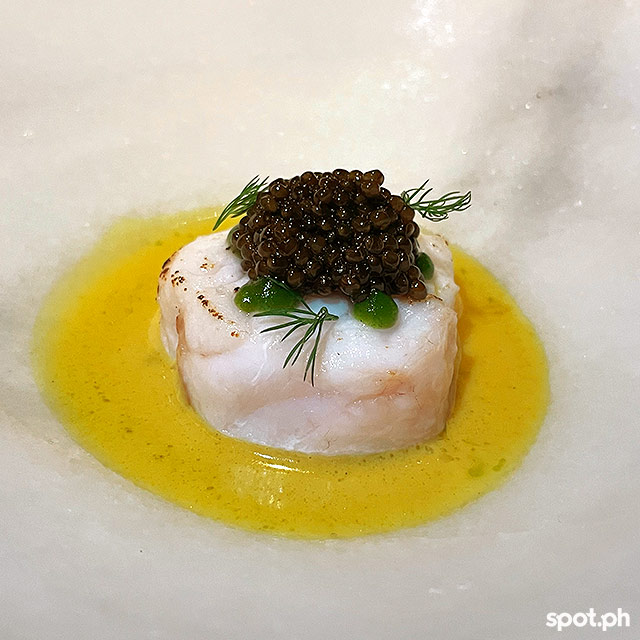
Local sole from Northern Luzon was then given the French-style Meunière treatment with a rich sauce of local lemon, plus adornments of “green caviar” (snow peas) and grated cacao. To keep the momentum going, the team brought out the Grouper—the fish cooked sous vide over a chutney of mango and peanut, paired with an Indonesian spice-spiked pilpil sauce infused with Indonesian spices. The Patapulpo was a mini-surf and turf in itself with Spanish, Chinese, and Filipino elements, flaunting a charred tentacle of octopus over a callos-chorizo mix, plus pickled banana blossom, and a dumpling of collagen-rich pork knuckles cooked down with the pulpo water.
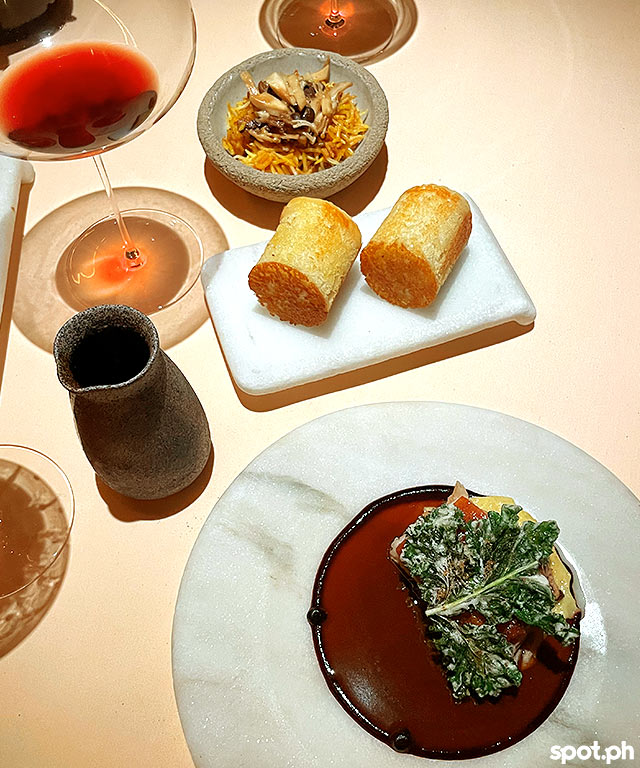
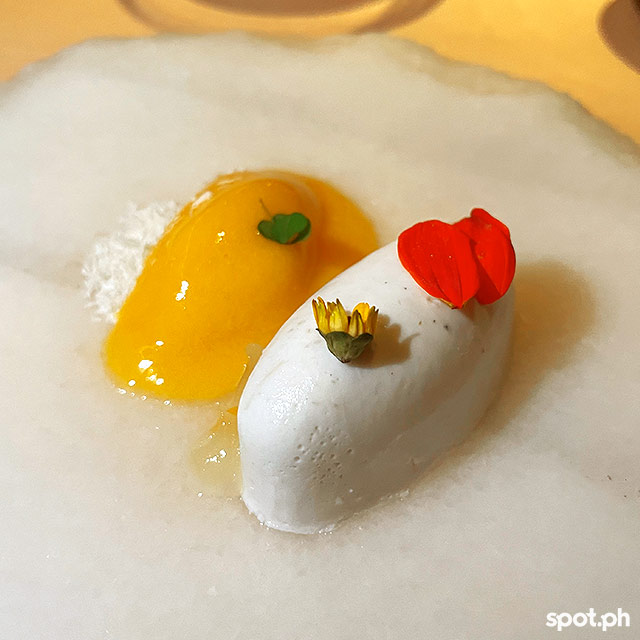
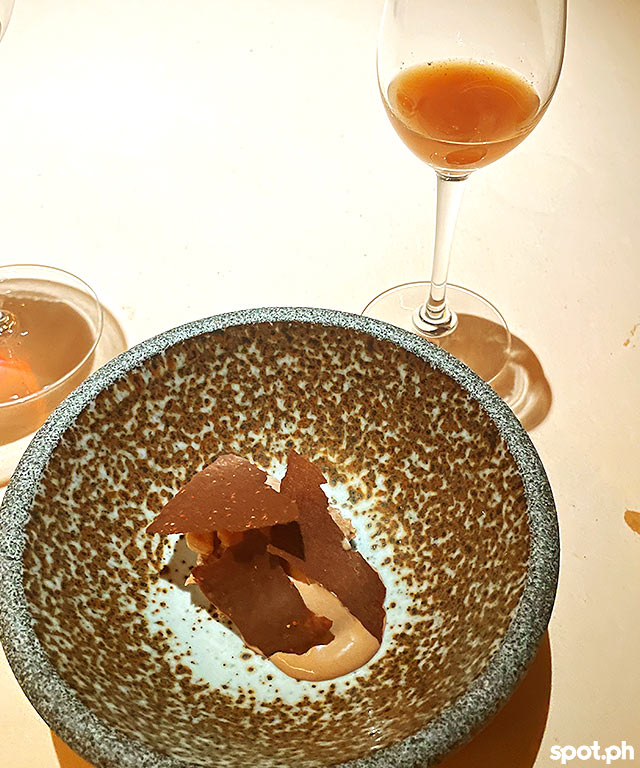
Around the Table marked our arrival at the collab’s proverbial climax. Its star: milk-fed lamb korma, cooked low and slow (rendering the insides so tender it barely requires chewing) before being fired up on a higher temperature for a browned exterior. Pulao of basmati rice with mushrooms, and buttery rounds of compressed naan rounded out the spread of mains. And for dessert, the Gallery team brought out the decidedly bright Passion Fruit with local passionfruit, coconut panna cotta and citrus sorbet; and the Chocolate that uses different parts of the cacao fruit from Davao.
Gallery by Chele and Haoma may be miles apart, but they share a core ethos that makes them siblings at the core—ones with a shared goal that benefits more than just our taste buds, at that.
Hey, Spotters! Check us out on Viber to join our Community and subscribe to our Chatbot.