
A Guide to Baguio Coffee Spots Loved by Locals
When in Baguio, drink coffee as the locals do.
(SPOT.ph) Before café culture hit the country’s commercial markets, Baguio has long cultivated a silent coffee movement with locals enjoying quality brewed drinks at the city’s many coffee haunts. The summer capital, after all, benefits from the robust agricultural landscape of the Cordillera region, where coffee growing is an industry. This gives Baguio’s lovers of the brew an almost farm-to-cup experience every time they sit down for coffee—and take note: local cafés are known for their excellent concoctions sourced from local farms.
Coffee is one of the top 10 priority commodities in the region. Provinces like Kalinga, Abra, Apayao, Mountain Province, Benguet, and Ifugao are all known for their climate and terrain which is ideal for producing quality liberica, robusta, excelsa and arabica.
We know the latest influencers and vloggers have told you about the latest aesthetic Baguio coffee spots—but here’s where the locals themselves go when they need their caffeine fix. We encourage you to visit them, too, the next time you’re up in Panagbenga town—not only to help support the local farmers, vendors, and cafés, but for a more uniquely Baguio experience.
Also read:
WATCH: The Best Things to See and Do in Baguio in 48 Hours
10 Places to Visit in Baguio City Aside From Mines View Park
This is where Baguio locals go for their coffee fix
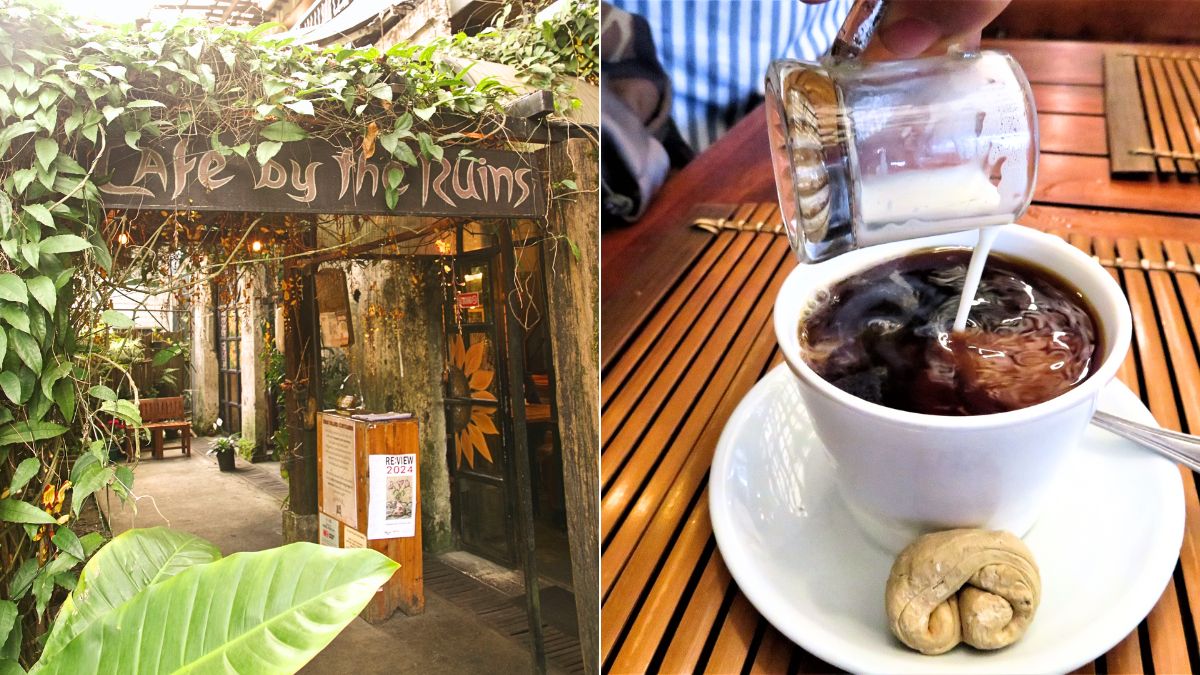
Café by the Ruins
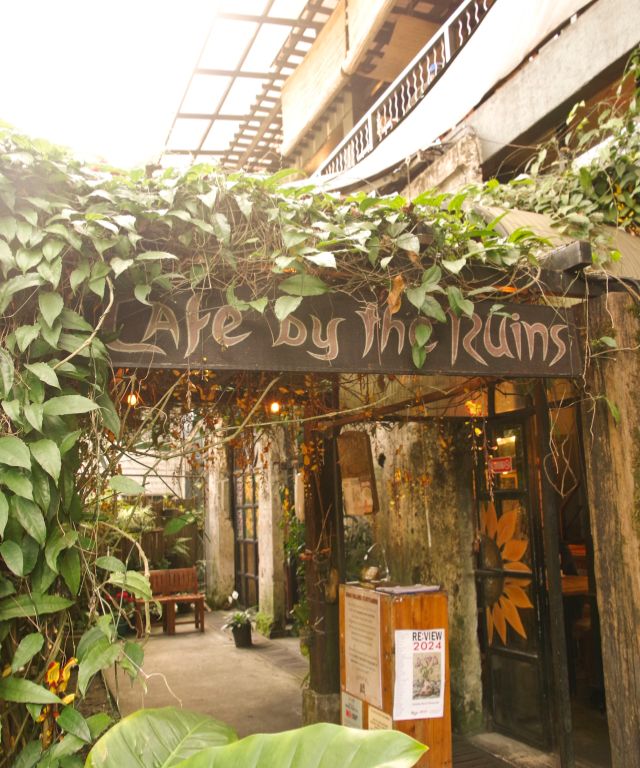
The café has survived an earthquake, a fire, and a pandemic—a testament to its staying power and ability to innovate and reinvent itself. A lot of it is thanks to a strong local following and a nonstop influx of tourists. During the café’s early days, the clientele were artists, creatives, and later lawyers who took coffee breaks between court sessions (because the Justice Hall is just nearby), making the air in Ruins often thick with ideas, opinions, and creativity. Today, visiting foodies mingle with locals and blend with the cafe’s open-to-all atmosphere.
This Baguio icon is built around the slab ruins of the 1912 home of H. Phelps Whitmarsh who was appointed by the American government as the Governor of Benguet and the capital Baguio. The house was transformed into a theatre and a museum before it was destroyed in World War II. In 1988, it became a café built by a close-knit circle of artists, writers, and culture bearers.
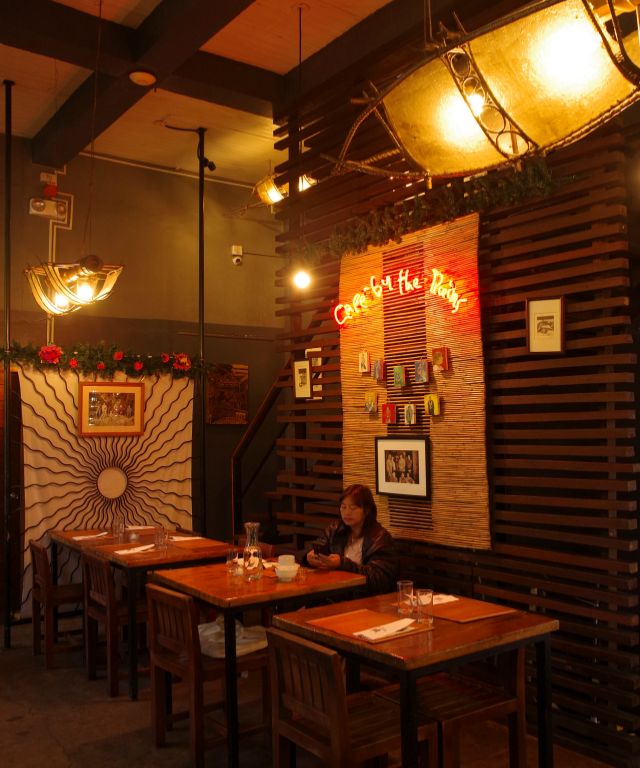
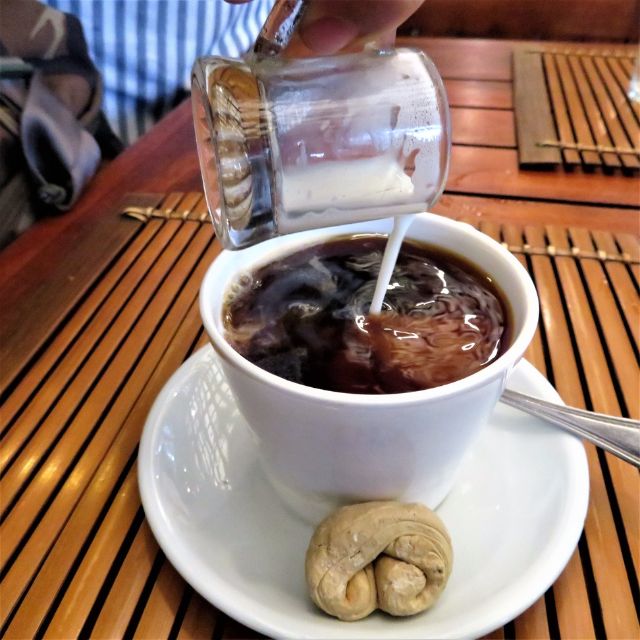
Baguio folk always look forward to coffee at the Ruins with its signature blend of locally sourced arabica brew paired with a sweet balikutsa or hand-pulled, cooked sugarcane molasses for sweetener. This is, of course, best paired with a superb selection of bread and spreads, all handmade and using ingredients from nearby communities.
Café by the Ruins is at 25 Shuntug Road, Baguio. Open from 7 a.m. to 9 p.m., Monday to Sunday.
Tam-Awan Village
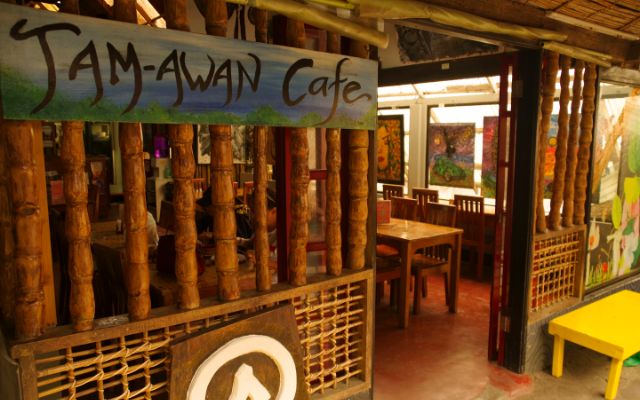
Tam-Awan Village, dubbed as “Your garden in the sky,” is an arts and culture haven and one of the most scenic places to have a cup of locally brewed coffee—which here is sourced from local markets and blended with barako for the extra kick and Benguet beans for the aroma.
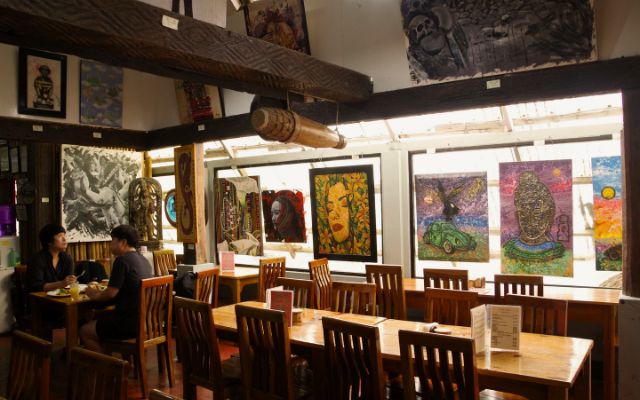
Here, locals and tourists sip their brews while watching a cultural performance or basking in the beauty of authentic Cordilleran huts flanking the 2.5-hectare eco-park. Students of university towns come for an immersive experience in arts and culture, while locals who love a good eco walk visit on off-peak days. A lot of the charm of Tam-Awan lies in its visual beauty: the huts from Ifugao and Kalinga which help evoke a Cordilleran village in the city, helped by its collection of bululs (wooden crafted rice god statues) and installations by its stable of house artists that dot the village’s eco trail.
Tam-awan Village is at 366-C Long Long Benguet Rd, Baguio. Open from 7 a.m. to 8 p.m., Monday to Sunday.
Garcia’s Coffee
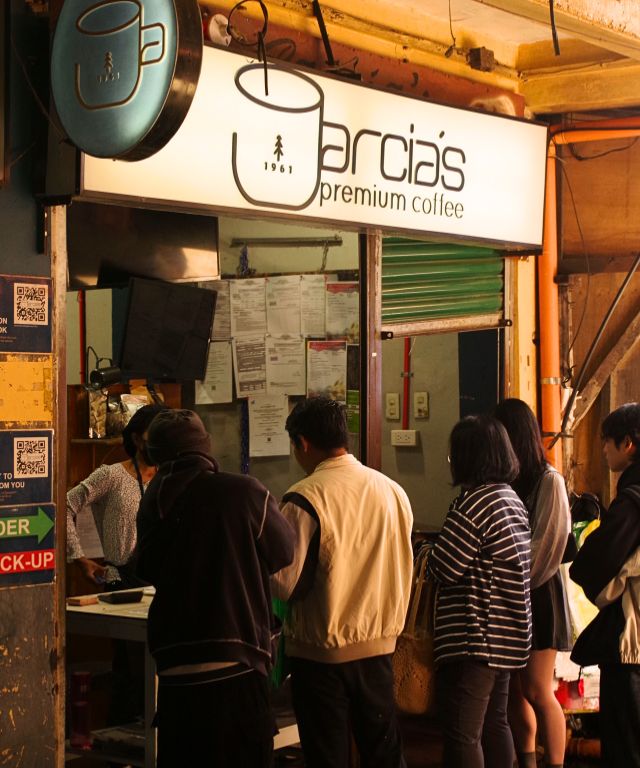
This store, located inside the local market, is a last stop for pasalubong and a staple for locals who like to have their coffee at home. Garcia’s offers a wide selection of brews and their attendants will happily guide you in finding the perfect blend for your taste. They have a lot of customers flying overseas so they recently innovated with a Ziplock-style airtight foil to make carrying their coffees in flights easier.
This is Baguio’s OG coffee source, supplying almost all shops in the city with beans and choices of Benguet (dark roast, robusta, excelsa), barako blend (medium roast, robusta, excelsa), Arabica blend (arabica, robusta, excelsa) house blend arabica (dark roast, arabica, robusta, excelsa), pure arabica (dark or medium roast, 100% pure arabica), and many more.
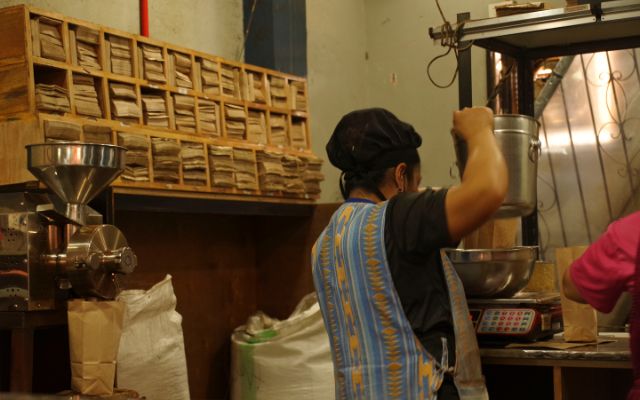
Good news for those who want to enjoy the sought after beans right away: their outlet at Porta Vaga mall is under renovation and will soon have a coffee shop where they will serve fresh brews while also selling beans in bulk orders.
Garcia’s Coffee is at Chucheria Section, Hangar Market, 10A Hilltop St, Baguio. Open from 7 a.m. to 6 p.m., Monday to Sunday.
Luisa’s Café
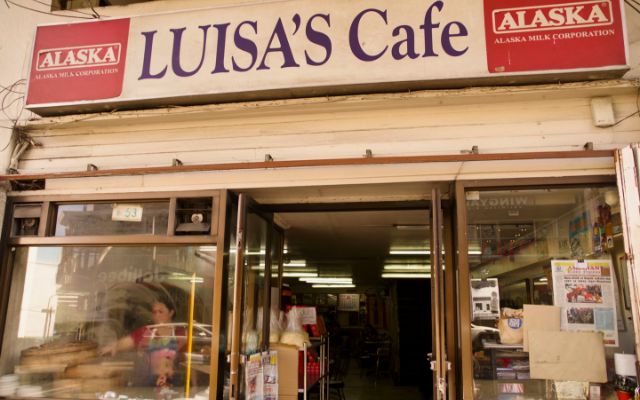
In the era of themed cafes and exotic restaurants setting up shop in the city, one joint has carried on for years with tried and tested recipes and good old community camaraderie. Luisa’s Café, a popular stop for locals who want to sit and chat over coffee, is also one of the oldest restaurants in the city. A landmark along Session Road, a cup of joe here is served without frills in a thick stubby glass or a plain white mug. You can choose the regular blend, which is a strong barako, or the “coffee light” which is a watered-down version of the regular brew. But there’s also the “half-half”’ which is half glass of evaporated milk and half regular brew.
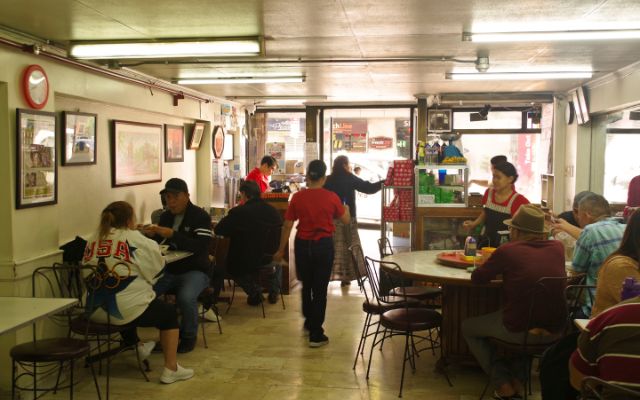
A group of senior locals usually converge in the morning to have their coffee caucus at the big round table at the ground floor. Cofee time extends to the afternoons when journalists, artists and artisans come to fill their corner at the loft power table.
Luisa’s, named after the matriarch of the family who owns the biz, set up shop in the Pine City in the 60s and maintains a simple Chinese menu—along with its traditional dumbwaiter which is used to transport food from the first to the second floor.
Luisa’s Café is along Session Road, Baguio. Open from 7 a.m. to 10:30 p.m., Monday to Sunday.
Solibao
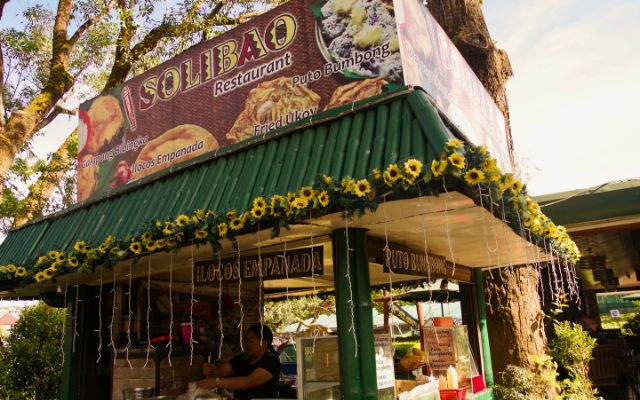
The 34-hectare Burnham Park was named after American urban planner Daniel Burnham who produced the city's master plan during the American colonial period. In 1904, it was developed into a park based on Burnham’s design as influenced by the "City Beautiful Movement." Before Burnham's 1904 vision was set in place, the flat, mossy area served as a watering hole for cows after feeding on grasses. Today, it is a popular congregation area for tourists, joggers, Zumba practitioners, and families from here and out of town.
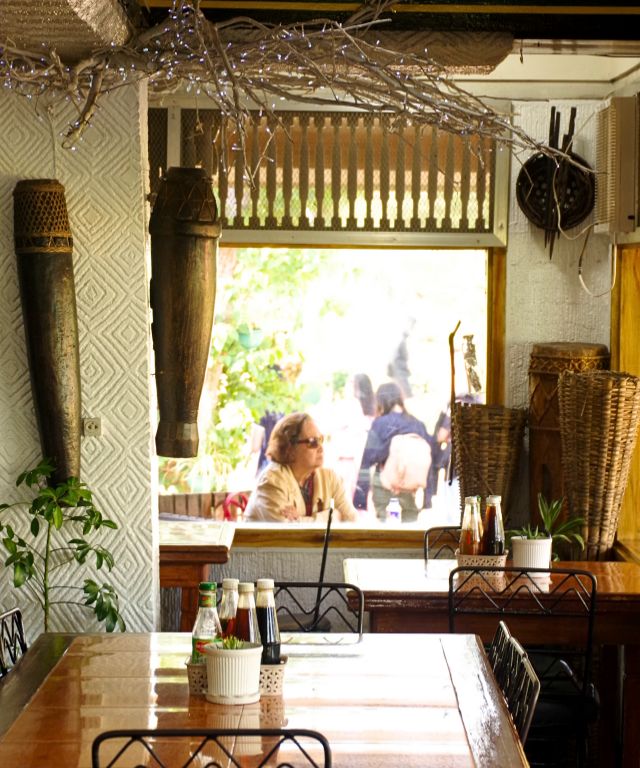
Solibao is a family-owned business that has been in the park for decades, known for its home-cooked favorites like kare-kare and the whole year-round puto bumbong which never fails to give you that Christmas feels. Specials paired with their coffee taken at the al fresco area are a favorite of old timers, athletes after a run, and early morning exercise enthusiasts who use the park for Zumba, tai chi, and calisthenics.
There are coffee vendors in designated areas who will sell diabetic instant coffee but nearby restaurants like Solibao and the now popular Le Bloom Mobile Café at the Rose Garden offer dependable fresh brews at affordable rates.
Solibao is at 2 Lake Drive, South Football Grounds Baguio City. Open from 8 a.m. to 6 p.m., Monday to Sunday.
Hey, Spotters! Check us out on Viber to join our Community and subscribe to our Chatbot.