
Bar Koji
Ralph’s Wine & Spirits, G/F Pamana Building, Arnaiz Avenue, San Lorenzo, Makati City
Instagram: www.instagram.com/bar.koji
Open from 4 p.m. until late (last orders at 10 p.m.), Monday to Saturday

(SPOT.ph) Wine aficionados very well know Ralph’s Wine & Spirits as a place to browse and shop their curated selection of topnotch bottles. But—over at the Arnaiz Avenue branch—it’s well worth looking past its wine-store front. Venture further inside and you’ll find Bar Koji, a semi-hidden and under-the-radar sake bar where you can try the Japanese rice wine alongside excellent sushi, sashimi, and other Japanese nibbles.
Also read: Here's Where You Can Find Excellent Sushi and Sashimi for Delivery
Hit up this hidden sushi bar in Makati:
Extensive as the local dining scene may be, with so many well-loved eateries in just about every corner, navigating the city is also, in many ways, a bit of a treasure hunt. You have your go-to spots for sure—but there’s something real special about stumbling upon top-notch eats in unexpected places. Bar Koji barely advertises itself—not on social media (though they’ve definitely caught the attention of many a food enthusiast through word of mouth), not even outside the Ralph’s store. But the curious are bound to be rewarded. Past the wine racks and tables of Ralph’s main area, you’ll see a bar—yup, that’s Bar Koji for ya.
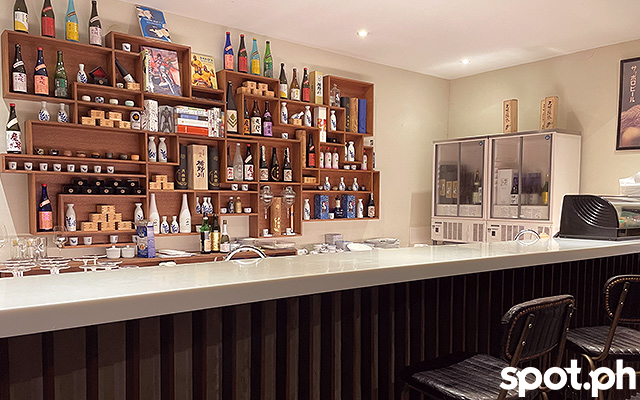
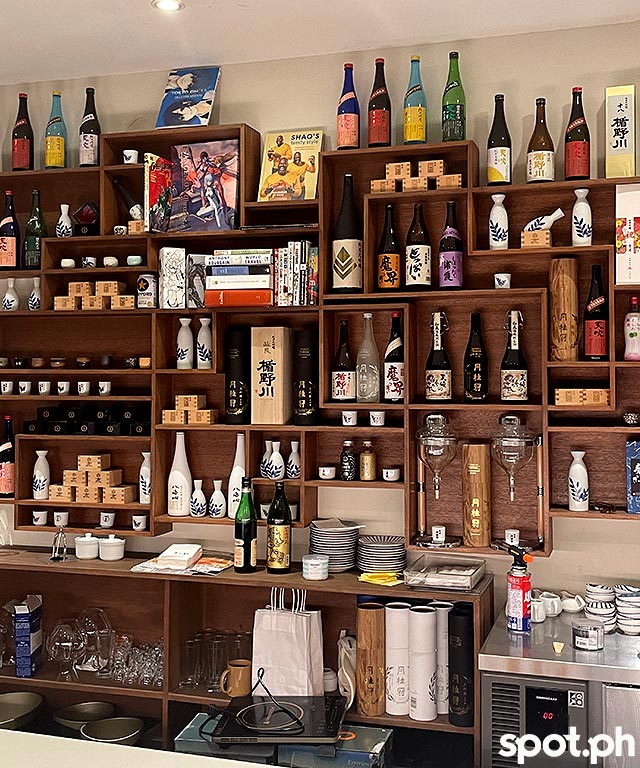
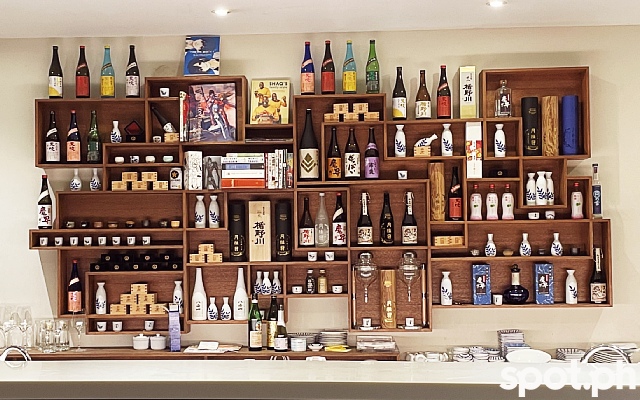
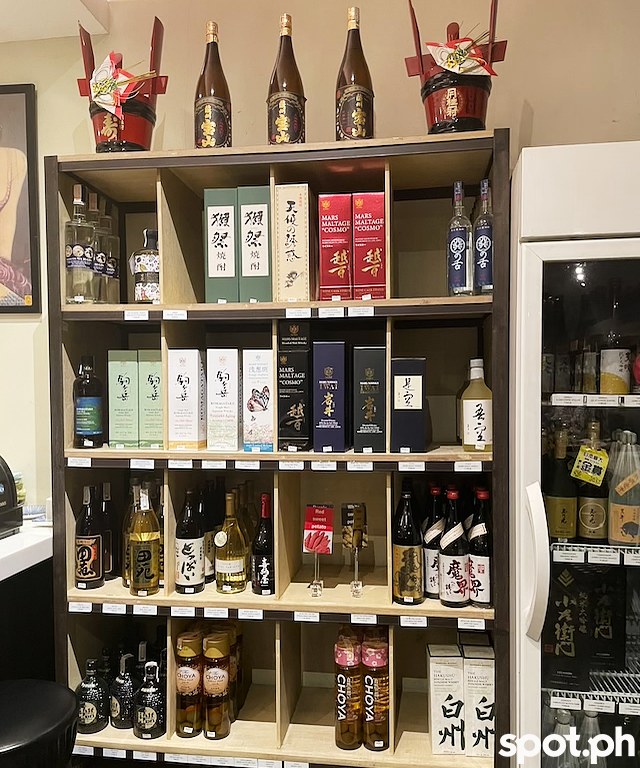
Behind the bar, literally and (at least in part) figuratively, is Rafa Joseph, who happens to be the son of the wine shop’s namesake Ralph Lim Joseph; he walks us through the sake bar’s story. Bar Koji, he relays, made its official debut just a few months before the pandemic hit as a way for Ralph’s to venture into the world of the Japanese rice wine—which his tito Raymond, his dad's brother, is very much into. “He’s like a Sake God,” Joseph raves. Though he admits Bar Koji is still a “work in progress,” liquor enthusiasts will be blown away by their extensive lineup of sake, shochuu, and more that they bring in from the Land of the Rising Sun, keeping the intricacies of sake importation (in particular, elements like the proper temperature) in mind so as not to distort the quality of the drink.
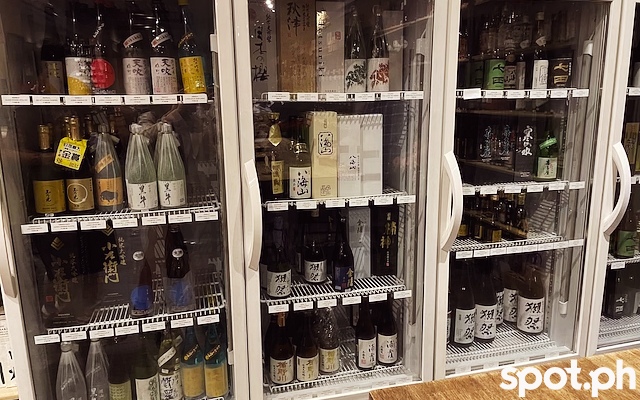
Joseph explains that the Japanese word sake—though often used by foreigners specifically for rice wine—actually refers to alcohol as a whole in Japan, with the Japanese fermented-rice drink specifically being dubbed nihonshu by locals. (For simplicity’s sake in this article we’ll still be using ‘sake’ to refer to the rice wine—but this is something to keep in mind nevertheless.) “It’s really complex [as] there's so many variations and styles of sake,” he says, differentiating it from the wines of the West where aspects like appellation can provide more limits on what can count to be of a certain category. “[But] with sake it’s completely different. Sake can differ from what kind of rice you use, the amount you polish the rice, the water you could have [e.g. whether it’s] unfiltered, [et cetera.]” This can change the resulting characteristics of the drink—using more polished rice generally results in richer-tasting sake, pasteurization (or lack thereof) can change up the flavor and/or mouthfeel, and so on.
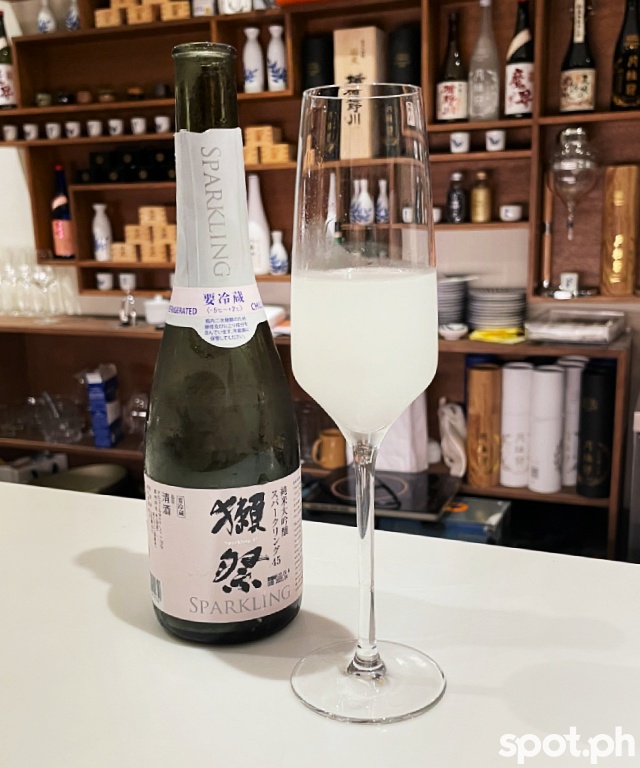
The Dassai Sparkling 45 (P925/bottle), for one, immediately opens our eyes to the way sake can be given the sparkling-wine treatment. Made with Yamadanishiki rice, this sprightly libation delivers crisp, fruity sips with tiny bubbles that fizz softly on the tongue, delivering just a tinge of that fermented-rice acidity (think bibingka) before ending on the soft and rounded note of sake. Note that as of now, sake is sold only by the bottle, but the bar does plan to do a by-the-glass program in the “near future.”
Bar Koji completes the sake appreciation journey by serving your bottle(s) of choice the way they’d often be in Japan—with food prepared by the Ralph’s team, a group Joseph is rightfully proud of. “Our staff [and] cooks [are like] family to us… We want them to grow with us.” Much of the plates on their lineup take after Japanese classics, done right, though they’re also not afraid to put on their creative hat and play around with the elements where applicable.
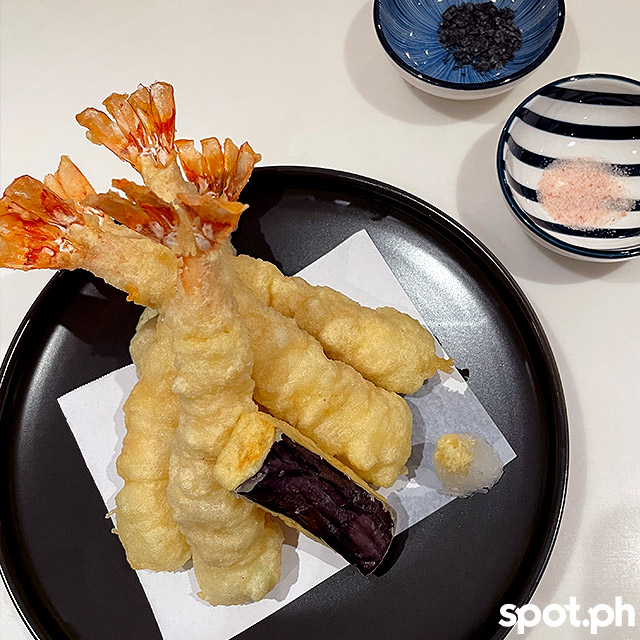
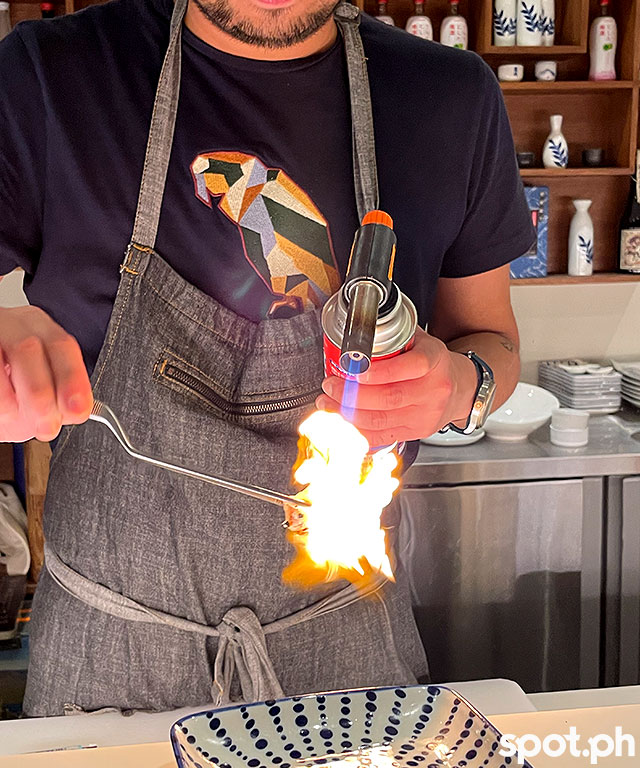
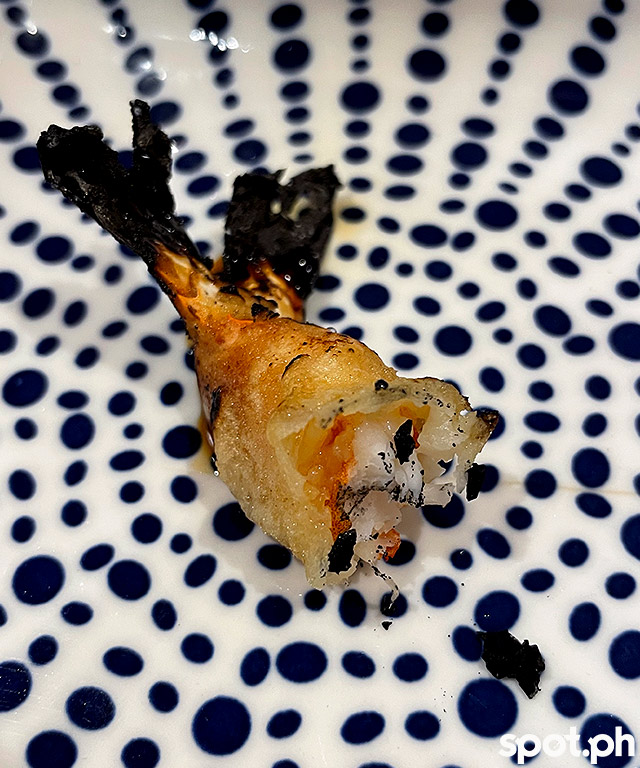
With the Dassai Sparkling, we have the Ebi Tempura (P500) that pits together a crisp yet delicate exterior and shrimpy interior—and while you can dip it in tentsuyu as is traditional, Bar Koji also serves it with specialty salts (Himalayan pink salt from Pakistan and subtly smoky black salt from Sweden, to be specific) that lets you better savor the pure taste of the shrimp. Joseph lets out his mischievous side, however, as we reach the shrimp's (oft-ignored) tail end. Rather than have it go to waste, he brings out his blowtorch to torch those tails—rendering them crisp, smoky, and addictive as heck.
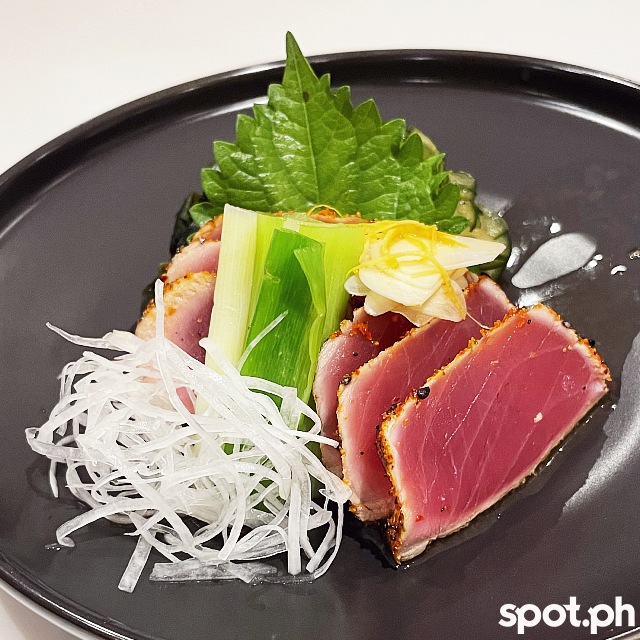
The off-menu Maguro Tataki (P350) also points to the Bar Koji team’s openness to going the offbeat path. The tataki part of the equation is fairly traditional, with fresh tuna given a sesame crust (plus what seems to be togarashi for a touch of heat), and seared on the outside while retaining a raw center. But while most folks would dismiss its side elements—thin slices of raw garlic, leeks, shiso leaves, and tsuma (thinly shredded radish)—as mere fillers on a standard sashimi plate, Joseph implores us to “break the rules” and try the tuna with a little of everything. (Think makeshift taco or ssambap, even.) And he’s onto something, because the resulting chopstickful delivers one impactful bite that’s part-nutty and succulent from the fish, pungent from the garlic, herbaceous from the shiso, and light and crisp from the tsuma.
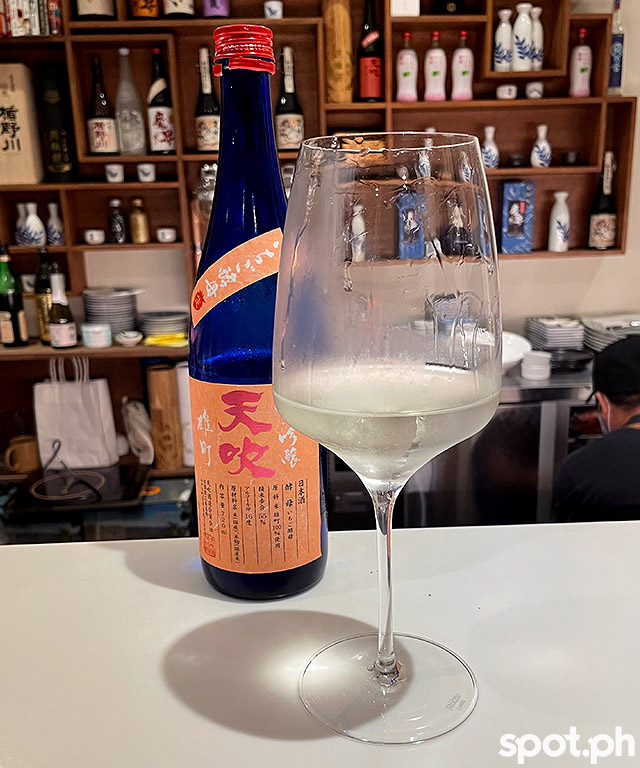
Joseph pours glasses of our second sake of the night: the Amabuki Junmai Ginjo Namazake Strawberry (P1,800/bottle). Though most sake around today is pasteurized twice as it’s brewed, you can still find namazake, or sake that’s unpasteurized or pasteurized only once—one example being this fruity, floral number brewed with yeast from the flowers of strawberry plants. The result? Bright, fresh sips with the natural sweetness of omachi rice. As the sake is just at the right sweet spot between being rounded and dry in mouthfeel, it pairs beautifully with the succeeding plates of sashimi we had that kept it company.
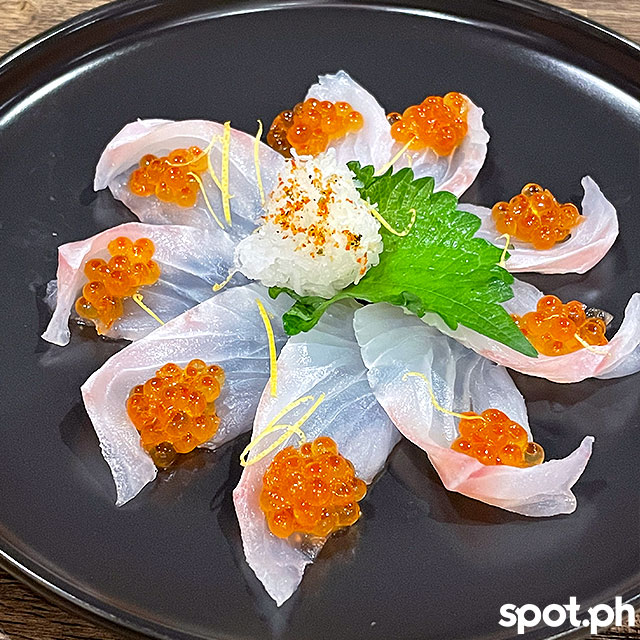
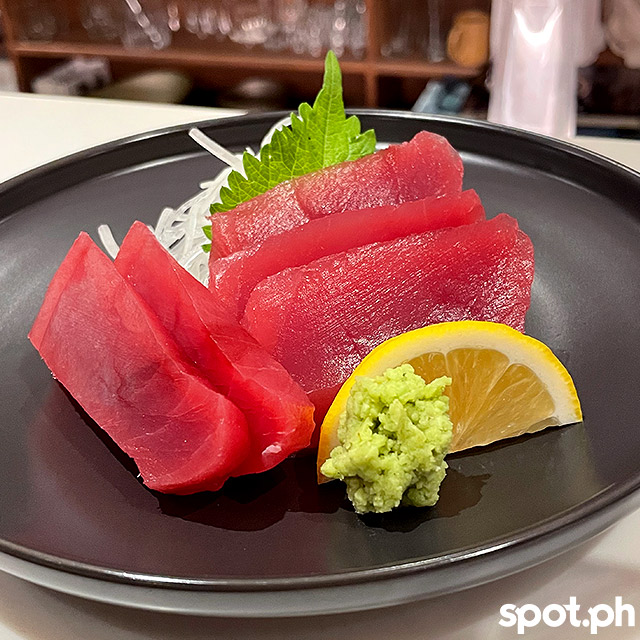
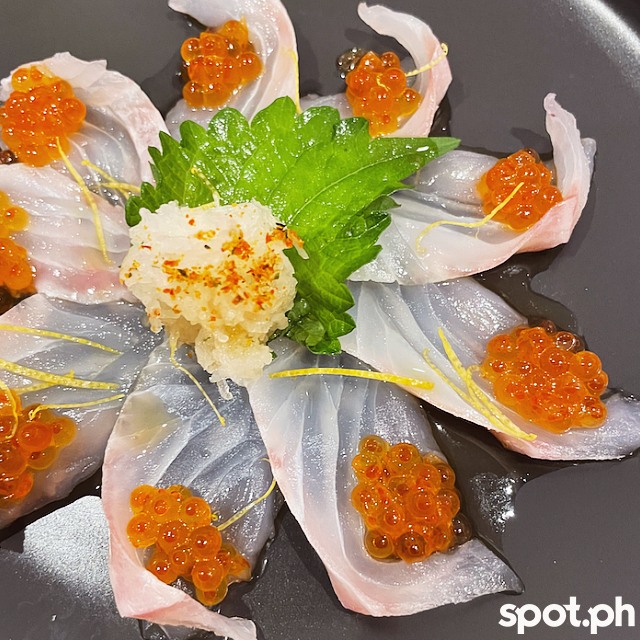
On the less-is-more end is the Maguro (P350), which stars fresh akami tuna in its succulent glory. A perkier—not to mention picturesque—plate is the Hatta Usuzukuri (P300), which features mellow-tasting hatta (lapu-lapu) slices fanned out like a flower, along with oroshi (grated radish) in the center and dollops of ikura on the ends that lend pops of savoriness to the mix.
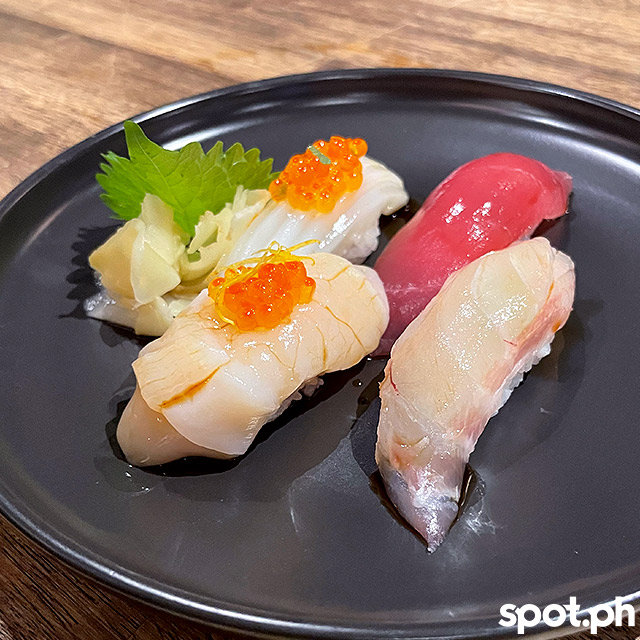
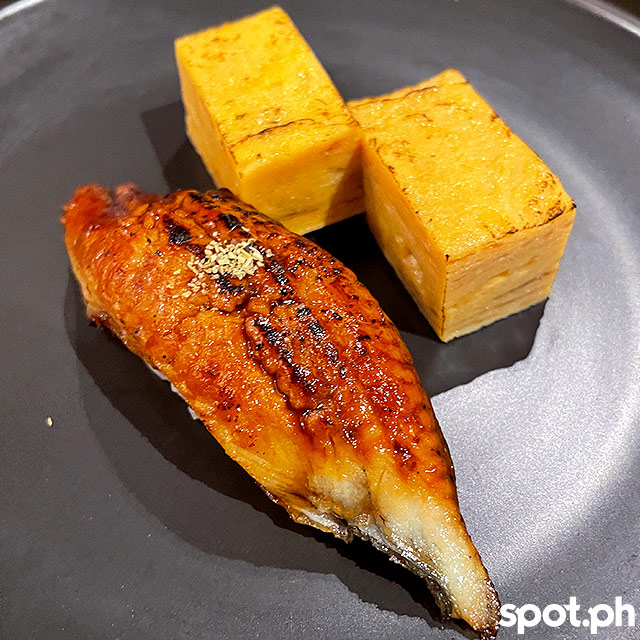
Sake and sushi are a natural pair given their similar rice-based characteristic—not to mention the way sake can help balance out the seafood’s flavors—and Bar Koji rightfully serves stellar Nigiri with the perfect harmony of lightly seasoned rice and fresh, great-quality seafood. Pick your piece: among the options are the lighter Hatta (P160), the classic-done-right Maguro (P160), the supple and velvety Ika (P125), the sweet and juicy Hotate (P350), and the melt-in-the-mouth, roll-your-eyes-to-the-back-of-your-head good (and needless to say, the author’s personal fave) Unagi (P275).
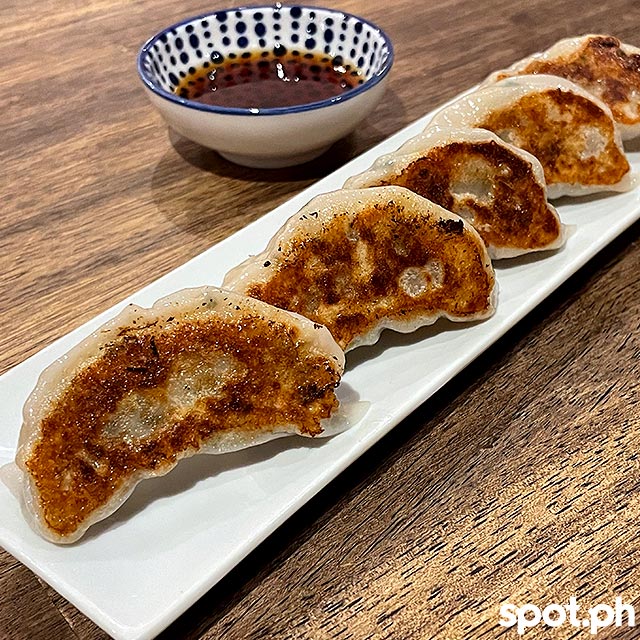
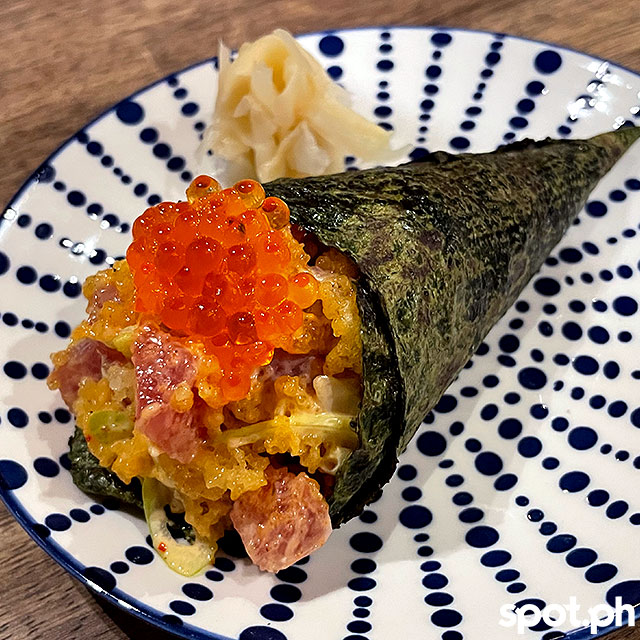
Worth saving room for, too, is Bar Koji’s take on tamagoyaki—simply dubbed Tamago (P100)—which is lightly charred, giving you borderline crème brûlée-esque caramelized edges and a custardy center. Even simpler Japanese dishes, like Gyoza (P150), are given justice—in this case, with its crisp dumpling skin and juicy meat interior. We end the night with the decidedly feisty Spicy Tuna Temaki (P350), where the nori-wrapped hand roll comes stuffed with a generous amount of maguro, rice, and tempura crumbs for a perfect medley of chewy, creamy, and crisp. The bar also does omakase dinners for those who’d prefer to leave the decision-making to their team.
Hidden gems have a way of appealing to our innate curiosity, and even just finding what lies behind the veil can feel like a reward in and of itself. But there’s also something to be said about the intimate feel here, where regulars know each other, the staff and everyone treats each other like family, and conversations feel—simply put—human. Add to that the way Bar Koji demystifyies the often-intimidating subject of the Japanese rice wine, with great eats to boot, and you’ve got a secret spot well worth seeking out.
Hey, Spotters! Check us out on Viber to join our Community and subscribe to our Chatbot.