
The 10 Jaclyn Jose Performances We Will Never Forget
In her brand of acting, there were no histrionics, no wasted gestures, no false notes.
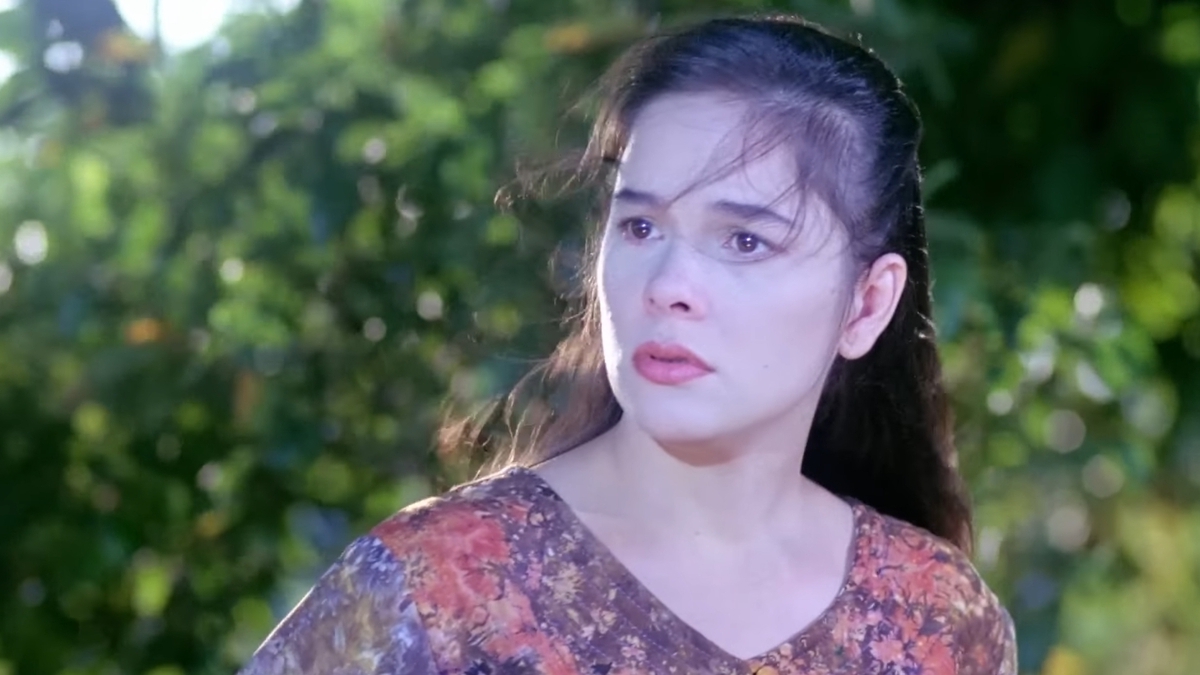
(SPOT.ph) Chito Roño was onto something when he made Jaclyn Jose (birth name: Mary Jane Guck) his early muse. Something about the sadness in her eyes; the firm, flat line of her mouth; the sense of inner lives roiling under her deceptively placid surface, must have encapsulated for the budding director the predicament of Filipina womanhood: Doomed to be second-class citizens in their own country; forced to find ways around the biggest obstacle in their way—men.
Who is Jaclyn Jose?
Jaclyn Jose made a splash with her breakthrough in Roño’s debut, 1984’s Private Show (directing under the pseudonym Sixto Kayko). She was an instant revelation: She rose to prominence during an age of Philippine cinema where conservatism was forced to cede control to political expediency—a time when a flailing dictatorship allowed people to get their rocks off at the movies so they would be distracted from the country crumbling around them. And by being able to work with great directors and serious-minded writers out of the gate, she was able to display her talent even as she was baring her body.
Cinephiles would eventually trademark Jose’s affectless yet weirdly compelling performances and give them a sub-branch: the Jaclyn Jose school of underacting. In this branch of acting, there are no histrionics, no wasted gestures, no false notes. Critics and fans usually reward the outward display of emotion, the long monologue, the chewing of scenery…but Jaclyn Jose never cared for the easy rewards. The quiet way she commandeered her corner of the frame was a clear reminder that acting—and the pursuit of truth—could also entail control and restraint.
Eventually, motherhood would force Jose to transition to character roles, even as it added new shadings to her instinctive talent. But the directors who grew up being fans of her work in the ‘80s never forgot what she could bring to their scripts: a hushed authority, an unfussy credibility. A journeyman actor in the best sense of the word, she became such a fixture of movies and TV that it was a bit of a shock to read that she was only 60—still so young!—when reports of her sudden death began popping up this past Sunday.
Jaclyn Jose’s portrayals never called attention to themselves. You can watch the charmingly flummoxed way she calls on her daughter Andi to help her finish her acceptance speech at Cannes in 2016 to see just how unused she is to being lauded for her work. But as we lose another towering talent of Philippine cinema, we thought we would rectify that shortcoming by listing 10 of her greatest performances.
Also read: Throwback: Jaclyn Jose Wins Cannes Best Actress Award
The best movie roles of Jaclyn Jose
Private Show (1984)
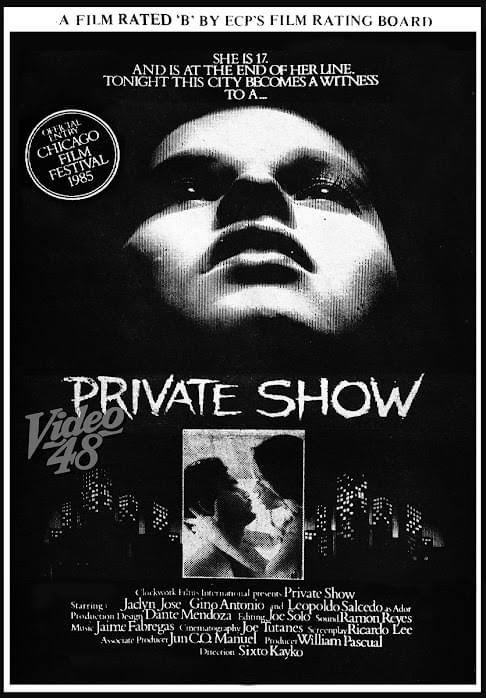
In her debut as Myrna, a woman who descends into the seedy underbelly as a performer in live sex shows, Jose plays against type: She is not the damsel in distress nor the sacrificed innocent—Myrna needs to make ends meet, and she knows what she is getting into. Which is why the entrance of love into the equation makes the film so tragic: Only the confusion brought about by her feelings for her partner in sex work (Gino Antonio) cracks Myrna’s self-possession, bringing her to a sad end with nary a whimper from her or any of the revelers around her. Private Show not only marked the entrance of a literate visual craftsman in Chito Roño, it also snagged Jose a FAMAS Award nomination and won her a Star Award for best actress.
Takaw Tukso (1986)
Philippine cinema usually treats sex like a curse, using it to attract eyeballs then bludgeoning audiences over the head with guilt when they look. But thanks to a tasty script from Armando Lao, Takaw Tukso’s gnarled premise—a woman elopes with the cousin of her ex, then moves into the home her ex now shares with his wife—arrives free of baggage. Jaclyn makes the whole thing go down easy as the cuckolded wife Letty, who courts our sympathy by being the only character in a story where people go out of their way to find temptation.
Olongapo: The Great American Dream (1987)
Reuniting with Chito Roño, Jose dives into her Amerasian heritage to play Racquel, a barmaid who refuses to leave the once-bustling G.I. haunt of Olongapo in the secret hopes of being reunited with her father, only to discover there may not be much of a future for her there. Released when American presence was dwindling in Southeast Asia, Olongapo allowed Jose to showcase her most appealing quality: a steely resolve tempered with alloys of vulnerability.
Macho Dancer (1988)
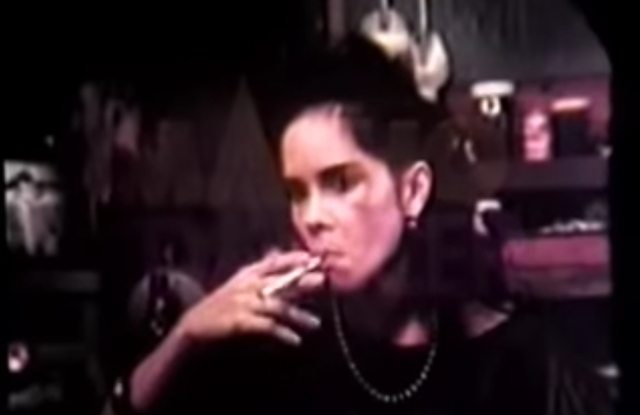
Come for the beefcake, stay for Jose’s glowing performance as the girlfriend of the titular male exotic dancer. Working with National Artist Lino Brocka, Jose understood that the guys were the star of the show. But as Bambi, she easily stole her scenes from then-newbie Allan Paule, elevating what could have been the stereotypical love interest into a mentor of sorts, a wizened portrayal of a woman who knows what’s what.
Itanong Mo Sa Buwan (1988)
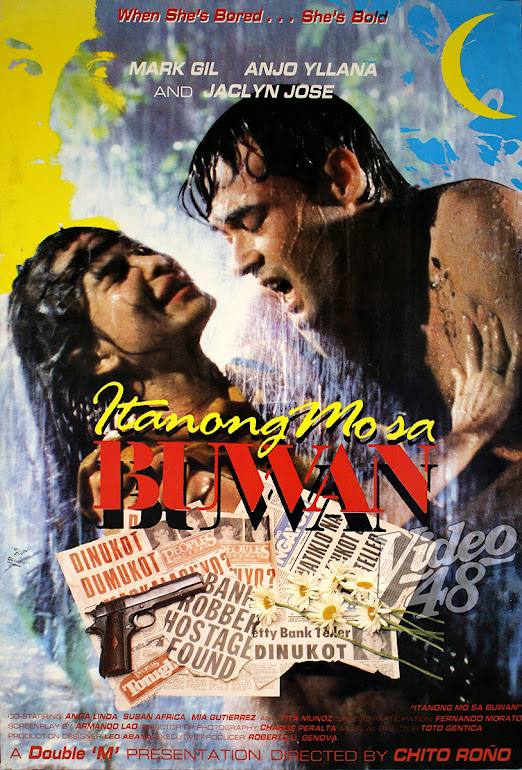
Working again with Roño and screenwriter Armando Lao, Jose gets to play the femme fatale in this Rashomon-like tale set during the aftermath of a bank robbery gone wrong. In Jose’s inscrutable performance, the truth proves forever elusive. (Bonus trivia: This is the movie where Jaclyn Jose would meet Mark Gil, the father of her daughter Andi.)
The Flor Contemplacion Story (1995)
This telling of the sensational case of the domestic helper put to death in Singapore ultimately proves non-illuminating and too sensational for its own good. But Jose got to pit her restraint against one of Philippine cinema’s greats, Nora Aunor—who is no slouch when it comes to underacting herself. In the few scenes that she gets to share with Aunor, Jose ennobles mistresses everywhere while exposing even Ate Guy as an over-emoter.
May Nagmamahal Sa Iyo (1996)
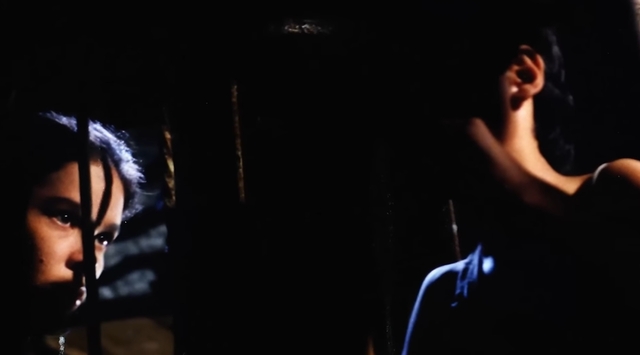
Lorna Tolentino is, technically, the star of this melodrama from Marilou Diaz-Abaya, playing a woman who searches for the son she gave up for adoption and realizes that she may have found him…or has she? Jose doesn’t even appear until the final act of the movie—but when she does, we dare you not to be devastated. In scenes we can count with one hand, Jose paints a portrait of a mother crippled by a sense of futility, who is valiant enough to alleviate another mother’s guilt. There won’t be a dry eye in your house.
Naglalayag (2004)
Jaclyn Jose pits talents with Nora Aunor again, this time playing the mother of a cab driver whose May-December/upstairs-
Patay Na Si Hesus (2016)
In Victor Villanueva’s delightful road trip movie, Jose plays Iyay, a single mother who carts her grown children and all sorts of excess baggage to her estranged husband’s funeral. Jose gets to portray weary Filipino womanhood in all its bruised, tender glory…and stretch her underutilized comedic muscles, too! Watch out for the scene where she refuses to slap her no-good son when he confesses that he got his girlfriend pregnant—saying it would be too melodramatic—then smacks him a good one when he tells her he skipped his third board exam. A gem of comic self-awareness!
Ma' Rosa (2016)
Brillante Mendoza must have been paying close attention when he was doing production designer duties on Private Show, because 32 years later, he entrusted Jose with the title role in Ma’ Rosa. The style may be less Italian neorealism and more shaky documentary, and Jose may not be the gamine she once was, but the steely determination and straightforward pragmatism are still there in her portrayal of a sari-sari store owner whose business is a front for small-time drug dealing. With Ma’ Rosa, Jose earned a huge feather in her cap: the first Filipino to win best actress honors at the Cannes Film Festival, besting fellow nominees Isabelle Huppert, Ruth Negga and Sandra Hüller. Brilliant.