

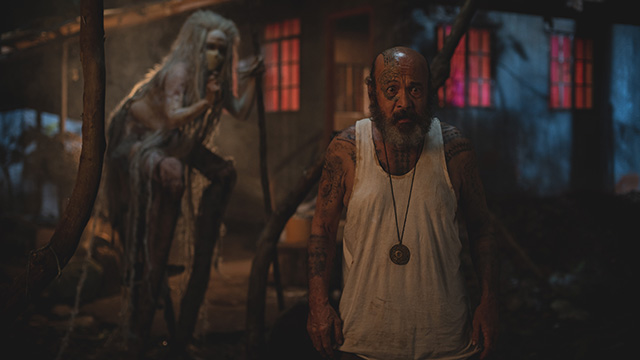
(SPOT.ph) What is the origin of fear? According to acclaimed Filipino director Erik Matti, it all stems from the fear of the unknown. And he should know—the filmmaker has helmed several horror titles including 2016’s Seklusyon, 2019's Kuwaresma, and most recently, an episode on the second season of HBO Asia’s horror anthology series Folklore, which premieres on HBO Go this December.
Also read: After #OTJ2, Erik Matti Flexes His Horror Skills With an Episode in HBO Asia's Folklore
The series puts the spotlight on superstitions and myths from around Asia and for its second run, that includes the Philippines. In an almost hour-long episode entitled "7 Days of Hell," written by Matti's wife and longtime collaborator Michiko Yamamoto, viewers get to experience Filipino horror at its most nightmarish—the stuff of old wives' tales and whispers among neighbors; the kind of stories you'd swear you don't believe, but always wonder about.
Erik Matti and the Cast of "7 Days of Hell" on Horror, Filipino Superstitions, and More
The episode follows Lourdes (Dolly De Leon), a police officer whose son Eugene (Rosh Barman) has—seemingly out of nowhere—become fatally ill. As his condition worsens and medical treatment proves futile, Lourdes must uncover the mystical origins of her son's ailment—a journey that forces her far out of her comfort zone and into a world of albularyo, mangkukulam, mambabarang, and more. Entering into the realm of the supernatural with Lourdes is her colleague Jong (Mon Confiado). Together, they "veer towards [the] illogical... towards gut instinct—intuition instead of provable evidence," as the director puts it.
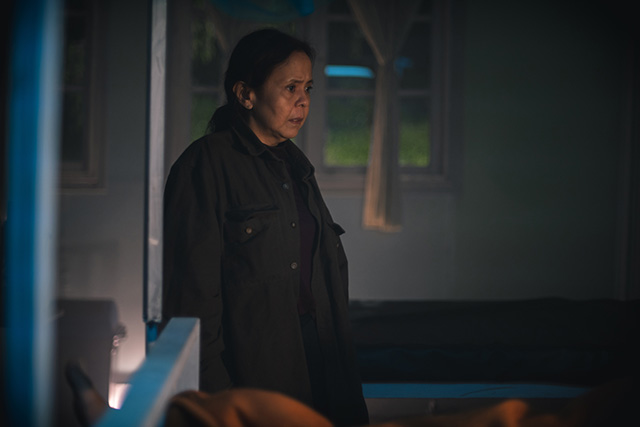
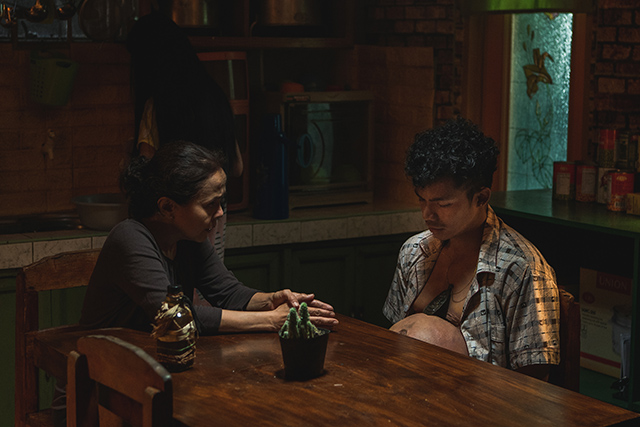
Along the way, Lourdes and Jong meet Mang Celso (Dido Dela Paz), a powerful albularyo whose help they seek. Oftentimes, characters like this prove to be almost props in a story, but here, Celso plays a big role—not just as a passing figure to move the plot along. "We haven’t seen a story told on film that explores how the mangkukulam looks at things," says Matti, noting Celso's position as both a window into the paranormal and as, well, just a man with his own side of the story.
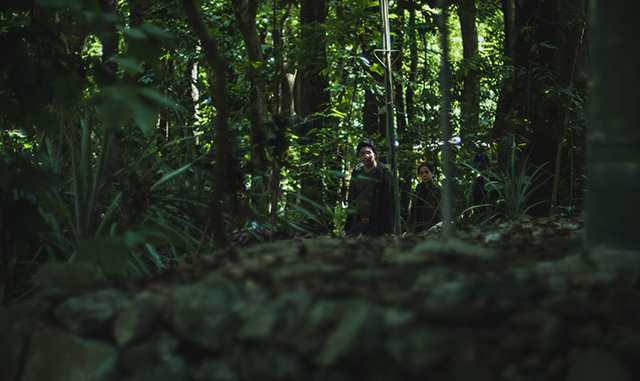
"Over the years, I’ve been doing horror films and it’s getting more and more difficult doing outlandish horror stories," says Matti, referring to tales of ghosts, monsters, and other larger-than-life creatures. Instead, "7 Days of Hell" takes a different approach, opting for a more grounded tale populated almost entirely by just regular people.
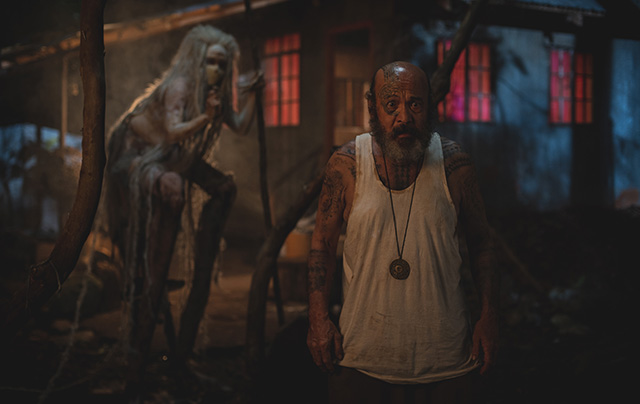
Now, those of you who enjoy a good exorcism film are probably expecting some staples of the genre in this episode. And true enough, you'll find them there, but this time around, it's with a distinctly Filipino flavor. For one, you're probably imagining a very specific type of characterization when it comes to the albularyo—and surprisingly, the episode leans into it. One of the "faith healers" (as the HBO Go subtitles call them) in the episode has all the makings of a stereotypical "witch doctor"—an ominous but somewhat zany presence, eccentric clothing and home decor, and of course, a room filled with unhinged, convulsing "patients" speaking in tongues.
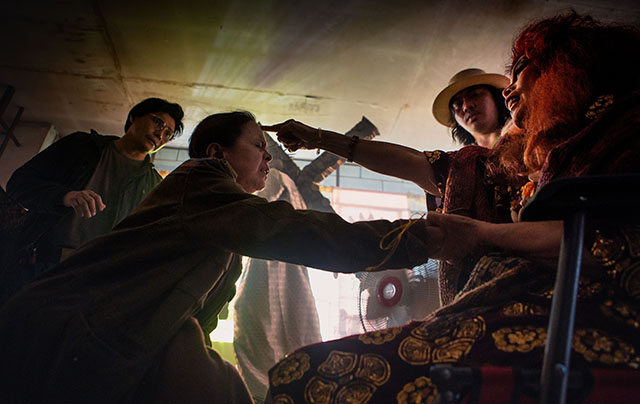
While these portrayals of the occult can lean on the campy side—particularly in the early depictions of these supernatural figures—they're also not unbelievable. As De Leon puts it, "it's not just a myth." That idea of a human being with unexplainable connections to realms outside of our own is "actually a reality for a lot of Filipinos." Confiado agrees, noting that such figures have been part of our culture since before the Spanish colonization. And in fact, "marami pa rin naniniwala," says Confiado. If anything, these scenes prove to be some of the most disorienting for the viewer, creating a feeling of unsettlement, of a journey into the truly bizarre.
Lourdes proves to be the perfect subject for this descent into the paranormal. Acting as the stand-in for the audience, we join in her skepticism towards the possibly supernatural forces behind her son's illness. In her role as both mother and investigator, Lourdes carries the two elements that Matti wanted the episode to have: an "innately Filipino feel" as well as a universal message. Confiado notes that while the story makes use of mystical elements, it still centers on a tangible (and distinctly Pinoy) theme, namely family. "In the story, ang laking bagay ng parenthood," he says.
And true enough, at times, the episode feels as familiar as something right out of of Maalaala Mo Kaya with Lourdes' singular goal keeping every piece of the plot in motion. In this way, viewers will find the episode a lot more realistic than most horror films or shows out there. They say part of the enjoyment is in the suspension of disbelief, but for "7 Days of Hell," well, who's to say you'll be in disbelief?
In its twisted but seamless narrative, "7 Days of Hell" will grip you from start to finish. Its exposition gets going right away, building a slow but potent tension that doesn't let up until credits role. And what's even more impressive is that the story accomplishes this with virtually no jump scares. "It’s not there to shock you," says De Leon outright with Matti adding that "the horror doesn’t come from singular moments." At times, the episode sits in silence with moments of motherly worry, of extended walks through the mountainous outskirts of Baguio. But even with such a delicately paced narrative, you'll rarely breathe a sigh of relief.
For fans of director watching this episode in search of the director's signature touch, don't worry. Though "7 Days of Hell" does not rely on bluster or bravado to get your heart racing, it's also a narrative packed with twists and turns you won't expect. We won't spoil it, but once the episode's gut-punch, mic-drop conclusion comes around—a very Erik Matti ending, if you know what we mean—the supernatural will seem like the least terrifying element in its tightly woven premise.
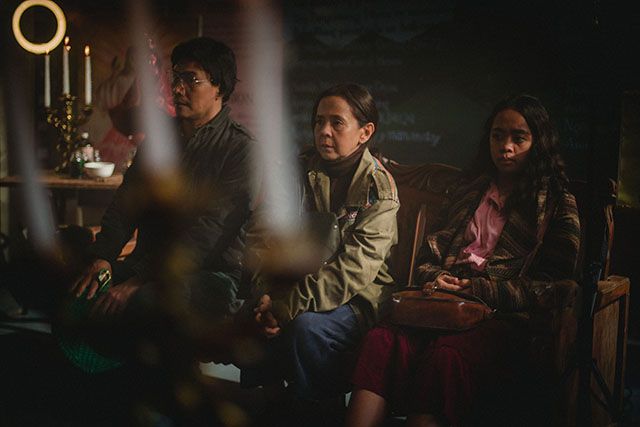
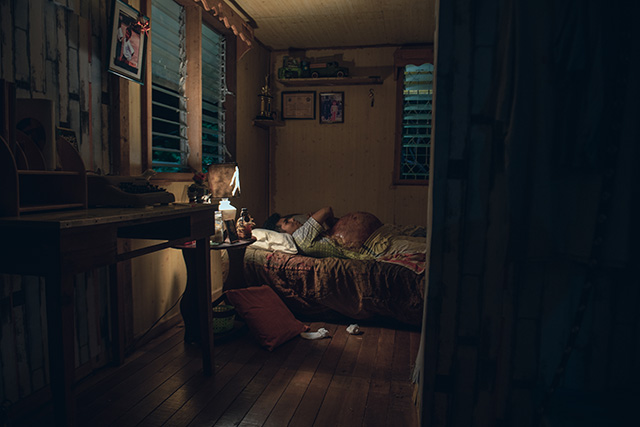
For "7 Days of Hell," there are no monsters hiding in dark shadows, no spirits lingering in our homes. For all it's hype and spectacle, the episode is, at its core, a very human story. And if you ask us, that only makes the terror feel more real. Perhaps De Leon said it best: "Mas nakakatakot talaga ang tao, [sa] totoo."
"7 Days of Hell" is the fourth episode of Folklore Season 2. The episode premieres on HBO Go on December 5.
Photos courtesy of HBO Asia.
Hey, Spotters! Check us out on Viber to join our Community and subscribe to our Chatbot.