
Adulting 101: How to Open a Checking Account
To the bank we go.
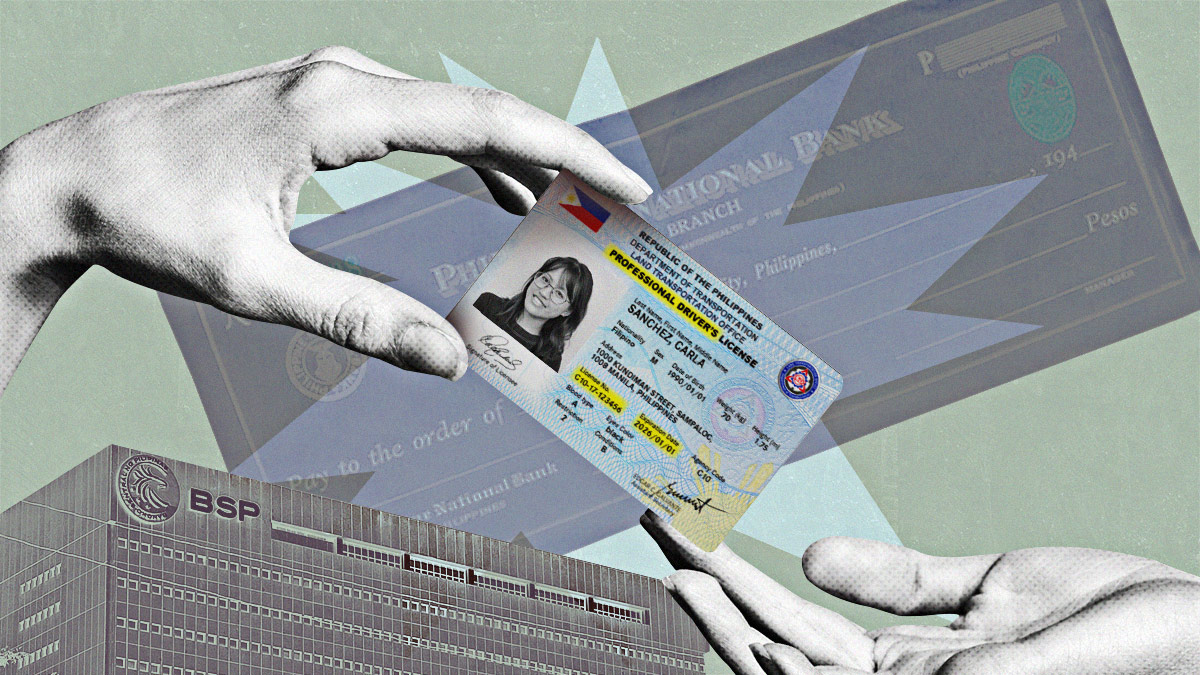
(SPOT.ph) Checking accounts are an attractive option for Filipinos looking to move their money with ease—there are no daily transaction limits, future payments can be issued, and interbank deposits are possible with clearance done in as fast as just one day. If you're here, we're assuming you've made the adult decision to open a checking account for the bigger transactions in your personal or business life.
Opening and maintaining a checking account requires more care than the usual savings account most people have. You might be a bit confused or intimidated, so we also put up a guide on the difference between savings and checkings accounts.
Also read: The SPOT.ph Guide to a Checking Account
How to Open a Checking Account With Your Preferred Bank
Do your research on checking accounts
There is a variety of checking accounts available for opening and each bank has its own terms for each one. Before waltzing into a bank with requirements, assess your needs and intentions for a checking account. Figuring out what it’s for will help you better determine what type of account and terms work for you so you can make the most out of opening one.
If you’re opening an account for a business with partners or family, this is the best time to sit down and talk about arrangements. Similarly, you can also go to the bank together for better guidance and real-time answers to any questions that might pop up.
Opening and maintaining balances differ for checking accounts based on purpose. Entry-level accounts have lower maintaining balance requirements, but checking accounts meant for businesses and entrepreneurs often demand higher maintaining balances. Ensure that you can fund the account and keep it up to prevent checks from bouncing.
The number of branches and touchpoints is also a factor to consider. You still have to fund the checking account with money and maintain its health, which may require frequent visits to the bank or a branch. If it’s far from your workplace or home, it might be a hassle to get errands done.
Think of your checkbooks, too. Most banks have a limit on the number of checkbooks you can order per month. Should you need more than one, buying a new one can cost anywhere from P175 to P300. While online apps and digital transactions have allowed for online orders, there are times when you still have to visit the bank if the order falls through, or when you have to pick up the checkbooks yourself.
For two-in-one savings and checking accounts, it will usually come with a debit card and a passbook on top of the standard-issue checkbook. As this account functions as both savings and checking account, there’s usually an interest and a steeper initial deposit and maintaining balance, compared to purely checking or savings accounts.
Also read: It's High Time to Open Another Bank Account, Here's Why
Visit your bank to open a checking account
Visit the nearest branch of your preferred bank with the following requirements:
- At least two valid IDs
- Checking account opening form
- Tax identification number
- Initial deposit, which varies on the account type and bank
- Latest 1x1 picture
Approach bank staff, fill out the form, and wait until the account is formally opened.
It’s easier to open a checking account at banks where you already have an existing savings account or credit account. While not mandatory for all establishments, some may require an existing account before you’re allowed to open a checking account with the same bank.
Online banking services are pretty common nowadays, but ask for enrollment steps to be sure so you can monitor your finances digitally. The first checkbook is usually free and will contain 50 usable checks. Additional checkbooks can be purchased, priced at P175 upwards.
If you opted for a two-in-one savings and checking account, you’ll usually be granted a debit card and a passbook on top of the standard-issue checkbook.
Also read: Looking for a High-Interest Savings Account? Here Are Your Options
Things to keep in mind after opening a checking account
Unlike savings accounts, it’s best to have just one checking account to better monitor all your expenses and transactions.
Banks have digital and printed statements available, but it’s recommended that you balance your checkbook regularly by logging down every transaction made. Checking accounts require more care and responsibility, so you’ll want to be on top of things more than usual.