
What You Need To Know Before Buying A House In The Philippines
Here's what to think about before making your dream home into your actual home.

(SPOT.ph) You’re an aspiring homeowner in the Philippines. Of course, you’re probably aiming for that bungalow or a two-story house that suits your budget. But buying a house that ticks all of your preferences and non-negotiables (far from the city noise, near the business district, etc.) can be tricky due to different home financing options, living conditions, and legal paperwork.
If you’re thinking about retiring or even just investing in real estate in the Philippines, here are some noteworthy tips that will guide you to the specifics of buying a house in the island country. This way, you’ll navigate the legalities, opportunities, and best deals to make sure you’re getting your money’s worth.
Table of Contents:
- Considerations for Buying a House in the Philippines
- Steps to Securing Your New House
- Additional Tips When Buying A New House
- Transaction Fees and Taxes
Also Read: The 15 Most Expensive Subdivisions in Metro Manila in 2024
Considerations for Buying a House in the Philippines
There are a few things you also need to consider so you don’t second-guess which steps to undertake next and how you’ll go about it.
Assess Your Financial Capacity
Remember that the price of real estate properties tends to only go higher. That’s why you need to determine how much you can afford to spend on a house; your income streams, savings, as well as financial obligations can dictate whether you can afford to purchase a property at all.
Meanwhile, if you’re offered a good deal by a real estate agent that you can’t pass up, you may still explore financing options such as bank loans and developer financing schemes. Here, the Pag-IBIG Fund Housing Loan will also prove handy.
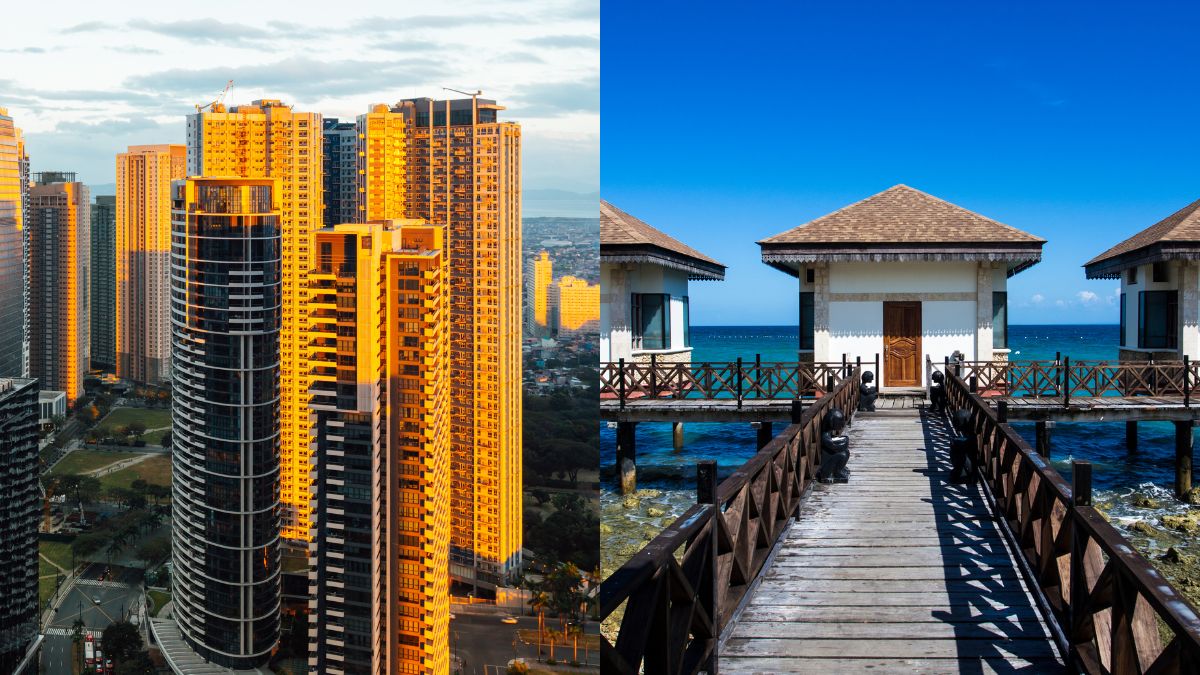
Determine Your Housing Needs and Preferences
Now that you have set the budget for owning a house, it’s time to consider factors that will maximize your potential purchase, such as the following:
- Is it near your work office, school, hospital, and other essential services?
- Does it have ample security in the neighborhood and has a potential for value appreciation?
You’ll want answers to these questions to help you decide which properties are worth investing in. Also, list down your must-haves and nice-to-haves, such as the number of bedrooms, additional facilities, and even specific amenities (such as swimming pool, gym, or indoor spa).
Conduct Property Research and Site Visits
While word of mouth can do wonders for your research, you can also utilize online property listings, real estate websites, and social media to find available properties in your desired area. Don’t miss out on property expos and seminars if you’ve got time on the side. They will help you get deals you won’t normally be offered through walk-in inquiries and open houses.
Moreover, you can schedule visits to shortlisted properties so you can inspect the quality of their construction, their neighborhood vibes, and any potential issues firsthand.
Choose a Reliable Developer or Seller
Before you set things in concrete, make it a point to look into the developer’s or seller’s track record. You can ask them or the people you know about their completed projects and customer feedback. If you’re a member of an online community for real estate property seekers, you can ask them to vouch for their trusted developers for free.
But more than anything, you need to ensure that your developer or seller has the proper permits, clearances, and land titles by researching their affiliations and years of experience in the industry to avoid unforeseen complications. You don’t want to get entangled in a legal dispute that will ruin your chances of landing better places to retire or invest in.
Safety Considerations
The safety of the area should be a top priority, with considerations for natural disasters, crime rates, and local government advisories. After all, the Philippines is a tropical country with the best and worst climates.
Also Read: What to Do When Getting Your Own Place, According to a 20-Something City Dweller
Steps to Securing Your New House
1. Review the Contract and Secure Financing
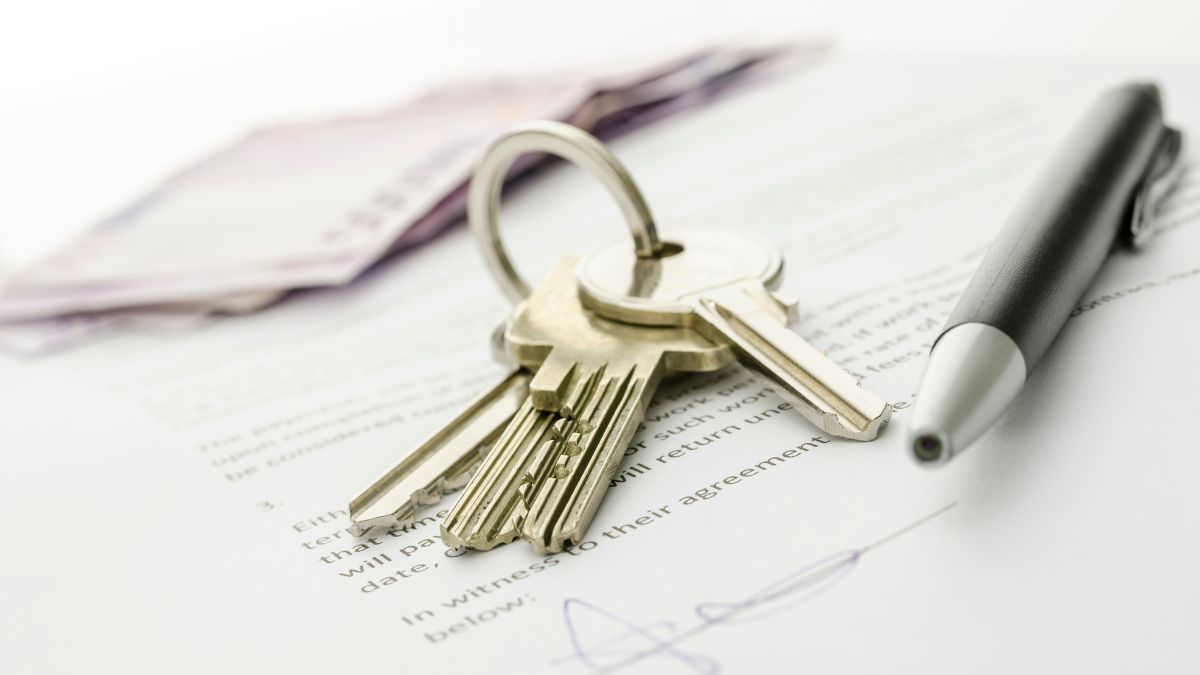
Once you negotiate the price and financing option with your agent or seller, go over your contract carefully to see if you’re understanding all the terms and conditions correctly before signing anything. To be sure, you can ask for legal assistance. Upon completing the necessary paperwork, you can submit your requirements for your chosen financing option so they can review your application. Make it a point to submit timely to avoid delays and unfavorable adjustments in prices.
2. Make the Purchase
Despite the fact that the value of real estate are appreciating these days, houses in the Philippines get easily sold due to the presence of affordable financing services. If you’ve found the house you’re willing to invest or retire in, you should make the required payment to secure the property. Keep your receipts and other proof of transactions for safekeeping. If applicable, you may need to also sign a mortgage agreement and set up a schedule for the remaining payments based on your agreed terms.
3. Process Ownership Transfer
Here comes the more stressful yet significant part of owning a house in the Philippines. You’ll need to work with your developer or seller to transfer the title to your name. This involves paying transfer taxes, registration fees, and other miscellaneous fees. Once you’ve paid in full and have completed the necessary documentation, you can now take occupancy of your new home. It’s time for that mandatory selfie with your house keys!
4. Move In
Now that you’ve secured your house, start planning your moving in. Hire reputable movers so you don’t run into lost packages containing your home furniture and appliances. You may also start setting up utilities such as water and power supplies. If your house is still bare and does not come with furniture, you may need to start purchasing home necessities. Still, once settled, you can start celebrating this significant milestone through a housewarming party with family and friends (or even invite local neigborhood!).
Also Read: Don’t Get Lost in Translation: The Terms You Need to Know When Buying a Home
Additional Tips When Buying A House
To make sure you don’t get lost in the process, keep these things in mind when planning to buy a house:
Hire a real estate agent.
Consider hiring a licensed real estate agent for professional guidance and assistance. Real estate agents can help you locate your ideal home, and they can also assist you through the legal and financial processes you need to go through when purchasing a house.
Make personal inspections.
Don’t just agree with anyone who introduces themselves as property assistants. Opt for property inspections facilitated by licensed real estate agents or licensed contractors to identify any hidden issues before finalizing the purchase.
Consider the location and establishments near your dream house.
While a home near the beach or the city proper is a dream for many, there are other places that can also give you value for money without compromising your ideal home. But this is still possible by setting your location preferences and expectations reasonably. Whether you prefer the bustling cities of Manila, Quezon City, and Davao, or the serene landscapes of Tagaytay and Dumaguete, each area offers unique benefits and challenges.
- Major Cities. In the city, you have easy access to amenities, healthcare, and entertainment. However, due to its zonal value and denser population, it may come at a higher cost than in rural areas.
- Countryside and Coastal Areas. If you’re aiming for retirement or an investment for your vacation home, the provinces and beaches provide the tranquility and natural beauty that you need. Here, the cost of living is lower, and you’ll never run out of things to do. However, depending on the area you choose, some areas might be too remote from hospitals or amenities — something to consider if you're thinking of purchasing a retirement home.
Also Read: How to Find a Condo For Rent That's Right For Your RTO Needs
Transaction Fees and Taxes
Buying a new home doesn't just mean paying for the house itself; there are also taxes and documents to consider. Here are some of the taxes you'll need to factor in on top of your dream home's price tag:

Capital Gains Tax (CGT):
Capital Gains Tax or CGT is a tax imposed on the gains from the sale of real property classified as capital assets, based on the Philippine Tax Code.
To determine your CGT, calculate the Gross Selling Price or the Zonal Value of the property, whichever is higher. Apply the CGT rate of 6% to this amount.
For example, if you sell a house for Php 2,000,000 and the Zonal Value is Php 1,800,000, you apply the 6% CGT rate to Php 2,000,000 (the higher amount), resulting in a CGT of PHP 120,000.
Documentary Stamp Tax (DST)
The Documentary Stamp Tax or DST is levied on documents facilitating the sale or transfer of real estate and other legal agreements in the Philippines.
For the sale of real property, DST is calculated based on the highest amount among the selling price, zonal value, or fair market value as determined by the tax declaration. As of the latest update, the rate is 1.5% of the aforementioned basis.
For instance, using the same property values as the CGT example: If the selling price is Php 2,000,000, and that is the highest value among the options, the DST would be Php 2,000,000 x 1.5% = Php 30,000.
Transfer Tax
Transfer Tax is imposed on the transfer of ownership of real property. The rate varies depending on the local government unit (LGU) where the property is located, typically ranging from 0.5% to 0.75% for provinces and 0.5% to 0.75% for cities/municipalities within Metro Manila.
To compute this, identify the applicable Transfer Tax rate based on the property's location. Calculate the base value on which the tax will be computed, which can be the sale price, zonal value, or fair market value indicated on the tax declaration, whichever is highest. Apply the local Transfer Tax rate to the determined base value.
Using our ongoing example, if the property is in a city within Metro Manila and the transfer tax rate is 0.75%, the Transfer Tax on the property sold for Php 2,000,000 would be Php 2,000,000 x 0.75% = Php 15,000.
Legal and Agent Fees
These should reflect on your budget for the cost of hiring a real estate agent and a lawyer to navigate the purchase process. Real estate agents typically earn through a commission based on the sale price of the property. Generally, the commission rate for real estate agents in the Philippines is about 3% to 5% of the property's selling price. This rate can differ depending on the agreement between the property owner and the agent, and possibly the type of property being sold.
On the other hand, the lawyer’s fees can be structured in several ways. For straightforward transactions, some lawyers may charge a fixed rate. This can range widely based on the services required, but it typically starts from Php 20,000 upwards.
Similar to real estate agents, other lawyers may charge a fee based on a percentage of the property sale price. Although less common, when it does occur, the rate can be around 1% to 5%. Lawyers may also charge based on the time they spend on your case. Rates can vary significantly, from about Php 2,000 to Php 5,000 per hour or more, depending on the lawyer's expertise and reputation.
Also Read: Your Guide to How Much You Should Have Saved Before Buying Your First Home
Buying a house is a complex but rewarding process. With thorough preparation, informed decisions, and patience, you can achieve your dream of home ownership in the Philippines, which will serve as your haven during vacations or even an investment you can gain earnings from toward your financial success.
Also Read:
The Rising Trend of Second Homes Outside of Metro Manila
This New Co-Living Space in Makati Makes Dormitories Work for Young Professionals
This Soon-to-Open Beach Town in Panglao Wants You to Come Back to Nature