
Guide to ePassports: What to Know About the Travel Document
These aren't your ordinary passports.

(SPOT.ph) Surprisingly, few realize that the Philippines has been issuing ePassports for years. It’s been so integrated in our travel norms that most of us might not even realize its function in our passports.
In 2009, the Philippines introduced the ePassport to “provide travelers benefits such as use of automated border clearance or e-gates, automated issuance of boarding passes, and faster travel arrangements with airlines.” This advanced passport variant incorporates an embedded microchip, which stores the traveler's photograph and biometric information. The ePassport has become a “world standard in travel documents.”
Since it was rolled out, the DFA and Philippine Embassy have been issuing ePassports instead of the traditional machine-readable passport (MRP). Essentially, a bulk of today’s passports are already considered as ePassports. So what should you know about it?
What is an ePassport?
Distinct from traditional passports, the ePassport features several high-level security measures, including electronic chips for storing biometric data and additional physical security features like holograms and watermarks. These enhancements not only make the e-Passport much harder to counterfeit but also facilitate a quicker, more reliable verification of the traveler’s identity at border controls.
Fees and processing times for the ePassport can vary based on the service chosen (regular or expedited) and your location (within or outside Metro Manila).
Do note that not all passports are ePassports as the ePassport has an integrated circuit chip or microchip where the biometrics data are stored. According to the DFA, here’s how know whether you have an e-Passport or a non-ePassport:
ePassport
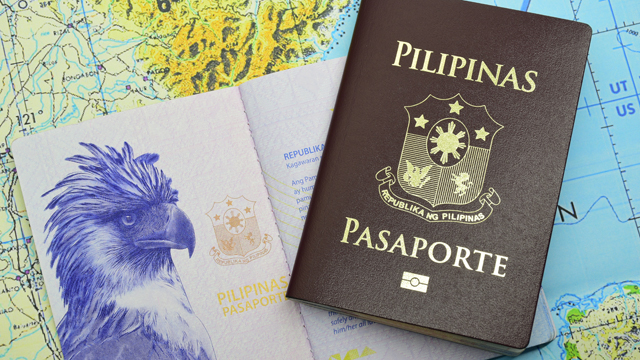
There is a chip sign or icon at the bottom portion of your passport’s front cover, which is the international symbol for the electronic passport.
Non-ePassport
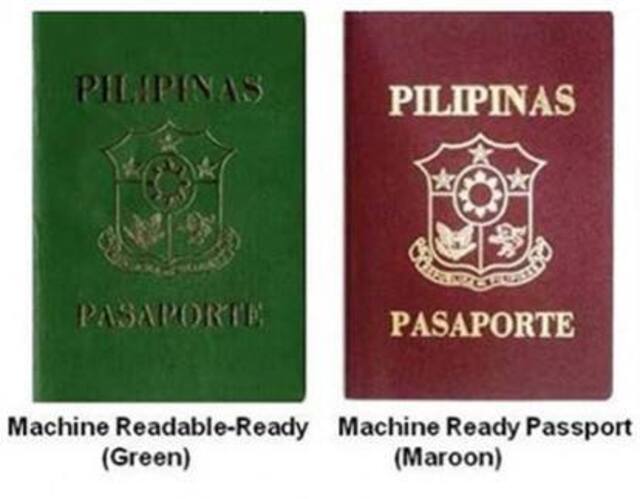
It may be green or maroon machine readable passports or any older passports before 2009. It doesn’t have the chip sign or icon on your passport front cover.
Also read: Online Passport Application Is Coming Soon on DFA's Website
How to renew ePassport in the Philippines
The process of renewing ePassports is essentially the same with a machine-read passport. Yup, there is no additional requirements for this advanced passport variation except for a personal appearance.
Here's a step-by-step guide on how to renew Philippine ePassports:
Book an online appointment
You'll need to schedule an appointment through the official DFA website.
Regardless of the nature of your renewal (e.g., regular renewal, lost passport, etc.), a personal appearance at the DFA office or Philippine consulate is mandatory for biometric data capture. This is the first and most crucial step to ensure you secure a slot for your passport renewal.
Prepare the documents
Essential documents include your current ePassport, a completed renewal application form, and any additional documents if your situation requires it like marriage certificates for name changes or birth certificates for minors.
Attend the appointment
Make sure to arrive at your designated DFA office on time, bringing all the necessary documents, including the printed appointment confirmation and eReceipt of your passport processing fee payment. The fee can be paid through various channels like banks, pawnshops, and online payment platforms such as GCash and PayMaya.
ePassport costs will vary from country to country, but it is more expensive than the traditional machine-read passport because of the added security features into the production cost. It's best to check with the Philippine Embassy in your country of residence for the price of the ePassport.
Verification and biometrics
Your documents will be verified at the DFA office. Next, you'll undergo biometric data capture, which includes having your photo, fingerprints, and signature taken.
Make sure to dress appropriately as the photo will be on your passport for the next ten years. Certain accessories like earrings and necklaces will not be allowed during the photo capture.
Claim the new passport
The Embassy or Consulate General receives and processes applications for ePassports, which in turn is sent to the Department of Foreign Affairs in Manila for printing and issuance. This will take six to eight weeks for the processing and release of passport to applicant.
After processing, you'll be given a receipt with a release date for your new passport. You can either pick it up personally at the DFA office or opt for courier delivery if available. Before leaving the Consular Office, check all the data on your passport to ensure it's correct.
Special cases for ePassport renewal
Special considerations apply to different situations, such as for minors, individuals with lost or damaged passports, or those requiring a name change due to marriage. Here are some of the common situations:
Each scenario has its specifics and might require additional documents based on the DFA's discretion or the applicant's unique circumstances. Here's a summary of the key points:
Lost passports
If the passport is lost and expired, the process will be treated as a new application. This requires an online appointment, an affidavit of loss in English, a police report for frequently lost passports, and a penalty fee. A photocopy of the last issued passport can substitute the birth certificate requirement if available.
Damaged or mutilated passports
Similar to lost passports, damaged or mutilated passports will also be treated as new applications. Applicants must provide an affidavit of explanation, surrender the damaged passport, and pay a penalty fee.
Minors
Special conditions apply to minors, including those not accompanied by parents, those in custody of one parent, or under guardianship due to various reasons like adoption or being a foundling. Requirements include personal appearances by the guardian or parent, relevant legal documents like DSWD clearance, letters of guardianship, affidavits of support, and possibly special power of attorney if the parent or guardian is not present during the application.
Also read: Philippine Passport Rises to 78th in World Power Ranking