GUIDE: Practical Tips For Buying a Condo in the Philippines
Your condo owner era starts now.

(SPOT.ph) Buying a condo unit anywhere isn't as simple as checking out an item online. It'll take lots of brain power to research and decide which condo you're getting, and you'll go through hoops — particularly paperwork, documents, and negotiations — before acquiring your dream place. That said, don't falter in your decision to invest in a condo unit.
Here are some helpful condo-buying tips to help you navigate the nitty-gritty of the process so you don't second-guess which steps to undertake and how you'll go about it.
Also Read: What To Consider If You're Buying A Condo In The Philippines
Documents you need to prepare before buying a condo
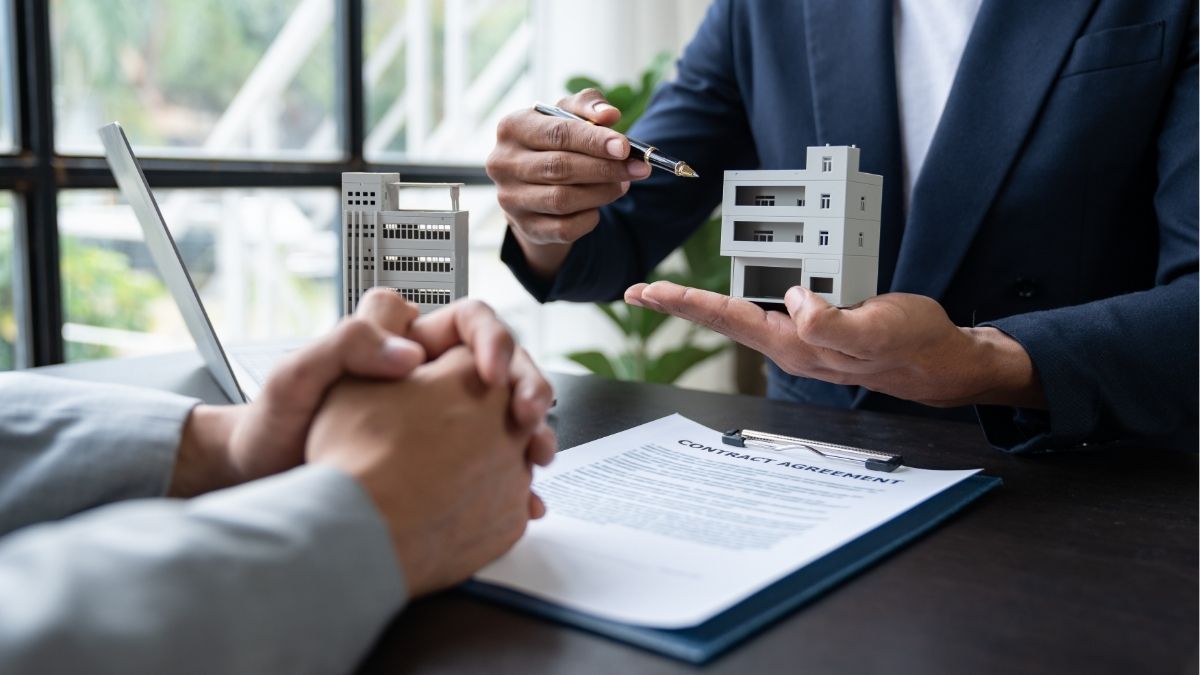
A condo purchase is considered an investment, which requires necessary paperwork to ensure that transactions are fair and legal for buyers and sellers. Once you’ve decided on the condo unit you intend to buy, you must first secure these documents:
Letter of Intent (LOI)
Also known as an offer to purchase, an LOI signifies your desire to acquire a property from the seller or developer. The LOI typically includes the property specifics, pricing terms, conditions, and financing details. While it isn't legally binding, the seller must sign the LOI and hold the property for an agreed-upon period once you've paid a reservation fee.
Reservation Application
Upon payment of the reservation fee, you will receive a reservation application that provides the property's complete address, type, size, and floor area, including preferred financing options and payment terms. This document serves to standardize the agreement between you and the seller. From here, the seller must also remove the unit from the market so no one else can get the same property.
Contract to Sell
This contract is provided by your broker or developer. It outlines the sales provisions that both parties must adhere to before completing the full payment for the property through home financing. Once these requirements are met, the developer will use the Contract to Sell as the foundation for the subsequent Deed of Absolute Sale.
Letter of Guarantee
If you've obtained a loan to cover the remaining balance for your condo unit, the bank or lending institution will provide a written guarantee to the developer. This guarantee includes specific information about your home financing loan, such as the loan amount and the scheduled release date. It's crucial to verify that the details in the Contract to Sell and the Letter of Guarantee align to prevent any potential legal complications.
Tax Declaration
As the condo unit's new owner, you must request the City Assessor's office to issue a Tax Declaration in your name. It signifies that you'll be responsible for all tax obligations going forward. To obtain the Tax Declaration, you must provide a copy of the property title and a photo of the purchased property.
Deed of Absolute Sale
The Deed of Absolute Sale is the final requirement you must provide to the Registry of Deeds. Upon submission, the Registry of Deeds will issue a Condominium Certificate Title, officially transferring ownership of the condo unit to your name.
We can't stress this enough: always review any contract and ensure that it includes all agreed-upon terms!
Condo Financing Options
One of the first things to consider when buying a condo is the financing option. Luckily, there are four options and flexible payment schemes available.
Spot cash
The term is straightforward: you'll use cash to buy the property from the condo developer. One of the pros of paying in cash is that you won't need to undergo a credit check from the bank or lending institution. However, you may exhaust your finances if you're not fully prepared.
In-house financing
In this type of financing, the condo developer acts as the lending institution. You can make a down payment of 10% to 20% and then pay the remaining balance through monthly installments. In-house financing typically involves less paperwork and faster processing compared to bank loans. However, a potential downside is that developers may charge higher interest rates, resulting in a higher loan balance and higher monthly payments.
Bank loan
When you take out a loan from the bank, you are essentially making an agreement with the bank to pay the real estate or condo developer. In return, you will make monthly payments or amortizations. The repayment period for the loan can be up to 20 years. Depending on your financial situation, you can borrow up to 80% of the total property price.
However, it's important to note that the property will serve as collateral for the loan and will remain under the bank's name until you have fully paid off the loan. Most banks also have strict policies regarding loan approvals and missed monthly payments.
PAG-IBIG Housing Loan
Pag-IBIG members have the option to utilize housing loan benefits for the purchase of residential property in the Philippines. Depending on the agreement, Pag-IBIG may deduct the monthly amortizations from your salary. An advantage of availing a house loan with PAG-IBIG is that you can borrow up to P6 million at low interest rates, starting at approximately 6%. Short-term and long-term repayment options are available, with a maximum payment period of 30 years.

Steps to Securing Your New Condo
1. Review the contract and secure financing.
After negotiating the price and financing options with your real estate agent or the seller, carefully review the contract to ensure you understand all the terms and conditions before signing anything. If you have any further concerns, seek legal assistance.
Once you have completed all the necessary paperwork, you can submit your requirements for your chosen financing option so they can review your application. Submit everything on time to avoid delays and unfavorable price adjustments.
2. Make the purchase.
If you've found the condo unit that ticks all your non-negotiables, it's time to take action. Make the required payment to secure the property. If applicable, you may need to also sign a mortgage agreement and set up a schedule for the remaining payments based on your agreed terms. Most importantly, keep your receipts and other proof of transactions for safekeeping.
3. Process the transfer of ownership.
This is arguably the most stressful yet most significant part of owning your condo unit. You’ll need to work with your developer or seller to transfer the title to your name. This involves paying transfer taxes, registration fees, and other miscellaneous fees. But trust everything will be worth it once you've paid in full and have completed the necessary documentation!
4. Move into your new condo unit!
A warm congratulations if you've made it to this step—it marks a significant milestone in your life. If you've secured your condo, start planning your moving in. Hire reputable movers so you don't encounter lost packages containing your home furniture and appliances. You may also start setting up utilities such as water and power supplies. If your condo unit is still bare, purchase home necessities one by one.
Buying a condo unit is a complex yet rewarding process. With thorough preparation, well-informed decisions, and patience, it's possible to achieve your dream of owning a condo in the Philippines.
Also Read:
10 Most Expensive Condominiums for Sale in Metro Manila
Your Guide to How Much You Should Have Saved Before Buying Your First Home
The New-Condo Starter Pack: 10 Essential Furniture Pieces to Buy First