

Unwrapping the Customs and Traditions Behind Angpao
It's not just something you see every December.
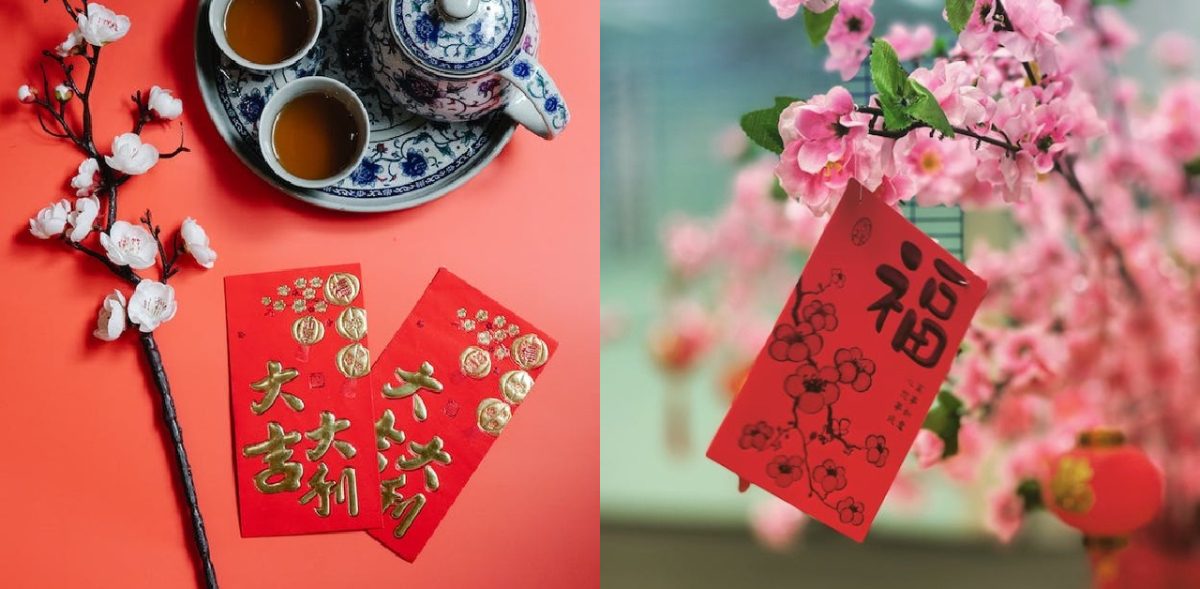
(SPOT.ph) The giving of angpao, a practice deeply rooted in tradition and goodwill, is a significant part of the Lunar New Year and various special occasions in the Philippines. This article delves into the history, customs, and evolving practices surrounding the iconic red envelope, aiming to enhance the understanding and appreciation of this cherished cultural symbol.
Also Read:
Top 10 Gift Certificates to Give (and Receive!)
Gift Guide: 30 Gift Ideas That Are P500 And Under Perfect for the Squad
Knowing More About the Angpao
The Origin of Angpao: A Tale of Protection and Prosperity
The origin of giving out these red envelopes is deeply rooted in tradition. It started with emperors distributing coins with stamped blessings on them. Some of these "blessings" are the ones we're all too familiar with—good fortune long life, the works. Because these are believed to have power because of the blessings, the recipients kept them and used the coins as charms or amulets. This went on until it became common practice.
The Red Envelope: More Than Just Money
While the monetary gift inside this envelope is always appreciated, the envelope itself carries significant weight. The color red symbolizes energy, happiness, and blessings, and is believed to convey positive wishes to its recipient. The designs on the envelope often represent longevity, prosperity, and good health, further enhancing the envelope's auspicious nature.
How Much to Put Inside Angpao: Cultural Practices and Taboos
When preparing an angpao, certain customs should be observed to maintain its traditional value:
- Avoid denominations with the number "4" as it is associated with death.
- Opt for amounts including the number "8," which symbolizes luck.
- Always give fresh, crisp bills to signify prosperity and respect.
- Be mindful of the envelope's design, choosing ones that align with your wishes for the recipient.
Here are other angpao-related practices that some people observe:
- If you're giving away angpaos during happy occasions, an amount with an even number is preferred, except the number 4 (see reason above).
- In some cases, "9" is also acceptable because in Mandarin, "9" and "long life" sound similar.
- Some minority groups prefer to give away amounts with odd numbers in angpaos because these are quite difficult to split (read: difficult to split = difficult for the couple to be separated).
In general, even numbers = happy occasions, odd numbers = funerals.
The Recipients of Angpao: A Social Custom
Traditionally, angpaos are given to specific groups during the Lunar New Year:
- Elderly parents receive larger sums from their adult children as a gesture of gratitude and well-wishing.
- Young children are gifted angpaos by their parents or grandparents to wish them luck for the upcoming year.
- Employers often distribute angpaos to employees.
- Married individuals give to those who are unmarried.
Angpao Etiquette: Giving and Receiving with Grace
Understanding the etiquette of angpao is crucial for both givers and receivers:
- Married individuals typically give these red envelopes to younger, unmarried relatives. However, this practice can vary based on cultural nuances and personal preferences of the giver and the receiver.
- It is respectful to use both hands when giving or receiving an angpao while thanking the giver profusely.
- One should avoid opening the angpao in the presence of the giver, as it is considered impolite. Rather, it should be opened in private.
- Only use the money inside the angpao if you absolutely need it. No, milk tea cravings don't count.
The Joy of Giving: Angpao as a Symbol of Generosity
Giving an angpao is not just about the monetary value; it's a gesture of goodwill and generosity. It's a way to share blessings and wish prosperity upon others, reinforcing social bonds and communal harmony.
Celebrating Tradition with a Modern Twist
The practice of giving angpao continues to thrive, adapting to modern times while preserving its cultural essence. Whether in physical form or digital, the spirit of giving remains a core aspect of the tradition, fostering connections and spreading joy during festive seasons.
Aside from the traditional red envelopes that we usually see being given as gifts, an alternative is to use mobile wallets to send the money to the recipient. This is a great option for those who don't want to bother with reserving crisp bills from the bank or for those who can't make it to the festivities and personally meet the recipient of the gift, among other possible reasons.