
What We Know So Far About the JN.1 COVID Variant
It was first detected in the U.S. in September.
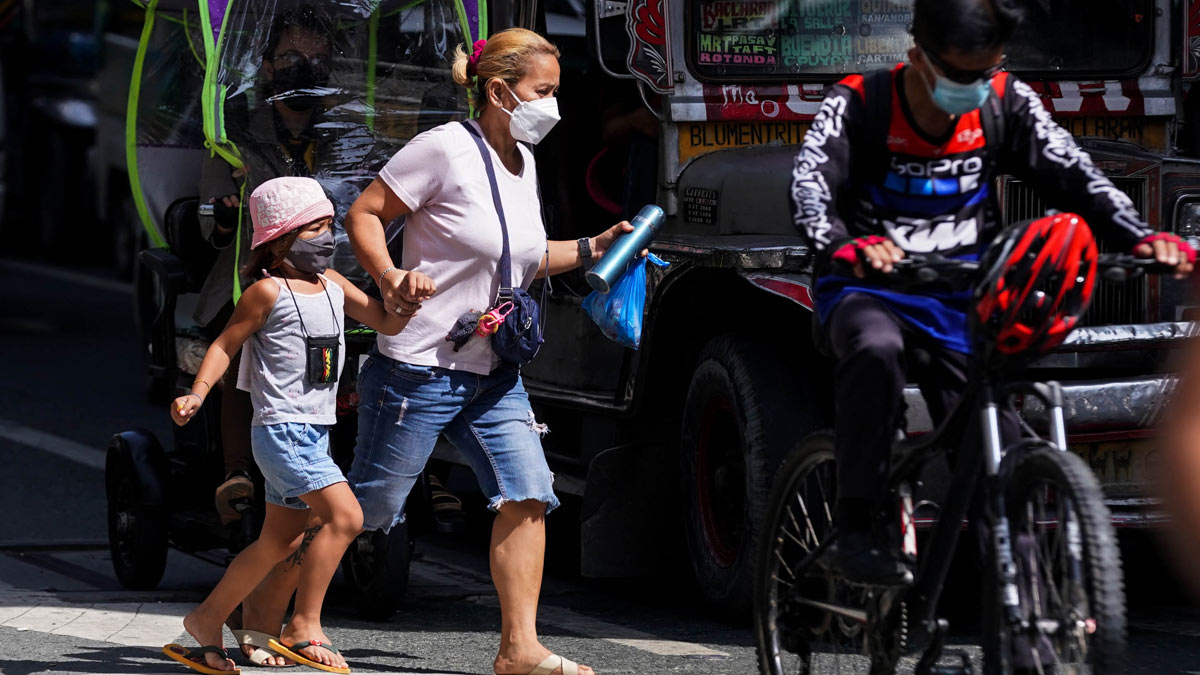
(SPOT.ph) COVID-19 was first declared a global health emergency by the World Health Organization (WHO) in January 2020. Millions of people died, businesses were forced to shut down, and the whole world's medical capacity was put to the test. While it's officially not an international crisis anymore, according to the U.N. health agency, it's not yet ever.
The latest SARS-CoV-2 variant is JN.1, which has been classified as a "variant of interest" by WHO. It was first detected in the United States in September 2023.
JN.1 COVID Variant, Explained
JN.1 is technically a subvariant of the Omicron variant, specifically branching from the BA.2.86 substrain. The latter is referred to as Pirola.
Initially detected in September, JN.1 has since been recorded in at least 12 countries, accounting for a significant and growing percentage of COVID-19 cases. As of early December, it represented between 15% and 29% of infections in the U.S., a notable increase from the previously reported 8%.
Symptoms of the JN.1 COVID Variant
The Centers for Disease Control and Prevention and other health authorities are closely monitoring JN.1's trajectory. Despite its lineage from a highly mutated substrain, there is currently no evidence to suggest that JN.1 causes more severe illness or presents with symptoms that are significantly different from other circulating variants. Common symptoms reported include fever, coughing, shortness of breath, fatigue, muscle aches, and other typical signs associated with COVID-19. However, it is important to note that the type and severity of symptoms can vary greatly depending on individual immunity and health history.
Vaccine Against JN. 1 COVID Variant and Other Ways to Avoid Transmission
Preliminary studies indicate that the latest vaccines and treatments for COVID-19 are expected to remain effective against JN.1. This is reassuring news as the variant's rapid spread suggests it may be more transmissible or capable of evading existing immunities better than its predecessors. Nonetheless, WHO has assessed the overall risk associated with JN.1 as "low," and the CDC has not signaled an increase in disease severity at this time.
The emergence of JN.1 comes at a time when the U.S. and other countries are experiencing a surge in respiratory illnesses, including flu. Health experts continue to recommend vaccinations, testing before family gatherings, and other preventative measures, such as masking in crowded settings to mitigate the spread of respiratory viruses.
Frequently Asked Questions About JN.1 COVID Variant
What is the JN.1 variant?
JN.1 is a variant of the SARS-CoV-2 virus classified by WHO as a "variant of interest."
Is JN.1 more dangerous than other variants?
Current evidence indicates that JN.1 does not pose a greater risk of severe disease compared to other variants2.
How can you protect yourself from JN.1?
Follow standard COVID-19 precautions, including vaccination, mask-wearing, social distancing, and hand hygiene.
Will current vaccines work against JN.1?
WHO states that current vaccines are expected to protect against severe disease from JN.12.
How widespread is the JN.1 variant?
JN.1 has been detected in multiple countries and accounts for a significant percentage of cases in the U.S.
Will the JN.1 variant enter the Philippines?
In a radio interview with Philippine College of Physicians (PCP) president Dr. Rontgene Solante, as reported by Philippine Star, he said: "I think we need to monitor this one. I don’t know if it has been detected in our surveillance, but given the fact that it is in neighboring countries and we do not have travel restrictions, in due time it will be here as well." Still, the physician said that the rising number of COVID-19 in the country should not cause panic since respiratory illnesses really increase during cold weather.