(SPOT.ph) It used to take a lot of imagination to visualize Manila as the Perlas ng Silanganan (Pearl of the Orient). When the Philippines’ economic center decamped to Makati in the 1960s, downtown Manila went into a period of slow decline. The glitz and glamor of Escolta and Avenida were replaced by decades of neglect and indifference.
Thankfully, numerous restoration projects around Manila made the city a lot more Instagram-worthy. The revival of our capital’s historic charm started with the creation in 1979 of the Intramuros Administration which painstakingly recreated the Spanish period architecture of the Walled City. This was followed by the reinvigoration of the National Museum Complex around Luneta, which now displays the country’s best collection of fine art, anthropology and natural history artefacts. These places have since become the staple of the tourist, school field trip and balikbayan circuit.
Most recently, the restoration efforts have spread to the Arroceros and Binondo areas. Unlike Intramuros’ Spanish-era churches and fortifications that symbolize our colonization by the cross and sword, the American-era bridges, theaters, and office buildings embody an economically dynamic archipelago preparing for independence. Through structures designed by our first set of local starchitects: Juan Arellano, Tomas Mapua and Andres Luna de San Pedro, our fledgling nation began flexing the talents of the Filipino visionary.
We now can see the beginnings of a larger walkable heritage zone comprised of Intramuros, Luneta, Quiapo, and Binondo that should become a wonderland for sightseeing, learning, eating, and shopping. This photo collection is from a recent walkabout to see the newly revived buildings. While more needs to be done to make the areas clean, organized and pedestrian-friendly, our remaking Daniel Burnham’s vision call for a Manila City Beautiful seems to be close at hand.
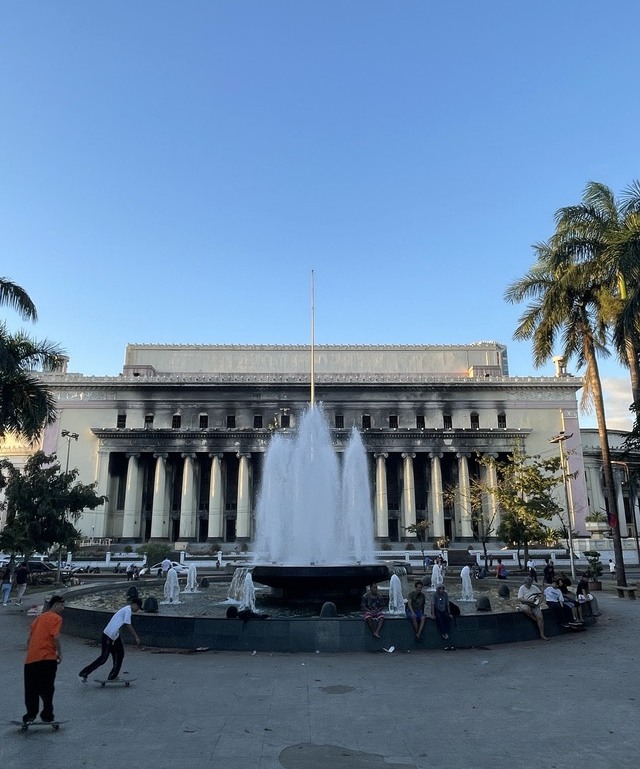
The centerpiece of downtown Manila is Juan Arellano and Tomas Mapua’s masterpiece: the Central Post Office building. Despite the May 2023 fire, the building retains its understated neoclassical grandeur. The building and the expansive Liwasang Bonifacio right in front are both begging for a full restoration. I hope the building can be converted into a hotel or a museum, so that it can become the central attraction for visitors to the area.
PHOTO BY Robby Galang
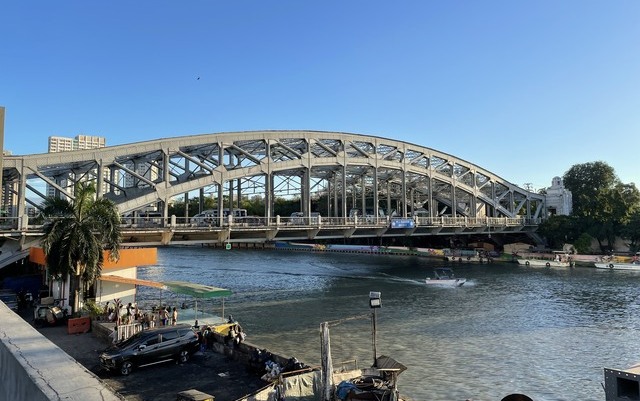
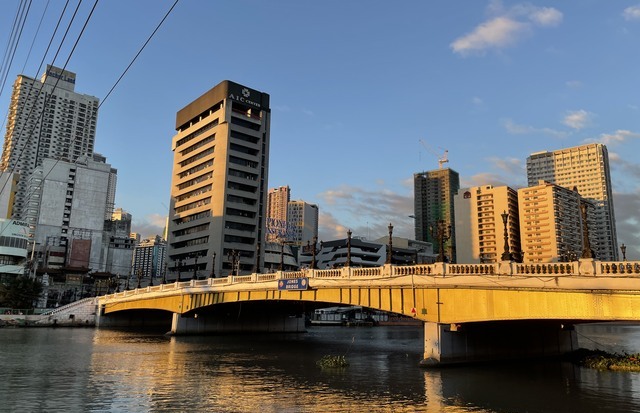
The art deco Quezon Bridge is easily the coolest bridge along the Pasig River. Thanks to new viewing decks from either the New Quinta Market from which this photo was taken or the expanded Arroceros Forest Park across the river, the bridge’s silhouette can be seen in its full glory, allowing visitors to ponder whether its design was really inspired by that larger version spanning Sydney Harbor.
PHOTO BY Robby Galang
Article continues after this video.
ADVERTISEMENT
watch now
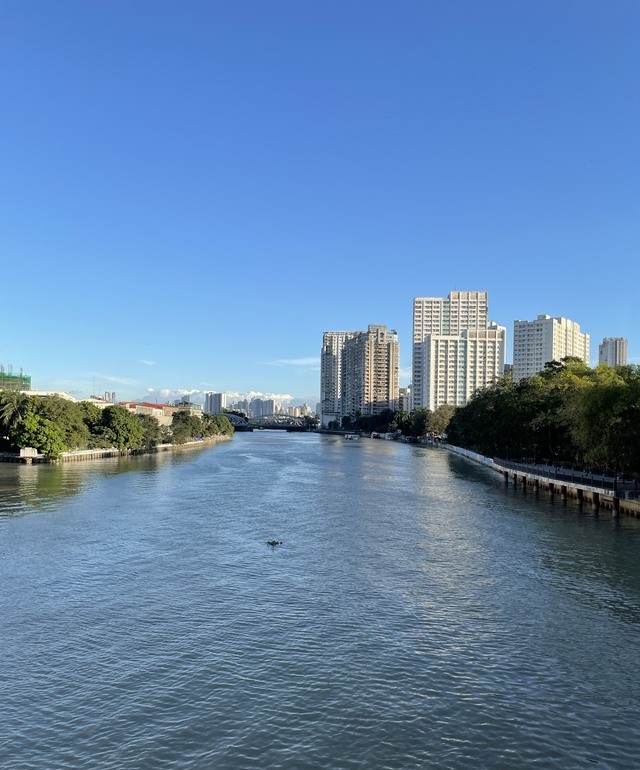
The bridges around this area allow for dramatic views of the Pasig River. Thanks to constant clean-up efforts since the 1990s, the Pasig is now blue during our sunniest days. But crossing Quezon Bridge where this photo was taken is not for the faint of heart. Quezon Bridge needs the same love accorded to its more famous brother slightly downstream, the Jones Bridge.
PHOTO BY Robby Galang
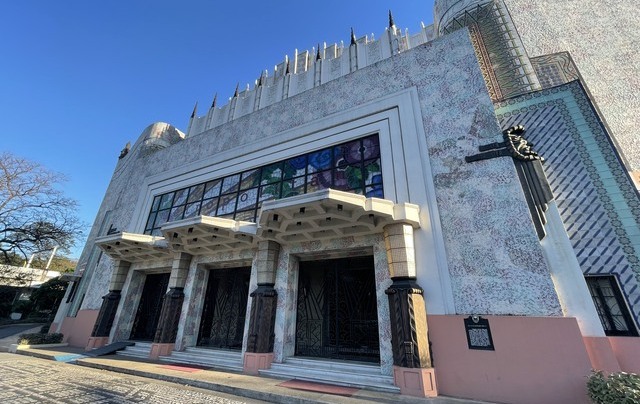
The more flamboyant Juan Arellano masterpiece is the art deco Manila Metropolitan Theater. Fully restored in 2021, the Met has become another reason to go downtown and watch plays, dance recitals, and other live performances. The interiors of the Met are even more spectacular, with murals by Fernando Amorsolo and bas relief mangoes and bananas on the ceiling by Isabelo Tampinco.
PHOTO BY Robby Galang
Article continues after this ad.
ADVERTISEMENT - CONTINUE READING BELOW
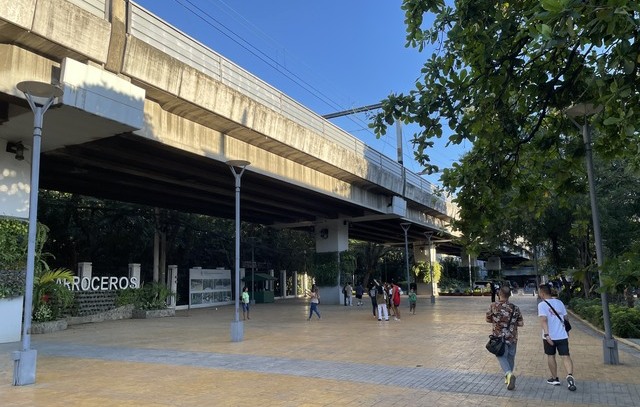
One advantage of visiting this area is that it is within walking distance of two LRT stations, Central and Carriedo, and three Pasig River Ferry Terminals: Quinta, Lawton and Escolta. The area under the LRT Central Terminal right beside the Met has been converted into a pedestrian zone, which makes the reinvigorated Arroceros Park all the more inviting.
PHOTO BY Robby Galang
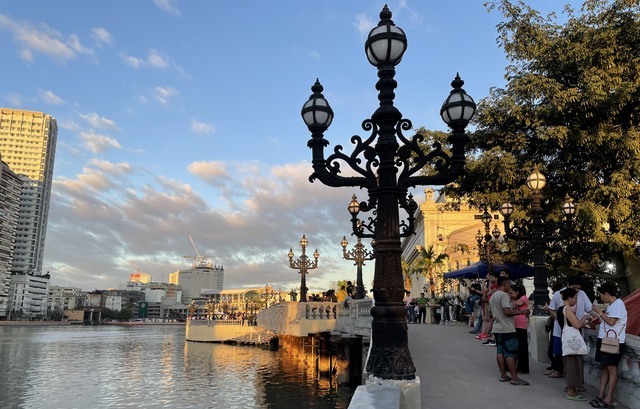
The government’s latest project is the Pasig Esplanade. This mega-project is designed to create a pedestrian path along both banks of the 25-kilometer stretch of the Pasig River. The first 500 meters of the project was opened to the public in January 2024, and it attracts multitudes of tourists especially when the sun goes down.
PHOTO BY Robby Galang
Article continues after this ad.
ADVERTISEMENT - CONTINUE READING BELOW
The Jones Bridge was restored in 2019 with the addition of lampposts, better pedestrian access and the reinstallation of three of the four statues that used to guard its entrances. The Jones Bridge today more closely mimics the 1919 version designed by Juan Arellano. The signature lampposts have made the bridge fully iconic—making that out-of-place MMDA sign fully superfluous.
PHOTO BY Robby Galang
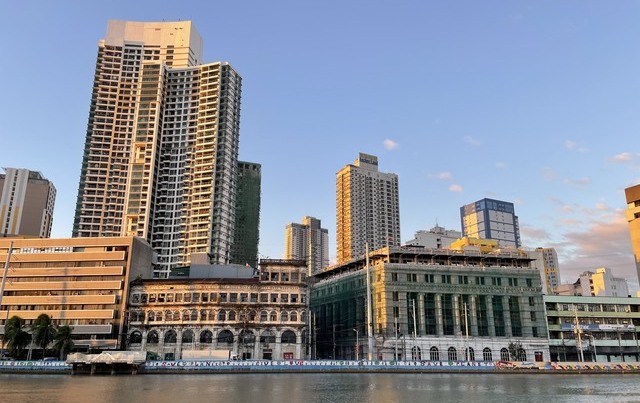
The Binondo waterfront along the Pasig River has a few American period buildings. The Juan Luna building (second from right) is undergoing a second restoration after the 2018 fire. The building is getting its old signage back as the former headquarters of the First National City Bank of New York, now known as Citibank. But can someone please restore El Hogar (second from left)?
PHOTO BY Robby Galang
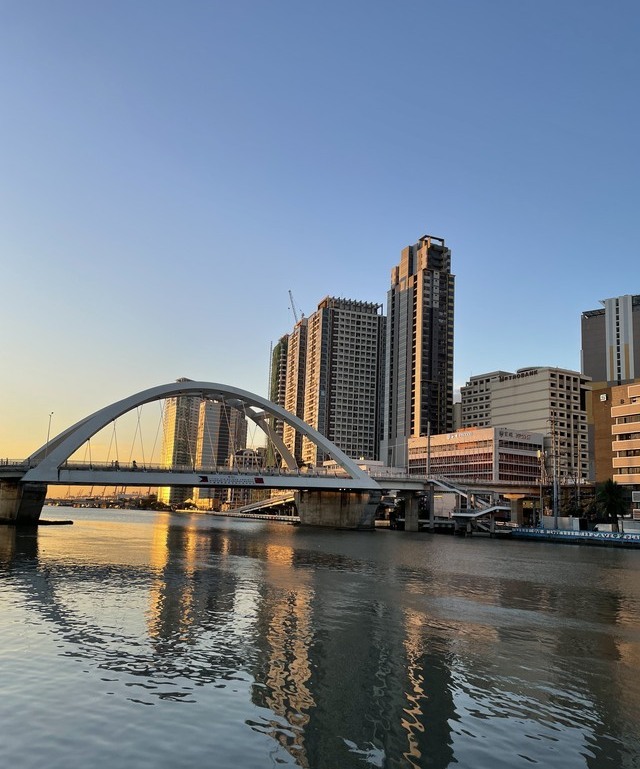
Inaugurated in 2021, the Intramuros - Binondo bridge is the newest bridge along the Pasig River. The bridge provides greater connectivity in the area not just for cars, as it is surrounded by pedestrian promenades along both banks.
PHOTO BY Robby Galang
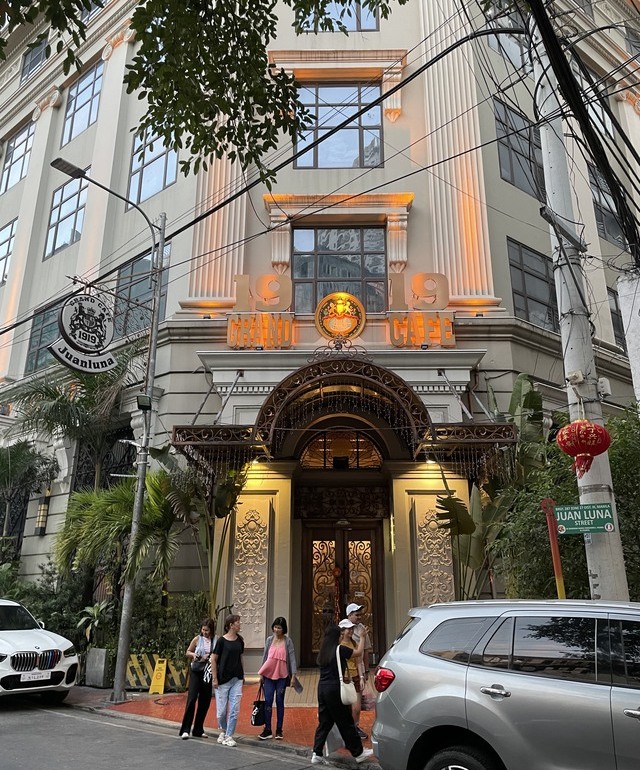
A block away from the former Citibank is the former headquarters of HSBC, the oldest foreign bank operating in the Philippines since 1875. The building now houses Grand Café 1919 which makes for a great stopover to a visit to the area.
PHOTO BY Robby Galang
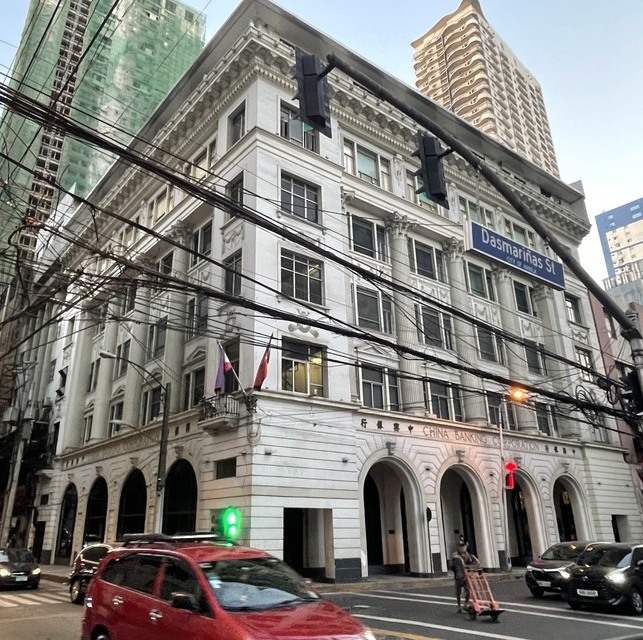
Around the corner from HSBC is another former bank headquarters. The China Banking Corporation building was fully restored in 2020, just in time for the 100-year anniversary of the bank’s foundation.
PHOTO BY Robby Galang
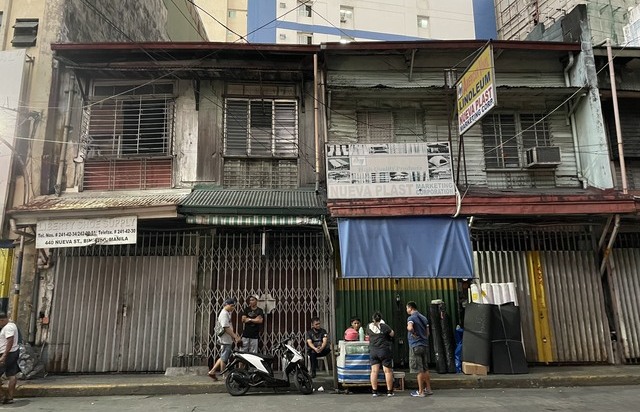
Binondo’s architectural history is not just about the grand banks and corporations. Binondo is home to many small and medium enterprises, many of which started in shophouses like these. Shophouses were made iconic by Singapore’s heritage conservation process, but few realize that the world’s oldest shophouses were designed in Manila. Locally called accesoria, a number of them still stand in Binondo.
PHOTO BY Robby Galang
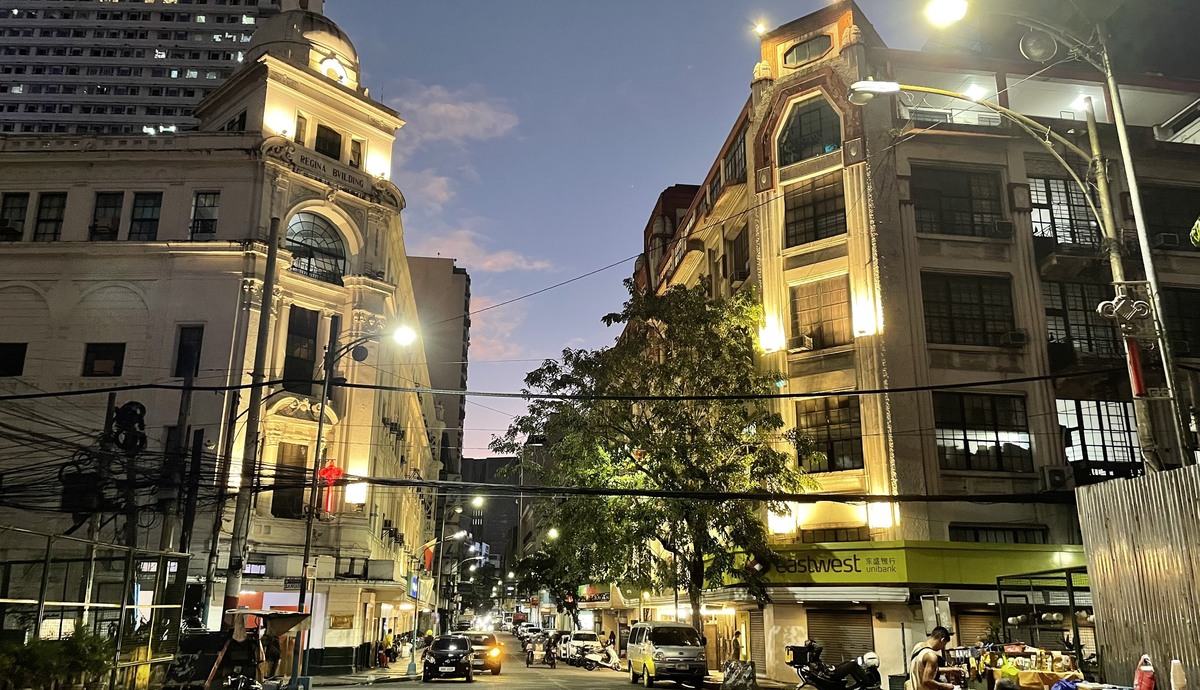
The bookend for a walk needs to be in Escolta, once the premiere shopping street in all of the country. From this plaza one can see the twin masterpieces of Juan Luna’s son, Andres Luna de San Pedro: The Regina Building (left) and the First United Building (right). These buildings are a testament to a once vibrant entertainment zone–that sadly still rings quiet–even on a Saturday evening.
PHOTO BY Robby Galang
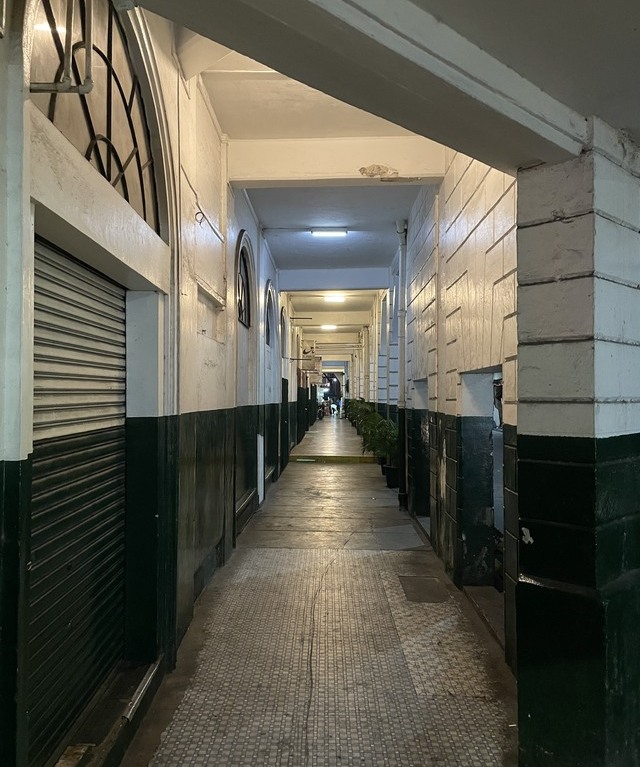
These corridors must have been filled with shoppers, visitors and pedestrians going around 1930s Escolta. Let’s hope these restoration projects lead to the return of tourists and consumers.
PHOTO BY Robby Galang
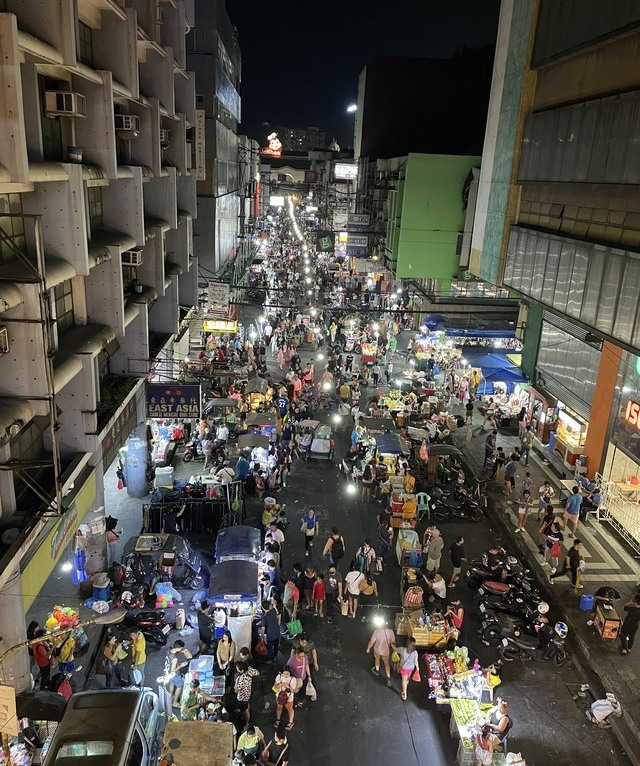
Beside the eerily quiet Binondo are the vibrant streets of Quiapo. Fully pedestrianized, the night market has become a destination of its own, just steps away from Carriedo station. Pedestrianizing Escolta and other streets of Binondo can hopefully lead to more shopping streets and the full revival of our original downtown.
PHOTO BY Robby Galang
Robby Galang is Dean of the John Gokongwei School of Management of Ateneo de Manila University. He is also a former history teacher and is a member of the Philippine National Committee of the International Committee for the Conservation of the Industrial Heritage (TICCIH).
We use cookies to ensure you get the best experience on Spot.ph. By continued use, you agree to our privacy policy and accept our use of such cookies. Find out more here.