
Philippine Folk Dance: A Guide to History, Types, and More
Philippine dance is beautifully influenced by its rich history.

(SPOT.ph) Before TikTok dance challenges, there was Philippine folk dance.
Do you remember the clash of the bamboo as you desperately try to keep the timing during tinikling? How about the difficulty of balancing candle jars on your hands and head as you learn the choreography of pandanggo sa ilaw?
Each native Filipino dance is a living testament to the country's rich history and heritage. They are more than a school requirement but also a complex blend of nostalgia and postcolonial revisions.
These dances, from the graceful movements of the cariñosa to the energetic beat of the maglalatik, showcase the resilience and spirit of the Filipino people, scars and all. As a Filipino, you must understand these dances to embrace your national identity.
Also Read:
Sawsawan Is Forever: Why Patis, Toyomansi Outlasted the Pandemic
The SPOT.ph Guide to Filipino Food
Spot Shelf: Isang Dekadang Resty Is a Relatable Novel About the Child of an OFW
5 Exciting Things About the CCP’s Pasinaya 2014
10 Unintentionally Funny Barangay Names From Around the Philippines
Read the following list to learn more about the traditions behind these captivating performances.
A Brief History of Philippine Folk Dance
From the spirited beats of indigenous rituals to the graceful movements of Spanish-influenced court dances, Philippine dance is beautifully influenced by its rich history. Let’s look back at its cultural evolution.
Pre-colonial
Before the arrival of foreign influences, the country boasted a rich tradition of cultural dances rooted in animistic rituals, community celebrations, and war preparation. Pre-colonial dances were vital for ceremonies, storytelling, and social cohesion as forms of artistic expression.
The Cordillera ethnic dances are prime examples. The banga dance is a Filipino tribal folk dance from the Kalinga people. It showcases Kalinga women dancing with several pots stacked on their heads to showcase the daily hardship of gathering water.
Spanish Colonial Era
The 16th-century arrival of Spanish colonizers significantly altered the trajectory of Philippine folk dance. European influences fused with indigenous expressions, giving rise to a new genre of dances. Christianized Filipinos, under colonial rule, often engaged in dances centered around courtship and festival celebrations.
The gaway-gaway, a folk dance from the Waray tribe, is named after their staple crop. The dance mimics the steps of harvesting and processing crops, often with straw trays. Another example is the subli, a colonial festival dance known for the male dancers’ bent-over postures throughout the performance.
American Occupation
The American colonial era in the early 20th century introduced elements of modernization that influenced folk dances. Post-World War II, folk dances became tools of cultural preservation and nationalistic expression.
Even to this day, dance troupes like the Philippine Bayanihan National Folk Dance Company continue to perform and evolve traditional dances to preserve history.
Most Popular Philippine Folk Dances
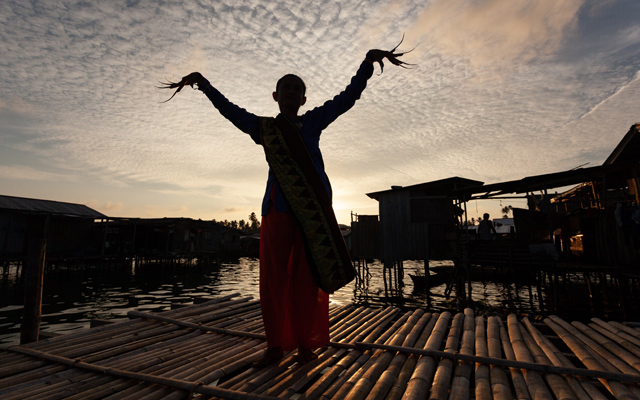
The dances you’re familiar with will most likely vary depending on which region you’re from. However, here are some of the most famous examples of ethnic folk dances in the Philippines.
Alitaptap
The Philippine folk dance alitaptap, or firefly dance, originates from Batangas and its resident Tagalogs. The dance portrays the flickering movements of fireflies through intricate footwork and hand gestures—flashing on and off just like its namesake insect.
Arigay
The arigay folk dance is a lively courtship ritual imitating the movements of roosters and hens. The dance’s many kicks and arm flapping require subtle grace and coordination to make the movements appear erratic.
Bulaklakan
Perhaps the most colorful entry on this list, the bulaklakan dance is a festive folk dance with flower garlands and equally colorful costumes. Dancers wave around the vibrant props while they coordinate their footwork and step in formation.
Cariñosa
The Filipino cariñosa dance is from the Maria Clara suite of Philippine folk dances. These dances feature beautiful choreography and use Spanish colonial outfits and props like handkerchiefs or hand fans.
Itik-itik
The itik-itik Philippine folk dance is a playful, paired dance based on the movements of a duck. Dancers portray a narrative of courtship and flirtation through graceful and whimsical steps.
La Jota Moncadeña
The Philippine folk dance Lla Jota Moncadea seamlessly blends Filipino flair with Spanish elegance. Dancers, often in male-female pairs, execute graceful ballroom-style footwork. It’s one of the few Filipino folk dances involving castanets—a Spanish percussion instrument.
Maglalatik
The Filipino war dance maglalatik involves coconut shells and symbolizes the fight between Moros and colonizers over latik. In this folk dance, the clash of the coconuts resembles the sounds of battle, with dancers skillfully manipulating their bodies like instruments.
Pandanggo sa Ilaw
The pandanggo sa ilaw is a visually stunning dance involving balancing lighted lamps or candles on the dancer’s hands and heads. This Filipino folk dance with candles showcases the dancers’ grace and agility in a dazzling display of lights.
Salakot
Hailing from the Mindanao region, the salakot Philippine folk dance features salakot hats, typically with vibrant designs. The dancers often incorporate movements to draw focus to the salakot hats they carry.
Singkil
The singkil, a renowned Philippine dance, hails from the Maranao people, a Muslim group in Mindanao. Dancers adorned in extravagant costumes narrate the adventures of a Maranao princess. Another iconic Philippine folk dance from the Maranao is the Kappa Malong-Malong.
Tinikling
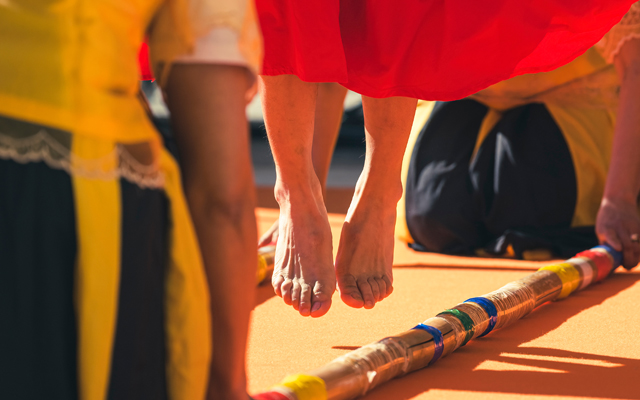
The tinikling, a traditional Philippine folk dance with sticks or bamboo, is probably the most recognizable in this list. Dancers showcase slick footwork and perfect timing to avoid clashes with the bamboo sticks. The rhythmic pattern of the poles echoes the playful origin of the dance, inspired by the movements of the tikling bird.
Philippine Folk Dance FAQs
Here are some frequently asked questions about native dances in the Philippines.
Are there efforts to promote Philippine folk dance internationally?
Yes, there are active efforts to promote Philippine folk dance on the international stage. Cultural exchange programs, international dance festivals, and performances by Filipino dance troupes globally showcase the richness of the practice.
Is Philippine folk dance still taught today?
Absolutely. Philippine folk dance is taught both within the Philippines and internationally. To foster a continued appreciation for this cultural heritage, schools, cultural institutions, and dance groups offer classes to preserve and pass on these traditions to new generations.
What are the common themes in Philippine folk dances?
Common themes include:
- Courtship
- Harvest celebrations
- Religious rituals
- Narratives from daily life
Dances also often incorporate storytelling elements, conveying emotions and cultural stories through their movements.
The Footprints of History
Peek into Filipino culture through dance! You can observe the long and storied history of the Philippines through each carefully choreographed step of every dance. Philippine arts and culture is an engaging and effective way to celebrate history in motion.