
Guide to Rabies: What Are the Symptoms + Where to Get Treatment in Metro Manila
Not all animals carry the disease by default.
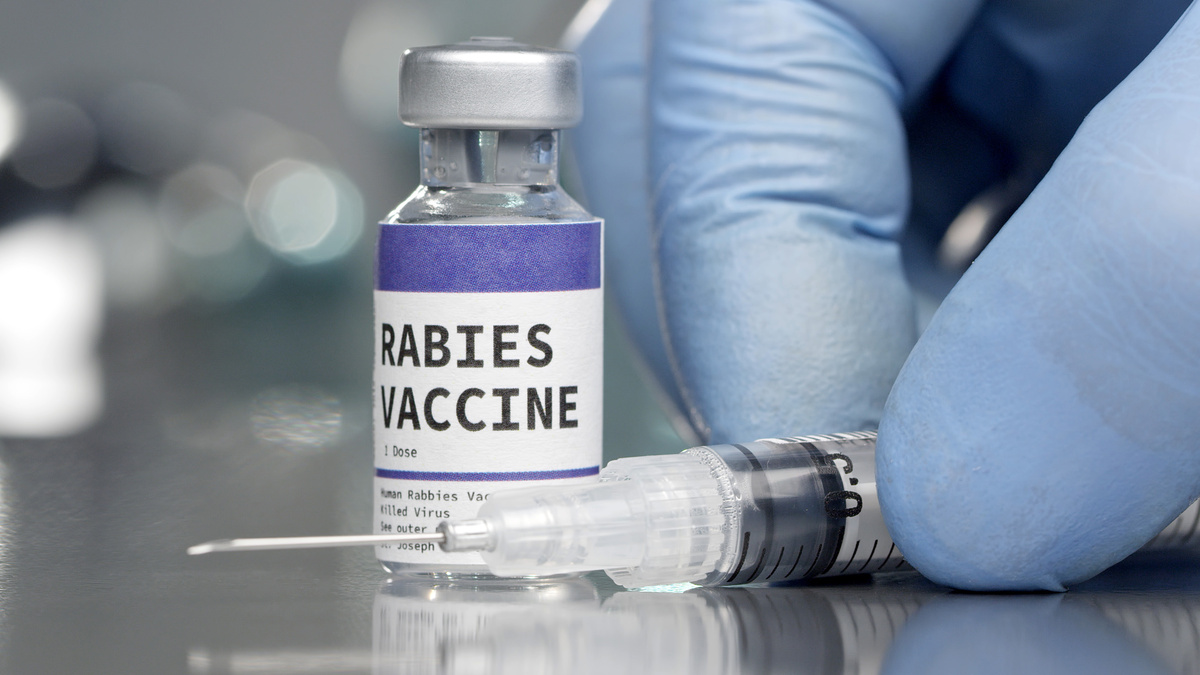
(SPOT.ph) In a surprising turn of events, the Philippine Animal Welfare Society (PAWS) has confirmed that Golden Retriever Killua tested positive for rabies virus in a test conducted by the Bureau of Animal Industry (BAI), which could explain her supposed erratic behavior in the hours before her death.
It can be recalled that the suspect Anthony Solares from Camarines Sur said he did what he had to do to protect an elderly person from being bitten by Killua.
“Ginawa ko lang ‘yung nararapat,” Solares said in a News5 interview on March 20. “Talagang wala na sa sarili ‘yung aso. Wala na. Lahat ng nakasulubong niya, parang gusto niya pang kagatin kaya wala na ko ibang naisipan…baka maka-ano pa ng ibang tao.”
However, PAWS also noted that the positive test result might not accurately represent the situation as the Killua's body "had already been buried for five days prior to testing." It might have also "been contaminated from being in an area where many stray dogs have already been slaughtered" as Solares was reportedly planning to engage in dog meat trade.
Regardless, PAWS Head Anna Cabrera told Rappler that an animal having rabies doesn’t justify its killing. There are ways to spot the disease and properly handle infected animals—and what happened to Killua was not right.
So how does one go about handling an animal with rabies? We look at how to identify the signs of rabies in animals, understand its transmission, and take appropriate steps to protect yourself and your pets.
Also read: #JusticeForKillua Trends After Golden Retriever Was Found Lifeless in a Sack
How to spot rabies in animals
It’s important to note that not all animals carry the rabies virus by default.
Rabies is a viral disease that affects the central nervous system, leading to severe neurological symptoms before causing death. It is transmitted through the saliva of infected animals, typically through bites. It can affect all mammals, including dogs, cats, bats, and humans.
Once symptoms appear, rabies is almost always fatal, which is why prevention is key. In the BAI’s Manual of Procedure for Rabies, the standard protocol for an animal suspected to be afflicted with rabies is for it to "be observed for fourteen (14) days or, in case of highly suspected rabies cases, be humanely euthanised with no damage to the head" as PAWS noted in a post.
Rabies symptoms can manifest in two ways: furious rabies and dumb rabies.
Furious rabies
Animals with furious rabies exhibit extreme behavioral changes. They may become aggressive, attacking other animals, objects, or even their own limbs. These animals may also exhibit:
- Excessive salivation or foaming at the mouth
- Hyperactivity
- Fear of water due to difficulty swallowing
Dumb rabies
Animals with dumb rabies show signs of paralysis and weakness. This form can be harder to detect because it's less dramatic, but look out for:
- Drooping head or neck due to paralysis
- Loss of coordination
- Difficulty swallowing, leading to excessive salivation
Also read: Before Killua: This Aspin Was Killed After Being Mistaken for Another Dog
What to do if you suspect an animal has rabies
Do not approach
Rabid animals can be highly unpredictable and may exhibit aggressive behavior. Approaching them puts you at a significant risk of being bitten or scratched, which could transmit the rabies virus to you or your pets. It's crucial to maintain a safe distance from any animal showing signs of rabies.
Contact local authorities
Report the animal to local animal control or public health departments. They can safely capture and test the animal for rabies.
Protect your pets
Ensure your pets are annually vaccinated against rabies as this is the most effective way to protect them against the virus.
It’s also important supervise your pets when they are outdoors as interacting with stray animals carries inherent risks. If you encounter a stray animal while walking your pet, it's generally best to avoid direct interaction to minimize the risk of disease transmission.
Seek medical advice
If you or your pet has been bitten or scratched by an animal suspected of having rabies, seek medical attention immediately. Prompt treatment after exposure can prevent the onset of symptoms and death.
For humans, this means washing the wound thoroughly with soap and water and then seeking medical attention to assess the need for rabies post-exposure prophylaxis (PEP), a series of vaccinations that can prevent the virus from causing illness.
For someone who has never been vaccinated against rabies, the typical schedule includes four doses, administered on the day of exposure, and then on days 3, 7, and 14 after the first vaccination. For those who have been previously vaccinated, the protocol is typically two doses: one immediately after exposure, and another three days later, as the body has been primed to respond more rapidly to the virus due to prior vaccination.
Where to get rabies vaccination in Metro Manila
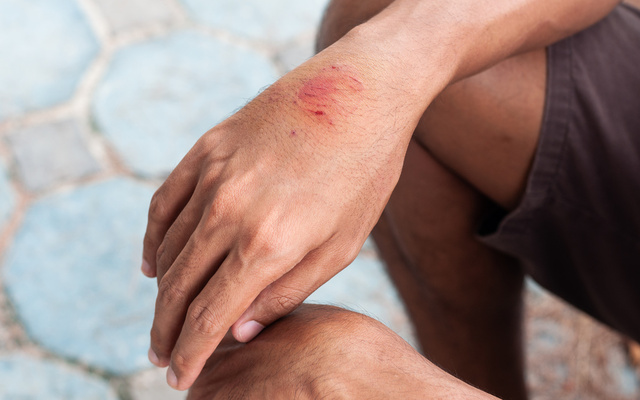
Many hospitals in Metro Manila have dedicated Animal Bite Treatment Centers (ABTCs) that provide comprehensive care for animal bites, including rabies vaccination.
Some of the more established ABTCs are Manila Animal Bite Center in Taft Avenue, Ermita, Manila and St. Lazarus Rabies Preventive Vaccination Center at Quiricada Street, Sta. Cruz, Manila. Availability can vary, so it's essential to contact the facility in advance to inquire about vaccine availability, costs, and whether an appointment is needed.
The cost of rabies shots can range from from P500 to P1,200 per shot in Metro Manila, with some health facilities accredited by PhilHealth. Ultimately, the total cost will depend on the number of shots.
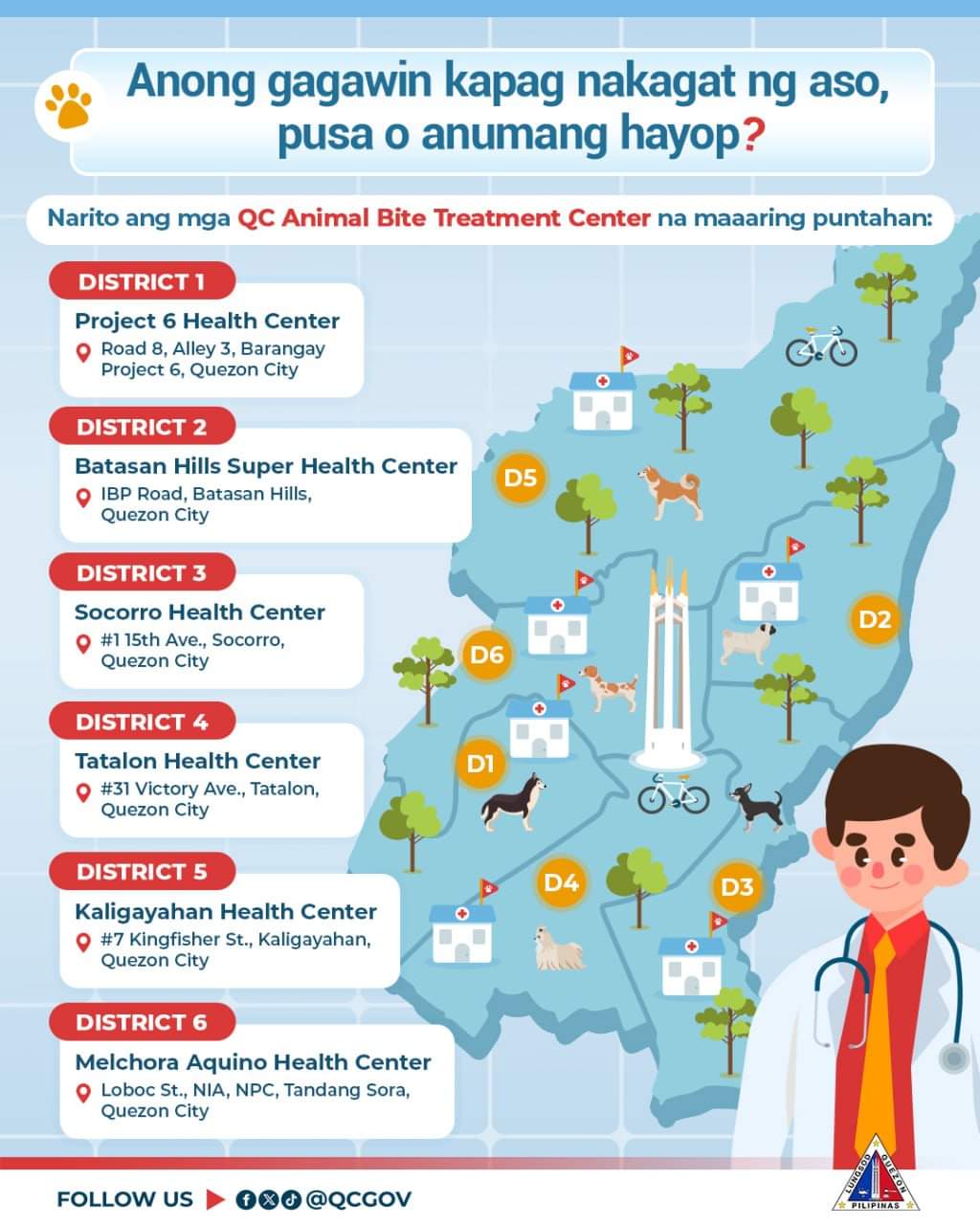
Some local government units also provide rabies vaccination services through public health centers. In Quezon City, rabies vaccinations are free at the following Animal Bite Treatment Centers. Just make sure to bring a valid ID or National Immunization Program (NIP) vaccination card and a school ID for children.
- Project 6 Health Center in District 1
- Batasan Hills Super Health Center in District 2
- Socorro Health Center in District 3
- Tatalon Health Center in District 4
- Kaligayahan Health Center in District 5
- Melchora Aquino Health Center in District 6
Remember, rabies vaccination is most effective when started as soon as possible after exposure. Do not delay seeking treatment if you or someone you know has been bitten by an animal, especially if the animal's rabies vaccination status is unknown.