
Ateneo's Rizal Library Is Home To These 10 Cultural Gems
You can see them for yourself but be sure to follow visitor guidelines.
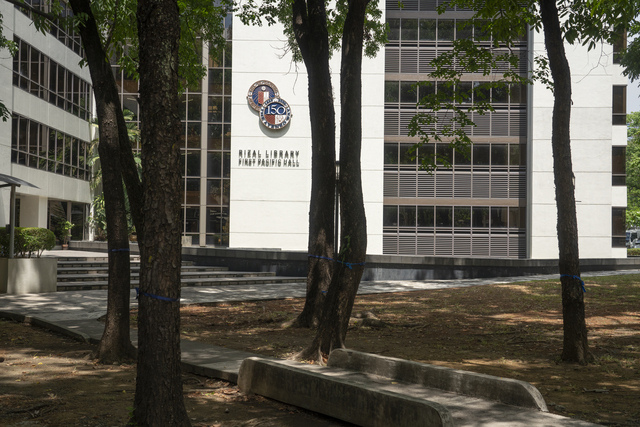
(SPOT.ph) To say Ateneo de Manila has been around for a long time is an understatement: it’s been around since 1859, and is one of the oldest educational institutions in the country at 165 years old. From its original site in Intramuros to its long-time home in Katipunan Avenue today, Ateneo has long been a fountain of knowledge. This is especially true of its Rizal Library and University Archives, which have collected historical gems through the ages—some of which rival what you’d find in a museum!
You can drop by to see them yourself—just be sure to follow visitor guidelines, which includes a set appointment, plus a reasonable P100 research fee if you’re not a student or an Ateneo graduate.
But what exactly is there to see? We asked former long-time University Librarian Dr. Von Totanes for what you shouldn’t miss when you visit.
What cultural treasures to look for when visiting Ateneo's Rizal Library:
1. Fragments of Jose Rizal’s Brain
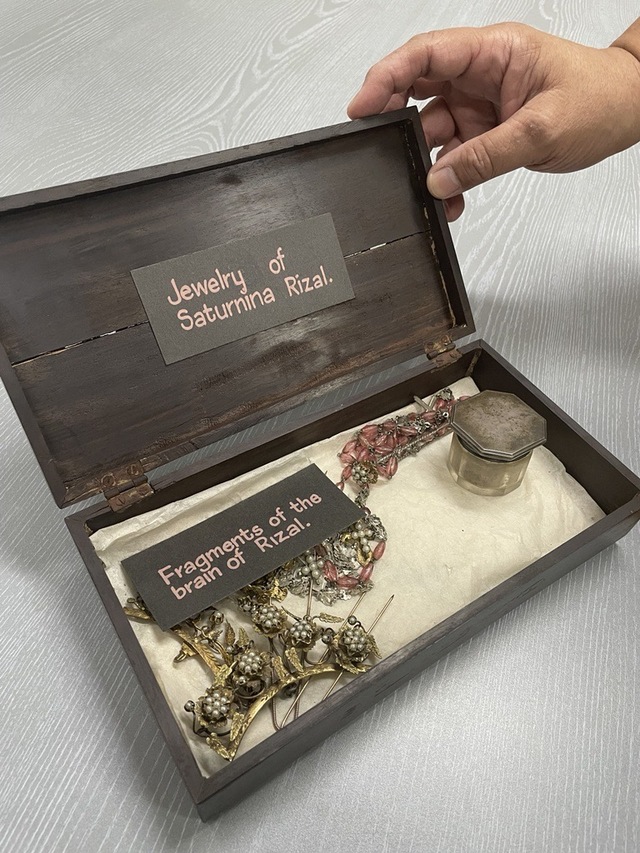
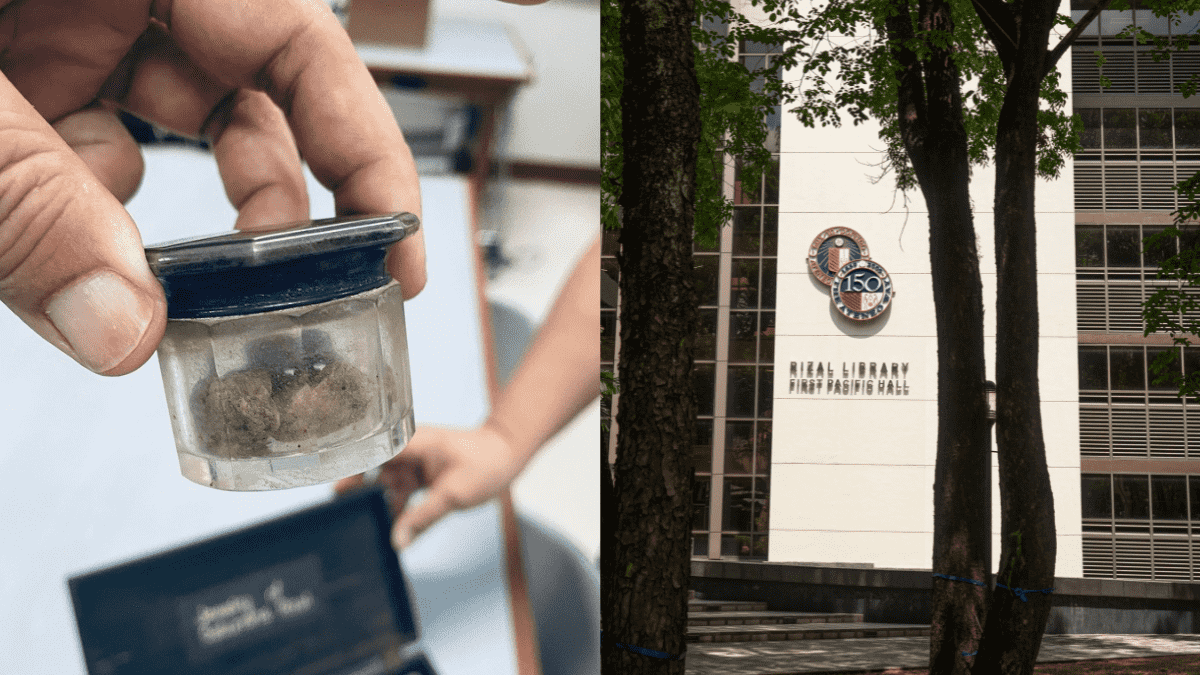
“The Rizal Library was named after Jose Rizal, the best-known Ateneo alumnus. Fittingly, rare Rizaliana may be found across different sections” explains Dr. Von. Only uncovered recently in their archives however is a small jar containing a fragment of Jose Rizal’s brain. Originally donated by heirs of his eldest sister Saturnina Rizal, they are one of the few remains of the national hero’s body you can view today, including his backbone preserved by his family now in Fort Santiago.
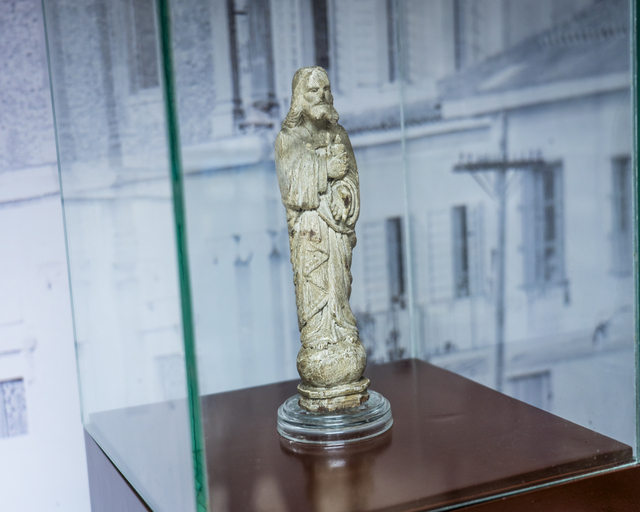
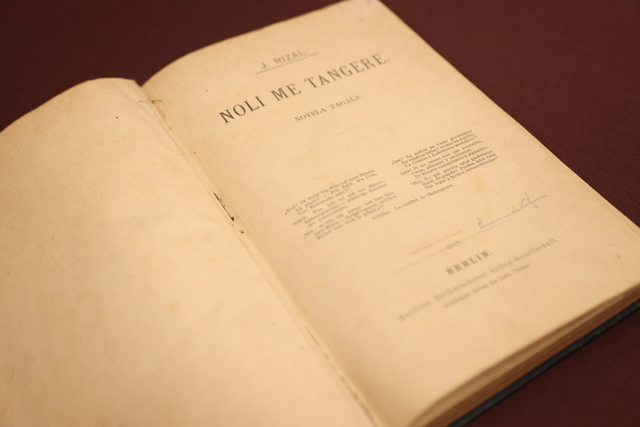
But those aren’t the only Rizaliana Ateneo’s library has. Dr. Von adds, “Among the most important are the statue of the Sacred Heart of Jesus that he carved as an Ateneo student; some of his letters to family and friends; the first editions of Noli Me Tangere (1887), Sucesos de las Islas Filipinas (1890), and El Filibusterismo (1891); the rattan table on which he wrote what is popularly known as “Mi Ultimo Adios”; the portable stove in which it was hidden; and the rosary he held in his hands before his execution.”
Also read: Things To Do In Ateneo If You're Not A Student
2. Handwritten Journals of Author Paz Marquez Benitez
“Rizal fans who can name all of his alleged girlfriends may find it interesting that one of the Rizal Library's special collections is the Ateneo Library of Women's Writings,” says Dr. Von. This is a collection filled with the works of Filipinas—from writers and artists to scholars and scientists. One of the most important documents you’ll find among them are the handwritten journals of visionary writer and teacher Paz Marquez Benitez, the author of the first ever short story written in English by a Filipino “Dead Stars”—notes for which you’ll actually find in her entries.
There’s more to be found in this special collection, however, which Dr. Von is happy to mention: “There are also the personal papers of Ma. Rosa Henson, the first Filipina who publicly admitted in 1992 that she was systematically raped by Japanese soldiers during World War II; as well as the writings and memorabilia of National Artists Leonor Orosa Goquingco (dance), Edith L. Tiempo (literature), Daisy Hontiveros Avellana (theater), and Marilou Diaz-Abaya (film).” Abaya, director of Filipino classics Karnal, Brutal, and Moral, as well as the GMA 7 Rizal biopic, once taught in Ateneo.
3. Documents from the Pact of Biak-na-Bato
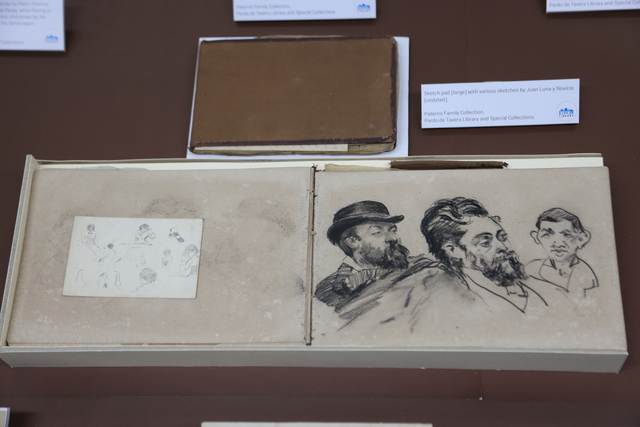
In 1987, revolutionary leader Emilio Aguinaldo signed a truce with Spanish Governor-General Fernando Primo de Rivera called the Pact of Biak-na-Bato, which ended the Philippine Revolution (though it would eventually—spoiler alert?—fail). Politician and author Pedro Paterno was appointed arbiter of this truce, and his family has since donated an entire collection of documents to the Rizal Library.
“The Paterno Family Collection includes personal papers, photos, and other materials from the late 1800s to the early 1900s,” says Dr. Von. “Some of the more valuable items are documents related to the Pact of Biak-na-Bato; first-edition copies of Pedro Paterno's Ninay (1885), the first novel written by a Filipino; and sketchpads with drawings by Juan Luna.”
4. Documents from the Santo Tomas Internment Camp
Save for possibly the Library of Congress in the United States, Ateneo’s Rizal Library claims to house the largest, most diverse, and most complete collection of materials related to the American experience in the Philippines. The American Historical Collection was established in 1950, and consists of some 13,518 books, 18,674 photographs, and more—including documents and artifacts from darker events in World War II not often spoken of.
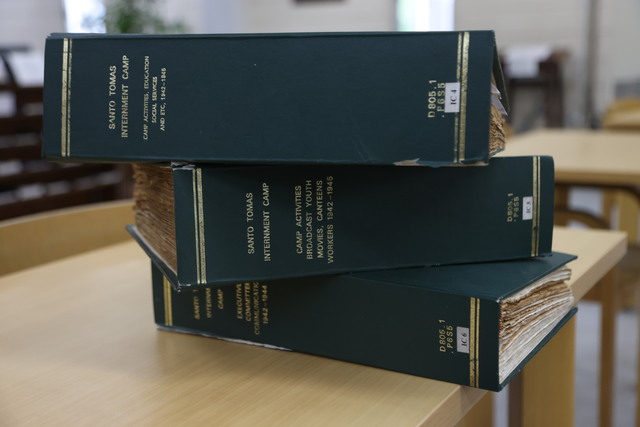
“In 1942, Americans in the Philippines were rounded up by the Japanese and detained at the University of Santo Tomas, resulting in the formation of the Santo Tomas Internment Camp,” explains Dr. Von. “Personal data of the internees, births and deaths, records of their daily routines—such as the rations, minutes of the meetings of the administrative committees in charge of the camp, and so on—are preserved in the American Historical Collection.”
5. Collection of Philippine Epics and Ballads
We don’t often talk about the Philippines before the Spanish colonized us, but one of the most interesting ways to learn about it is through the epics and ballads passed down through the centuries. With so many different languages in this archipelago of ours, however, there was a time getting access to these works wasn’t easy.
“Thanks to linguist and anthropologist Nicole Revel, the epics and ballads of 16 different indigenous communities from all over the Philippines are accessible at the Rizal Library,” says Dr. Von. And the Philippine Epics and Ballads collection isn’t just available in text, but in multimedia. “They’re available in video and audio formats, with accompanying transcriptions, translations, and photographs, to anyone who wishes to watch or listen to them online.”
6. The Country’s Largest Archive of Philippine Newspapers
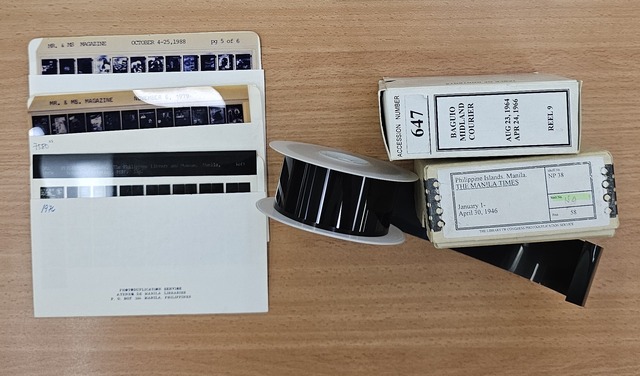
“If you want to know what happened on the day you, your parents, or your grandparents were born, you'll want to look at the largest collection of Philippine newspapers on microfilm and DVD, from the late 1800s to the present, in Spanish, English, and Tagalog,” says Dr. Von. Said collection is located in the Rizal Library, and it includes guerilla publications during World War II and regional newspapers published in other Philippine languages. You can even find now-defunct Philippine magazines in print—and the collection goes back from the early 1900s to the present, from Philippines Free Press and Liwayway to MOD and Philippines Graphic.
7. Rare Historical Photo Collections
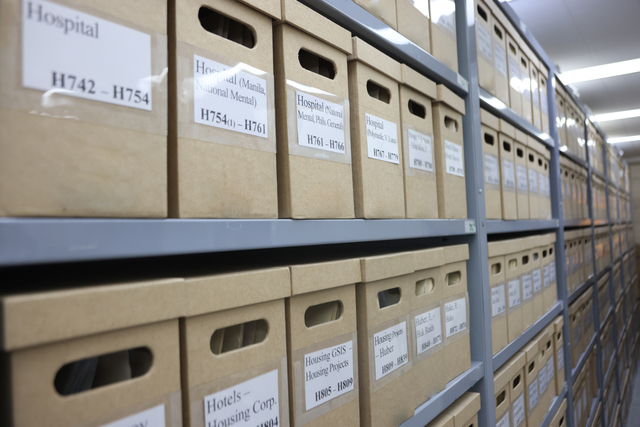
They say a picture is worth a thousand words, but what about hundreds of thousands of photos documenting decades of Philippine history? Some of these photos may be viewed at the American Historical Collection (AHC). Rogers Raymond Pope and his wife Emma Pettey Pope were among the American teachers assigned to public schools in the Philippines in the early 1900s—going everywhere from Baguio, Sorsogon, Antique, and Capiz. They took hundreds of photos and collected hundreds of postcards and ephemera—and now, they’re all available in the Rizal Library for a glimpse of the early years of the American colonization.
But if other time periods are your interest, you won’t be disappointed. The AHC’s Dawson Collection, for example, is composed of two albums from the late 1800s with sepia-toned photos of the Philippines, China, and Japan,” says Dr. Von. “And then there's the Mr & Ms Collection in the Pardo de Tavera Section, in which more than 630,000 photos published from the 1950s onward in the Manila Times and other publications are preserved, fully classified and indexed, for easy perusal of researchers.”
8. The Ultimate Collection of Local Komiks
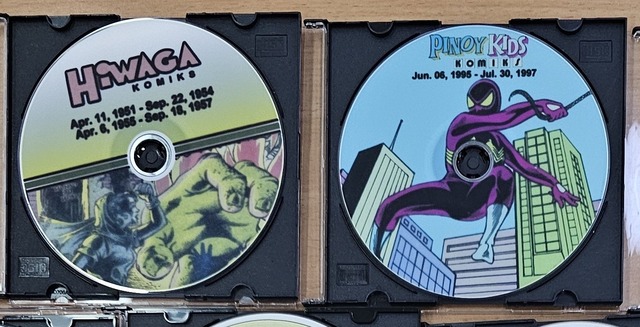
If Japan has its manga and the United States has its comics and graphics novels, then the Philippines has komiks—and through the generosity of National Bookstore, the Rizal Library now has the entire collection of the former Atlas Publications preserved and ready for visitors to read.
“For most of the twentieth century, komiks in Tagalog and other Philippine languages were among the most popular reading materials in the Philippines,” says Dr. Von, “as well as the basis for movies and TV series like Darna, Dyesebel, and Captain Barbell.” Beyond all these komiks being accessible in print and on microfilm in the Rizal Library, the institution even has a DVD collection of the movie and television adaptations!
9. Window on Korea Collection
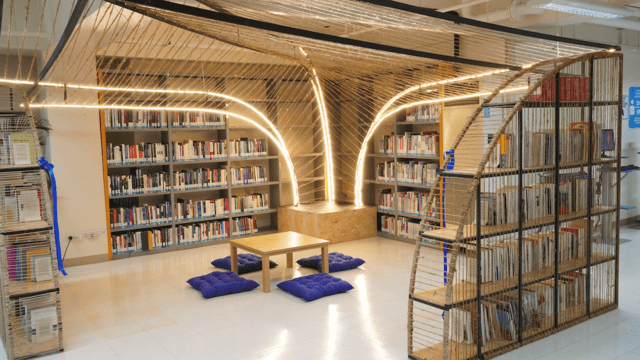
From music to dramas, South Korea has ruled our speakers and screens for the past years. The Rizal Library was the first Philippine library to receive a Window on Korea collection from the Korean Embassy in 2012—and for any fan of the Hallyu Wave, it’s one of the best places to find print and non-print materials on Korean language, history, traditions, and culture. “K-drama and K-pop fans will probably want to watch and listen to the DVDs and CDs of their favorite movies, TV series, and bands,” adds Dr. Von.
10. President Noynoy Aquino’s Audio Collection and Listening Chair
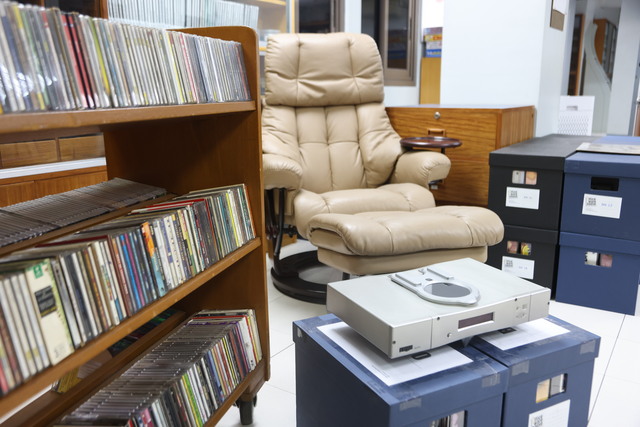
Not many know that late president Benigno Aquino III was actually an avid music lover with an extensive personal collection of music—-and by extensive, we mean that he owned more than 8,600 CDs. The collection encompasses music from alternative to pop, from Apo Hiking Society to Led Zeppelin. The entire collection, as well as the late president’s handwritten notes and personal reclining listening chair is now at the Rizal library, donated by the Aquino family in 2022.
Also read: The UP Libraries' 10 Important Cultural Treasures