
EXPLAINER: What Happens When the Pope Dies?
Preparations begin to honor the late pope and elect his successor.
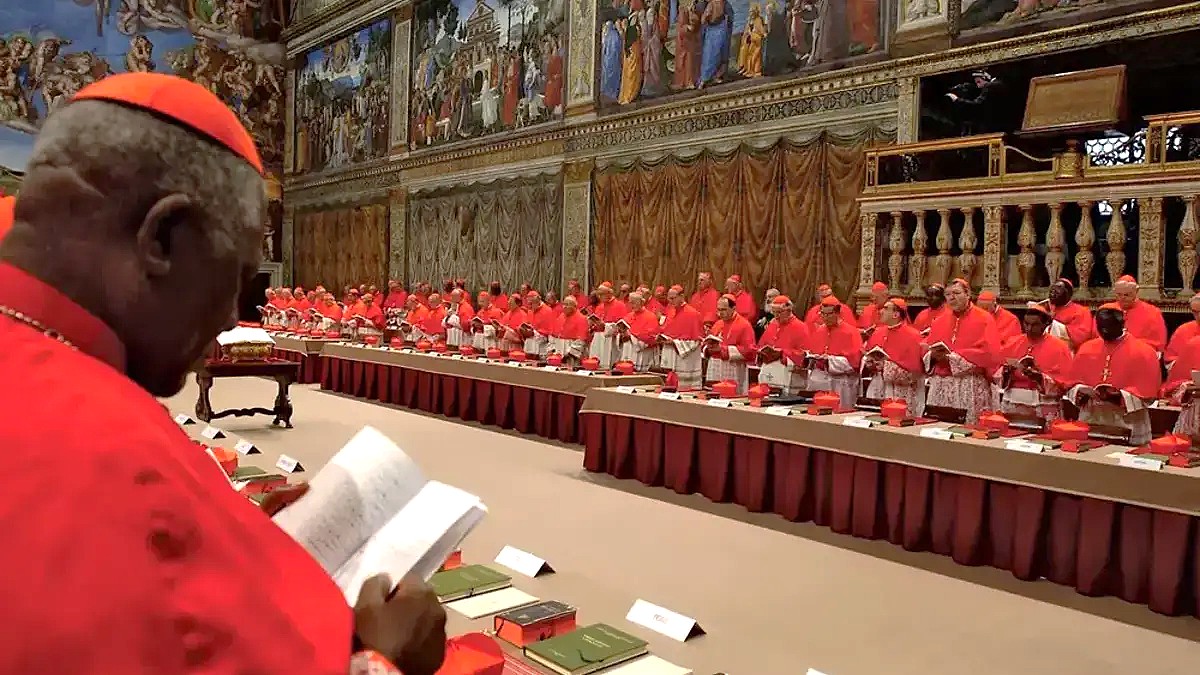
(SPOT.ph) With the death of Pope Francis on April 21, the Vatican has entered a solemn period known as sede vacante—literally, “the seat being vacant.” For Catholics around the world, this moment is a turning point for the Church, as preparations begin to honor the late pope and elect his successor.
After the Camerlengo, currently Cardinal Kevin Farrell, formally confirms Pope Francis' death, he also takes over limited administrative duties while the papacy is vacant. One of his first symbolic tasks is to destroy the Fisherman’s Ring and seal the papal apartments—these acts are meant to prevent anyone from misusing the symbols of his highest authority.
Also read: Pope Francis Dies at 88 Years Old
Where will Pope Francis be buried?
At the heart of the mourning period is a series of daily Masses called novendiales—which means nine days of mourning. The late pontiff will lie in state at St. Peter’s Basilica, where thousands of mourners are expected to pay their respects. This public viewing usually lasts for a few days, with the pope’s body placed on a raised platform surrounded by Swiss Guards.
As part of the ritual, a document called the rogito is placed in the coffin. It summarizes his life, papacy, and major accomplishments. At the end of the service, the pope's casket will be carried into the basilica and buried—but Pope Francis had requested a simpler resting place at the Basilica of St. Mary Major, together with seven other popes.
In the meantime, day-to-day operations of the Church continue in a limited manner, with the College of Cardinals overseeing matters that cannot wait. However, they are barred from making any major decisions or policy changes—those are left to the next pope.
How is the next pope elected?
So, how does the world’s largest Christian denomination choose a new leader? That happens through a tradition-filled event called the conclave. Recent films like Conclave, The Two Popes, and Spotlight have given audiences a glimpse into the famously secretive process, albeit rather dramatized.
Cardinals under the age of 80 gather in the Sistine Chapel about two weeks after the pope's resignation or death (to allow time for global cardinals to arrive in Vatican City). Then they’re locked inside—literally—until they agree on a new pope. No phones, no press. The idea is to remove all external influence so cardinals can focus on and pray about the decision at hand.
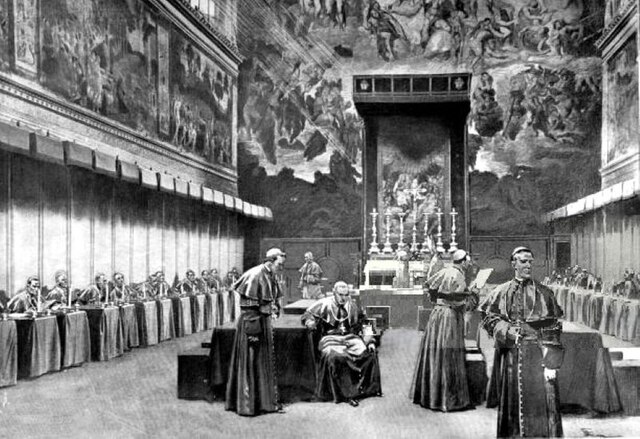
Voting happens in secret, with ballots burned after each round.
“Four rounds of balloting are taken every day until a candidate receives two-thirds of the vote. The result of each ballot are counted aloud and recorded by three cardinals designated as recorders. If no one receives the necessary two-thirds of the vote, the ballots are burned in a stove near the chapel with a mixture of chemicals to produce black smoke,” the United States Conference of Catholic Bishops stated on its website.
So if you see black smoke rising from the chapel chimney, it means no one has won the required two-thirds majority. This process can take days, weeks, and even years (the appointment of Pope Gregory X took nearly three years in 1271 due to a political divide) until most cardinals can agree on a new pope. Each day, the conclave can only hold up to four rounds of voting. If, after 33 rounds, there is still no decision, the top two candidates face off in a run-off vote.
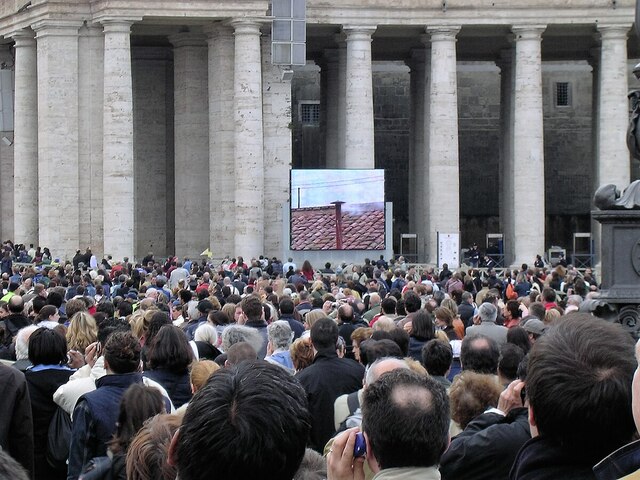
When white smoke finally appears: Habemus papam (we have a pope). A few minutes later, a cardinal steps out onto the balcony of St. Peter’s Basilica and introduces the new leader of the Catholic Church, who then gives his first blessing to the world.
Who is the next pope after Pope Francis?
Technically, any baptized Catholic male is eligible for the position, but for over 600 years, every pope has been chosen from among the cardinals.
Even before the announcement of Pope Francis’ death, there had already been speculation about who might be next. Cardinal Pietro Parolin, the Vatican’s Secretary of State from Italy, is one of the more prominent names being floated. There’s also Cardinal Robert Sarah from Guinea, Cardinal Peter Turkson from Ghana, and Cardinal Luis Antonio Tagle from the Philippines.
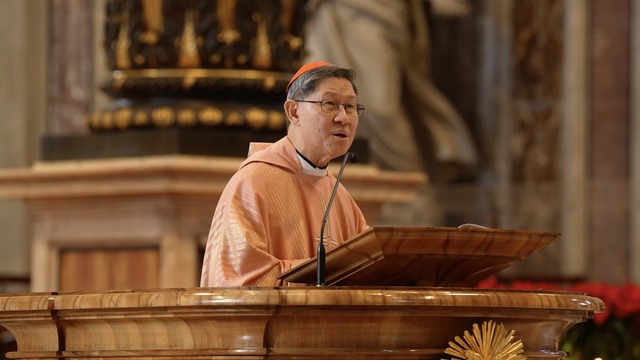
Like Pope Francis, Cardinal Tagle has always leaned more toward the progressive side. He has consistently advocated for a more compassionate and inclusive Church, particularly toward marginalized groups. For this, he has been dubbed the “Asian Francis.”
However, it’s worth noting that speculations by the media are just exactly that, speculations. They have no bearing on the actual selection process. Historically, the College of Cardinals has elected popes who weren’t even considered frontrunners, so the final outcome is more or less unpredictable. The world will simply have to wait for the white smoke to know who the next pope will be.
Also read: Could Filipino Cardinal Tagle Be the Successor to Pope Francis?