
Toxic Algae Species Found in Luzon Shellfish Farms
Is there reason to worry?
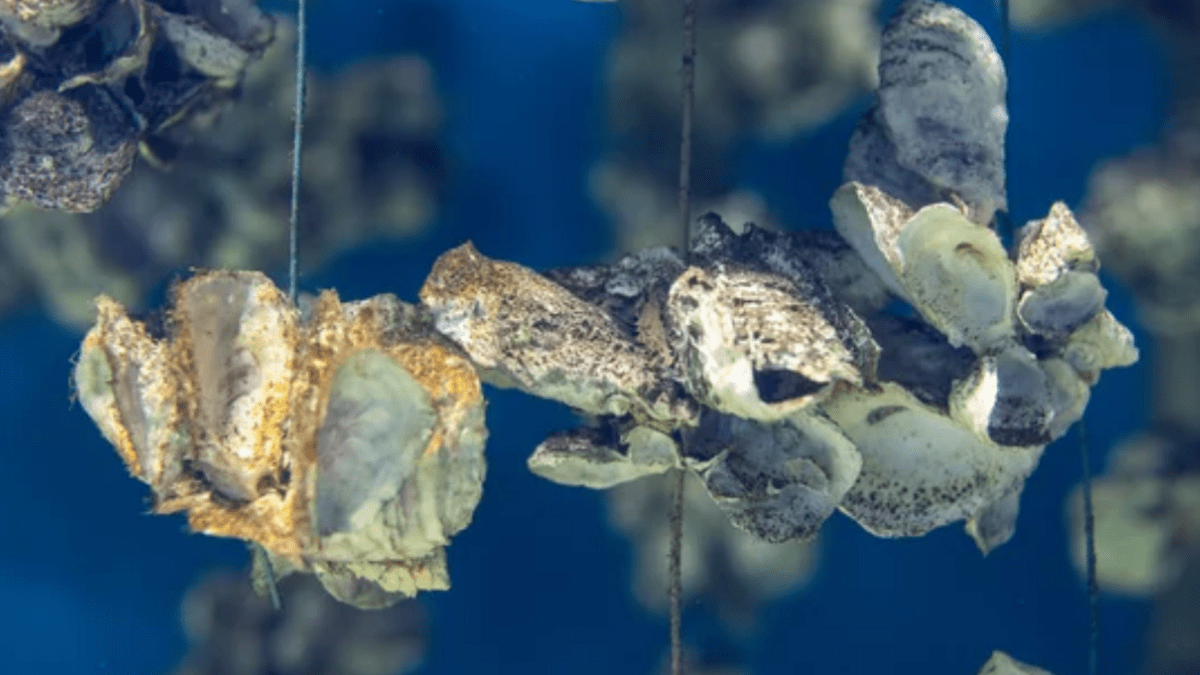
(SPOT.ph) Shellfish lovers may need to be more cautious as local scientists have just confirmed that certain shellfish farms in Luzon are home to two toxic algae species known to produce a neurotoxin that can cause serious illness—and even memory loss in rare cases.
Through genetic and microscopic examination, an international research team from Ateneo de Manila University and Universiti Malaysia Sarawak found the presence of Pseudo-nitzschia pungens and Pseudo-nitzschia brasiliana in water samples from Bacoor Bay and Pagbilao Bay, which supply seafood to millions across Luzon.
Also read: 10 Seafood Restaurants to Try in the Metro Right Now
Should I be worried about contaminated shellfish in Luzon?
According to the study, most of the species are harmless, but half of the 64 known Pseudo-nitzschia species release domoic acid (DA), a toxin that can cause vomiting, nausea, and abdominal cramps if consumed through contaminated shellfish.
In extremely rare cases, DA can also lead to a condition called Amnesic Shellfish Poisoning (ASP), where short-term memory loss becomes permanent. “However, ASP is very rare: the last documented case was in Canada in 1987,” Ateneo noted.
DA levels can also spike in shellfish during harmful algal blooms or “red tides,” especially in “filter-feeding shellfish such as mussels and clams.” Other types of shellfish include shrimp, crabs, and oysters.
Researchers clarified to GMA News Online that it is still safe to eat shellfish as diatoms are naturally present in water at low levels: “The side effects mentioned in the article can only happen under very specific conditions such as a harmful algal bloom... There is no immediate cause for worry.”
Fortunately for us, the Bureau of Fisheries and Aquatic Resources' (BFAR) latest Shellfish Bulletin No. 28 on November 5 showed that samples collected from coastal waters in Bataan, Pampanga, Bulacan, and Zambales tested negative for red tide toxins, which confirms that shellfish from these locations are considered safe for human consumption.
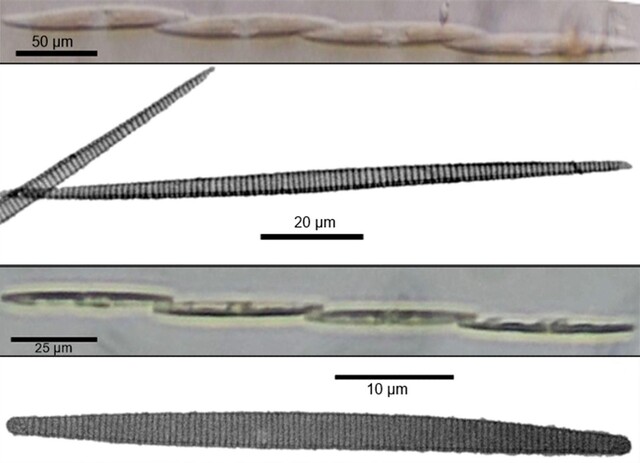
Regardless, researchers have highlighted the need for ongoing monitoring, as toxic algae species can still pose a risk under certain conditions.
“It is important to be aware of the toxic potential of these diatoms and to monitor them accordingly, but such efforts must begin by establishing their presence in our waters. To our knowledge, the molecular taxonomy of Pseudo-nitzschia in the Philippines is virtually nonexistent,” the researchers said. “Confirming species identities of a genus with half of its constituents known to produce DA is essential to HAB monitoring (in the Philippines).”
Also read: Seafood and Music Share the Limelight at This New Resto-Bar In Quezon City
UPDATED: This article has been updated with the researchers' clarification that it is still safe to consume shellfish.