

What Happens to Jeepneys That Failed to Join the PUV Modernization Program?
Only 40% of jeepneys have consolidated in NCR.

(SPOT.ph) Is a greater transportation crisis on the horizon? According to the Department of Transportation (DOTr), only 40 percent of jeepneys, filcabs, and UV express vehicles in the National Capital Region have consolidated for the PUV Modernization Program in time for the December 31 deadline. This was later extended to April 30. What happens to those who didn't join?
The Land Transportation Franchising and Regulatory Board (LTFRB) has made the answer clear in the new Memorandum Circular No. 2023-052: Unconsolidated jeepneys have been granted a temporary extension to operate in areas with less than 60 percent consolidation until January 31 (later April 30). After this date, they will be barred from routes with over 60 percent consolidated PUVs. The LTFRB has not yet released the official and updated list of routes, as of writing
Consolidated operators may also apply for special permits to ply these underserved routes. As MC No. 2023-052 states: “Should there be a need for additional units on an existing route as a result of the [Local Public Transport Route Plan], the consolidated [Transport Service Entities] shall be given priority to increase their authorized units to meet the demand.”
Drivers who wish to consolidate past the deadline will no longer be able to do so, following President Ferdinand Marcos Jr.’s earlier declaration that there would be no more extension. However, as of January 24, this deadline was extended through a House Resolution.
Why are there still unconsolidated jeepneys?
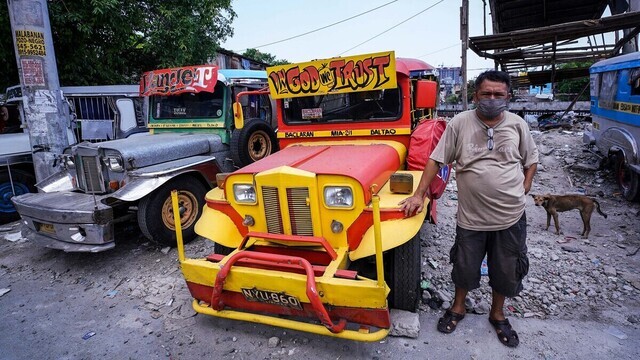
Under the PUV Modernization Program, individual jeepney operators are grouped into cooperatives based on a particular route. This approach is designed to streamline operations, improve service quality, and facilitate the shift to newer, eco-friendlier vehicles within 27 months after December 31, 2023.
The LTFRB said new franchises will only be issued to consolidated entities. It takes at least 15 individual jeepney drivers to form one cooperative. To join a cooperative, a transport worker will have to pay P300,000 on cooperative fees and P20,000 for each jeepney unit that will be registered in the cooperative.
We're not even talking about the price of the modern jeepney yet, which is reported to potentially exceed P2 million per unit—but the DOTr promises to subsidize 50% of the cost.
What is the jeepney consolidation for?
The Department of Transportation believes that having consolidated jeepneys is an opportunity to rationalize the routes of the PUVs. A low consolidation rate would mean, according to them, that the route may be overlapping with others.
Transportation Secretary Jaime Bautista said that a 65% consolidation rate nationwide would be enough to move forward with the efforts for jeepney modernization.
There have been calls for a reconsideration of the PUV Modernization Program’s implementation, citing its negative impact on livelihoods and public transportation like increased fares and reduced availability. Transport groups like MANIBELA and PISTON have previously held nationwide strikes and filed petitions with the Supreme Court seeking to suspend the PUV consolidation plans.
Also read: Live the Life of a Jeepney Driver in This Viral Game by Two Old Classmates
UPDATED (January 25, 10:47 a.m.): This article has been updated to include the deadline extension on April 30.