

GUIDE: How to Transfer Vehicle Ownership in the Philippines
Don't wait to be penalized to act.
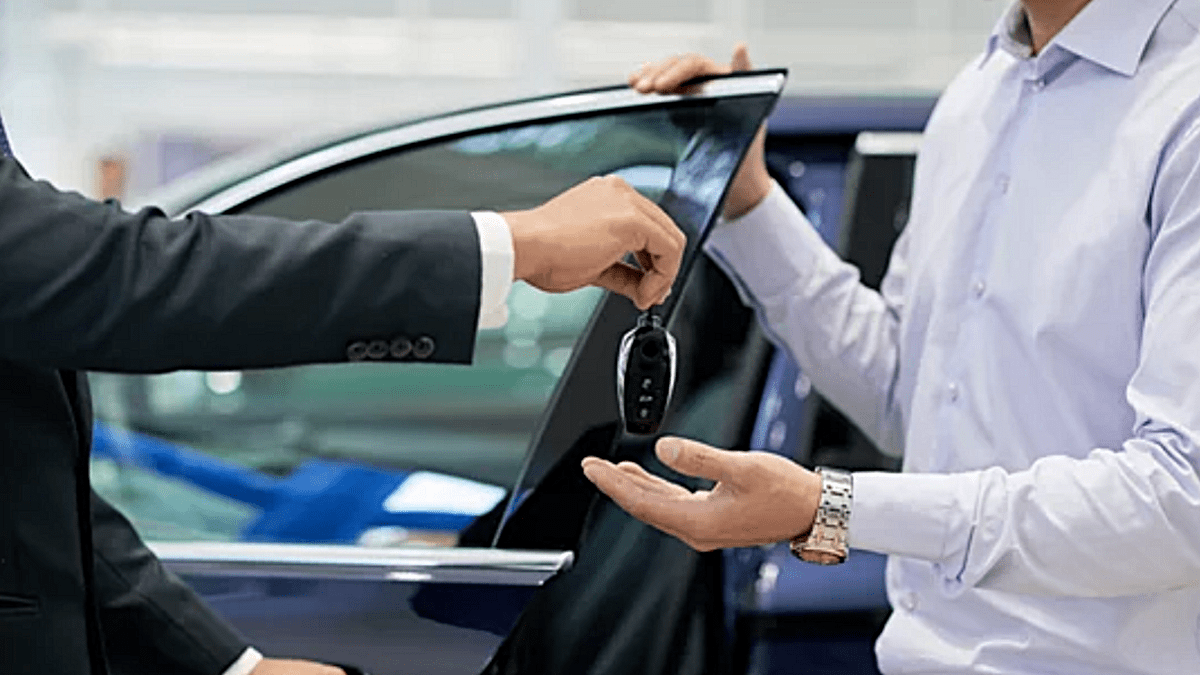
(SPOT.ph) Using a secondhand car? You've likely purchased it through the Open Deed of Sale method, where only the original owner’s name is in the Certificate of Registration even after the car has been sold multiple times. This will no longer fly—the Land Transportation Office (LTO) is now requiring motorists to undergo a formal (and lengthy) process to transfer vehicle ownership.
Transferring vehicle ownership in the Philippines can feel like a maze of paperwork—and there’s no sugarcoating this: It is. You might recall that the LTO released Administrative Order No. VDM-2024-046 last October. It was the introduction of stricter guidelines for the transfer of vehicle ownership, with penalties as high as P40,000 for failure to do so.
Implementation of this rule has since been suspended to “lengthen the compliance period and allow more time to widen the information dissemination,” but that doesn’t mean you should wait until a penalty is in order.
This guide will walk you through the steps, from gathering the required documents to completing the transfer, for a hassle-free experience as you make your vehicle officially yours.
Also read: GUIDE: Everything You Need to Know About LTO’s Electronic Driver’s Licenses
How to transfer vehicle ownership in the Philippines
SPOT.ph reached out to LTO for the official list of requirements for transferring vehicle ownership. The bulk of the work is gathering all of these before visiting the LTO. Be physically and mentally prepared to visit numerous locations.
This is everything you need as of November 2024:
Original PNP-HPG Motor Vehicle Clearance Certificate and Macro-Etching Report
Obtain a clearance from the Philippine National Police - Highway Patrol Group (PNP-HPG). They have regional headquarters and locations in major cities across the country, which you can view at the end of this document.
Bring the vehicle to the PNP-HPG office for inspection, where they will conduct a macro-etching process on the vehicle's engine and chassis numbers. After the inspection, they’ll issue a Motor Vehicle Clearance Certificate and a Special Bank Receipt (SBR) as proof of payment.
Also read: Received a Text About a Traffic Violation? It's a Phishing Scam, LTO Warns
Motor Vehicle Inspection Report (MVIR)
Secure a Motor Vehicle Inspection Report (MVIR) from an authorized LTO inspection center. The inspection center will assess the vehicle’s roadworthiness and issue the MVIR after completing a checklist.
This document is required to ensure your vehicle meets the safety standards set by the LTO.
Insurance Certificate of Cover (COC)
The LTO requires proof of car or motor insurance. The provider will either give you a physical copy or electronically transmit it to the LTO. Any authorized insurance provider will do.
Ensure the insurance is endorsed in the buyer’s name if necessary.
Certificate of Emission Compliance (CEC)
If the transfer involves renewing the vehicle’s registration, you’ll need an updated CEC to ensure it meets the environmental standards.
Authorized emission testing centers offer this certificate. Many are located near LTO branches for convenience. Do check the center’s requirements in advance, as some require documents like the Certificate of Registration (CR).
Photocopy of a Valid Government-Issued ID
Now to the easiest one on this list. Have a photocopy of any government-issued ID with a photo and signature from both the seller and the buyer. This could be a driver’s license, passport, PhilHealth, or other IDs.
Original Certificate of Registration (CR)
The CR is a critical document that proves the vehicle’s registration with the LTO.
This document should have been provided by the seller upon purchase. If you’ve misplaced it, you’ll need to request a replacement from the LTO (which will take time and additional requirements).
Original Deed of Sale
This legal document verifies the sale or transfer of the vehicle. If not yet prepared, this should be drafted by the seller or can be completed with the help of a notary public.
The deed of sale should include all relevant details of the sale, including the vehicle's manufacturer, model, and vehicle identification number (VIN), as well as signatures from both parties. Remember, notarization is necessary to validate the document legally!

Once all documents are ready, proceed to the LTO branch where the vehicle was originally registered to process the transfer. If it was registered at the LTO's main office in East Avenue, Quezon City, then you can proceed to any branch.
It’s best to arrive early to avoid long wait times, as the LTO may have processing cut-off times. Luckily for you, the LTO district and extension offices in Metro Manila have extended operations to include Saturdays from 8 a.m. to 5 p.m.
After processing, the LTO will issue a new CR with the new owner’s name. This might take a few days depending on the branch’s workload. The LTO will either provide the CR immediately or inform you when to pick it up.
Also read: Good News: LTO Offices in Metro Manila Are Now Open on Saturdays