
MRT-3 Rolls Out Longer Trains During Rush Hours to Boost Capacity
Good news, commuters.
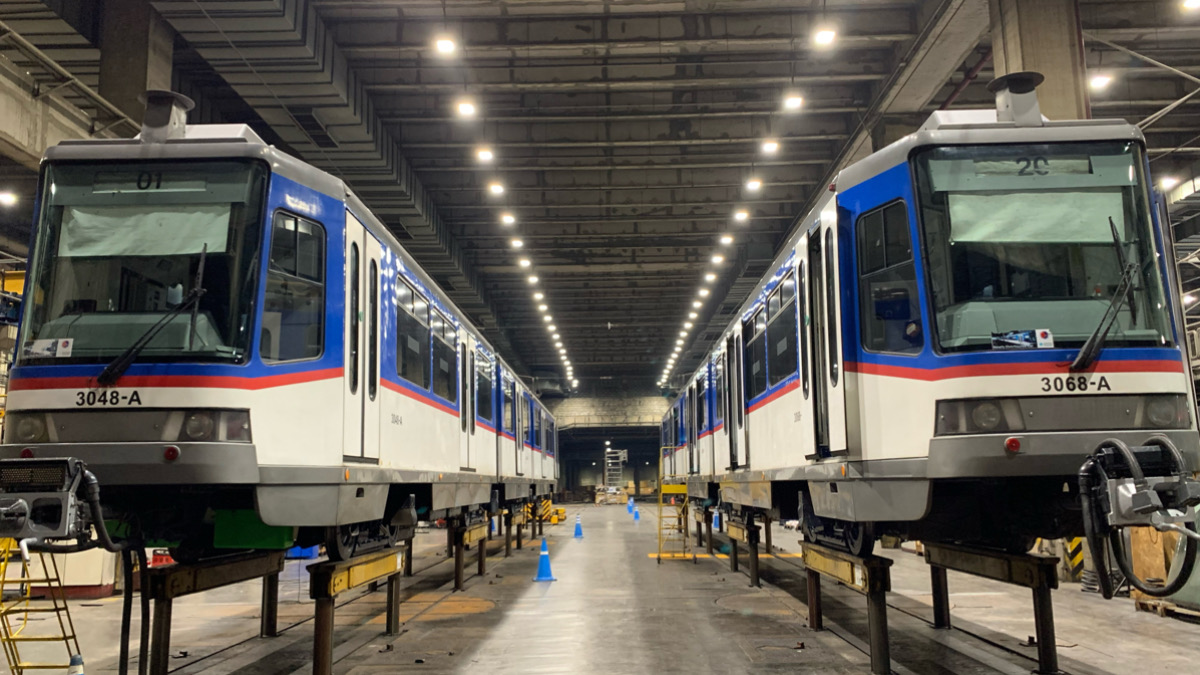
(SPOT.ph) Anyone who's ever ridden the MRT-3 during rush hour knows how brutal it can get—sweaty backs pressed against strangers, arms pinned to the sides—but starting April 21, the line will begin deploying longer four-car trains to hopefully give passengers a bit more breathing room.
Instead of the usual 19 three-car trains, commuters can now expect a new setup: 16 three-car trains and 3 four-car trains running during the morning and evening rush hours.
Each four-car train can carry up to 1,576 passengers, which is roughly 400 more than the standard three-car trains, making it easier for more riders to board without having to wait for the next one (or the one after that).
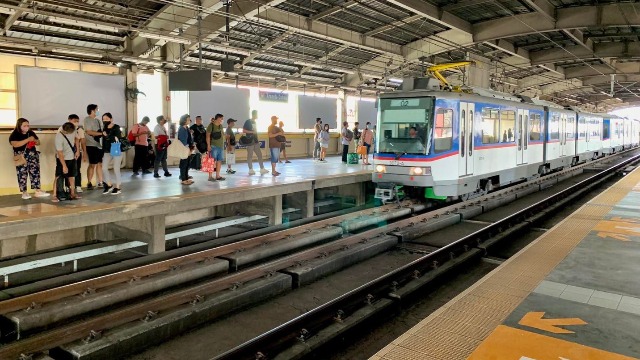
This rollout has been a long time coming. Back in February, MRT-3 General Manager Oscar Bongon confirmed plans to shift to four-car train configurations by June, once key facility upgrades are completed. To make room for the longer trains, MRT-3 is extending the turnaround track at Taft Avenue and constructing a new turnback facility at North Avenue—essentially giving the longer trains enough space to maneuver at both ends of the line.
These four-car trains were first tested in 2022, but this marks the first time they’re being used as part of regular operations.
Also read: Why the MRT-3 Can't Operate 24/7
Other MRT-3 announcements to know
These recent changes to MRT-3 operations follow the entry of Vince Dizon and Bongon as the new heads of the Department of Transportation and MRT-3, respectively.
Just a few weeks ago, MRT-3 extended its weekday operating hours indefinitely, with trains now running until 10:30 p.m. at North Avenue Station and 11:09 p.m. at Taft Avenue Station. After all, the MRT-3 was originally designed to handle 350,000 passengers per day. However, it has consistently operated beyond this capacity, with daily ridership reaching 375,474 passengers in 2024.
Officials also scrapped the controversial baggage policy that banned large suitcases from trains—allowing commuters with larger bags to board without issue.
Also read: LOOK: What Happens Inside MRT-3’s Underground Maintenance Operations